
Yellowjacket Adaptations Guide: Survival Traits, Defensive Features, and Environmental Adaptations
Quick Facts
Adaptation Type: Physical and Behavioral Adaptations
Primary Survival Strategy: Social Colony Living
Movement Adaptation: Fast, Agile Flight
Defense Adaptation: Reusable Stinger and Group Defense
Sensory Adaptation: Advanced Vision and Chemical Detection
Environmental Tolerance: Broad Climate Adaptability
Communication Adaptation: Chemical Signals and Colony Coordination
Notable Feature: Combines Individual Abilities with Colony-Level Survival Strategies
Yellowjacket Adaptations and Evolutionary Success
Yellowjackets are among the most successful social wasps in the world, occupying environments across North America, Europe, Asia, and introduced regions elsewhere. Their widespread distribution is the result of numerous adaptations that allow them to survive, reproduce, and thrive in a variety of conditions. These adaptations range from physical structures to highly coordinated social behaviors.
Unlike solitary insects that rely entirely on individual survival, yellowjackets benefit from both personal adaptations and colony-level advantages. This combination allows them to respond effectively to predators, environmental changes, and seasonal challenges. Few insects demonstrate such a strong balance between individual and group survival strategies.
Over millions of years, yellowjackets have developed features that improve efficiency, defense, communication, and environmental flexibility. Each adaptation contributes to a larger system that supports colony success. Together, these traits have helped yellowjackets become one of the most recognizable wasp groups on Earth.
A yellowjacket’s survival is not dependent on a single remarkable feature. Instead, its success comes from multiple adaptations working together. From its streamlined body to its highly organized social structure, every characteristic contributes to long-term survival and ecological effectiveness.
Yellowjacket Physical Adaptations for Flight and Survival
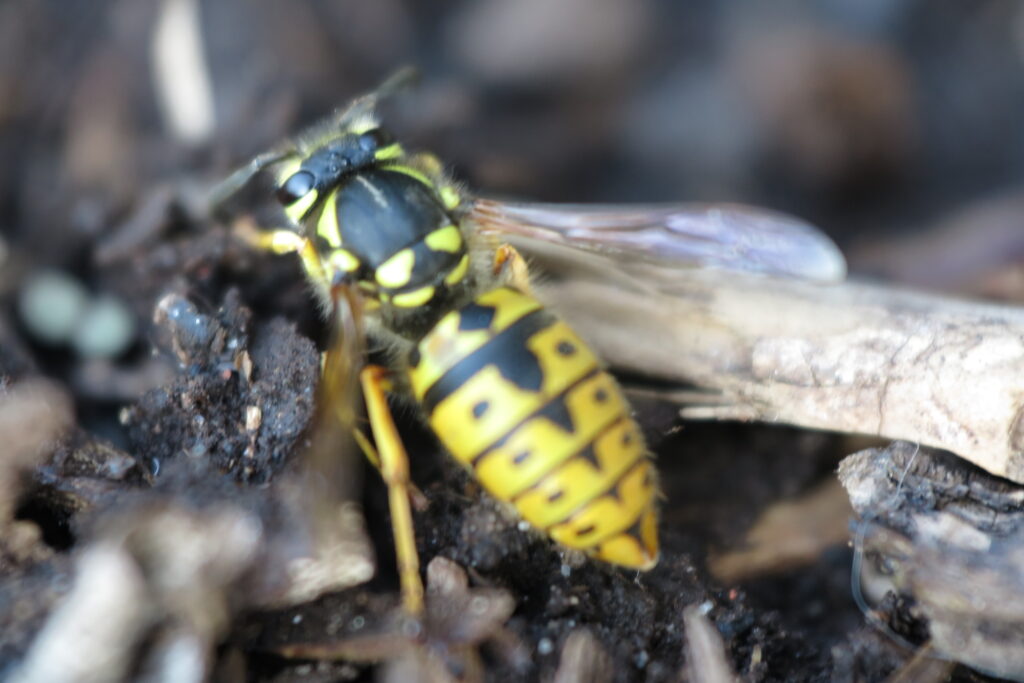
One of the most important adaptations of the yellowjacket is its compact and aerodynamic body shape. The streamlined design reduces air resistance and allows efficient flight. This adaptation enables yellowjackets to move quickly while covering large areas in search of resources.
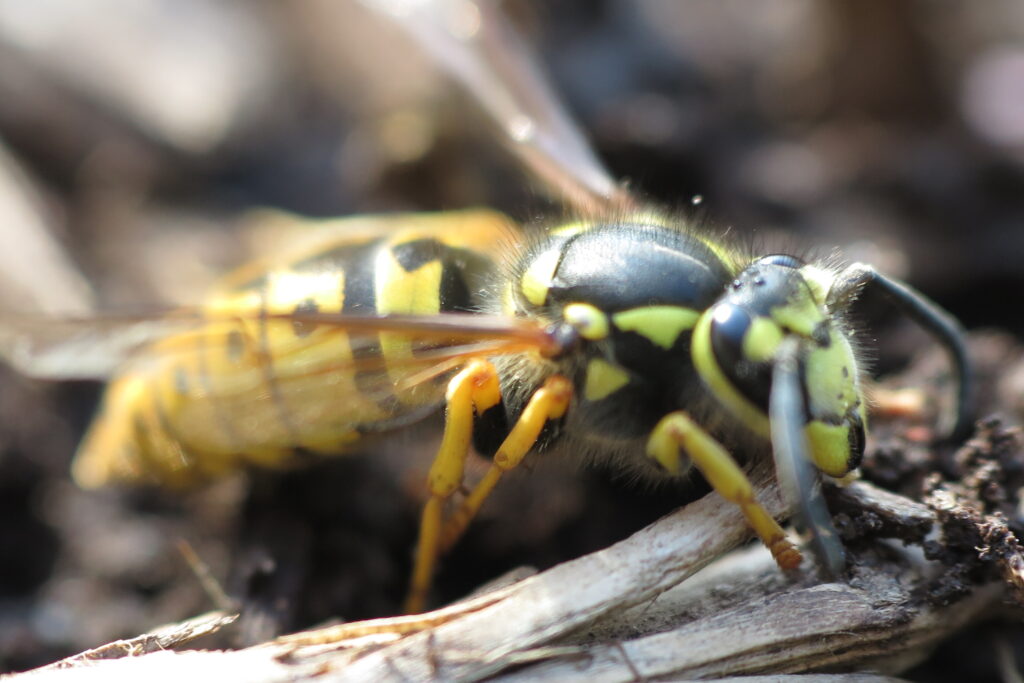
Their narrow waist is another defining physical adaptation. This structure increases flexibility between body segments and contributes to maneuverability during flight. The result is a highly agile insect capable of making rapid directional changes.
The wings themselves are specialized for efficiency. Yellowjackets can fly with speed and precision while maintaining excellent control. Their flight ability can be compared to a highly responsive drone capable of adjusting course almost instantly.
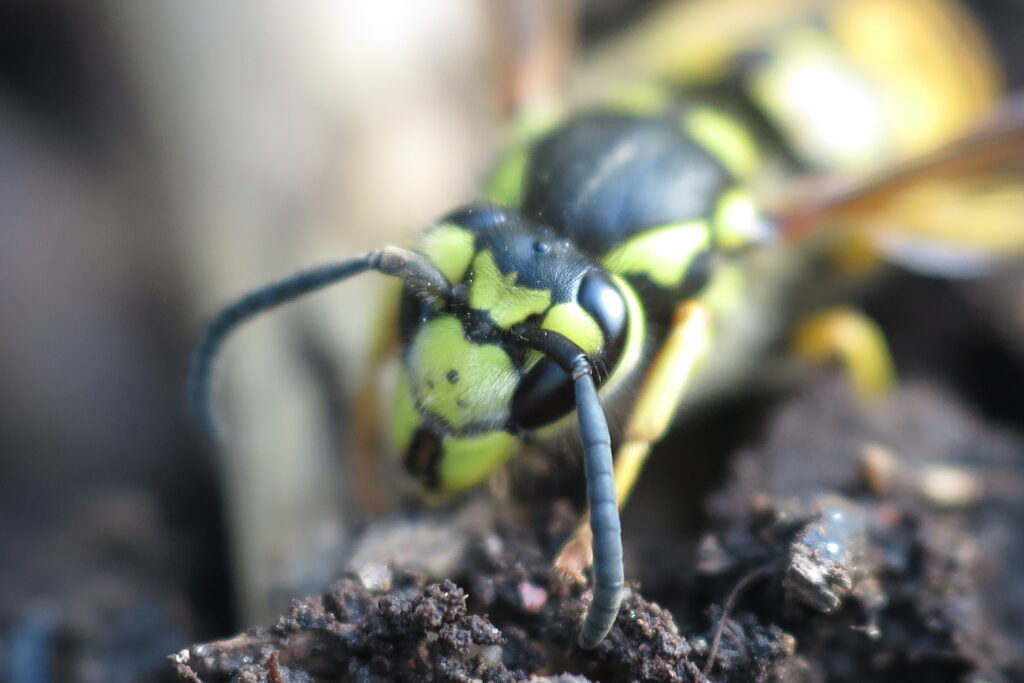
Large compound eyes provide another important advantage. These eyes allow yellowjackets to detect movement and navigate complex environments. The broad field of view helps them monitor surroundings while moving rapidly through vegetation and open spaces.
Powerful mandibles contribute significantly to survival. These structures are used for manipulating materials, processing resources, and performing various colony-related tasks. Their versatility makes them one of the most useful tools available to the insect.
Coloration serves as an adaptation as well. The bold yellow-and-black pattern functions as warning coloration, signaling potential danger to predators. Similar warning patterns appear in numerous unrelated species because of their effectiveness.
Together, these physical adaptations create an insect that is efficient, mobile, and highly capable. Every visible feature contributes to the yellowjacket’s ability to survive in a competitive environment.
Yellowjacket Sensory and Communication Adaptations
Yellowjackets possess advanced sensory adaptations that help them navigate and respond to their environment. Their compound eyes provide detailed visual information, allowing them to detect movement and locate important resources. This visual awareness contributes greatly to daily survival.
Chemical detection is equally important. Yellowjackets use their antennae to sense odors, environmental cues, and colony-related signals. These sensory structures function much like highly sensitive detection instruments, constantly gathering information from the surrounding environment.
Communication within the colony depends heavily on chemical signals known as pheromones. These signals allow individuals to share information and coordinate activities efficiently. Through chemical communication, colonies function as highly organized social units rather than collections of independent insects.
Pheromones can be used for a variety of purposes, including colony coordination and defensive responses. Information spreads rapidly through the colony, allowing workers to react collectively when necessary. This system greatly improves colony efficiency.
A useful comparison is a modern communication network connecting thousands of devices. Just as information can travel quickly through a digital network, chemical signals move through the colony and influence the behavior of many individuals simultaneously.
Yellowjackets also demonstrate strong environmental awareness. They respond rapidly to changes in movement, vibration, and nearby activity. This responsiveness helps them identify opportunities and potential threats before direct contact occurs.
These sensory and communication adaptations transform a colony into a coordinated social system. The ability to gather information and respond collectively provides major advantages that support survival across diverse environments.
Yellowjacket Defense and Environmental Adaptations
One of the most famous yellowjacket adaptations is its stinger. Unlike honey bees, yellowjackets do not lose their stinger after use and can sting multiple times. This reusable defense mechanism provides a significant survival advantage when responding to threats.
Colony defense is another powerful adaptation. Rather than relying solely on individual protection, yellowjackets benefit from collective responses involving numerous workers. This cooperative strategy increases the effectiveness of defensive actions and helps safeguard the colony.
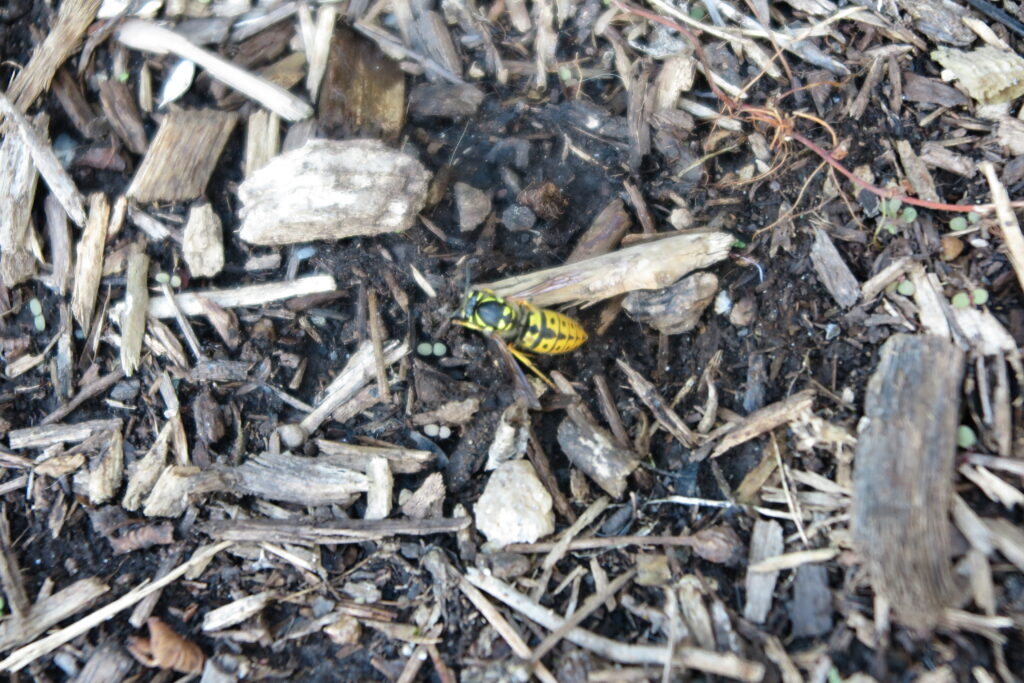
Nest placement also serves as an important adaptation. Many yellowjackets establish colonies in protected locations such as underground cavities, hollow logs, or sheltered structures. These nesting sites reduce exposure to predators and environmental hazards.
Seasonal adaptability contributes significantly to long-term success. Yellowjackets synchronize colony development with favorable environmental conditions. This timing allows colonies to maximize growth during productive periods while ensuring future queens survive through winter.
Warning coloration works alongside physical defenses. Predators that encounter yellowjackets often learn to associate their bright yellow-and-black markings with an unpleasant experience. This learned avoidance reduces future predation attempts.
A useful comparison is a castle protected by walls, guards, and warning signs. Yellowjackets employ a similar multi-layered approach to defense, combining nest concealment, social cooperation, warning signals, and effective physical protection.
The yellowjacket’s success is ultimately the result of many adaptations working together. Fast flight, advanced senses, chemical communication, colony organization, warning coloration, and effective defenses create a highly adaptable insect capable of thriving across much of the world. These traits have made yellowjackets one of the most successful and recognizable social wasps in modern ecosystems.
Popular Searches About Yellowjackets
Explore Yellowjacket Guide
Explore More Wildlife

Support Encounters World
Help support wildlife photography and get behind the scenes discoveries on Patreon.