
Gold Laced Wyandotte Chicken Overview: Appearance, Characteristics, and Ecosystem Role
Quick Facts
Scientific Name: Gallus gallus domesticus
Common Name: Gold Laced Wyandotte Chicken
Location: Farms, backyard flocks, and homesteads
Average Size: 6–8.5 pounds
Lifespan: 6–12 years
Global Range: Domestic breed found worldwide
Conservation Status: Domesticated Breed
Notable Feature: Striking black-laced golden feather pattern
Location Observed: Pennsylvania, USA
Field Observation
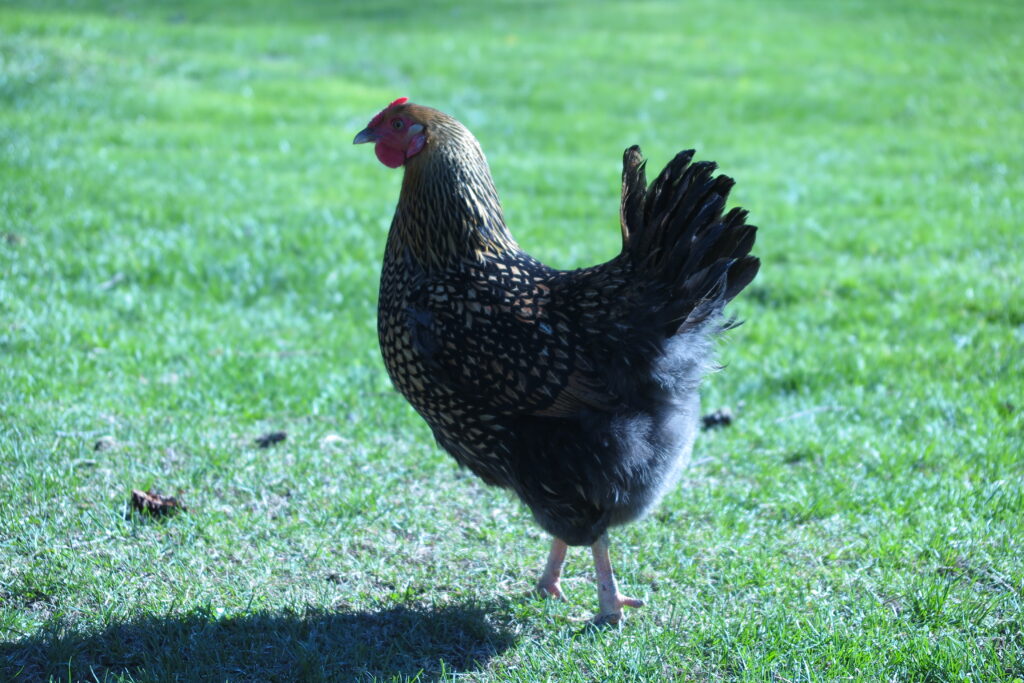
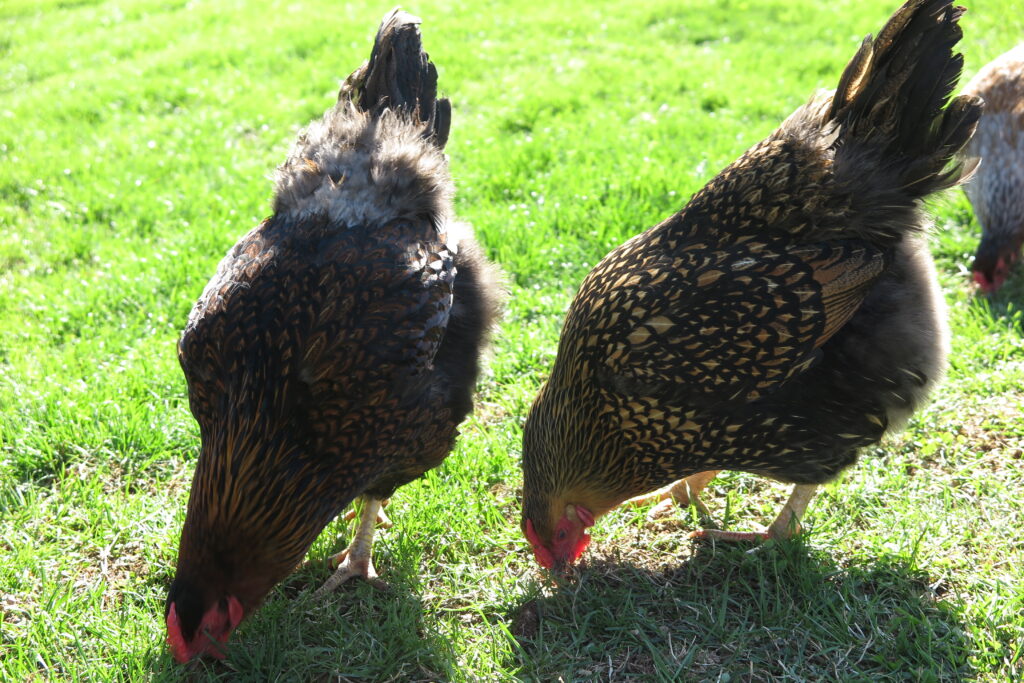
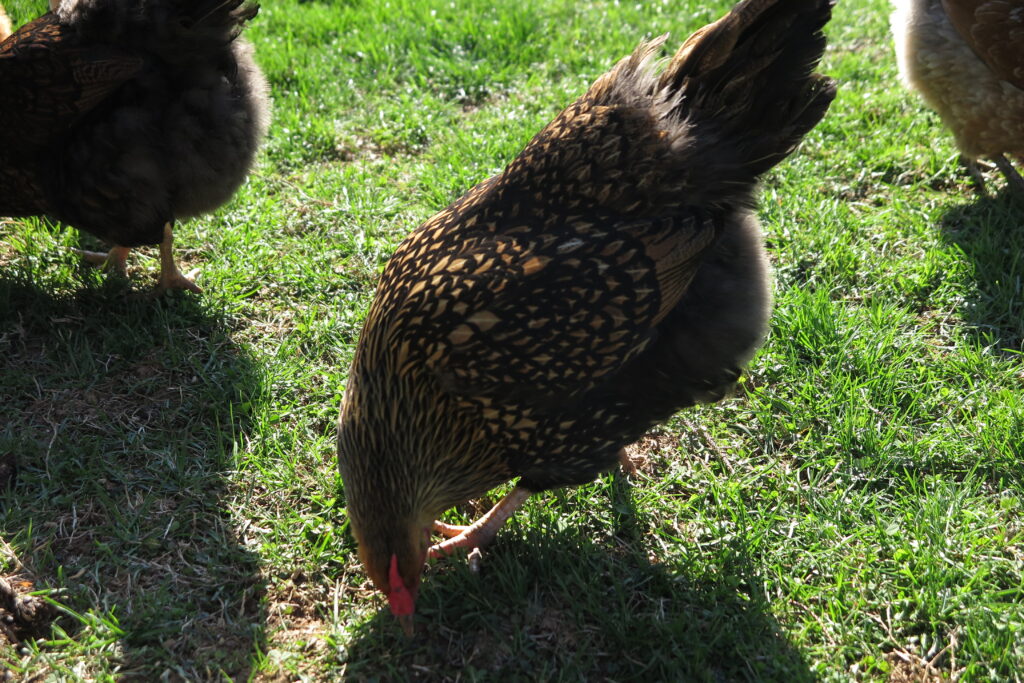
The Gold Laced Wyandotte was observed steadily scavenging for food while moving methodically through the area. It maintained moderate awareness of its surroundings, occasionally pausing to look around before continuing to forage. Throughout the observation, it remained close to a small group of other chickens, following and feeding alongside the flock rather than wandering alone.
Introduction to the Gold Laced Wyandotte Chicken
The Gold Laced Wyandotte is one of the most visually distinctive heritage chicken breeds in the world, recognized instantly by its intricate feather pattern and compact body shape. Developed in the United States during the late nineteenth century, the breed became popular among poultry keepers because of its attractive appearance and practical farm qualities. Today, Gold Laced Wyandottes are raised across North America, Europe, Australia, and many other regions where heritage poultry remains valued.
Unlike many domestic chicken breeds that are known primarily for productivity, the Gold Laced Wyandotte is frequently admired for its ornamental qualities. Its carefully outlined feather pattern gives each bird a unique appearance that resembles artwork more than livestock. This combination of beauty and utility has allowed the breed to remain a favorite among poultry enthusiasts for generations.
The breed can be found in a wide variety of agricultural settings, from small backyard coops to exhibition poultry collections. Gold Laced Wyandottes are especially common among people interested in preserving traditional chicken breeds and maintaining visually diverse flocks. Their popularity extends beyond farming, as many people are first drawn to the breed simply because of its remarkable feather coloration.
At first glance, a Gold Laced Wyandotte often appears almost decorative, with its golden feathers bordered by bold black edges. Whether standing in a grassy pasture or resting near a coop, the breed creates a striking visual contrast against natural surroundings. This unmistakable appearance has helped establish the Gold Laced Wyandotte as one of the most recognizable heritage chickens in the world.
Gold Laced Wyandotte Appearance and Physical Overview
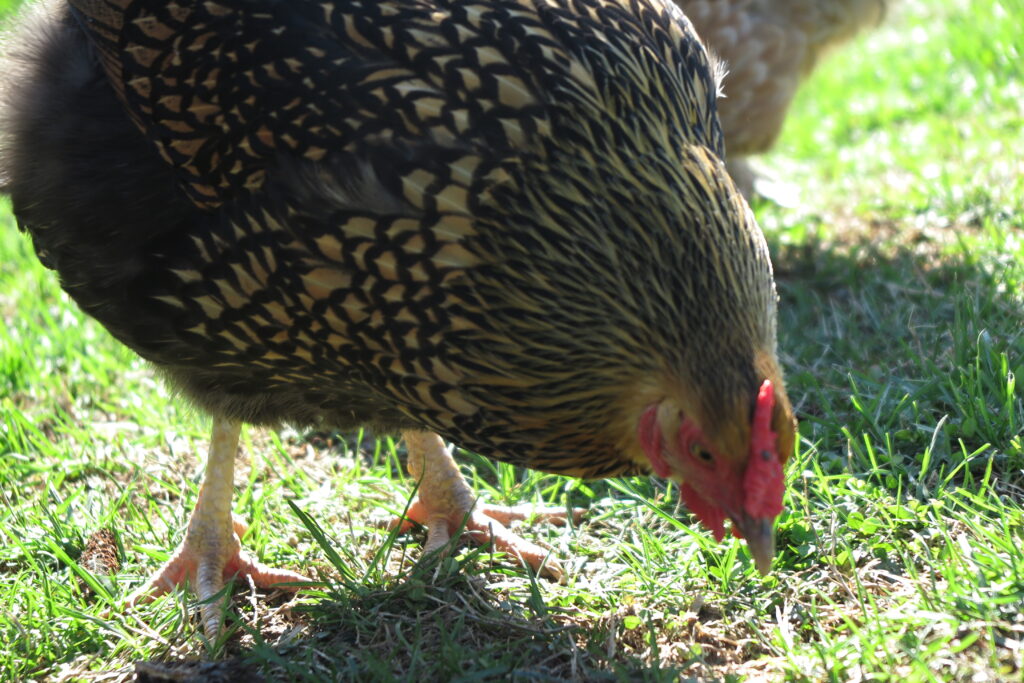
The most defining feature of the Gold Laced Wyandotte is its dramatic feather pattern. Each feather displays a rich golden center surrounded by a crisp black border, creating a layered appearance across the body. When viewed from a distance, the plumage resembles overlapping scales or an intricately designed mosaic.
Adult Gold Laced Wyandottes are medium-to-large chickens with a broad, rounded body shape. Hens typically weigh between six and seven pounds, while roosters often exceed eight pounds. Their size can be compared to a medium household cat, giving them a substantial presence without appearing oversized.
One of the breed’s most recognizable characteristics is its rose comb. Unlike the tall single combs found on many other chicken breeds, the rose comb sits low against the head and follows a smooth contour. This feature contributes to the breed’s distinctive profile and helps differentiate it from other patterned chickens.
The body is compact and balanced, with a wide chest and moderately short back. Dense feather coverage enhances the bird’s rounded appearance, creating a smooth outline from head to tail. This shape gives Gold Laced Wyandottes a sturdy and symmetrical look that many poultry breeders consider highly desirable.
Although the Gold Laced variety is the most famous, Wyandottes exist in numerous color forms. Silver Laced, Blue Laced Red, White, Black, Columbian, and Partridge varieties all belong to the broader Wyandotte breed family. Even so, the Gold Laced pattern remains the iconic image most people associate with the breed.
In natural light, the contrast between the golden feather centers and black edging becomes especially noticeable. Sunlight often enhances the warm gold tones, causing the birds to appear almost metallic. This visual effect helps explain why Gold Laced Wyandottes are frequently showcased in poultry exhibitions and photography.
Distinctive Characteristics of the Gold Laced Wyandotte Breed
One of the most remarkable characteristics of the Gold Laced Wyandotte is the precision of its feather pattern. Unlike chickens with random markings or irregular coloration, the lacing follows a consistent structure across much of the body. This level of pattern uniformity is one reason the breed is highly valued by exhibition breeders.
The rose comb is another defining feature that separates Wyandottes from many other domestic chickens. Broad and low-profile, it resembles a textured ridge rather than a tall upright structure. The comb’s shape creates a unique head silhouette that remains recognizable even at a distance.
Gold Laced Wyandottes also possess a notably broad frame. Their bodies appear wider and more compact than those of many lighter poultry breeds. Compared to slender Mediterranean chickens such as Leghorns, Wyandottes project a stronger and more substantial visual presence.
Their feather pattern is often compared to stained glass windows or decorative armor. Each feather contributes to the overall design, creating a visual effect that becomes more impressive as the bird matures. Few chicken breeds display such an intricate and organized arrangement of colors.
The breed’s coloration also changes subtly depending on lighting conditions. During overcast weather, the black lacing may appear especially bold, while bright sunlight often enhances the richness of the golden feather centers. This dynamic appearance makes Gold Laced Wyandottes visually engaging from multiple viewing angles.
Another unique aspect of the breed is how evenly the feather pattern extends across the body. The lacing is visible on the back, sides, breast, and wings, creating a cohesive appearance rather than isolated patches of color. This consistency has become one of the defining standards used to evaluate high-quality Gold Laced Wyandottes.
Gold Laced Wyandotte Role in Agricultural Ecosystems
Although often admired for their appearance, Gold Laced Wyandottes play an important role within agricultural systems. Like other domestic chickens, they contribute to food production, heritage breed preservation, and small-scale farming operations. Their continued popularity helps maintain valuable poultry genetics that might otherwise decline.
Within agricultural environments, heritage breeds such as the Gold Laced Wyandotte support biodiversity among domestic livestock populations. Modern poultry production frequently relies on a limited number of highly specialized strains, making heritage breeds increasingly important for preserving genetic variation. Maintaining diverse poultry lines strengthens long-term agricultural resilience.
The breed also contributes to educational programs and agricultural exhibitions. Poultry shows often feature Gold Laced Wyandottes because their feather patterns provide excellent examples of selective breeding and breed standard development. Visitors frequently learn about poultry genetics and livestock conservation through exposure to visually distinctive breeds like this one.
Gold Laced Wyandottes serve as ambassadors for heritage poultry conservation. Their striking appearance attracts attention from people who may have little prior interest in traditional farming or livestock preservation. Once introduced to the breed, many enthusiasts become interested in broader conservation efforts involving domestic poultry.
In small farming systems, chickens contribute to nutrient cycling and organic matter distribution through their daily presence. Although their ecological role is shaped by human management, they remain part of a broader agricultural ecosystem that includes soil health, vegetation growth, and sustainable livestock practices. Their presence helps connect traditional farming methods with modern conservation goals.
More than a century after their development, Gold Laced Wyandottes continue to hold an important place within the poultry world. Their combination of visual beauty, historical significance, and agricultural value ensures that they remain one of the most respected and recognizable heritage chicken breeds still raised today.
Observation Location
Observed in York County, Pennsylvania, USA
Popular Searches About Gold Laced Wyandotte
Explore Gold Laced Wyandotte Guide
Explore More Domestic Animals

Support Encounters World
Help support wildlife photography and get behind the scenes discoveries on Patreon.