
Gold Laced Wyandotte Diet Guide: Feeding Habits, Natural Foods, and Foraging Behavior
Quick Facts
Diet Type: Omnivore
Main Food Sources: Seeds, grains, insects, plants, and small invertebrates
Feeding Time: Primarily active during daylight hours
Foraging Method: Ground scratching, pecking, and visual food detection
Seasonal Diet Changes: Greater insect and plant consumption during warmer months
Predatory Adaptations: Sharp vision and rapid pecking accuracy
Introduction to the Gold Laced Wyandotte Diet
The Gold Laced Wyandotte is a heritage chicken breed known for its striking feather pattern and adaptable feeding habits. Found in backyard flocks, farms, and homesteads throughout much of the world, this breed spends a significant portion of its day searching for food and investigating its surroundings. Feeding activity forms an important part of its daily routine and contributes to its success in a wide range of agricultural environments.
Originally developed in the United States, the Gold Laced Wyandotte was bred as a practical farm bird capable of thriving under varying conditions. Its ability to utilize multiple food sources has helped it remain popular among poultry keepers for generations. Unlike animals that rely on a narrow range of foods, this breed benefits from a flexible feeding strategy that supports survival across many regions.
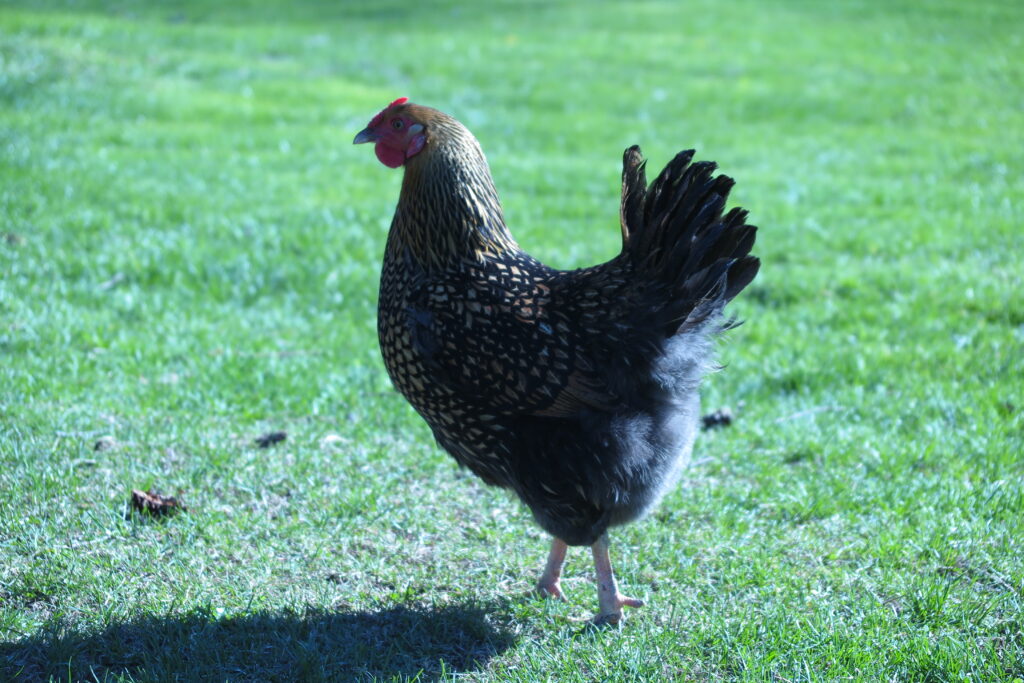
Observing a Gold Laced Wyandotte often reveals a bird constantly engaged with the ground beneath it. Whether moving through open pasture or exploring a farmyard, it frequently pauses to inspect objects and surfaces for potential food opportunities. This steady attention to feeding opportunities reflects instincts shared by domestic chickens worldwide.
Across its global distribution, the breed encounters different agricultural systems and environmental conditions. Despite these differences, Gold Laced Wyandottes consistently demonstrate the ability to take advantage of available food resources. Their dietary versatility remains one of the key factors contributing to their widespread success as a heritage poultry breed.
Gold Laced Wyandotte Diet Overview and Feeding Adaptability
Gold Laced Wyandottes are omnivores, meaning they consume both plant-based and animal-based food sources. This dietary flexibility allows them to thrive in a variety of settings where food availability may change throughout the year. Rather than specializing in a single food category, they take advantage of numerous feeding opportunities whenever they arise.
One of the breed’s greatest strengths is its ability to adapt to changing food conditions. In agricultural environments, food resources can vary considerably depending on season, weather, and management practices. Gold Laced Wyandottes are capable of adjusting their feeding patterns to match these changing circumstances without relying heavily on any one resource.
Compared to highly specialized birds that depend on a limited range of foods, Gold Laced Wyandottes display remarkable versatility. Their feeding habits can be compared to those of a generalist wildlife species that succeeds by utilizing whatever resources are most readily available. This flexibility provides an important advantage in both traditional farm settings and backyard flocks.
The breed generally maintains a consistent feeding routine throughout the year. Although specific food sources may change, the overall dietary strategy remains stable. This consistency helps support healthy growth, body condition, and long-term productivity across different environments.
Geographic location can influence the precise composition of the diet. Birds raised in northern regions may encounter different natural food resources than those living in warmer climates. Even so, Gold Laced Wyandottes typically adapt without difficulty because their feeding habits are not tied to a single resource type.
This broad dietary approach contributes significantly to the breed’s reputation as a dependable and resilient chicken. By remaining flexible and opportunistic, Gold Laced Wyandottes can continue meeting their nutritional needs under a wide variety of conditions. Their adaptability is one of the defining features of their overall feeding ecology.
Natural Food Sources Consumed by Gold Laced Wyandottes
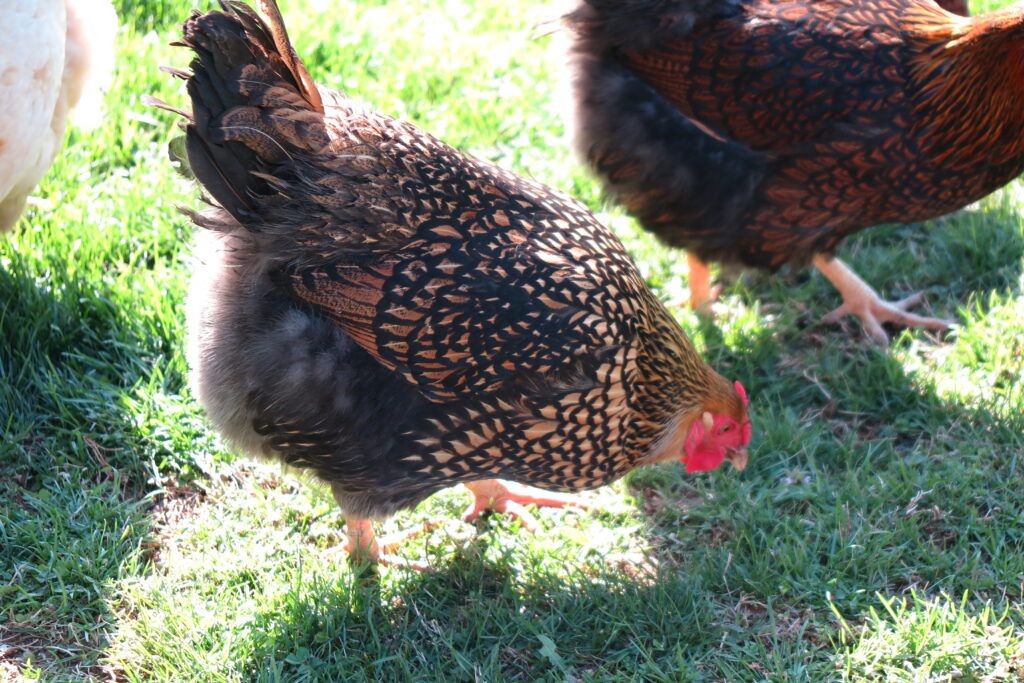
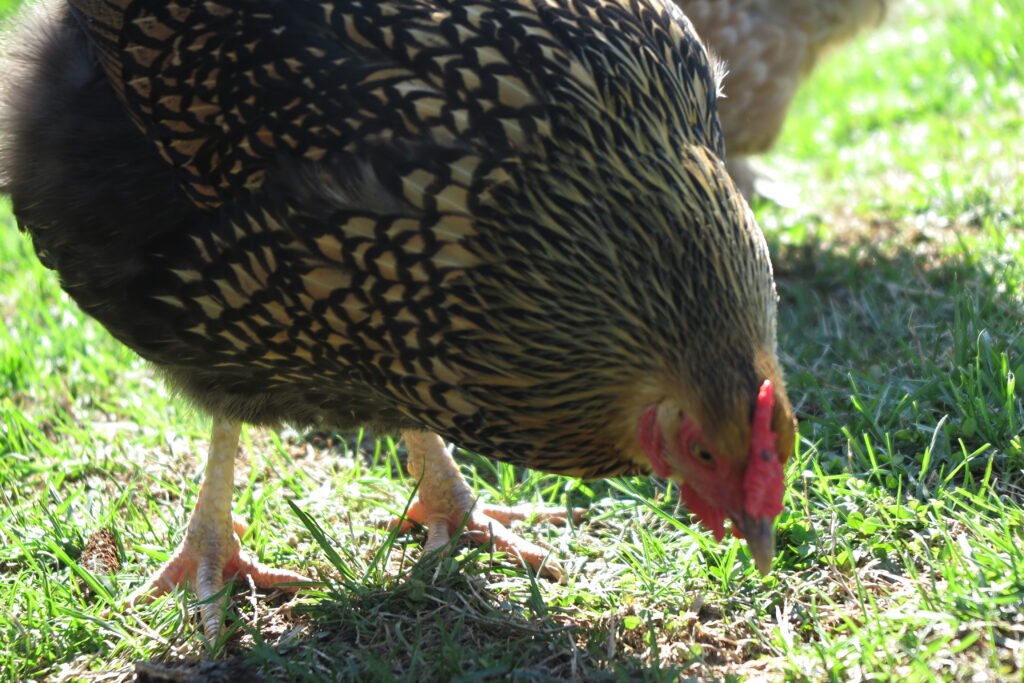
Gold Laced Wyandottes consume a diverse range of natural food items when given access to outdoor environments. Seeds and grains represent some of the most common components of their diet, providing concentrated sources of energy. These foods are frequently encountered in agricultural landscapes where plant material is readily available.
Insects are another important dietary resource. Beetles, grasshoppers, ants, larvae, and various other invertebrates are commonly consumed when encountered. These protein-rich foods contribute to growth, feather maintenance, and overall physical condition while adding valuable nutritional diversity to the diet.
Plant material also plays a significant role in natural feeding habits. Gold Laced Wyandottes often consume tender shoots, grasses, leaves, and other vegetation encountered during daily activity. Young plant growth is particularly attractive because of its softer texture and nutritional value.
Small invertebrates such as worms and snails are frequently included when available. Earthworms are especially important because they provide both moisture and nutrients. After rainfall, softened soil often increases access to these food sources, creating valuable feeding opportunities.
Diet composition can vary depending on life stage. Young birds typically require higher levels of protein to support rapid growth and feather development. Adult birds maintain a broader feeding pattern that incorporates a wider range of food sources throughout the year.
One common example of natural feeding involves a Gold Laced Wyandotte moving slowly through grassy ground while consuming a combination of seeds, insects, and plant material encountered along the way. This ability to combine multiple food sources into a balanced diet helps explain the breed’s long-term success across many agricultural environments.
Gold Laced Wyandotte Feeding Behavior and Survival Strategies
Gold Laced Wyandottes rely heavily on visual observation when locating food. Their eyes continuously scan the ground for movement, color differences, and potential feeding opportunities. Even small changes in the surrounding environment can attract immediate attention and trigger investigation.
Ground scratching is one of the breed’s most recognizable feeding behaviors. Using their feet, birds pull soil and debris backward before examining the exposed surface. This action reveals hidden food items that would otherwise remain inaccessible beneath leaves, loose dirt, or vegetation.
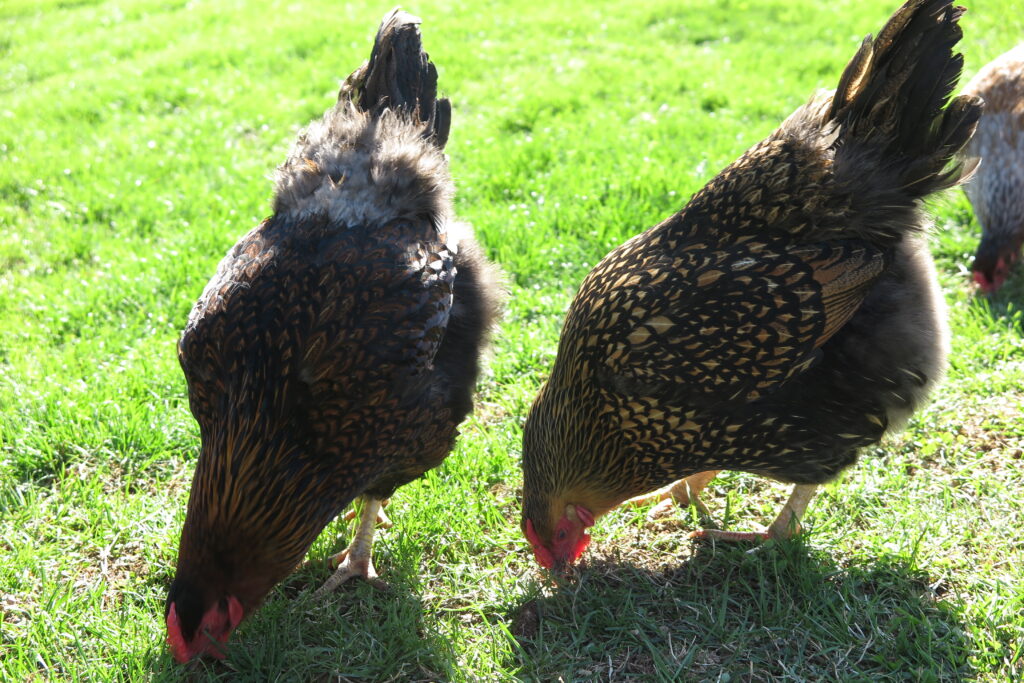
Their feeding style is methodical rather than frantic. A Gold Laced Wyandotte typically progresses through an area in a steady pattern, stopping frequently to inspect promising locations. This approach can be compared to a careful treasure hunt, where each step presents the possibility of uncovering a valuable resource.
Competition occasionally occurs within flock environments, particularly when food sources become concentrated in one area. Even so, Gold Laced Wyandottes often rely more on persistence than aggression. Birds frequently continue searching independently rather than engaging in prolonged disputes over resources.
When food availability decreases, the breed demonstrates impressive adaptability. Individuals may spend more time investigating potential feeding areas or expand the range of locations they examine. This flexibility helps maintain nutritional intake even when preferred resources become less abundant.
A particularly effective survival strategy occurs after rainstorms. Moist soil often brings worms and other invertebrates closer to the surface, creating temporary feeding opportunities. Gold Laced Wyandottes quickly take advantage of these conditions, demonstrating how opportunistic feeding behavior contributes to long-term survival and success.
Popular Searches About Gold Laced Wyandotte
Explore Gold Laced Wyandotte Guide
Explore More Domestic Animals

Support Encounters World
Help support wildlife photography and get behind the scenes discoveries on Patreon.