
Rhode Island Red Chicken Overview: Appearance, Characteristics, and Breed Profile
Quick Facts
Scientific Name: Gallus gallus domesticus
Common Name: Rhode Island Red
Location: Farms, homesteads, and backyard flocks
Average Size: 6.5–8.5 pounds (3–3.9 kg)
Lifespan: 5–8 years
Global Range: Worldwide domestic populations
Conservation Status: Domestic Breed
Notable Feature: Deep mahogany-red plumage and strong egg-laying ability
Location Observed: Pennsylvania, USA
Field Observation
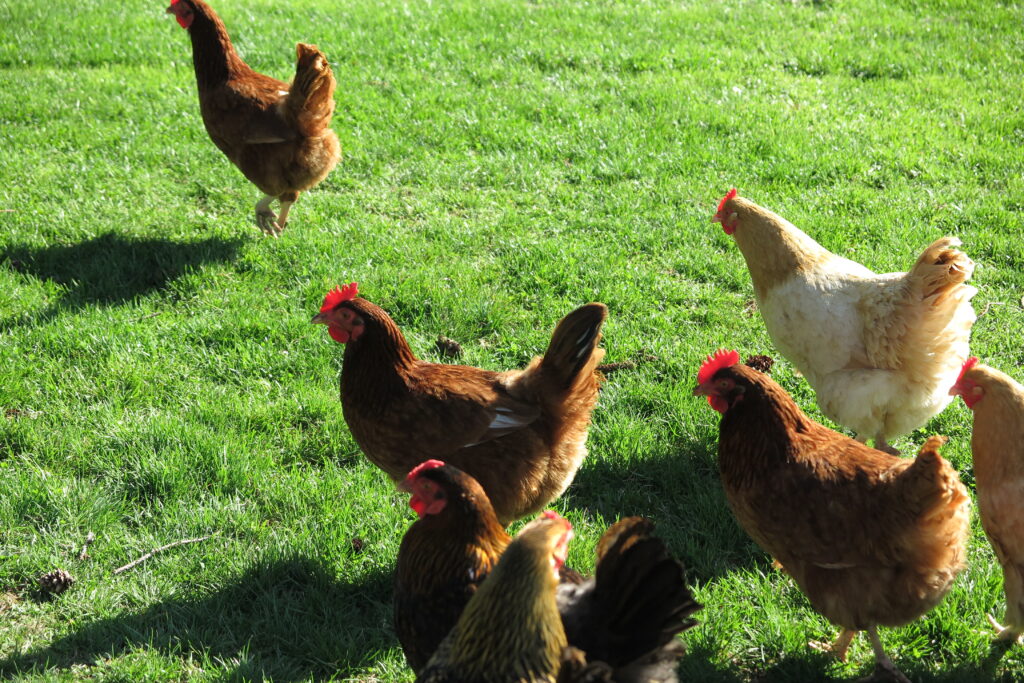
The Rhode Island Reds spent much of their time actively scavenging for food while remaining close to the rest of the flock. Several individuals appeared to take the lead when moving between feeding areas, with others following closely behind. Throughout the observation, the birds remained moderately alert, frequently pausing to scan their surroundings before continuing their search.
Introduction to the Rhode Island Red Chicken Breed
The Rhode Island Red is one of the most famous domestic chicken breeds in the world. Developed in the United States during the late nineteenth century, this breed quickly gained popularity for its combination of productivity, durability, and attractive appearance. Today, Rhode Island Reds are commonly kept by both commercial poultry producers and backyard chicken enthusiasts.
Unlike many heritage breeds that remain concentrated in specific regions, Rhode Island Reds have spread across nearly every continent where chickens are raised. Their popularity extends throughout North America, Europe, Australia, Asia, and many other areas. This worldwide presence has made them one of the most influential poultry breeds ever developed.
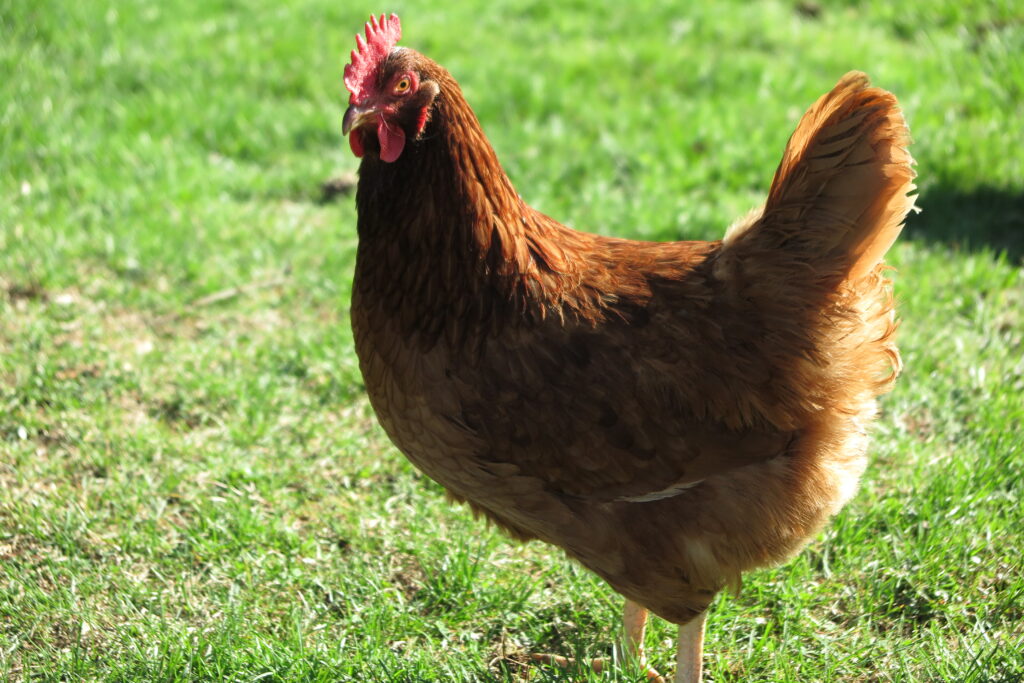
At first glance, the Rhode Island Red is immediately recognizable because of its rich reddish-brown plumage. Sunlight often reveals shades of copper, mahogany, and chestnut within the feathers, creating a striking appearance. The breed’s bold coloration helps distinguish it from many lighter-colored domestic chickens.
Over the decades, Rhode Island Reds have become a symbol of traditional poultry farming. Their balanced appearance, dependable nature, and widespread distribution have secured their place among the most recognizable chickens in the world. Whether seen on a small homestead or a larger agricultural property, they remain a familiar sight in many rural landscapes.
Rhode Island Red Appearance and Physical Features
The Rhode Island Red possesses a sturdy, medium-to-large body designed for both productivity and durability. Mature birds have a broad chest, strong legs, and a balanced frame that gives them a powerful appearance. Their solid build immediately separates them from lighter egg-laying breeds.
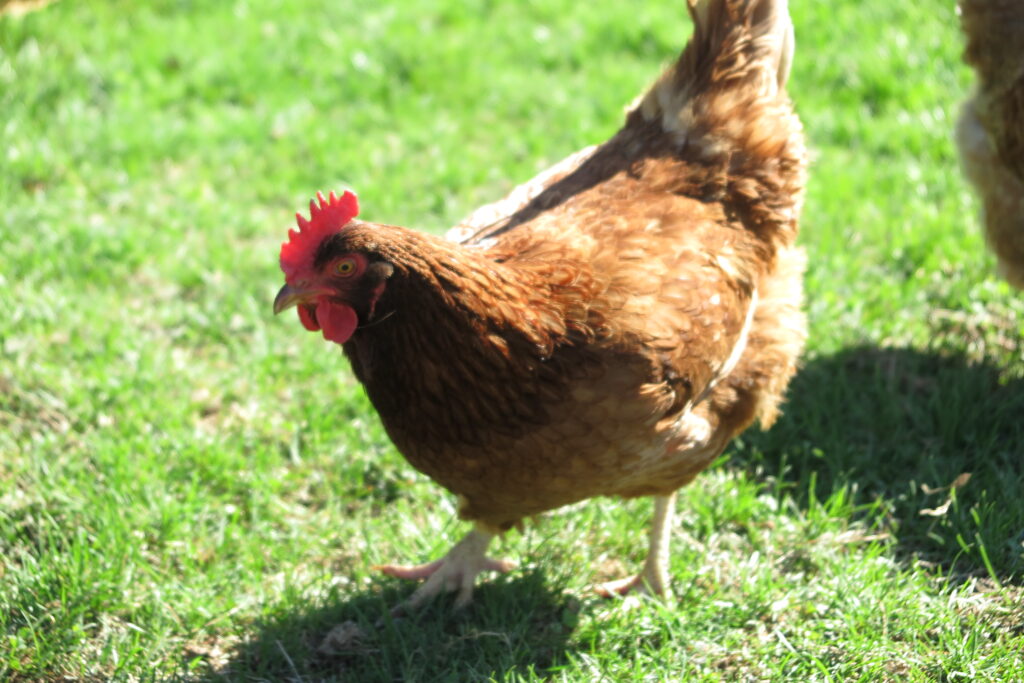
The plumage is the breed’s most recognizable feature. Although commonly described as red, the feathers often display deep mahogany, reddish-brown, and chestnut tones. Some birds may show darker feathering around the tail, creating an attractive contrast that adds depth to their overall appearance.
In terms of size, an adult Rhode Island Red is roughly comparable to a small household cat when standing upright. Their broad body and muscular frame make them appear larger than many lightweight poultry breeds. Even from a distance, their silhouette appears compact and substantial.
The head features a bright red single comb accompanied by matching wattles. These vivid red features stand out sharply against the darker body plumage. Yellow legs and a yellow beak further enhance the breed’s distinctive appearance, creating the classic look many people associate with farm chickens.
Rhode Island Reds maintain a remarkably consistent appearance throughout their worldwide range. Whether raised in colder northern climates or warmer agricultural regions, the breed retains its recognizable body shape and coloration. This consistency has helped establish Rhode Island Reds as one of the most iconic domestic chicken breeds in existence.
Distinctive Rhode Island Red Characteristics and Identification Traits
Several characteristics make Rhode Island Reds easy to identify among other domestic chickens. Their rich feather coloration immediately attracts attention, but their overall body structure is equally distinctive. Together, these traits create a bird that appears both practical and visually appealing.
One of the breed’s defining features is its dense feather coverage. The feathers lie smoothly against the body while still creating a full and substantial appearance. This gives the bird a polished look that reflects generations of selective breeding.
Compared to breeds such as the White Leghorn, Rhode Island Reds appear heavier and more robust. A Leghorn often resembles a streamlined athlete built for speed, while a Rhode Island Red resembles a sturdy workhorse designed for versatility. This difference becomes obvious when the breeds are viewed side by side.
The upright single comb serves as another key identifying feature. Bright red and neatly shaped, the comb creates a noticeable focal point on the bird’s head. Combined with equally vibrant wattles, it contributes significantly to the breed’s distinctive profile.
Strong yellow legs further enhance the Rhode Island Red’s recognizable appearance. These legs appear thicker and more powerful than those of many lighter poultry breeds. Their sturdy stance complements the bird’s broad body and confident posture.
Perhaps the most remarkable aspect of the Rhode Island Red is how effectively it balances beauty and utility. Many breeds are developed primarily for appearance or production, but Rhode Island Reds successfully combine both qualities. This unique balance has played a major role in their enduring popularity.
The Rhode Island Red's Role in Agricultural Ecosystems
Although Rhode Island Reds are domestic animals, they play an important role within agricultural ecosystems around the world. Their presence supports food production systems, small farms, and backyard poultry operations. As a result, their influence extends beyond the individual birds themselves.
Within farming environments, Rhode Island Reds contribute to diversified agricultural systems. Chickens are often raised alongside gardens, orchards, and other livestock, creating interconnected farming operations. These systems benefit from the presence of multiple species working within the same environment.
Rhode Island Reds also occupy a position within broader food webs associated with rural landscapes. Domestic chickens may become prey for predators such as foxes, hawks, coyotes, and other wildlife in certain areas. Their presence therefore connects agricultural spaces with surrounding natural ecosystems.
Another important contribution involves nutrient cycling. Poultry operations generate organic material that can be incorporated into agricultural soils, helping return nutrients to the land. This process supports plant growth and contributes to the productivity of managed farming environments.
Backyard chicken keeping has increased in popularity over recent years, bringing Rhode Island Reds into suburban and semi-rural communities. These birds often help people develop a stronger understanding of food production, animal care, and sustainable living practices. Many families gain valuable agricultural experience through keeping chickens.
The influence of Rhode Island Reds extends even further through poultry breeding programs. Their genetics have contributed to the development of numerous modern production lines and hybrid breeds. As a result, the legacy of the Rhode Island Red continues to shape poultry populations around the world, making it one of the most significant domestic chicken breeds ever created.
Observation Location
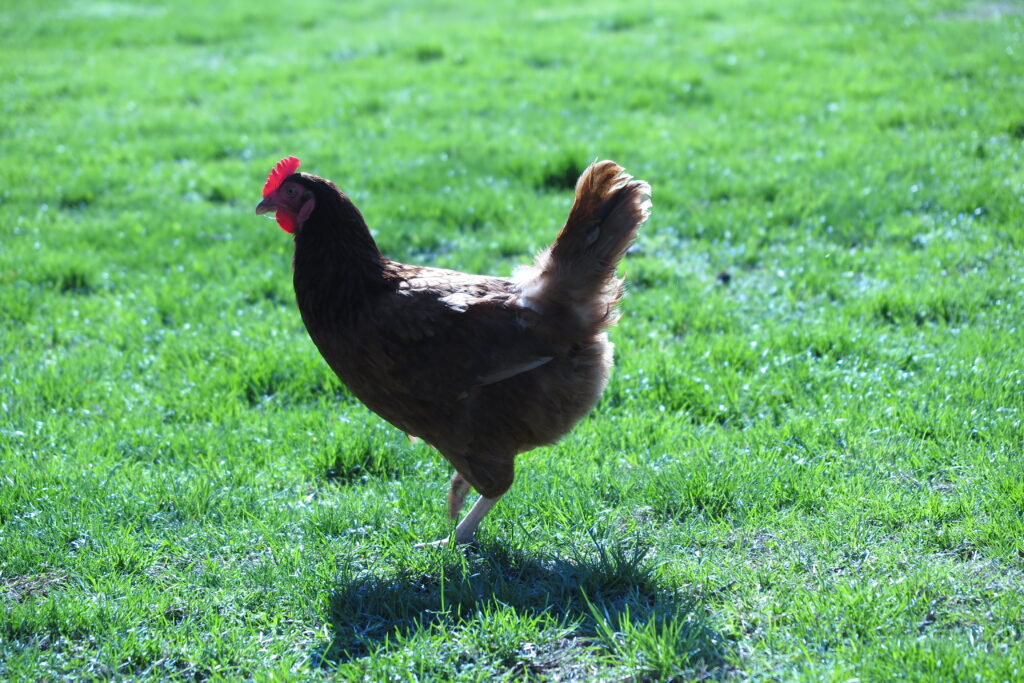
Observed in York County, Pennsylvania, USA
Popular Searches About Rhode Island Reds
Explore Rhode Island Red Guide
Explore More Domestic Animals

Support Encounters World
Help support wildlife photography and get behind the scenes discoveries on Patreon.