
Rhode Island Red Habitat Guide: Range, Living Environment, and Climate Adaptations
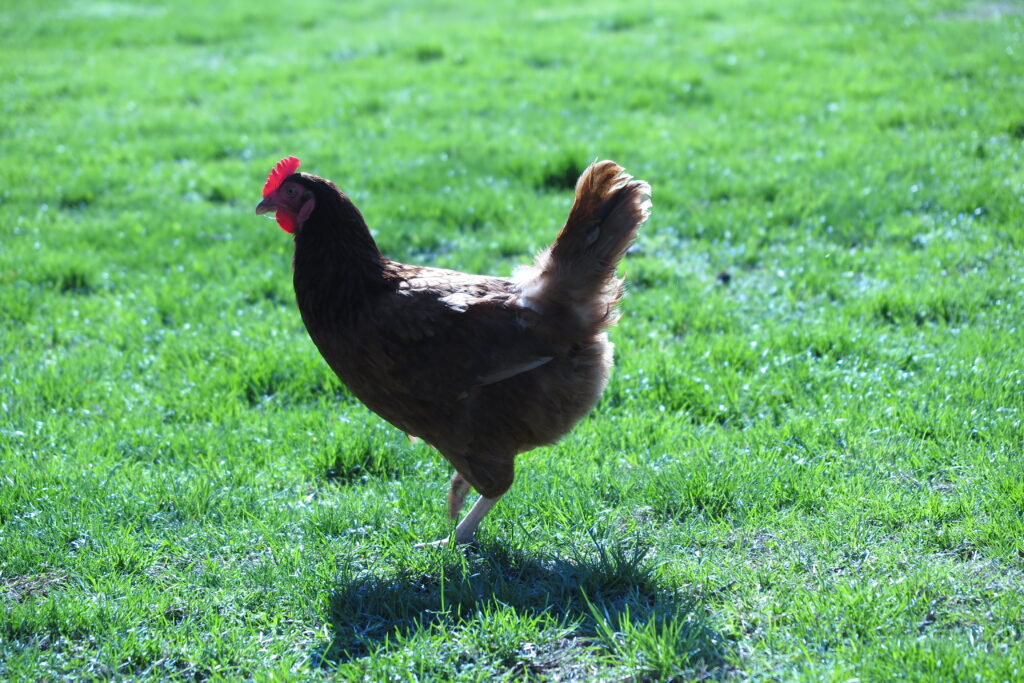
Quick Facts
Primary Habitat: Farms, Homesteads, and Agricultural Landscapes
Secondary Habitat: Backyard Flocks and Rural Properties
Climate Preference: Temperate to Mildly Warm Climates
Environment Type: Open Managed Landscapes and Human-Modified Areas
Elevation / Depth Range: Sea Level to Over 6,000 Feet (1,830 m) in Domestic Settings
Geographic Distribution: Worldwide Domestic Populations
Introduction to Rhode Island Red Habitat and Distribution
The Rhode Island Red is one of the most widespread domestic chicken breeds in the world, found across a remarkable range of countries and agricultural systems. Originally developed in the United States, the breed has expanded far beyond its place of origin and now exists on nearly every continent where poultry are raised. Its global distribution reflects both its popularity and its ability to thrive under varied environmental conditions.
From small family homesteads to large agricultural operations, Rhode Island Reds occupy a wide variety of human-managed landscapes. Their presence can be observed in rural communities, suburban backyard flocks, and commercial farming regions. Unlike wildlife species restricted to a particular geographic region, this breed follows human settlement patterns and agricultural development.
Across much of its range, the Rhode Island Red has become a familiar sight in farming communities. The breed’s adaptability has allowed it to establish itself in locations with very different climates and landscapes. As a result, Rhode Island Reds are often considered one of the most universally distributed chicken breeds in the modern world.
Whether found in North America, Europe, Australia, Asia, or other regions, Rhode Island Reds share a strong connection to managed environments created by people. Their widespread success demonstrates how effectively the breed has adapted to living alongside human populations while remaining productive in a broad range of settings.
Rhode Island Red Habitat Overview Across Its Global Range
The Rhode Island Red occupies a broader range of environments than many domestic poultry breeds. Rather than being associated with only one type of agricultural system, it can be found in numerous settings that support poultry management. This flexibility has contributed significantly to its worldwide popularity.
Across its distribution, the breed is commonly associated with open landscapes that provide space for movement and daily activity. Agricultural properties, mixed-use farmland, and rural residential areas all support Rhode Island Red populations. These environments vary considerably from region to region, yet the breed continues to perform well within them.
Compared to some specialty chicken breeds that require carefully managed conditions, Rhode Island Reds demonstrate impressive environmental versatility. They are often considered more adaptable than ornamental breeds that have been developed primarily for appearance rather than practical farm use. This adaptability has helped them become a preferred choice for both experienced poultry keepers and beginners.
The breed is not limited to any single geographic zone. Rhode Island Reds are successfully raised in coastal regions, inland farming communities, mountainous areas, and lowland agricultural landscapes. Their broad distribution highlights their ability to integrate into diverse farming systems around the world.
Another notable characteristic is their success in both small-scale and large-scale operations. A flock may consist of only a handful of birds on a backyard property or thousands of individuals on a commercial farm. Regardless of scale, the breed continues to occupy environments shaped by human agricultural activity.
Because Rhode Island Reds are domestic animals, their habitat range is largely determined by where people choose to raise them. This has allowed the breed to achieve a distribution that far exceeds that of most naturally occurring bird species. Few domestic chicken breeds can match the global reach of the Rhode Island Red.
Habitat Types Used by Rhode Island Red Chickens
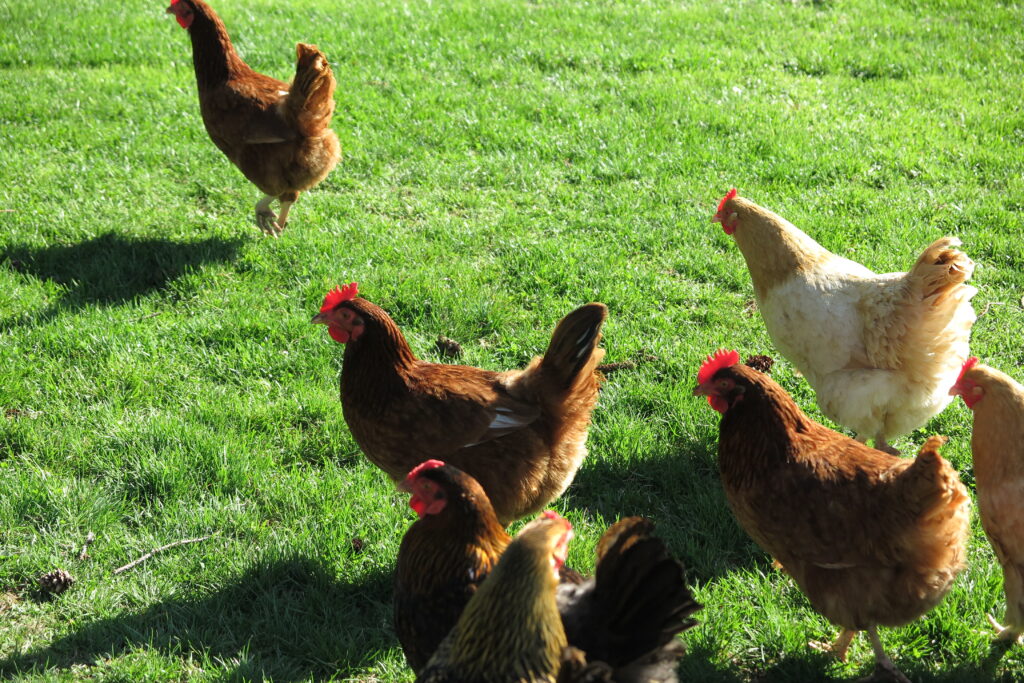
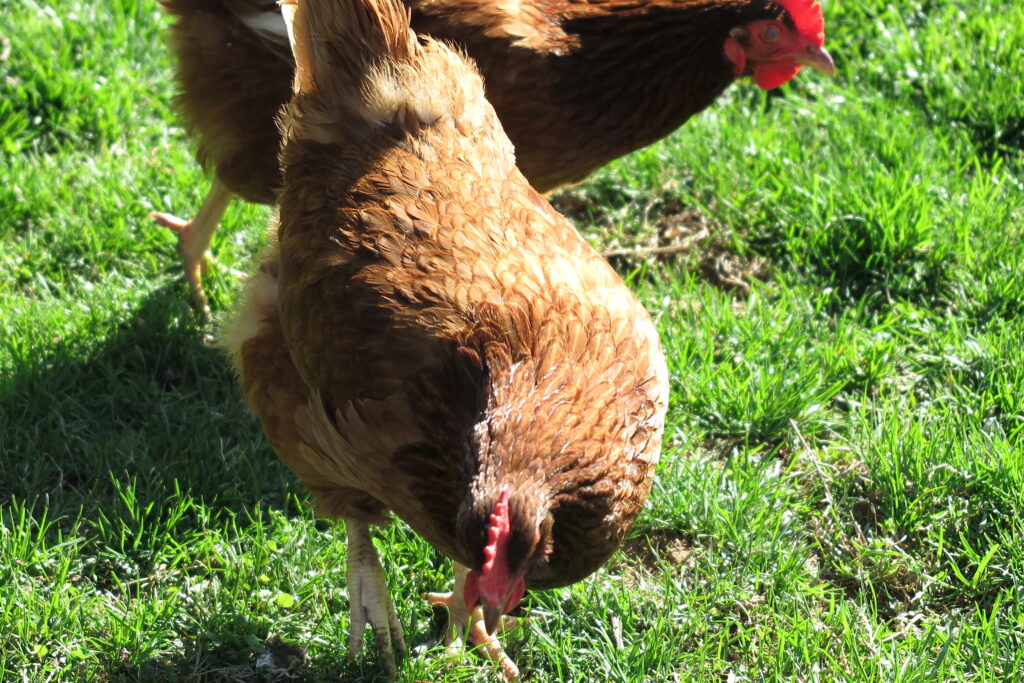
Agricultural farmland represents the most common habitat type occupied by Rhode Island Reds. These areas often combine open ground, managed vegetation, farm structures, and livestock facilities. The mix of space and resources found within agricultural landscapes makes them particularly suitable for maintaining healthy flocks.
Backyard poultry environments have also become an important habitat category for the breed. In many suburban and semi-rural communities, Rhode Island Reds are kept in enclosed runs, coops, and fenced outdoor areas. These smaller settings provide many of the same environmental features found on traditional farms while accommodating residential property sizes.
Homesteads and self-sufficient rural properties frequently support Rhode Island Red populations as well. Such locations often blend gardens, orchards, and livestock areas into a single landscape. This creates a diverse environment where chickens can exist alongside multiple agricultural activities.
The breed is also found in educational farms, agricultural demonstration centers, and historical living museums. These settings often use Rhode Island Reds to showcase traditional poultry management practices. Their recognizable appearance and heritage status make them popular choices for public agricultural displays.
Within larger farming operations, Rhode Island Reds may occupy a variety of managed spaces. Some flocks spend considerable time in open pasture systems, while others are maintained in more structured poultry facilities. The breed’s flexibility allows it to adapt to both approaches.
Edge environments often provide especially favorable conditions. Areas where open ground meets vegetation, fencing, orchards, or agricultural structures create a varied landscape that supports poultry management. These transitional zones offer a combination of shelter, visibility, and accessibility that fits well within many farming systems.
Environmental Conditions Supporting Rhode Island Red Populations
Rhode Island Reds are capable of living in a wide range of climatic conditions, making them one of the most environmentally adaptable domestic chicken breeds. They are commonly raised in regions that experience hot summers, cold winters, and everything in between. This flexibility allows the breed to thrive across diverse agricultural regions.
Temperate climates often provide particularly favorable conditions. Areas with moderate seasonal variation support year-round poultry management while avoiding the most extreme environmental stresses. However, Rhode Island Reds have demonstrated the ability to tolerate conditions that extend well beyond these ideal circumstances.
The breed’s dense feather coverage offers protection during colder weather. Much like a heavy insulated jacket helps a person remain comfortable during winter, the bird’s plumage provides an effective barrier against lower temperatures. This characteristic has contributed to the breed’s success in northern regions where winters can be severe.
Warm conditions are also tolerated when adequate shade, ventilation, and water are available. In hotter climates, environmental management becomes important for maintaining comfort and productivity. Properly designed poultry facilities help reduce heat-related stress during summer months.
Terrain varies considerably throughout the breed’s global range. Rhode Island Reds can be found on relatively flat farmland, rolling countryside, foothill regions, and elevated agricultural properties. Their domestic nature allows them to adapt to many landscapes as long as basic husbandry requirements are met.
Seasonal changes influence the appearance of the environments they occupy, but the breed remains present throughout the year. Fields may transition from lush green vegetation during growing seasons to snow-covered landscapes in winter. Despite these changes, Rhode Island Reds continue to demonstrate the environmental resilience that has made them one of the world’s most successful domestic chicken breeds.
Popular Searches About Rhode Island Reds
Explore Rhode Island Red Guide
Explore More Domestic Animals

Support Encounters World
Help support wildlife photography and get behind the scenes discoveries on Patreon.