
Rhode Island Red Diet Guide: Feeding Habits, Natural Food Sources, and Foraging Behavior
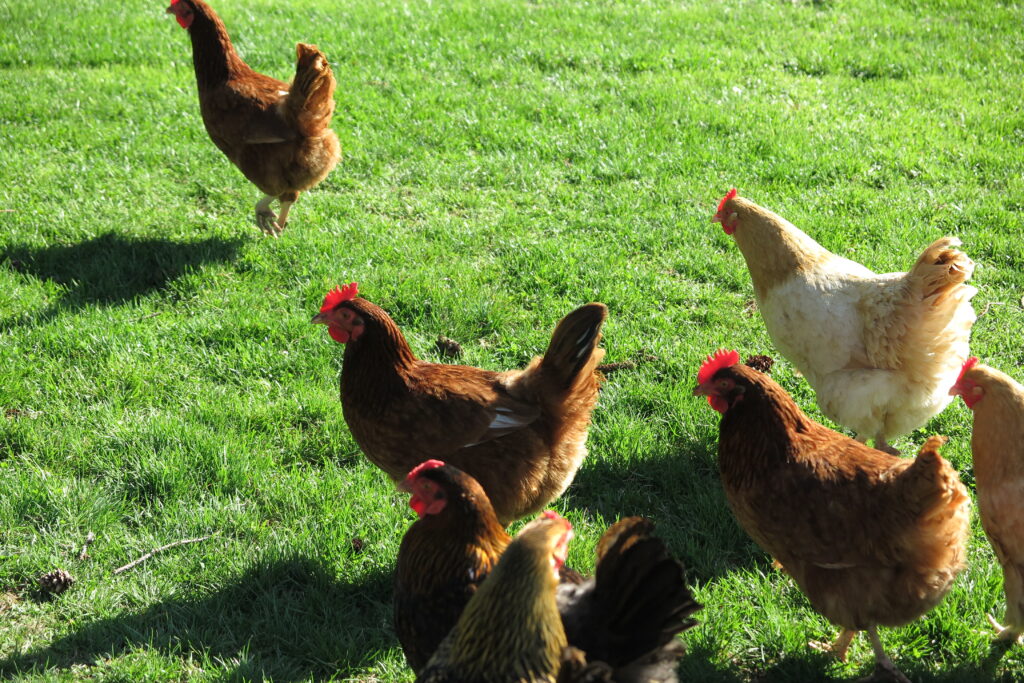
Quick Facts
Diet Type: Omnivore
Main Food Sources: Seeds, grains, insects, vegetation, and small invertebrates
Feeding Time: Primarily Daytime
Foraging Method: Ground Scratching and Pecking
Seasonal Diet Changes: Varies with food availability and seasonal conditions
Predatory Adaptations: Sharp vision, quick pecking accuracy, and active food searching
Introduction to the Rhode Island Red Diet
The Rhode Island Red is one of the most widely distributed domestic chicken breeds in the world, found on farms, homesteads, and backyard properties across numerous countries. Throughout its global range, the breed has developed a reputation for being an effective and resourceful feeder. Whether raised in a small flock or a larger agricultural setting, Rhode Island Reds spend a significant portion of their day focused on locating and consuming food.
Food plays a central role in the daily routine of these birds. Observers often notice Rhode Island Reds actively exploring their surroundings, investigating the ground, and inspecting potential feeding opportunities. Their constant interest in available food sources reflects an adaptable feeding strategy that has contributed to the breed’s long-term success.
Unlike highly specialized animals that depend on only a narrow range of food items, Rhode Island Reds are capable of utilizing many different food resources. This flexibility allows them to thrive in a variety of agricultural environments around the world. Their ability to take advantage of changing food conditions has made them particularly valuable in traditional farming systems.
From managed poultry feed to naturally occurring food sources found outdoors, Rhode Island Reds demonstrate impressive dietary versatility. Their feeding habits combine instinctive foraging behaviors with the ability to benefit from resources provided by humans. This balance helps explain why the breed remains one of the most popular domestic chickens worldwide.
Rhode Island Red Feeding Habits and Dietary Adaptability
Rhode Island Reds are classified as omnivores, meaning they consume both plant-based and animal-based food sources. This broad dietary category allows them to take advantage of many different feeding opportunities throughout the year. Rather than depending on a single food type, they utilize a wide variety of available resources.
One of the most important characteristics of the breed’s diet is its flexibility. Rhode Island Reds can successfully adapt their feeding habits based on local conditions and available resources. A flock raised in one region may consume somewhat different foods than a flock raised elsewhere, yet both can remain healthy and productive.
Compared to more specialized animals that depend heavily on specific food sources, Rhode Island Reds are highly adaptable feeders. Their feeding strategy resembles that of many successful generalist species, allowing them to take advantage of changing environmental conditions. This adaptability helps ensure a consistent food supply even when certain resources become less available.
The breed’s feeding tendencies remain relatively consistent across its global distribution. Birds typically spend much of their active time searching for food opportunities and investigating their surroundings. This ongoing interest in feeding contributes to their reputation as efficient foragers.
Dietary variety is an important part of their overall feeding strategy. Rather than focusing exclusively on one category of food, Rhode Island Reds regularly incorporate multiple food types into their daily intake. This broad approach helps provide access to a wide range of nutrients.
Their success as a domestic breed is partly tied to this dietary versatility. Rhode Island Reds are capable of thriving in environments where food resources fluctuate throughout the year. This flexibility has allowed the breed to become established in a remarkable variety of agricultural settings around the world.
Natural Food Sources Consumed by Rhode Island Reds
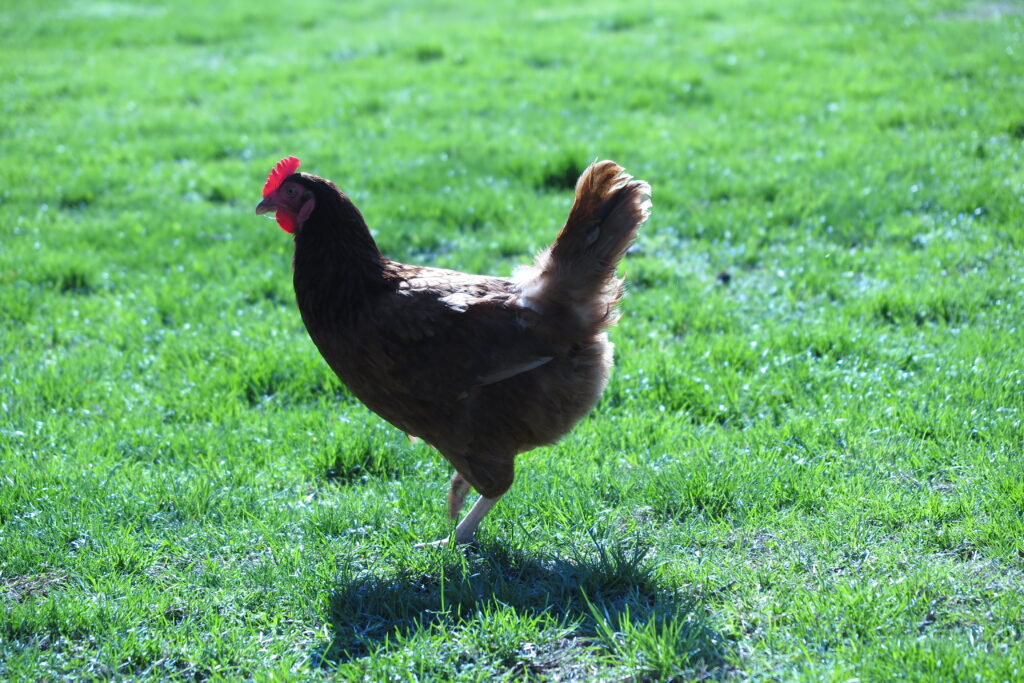
In outdoor environments, Rhode Island Reds consume a diverse assortment of naturally available foods. Seeds represent one of the most commonly utilized resources and are frequently collected while birds forage across open ground. Various grasses and other plants also contribute to their overall nutritional intake.
Insects play a particularly important role within the diet. Beetles, grasshoppers, ants, flies, and numerous other small insects are actively sought by foraging birds. These food sources provide valuable protein and other nutrients that support growth and maintenance.
Small invertebrates such as worms and larvae are also commonly consumed when available. Birds often locate these resources by scratching through loose soil, mulch, or leaf litter. A single productive area may provide numerous feeding opportunities throughout the day.
Vegetation contributes another important component of the natural diet. Rhode Island Reds frequently consume tender plant material, young shoots, and leafy growth. These foods provide additional nutrients while helping diversify overall food intake.
Food preferences can vary somewhat depending on age and life stage. Younger birds often require higher levels of protein to support growth and development, while mature individuals utilize a broader range of food resources. Seasonal conditions may also influence which natural foods are most abundant at a given time.
A common example of natural feeding occurs when a Rhode Island Red discovers a patch of insect-rich soil. The bird may repeatedly search the area, collecting multiple prey items before moving elsewhere. Such concentrated feeding opportunities can provide significant nutritional value and demonstrate the effectiveness of the breed’s foraging instincts.
Rhode Island Red Foraging Behavior and Food-Finding Strategies
Rhode Island Reds rely heavily on active foraging to locate food. Rather than waiting passively for feeding opportunities, they continuously explore their surroundings while searching for potential resources. This behavior occupies a substantial portion of their daily activity.
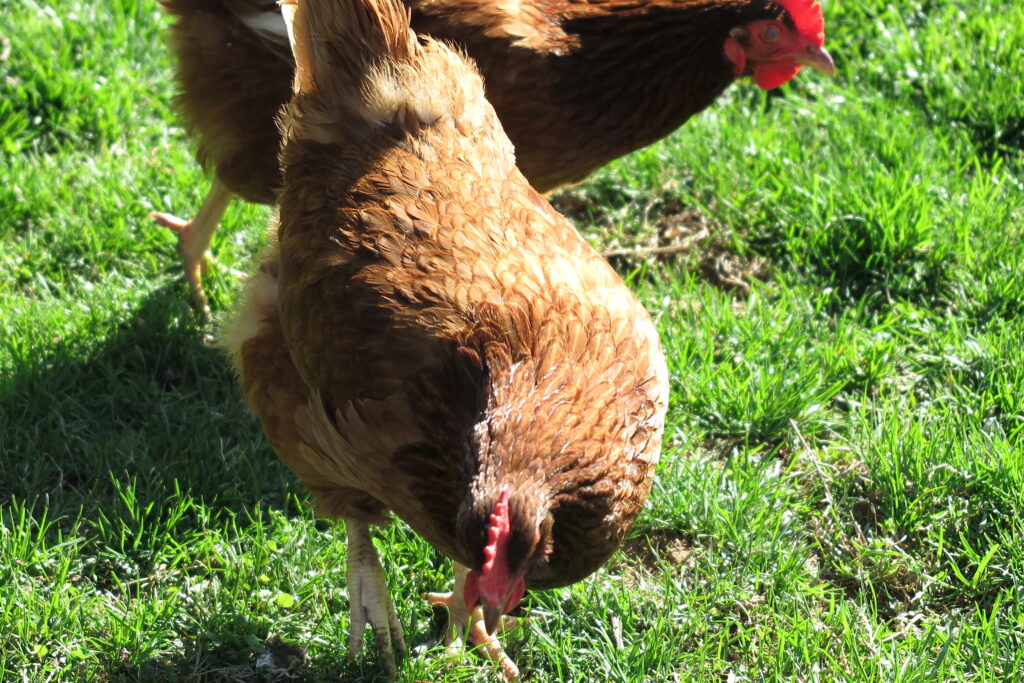
One of the breed’s most recognizable feeding actions is scratching. Using powerful feet, birds rake soil, leaves, or loose debris backward to expose hidden food items beneath the surface. The movement resembles a person using a garden rake to uncover objects hidden under a layer of mulch.
Once material has been disturbed, Rhode Island Reds carefully inspect the exposed area. Their sharp eyesight allows them to detect small insects, seeds, and other food items that might otherwise remain unnoticed. Quick, precise pecking movements enable them to capture food efficiently.
Competition can occur when multiple birds discover a valuable feeding opportunity at the same time. However, Rhode Island Reds often continue searching nearby rather than engaging in prolonged disputes. This strategy allows them to maximize feeding efficiency while minimizing unnecessary energy expenditure.
When food resources become less abundant, the breed demonstrates impressive adaptability. Birds may expand their search area, spend additional time foraging, or investigate locations that would normally receive less attention. These adjustments help maintain access to food during challenging conditions.
The combination of scratching, visual searching, and rapid food collection creates an effective feeding system that has contributed to the breed’s long-term success. Rhode Island Reds are not specialized predators, yet they possess a highly refined ability to locate and gather food from a variety of sources. Their persistent foraging behavior remains one of the defining characteristics of the breed and a major reason for its popularity among poultry keepers worldwide.
Popular Searches About Rhode Island Reds
Explore Rhode Island Red Guide
Explore More Domestic Animals

Support Encounters World
Help support wildlife photography and get behind the scenes discoveries on Patreon.