Ocellaris Clownfish Diet Guide: Food Sources, Feeding Habits, Foraging Strategies, and Nutritional Needs
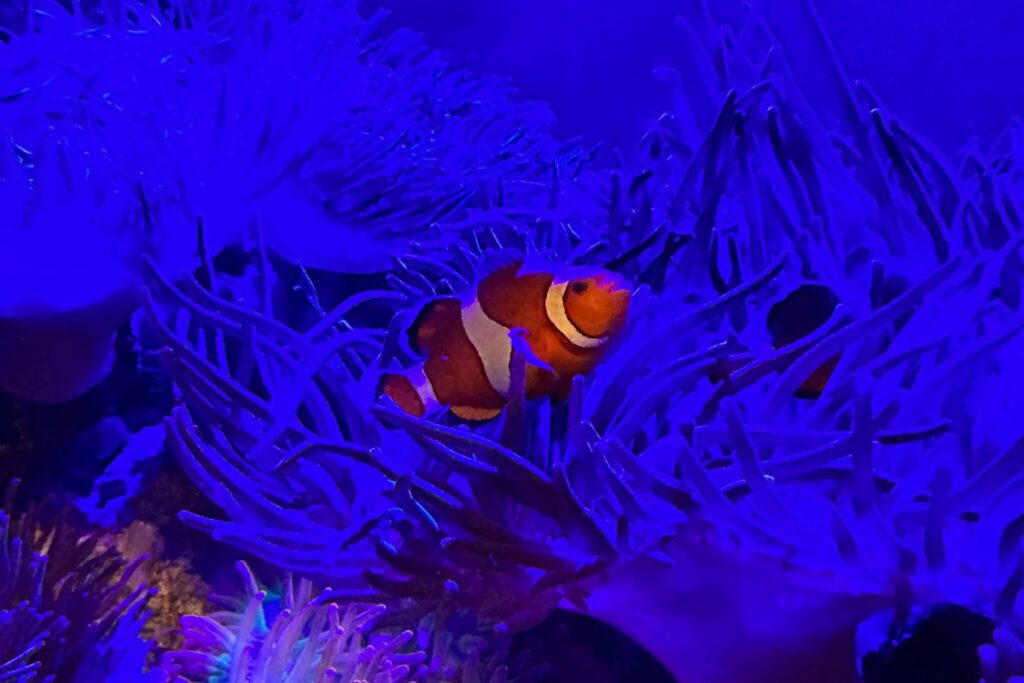
Quick Facts
Diet Type: Omnivore
Main Food Sources: Zooplankton, Algae, Small Crustaceans, and Organic Matter
Feeding Time: Primarily Daytime
Foraging Method: Opportunistic Picking and Water-Column Feeding
Seasonal Diet Changes: Minor Variations Based on Food Availability
Predatory Adaptations: Quick Reflexes, Precise Feeding Movements, and Excellent Visual Detection
Ocellaris Clownfish Feeding Ecology and Natural Diet Introduction
The ocellaris clownfish is a small tropical reef fish native to the warm waters of the Indo-Pacific region. Found throughout areas including Australia, Indonesia, Papua New Guinea, and the Philippines, this colorful species occupies some of the world’s most productive marine ecosystems. Within these environments, access to a steady food supply plays a critical role in survival and long-term population success.
Food is a constant part of daily life for reef fish. Unlike large predators that may consume substantial meals at infrequent intervals, ocellaris clownfish typically rely on smaller feeding opportunities distributed throughout the day. This pattern allows them to take advantage of the many food resources available within busy tropical marine communities.
The feeding environment surrounding clownfish is highly dynamic. Ocean currents transport microscopic organisms through reef systems, while algae and organic material accumulate on nearby surfaces. These constantly changing food sources create an environment where adaptability can provide a significant advantage.
Although often recognized for their appearance, ocellaris clownfish are equally interesting when viewed through the lens of feeding ecology. Their diet reflects the diversity of the reef itself, drawing from multiple food sources rather than depending exclusively on a single resource. This flexibility helps support populations across a broad geographic range.
Ocellaris Clownfish Omnivorous Feeding Habits and Diet Overview
The ocellaris clownfish is classified as an omnivore, meaning it consumes both plant-based and animal-based food sources. This dietary flexibility allows it to take advantage of numerous feeding opportunities within reef ecosystems. Rather than specializing in one particular resource, it incorporates a variety of foods into its daily diet.
Compared to highly specialized marine species that depend on a narrow range of prey, clownfish demonstrate greater feeding versatility. Some reef fish focus almost entirely on coral, plankton, or algae, while ocellaris clownfish utilize a mixture of available resources. This broader approach can help reduce vulnerability when one food source becomes temporarily scarce.
Diet composition may vary between locations throughout the Indo-Pacific. Reef systems differ in productivity, species diversity, and ocean conditions, creating subtle differences in available food resources. As a result, populations living in different regions may emphasize certain food sources more heavily than others while maintaining the same overall omnivorous strategy.
Food selection also changes throughout life. Younger clownfish often consume smaller food particles than adults, reflecting differences in size and feeding capabilities. As individuals mature, they gain access to a wider range of potential food sources and feeding opportunities.
One of the greatest strengths of the species is dietary consistency. Rather than relying on unpredictable seasonal events, clownfish typically have access to multiple food categories throughout the year. This stable food supply contributes to the long-term success of populations occupying healthy reef environments.
Their feeding strategy resembles a shopper visiting a well-stocked market rather than a specialist searching for a single rare item. Numerous food options remain available at any given time, allowing individuals to make use of whatever resources are most accessible. This adaptability supports survival across a wide range of marine conditions.
Because the species occupies productive reef ecosystems, food shortages are often less severe than in harsher environments. Even so, dietary flexibility remains an important advantage. The ability to shift between different food sources helps maintain nutritional intake when local conditions change.
Ocellaris Clownfish Natural Food Sources in the Wild
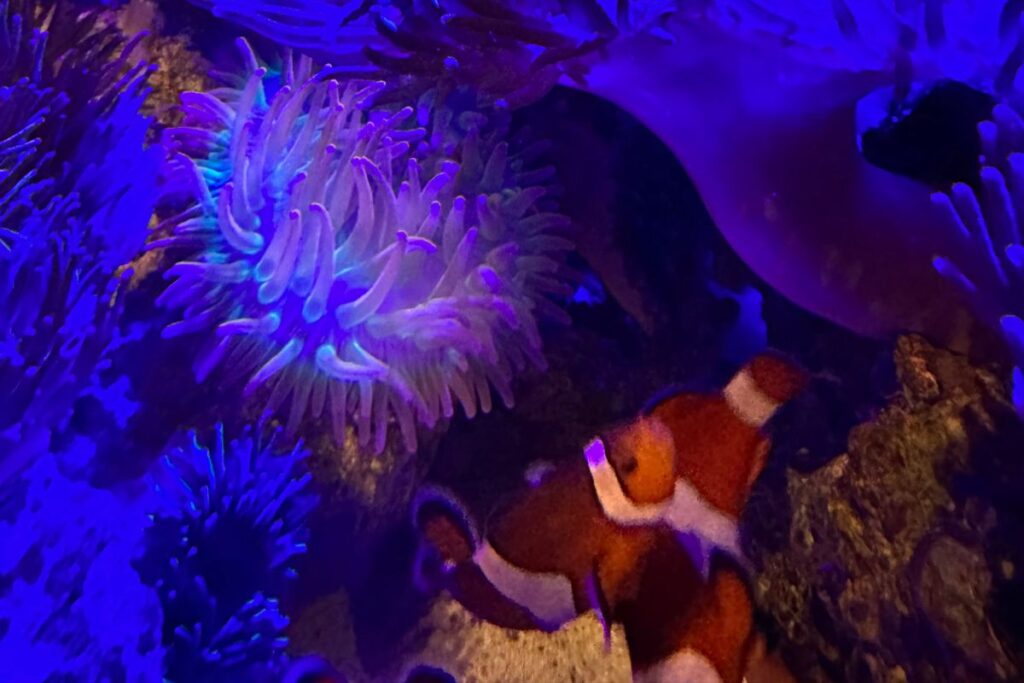
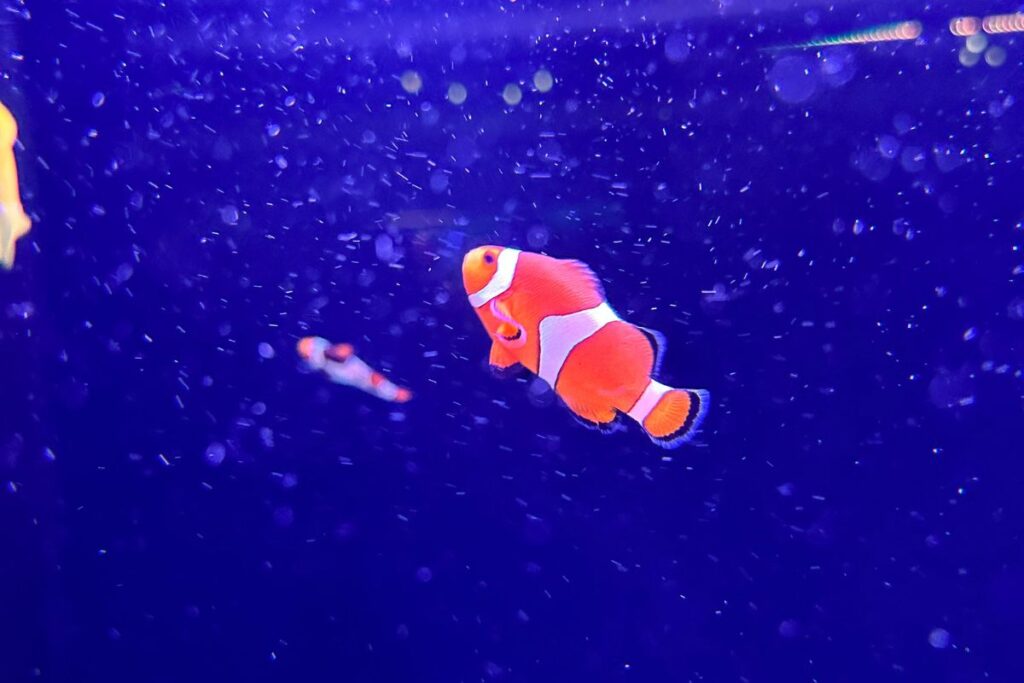
Zooplankton represents one of the most important components of the natural clownfish diet. These tiny drifting organisms include microscopic animals and larval marine life carried through reef systems by ocean currents. Despite their small size, zooplankton provide valuable nutrients and energy for reef fish.
Small crustaceans are another commonly consumed food source. Tiny shrimp-like organisms and other marine invertebrates frequently become part of the clownfish diet. These prey items supply protein and contribute to healthy growth and development throughout the fish’s life.
Algae also play a significant role in feeding. Ocellaris clownfish often consume various forms of marine algae growing on reef surfaces or suspended within the surrounding environment. This plant-based component distinguishes them from strictly carnivorous reef fish and reinforces their omnivorous classification.
Organic particles drifting through the water provide additional feeding opportunities. Reef ecosystems generate a constant supply of biological material from countless marine organisms. Clownfish take advantage of these resources whenever suitable feeding opportunities arise.
Diet composition may shift according to availability. During periods when zooplankton concentrations are particularly high, animal-based food sources may contribute more heavily to nutritional intake. At other times, algae and organic material may represent a larger portion of daily feeding activity.
Juveniles often focus on smaller food particles than adults. Their limited size restricts the range of food they can effectively consume. As they grow, larger prey items and additional food categories become accessible.
A single feeding session may include multiple food types. Rather than targeting only one resource, clownfish frequently consume a mixture of available items encountered within their feeding area. This diverse diet helps provide balanced nutrition while reducing dependence on any single food source.
Ocellaris Clownfish Feeding Behavior and Food-Gathering Strategies
Ocellaris clownfish are active daytime feeders that rely heavily on visual detection when locating food. Their large eyes help identify potential feeding opportunities within the surrounding environment. Quick recognition of drifting food particles allows them to react efficiently before opportunities disappear.
Most feeding occurs through short, precise movements rather than extended pursuits. When food becomes available, clownfish often dart forward rapidly, capture the item, and return to their usual position. This efficient approach minimizes energy expenditure while maximizing feeding success.
Unlike large predatory fish that actively chase prey across considerable distances, clownfish generally feed within a relatively limited area. Their strategy focuses on taking advantage of nearby resources rather than embarking on lengthy searches. This localized feeding style aligns closely with their overall lifestyle.
Competition can occur when multiple fish target the same food source. In crowded reef environments, food particles drifting through the water may attract numerous species simultaneously. Ocellaris clownfish often rely on quick reactions and precise timing to secure available resources before competitors do.
When resources become less abundant, flexibility becomes particularly important. Individuals may broaden their feeding efforts and utilize alternative food sources more frequently. This adaptability helps maintain nutritional intake during periods of reduced availability.
One notable feeding behavior involves capturing food transported by water currents. Instead of actively hunting every meal, clownfish often benefit from naturally moving food sources delivered through the reef ecosystem. This strategy allows them to exploit resources with minimal energy investment.
Their feeding movements are remarkably accurate. A clownfish may remain nearly stationary before suddenly making a brief, targeted strike toward a food item. These rapid actions often last only a fraction of a second but demonstrate impressive precision and coordination.
The combination of excellent visual detection, quick reflexes, efficient feeding movements, and dietary flexibility has made the ocellaris clownfish a highly successful reef omnivore. By utilizing diverse food sources and adaptable feeding strategies, it maintains a stable position within some of the most complex marine ecosystems on Earth.
Popular Searches About Ocellaris Clownfish
Explore Ocellaris Clownfish Guide
Explore More Exhibits

Support Encounters World
Help support wildlife photography and get behind the scenes discoveries on Patreon.