Ocellaris Clownfish Size Guide: How Big Do Ocellaris Clownfish Get?
Quick Facts
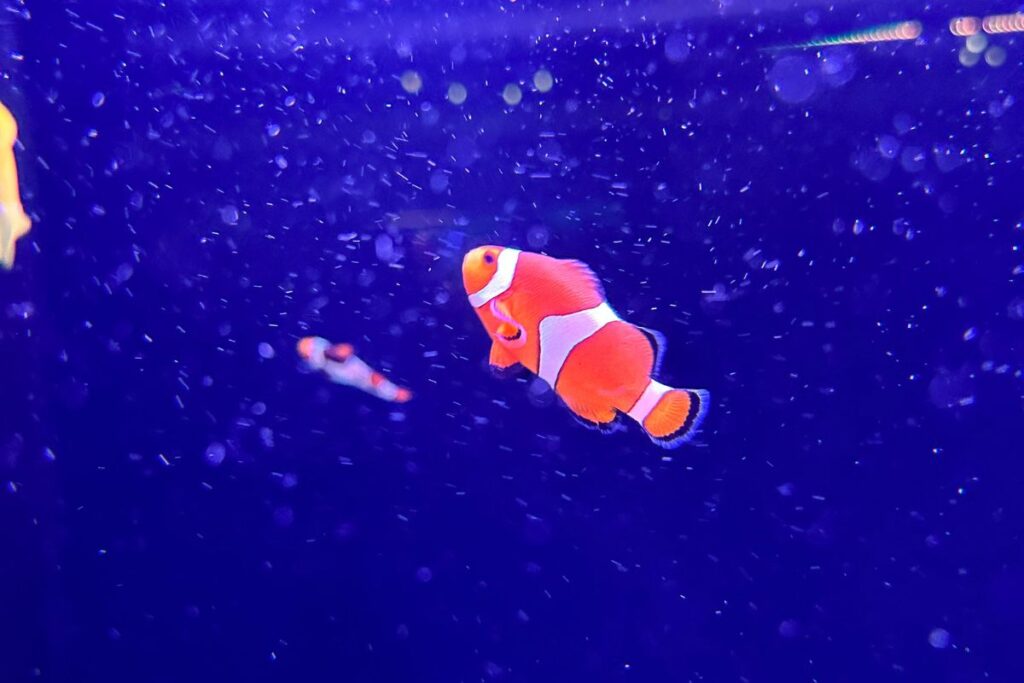
Average Adult Size: 3–4 inches (7.5–10 cm)
Maximum Recorded Size: Approximately 4.3 inches (11 cm)
Size at Hatching: Less than 0.2 inches (5 mm)
Growth Rate: Moderate
Global Range: Indo-Pacific Region
Conservation Status: Least Concern
Notable Size Feature: Females grow larger than males and dominate social groups
Ocellaris Clownfish Size and Growth Overview
The ocellaris clownfish is one of the most recognizable marine fish on Earth, but many people are surprised to learn how small it remains throughout its life. Despite its worldwide popularity and bright coloration, this species rarely exceeds a few inches in length. Its compact size is one of the defining characteristics that separates it from many larger reef fish found in tropical oceans.
Native to the Indo-Pacific region, the ocellaris clownfish occurs across an extensive range that includes waters surrounding Indonesia, the Philippines, Papua New Guinea, northern Australia, and neighboring island systems. Throughout this vast distribution, the species maintains a remarkably consistent body size. While environmental conditions may vary from reef to reef, mature individuals generally fall within a similar length range.
Most adult ocellaris clownfish reach approximately three to four inches long. To put that measurement into perspective, a fully grown specimen is often comparable in length to a standard house key or a small smartphone screen. Although relatively small compared with many marine fish, its vivid coloration makes it highly noticeable underwater.
Size plays an important role in how this species is recognized and classified. Unlike large predators or wide-ranging open-ocean fish, the ocellaris clownfish is a compact reef resident that relies on efficiency rather than physical scale. Its modest dimensions have helped make it one of the most familiar fish in coral reef ecosystems around the world.
Adult Ocellaris Clownfish Measurements and Physical Appearance
The body of an ocellaris clownfish is designed around a compact and rounded profile. Rather than having a long, streamlined shape, it possesses a deeper body that gives it a sturdy appearance despite its limited length. This distinctive build contributes to the fish’s instantly recognizable silhouette.
Adult specimens typically measure between three and four inches from the tip of the snout to the end of the tail fin. While this may sound small, the fish often appears larger because of its bold orange coloration and contrasting white bands. The visual impact of these markings makes the species stand out prominently among surrounding reef life.
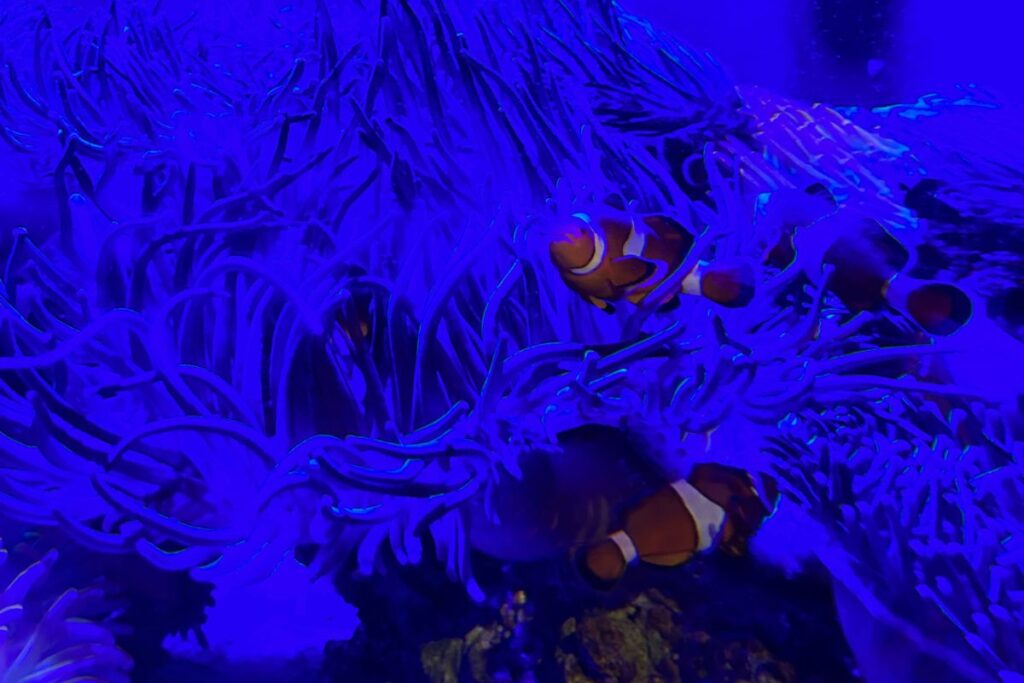
Females consistently grow larger than males, creating one of the most noticeable size differences within clownfish social groups. In established communities, the dominant female occupies the highest position and becomes the largest individual present. Males remain smaller, often by a visible margin, even when fully mature.
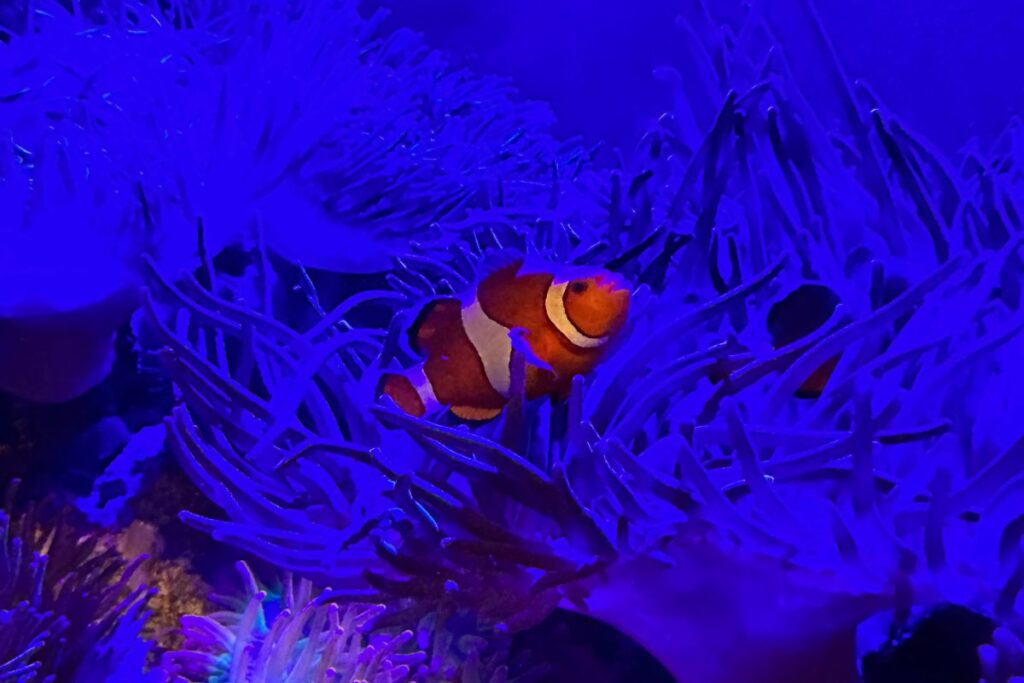
Color variations do not significantly affect overall size. Whether displaying the traditional orange coloration or darker captive-bred forms, most ocellaris clownfish maintain similar growth patterns. Their proportions remain balanced and compact, creating a fish that appears robust without requiring substantial body length.
Ocellaris Clownfish Growth Stages and Development
The life of an ocellaris clownfish begins at an incredibly small scale. Newly hatched larvae measure only a few millimeters long and are nearly transparent. At this stage, they bear little resemblance to the bright orange adults familiar to aquarium enthusiasts and reef observers.
During the early weeks of life, growth occurs rapidly as larvae develop into juvenile fish. Their bodies gradually become more defined, and the first signs of coloration begin to appear. White banding develops over time, transforming these tiny fish into recognizable young clownfish.
Juveniles continue growing steadily during their first year. While they may reach much of their eventual length relatively quickly, body depth and overall mass continue developing afterward. This gradual maturation process helps create the thicker, more rounded appearance associated with adult specimens.
Growth eventually slows as fish approach full maturity. Once social hierarchies become established, females often continue growing larger than other group members. This difference becomes increasingly apparent with age, resulting in the size distinctions commonly observed among mature clownfish communities.
Why Ocellaris Clownfish Size Matters in Reef Ecosystems
The relatively small size of the ocellaris clownfish influences its role within tropical marine ecosystems. Small-bodied reef fish occupy ecological niches that larger species cannot easily access. Their dimensions allow them to thrive in areas where space is limited and shelter opportunities are abundant.
Body size also affects how the species fits into broader reef communities. Large fish often dominate open areas, while smaller species contribute diversity within complex reef structures. The ocellaris clownfish represents an example of how even modestly sized animals can become important components of vibrant marine environments.
Scientists frequently use body size as an indicator of population health. Monitoring average lengths can help reveal environmental trends, habitat quality, and overall ecosystem stability. Healthy populations typically display a range of age classes and growth stages, providing valuable information for conservation efforts.
The enduring success of the ocellaris clownfish demonstrates that ecological importance is not determined by size alone. Although it remains much smaller than many reef inhabitants, its presence contributes to the remarkable diversity that defines coral reef ecosystems. Its compact dimensions, combined with its distinctive appearance, have helped establish it as one of the most recognizable marine fish in the world.
Popular Searches About Ocellaris Clownfish
Explore Ocellaris Clownfish Guide
Explore More Exhibits

Support Encounters World
Help support wildlife photography and get behind the scenes discoveries on Patreon.