Ocellaris Clownfish Facts Guide: 15 Fascinating Facts About Ocellaris Clownfish
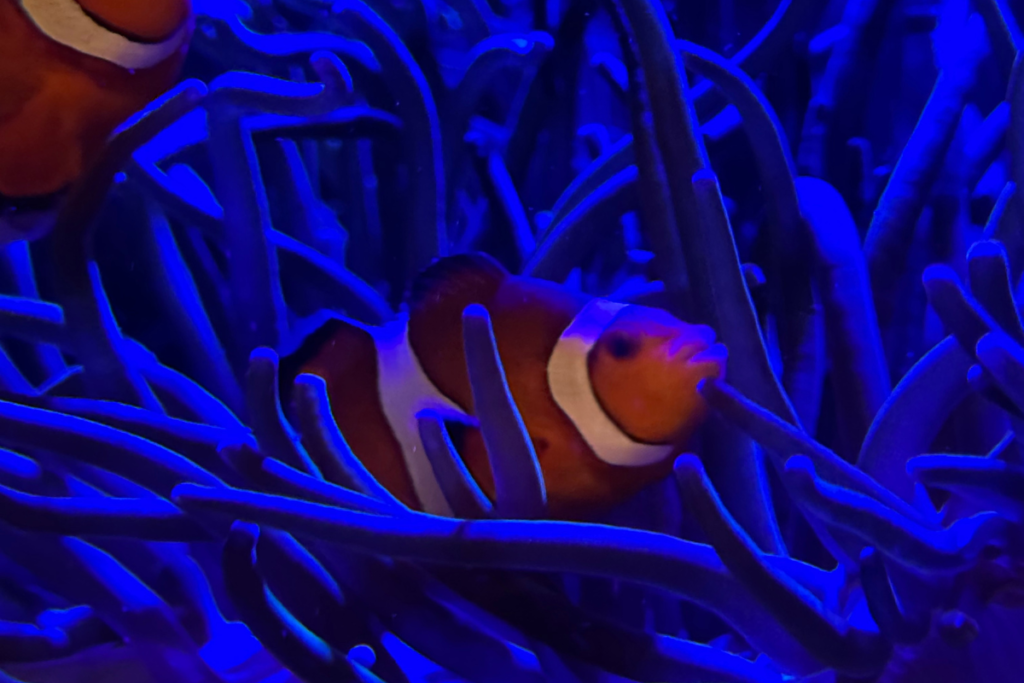
Quick Facts
Fact Category: Marine Reef Fish
Average Size: 3–4 inches (7.5–10 cm)
Lifespan: 6–10 years in the wild, 10–20+ years in captivity
Global Range: Indo-Pacific Region
Conservation Status: Least Concern
Notable Feature: Famous for its relationship with sea anemones and ability to change sex
Fascinating Ocellaris Clownfish Facts and Species Introduction
The ocellaris clownfish is one of the most recognizable fish on the planet, largely thanks to its bright orange coloration and distinctive white bands. Native to tropical Indo-Pacific waters, this small marine fish has become an ambassador for coral reef ecosystems worldwide. Despite its popularity, many people know surprisingly little about the remarkable facts that make this species unique.
One interesting fact is that ocellaris clownfish are not found in every ocean. Their natural range is concentrated in warm tropical waters surrounding Southeast Asia, northern Australia, Papua New Guinea, and neighboring island chains. Although they are familiar to aquarium enthusiasts around the globe, truly wild populations occur only within specific reef systems.
Another surprising fact involves their size. Many people assume clownfish are larger because of their fame, but most adults measure only three to four inches long. A fully grown individual is often comparable in length to a house key or a credit card, making it relatively small compared with many reef fish.
Perhaps the most remarkable fact is how recognizable the species remains despite its modest size. Few marine animals have achieved the same level of global recognition. From public aquariums to wildlife documentaries, the ocellaris clownfish has become one of the most familiar faces of the underwater world.
Amazing Ocellaris Clownfish Physical and Biological Facts
One of the best-known clownfish facts is their brilliant coloration. Most individuals display a bright orange body crossed by three distinct white bands outlined in black. This bold pattern creates a striking appearance that stands out against the colorful backdrop of coral reefs.
Another fascinating fact is that not all ocellaris clownfish look exactly alike. While orange remains the classic coloration, captive breeding has produced darker and selectively bred varieties. Some forms display nearly black bodies while retaining the species’ signature white markings.
A lesser-known biological fact involves sex change. All ocellaris clownfish begin life as males. If the dominant female within a social group disappears, the largest breeding male can transform into a female. This unusual reproductive adaptation is one of the most remarkable characteristics found among reef fish.
The species also possesses a specialized mucus coating that helps distinguish it from many neighboring fish. This coating contributes to one of the clownfish’s most famous ecological adaptations and represents a unique evolutionary feature. Few marine fish possess a comparable biological trait, making it a defining characteristic of the species.
Unique Ocellaris Clownfish Life Cycle and Survival Facts
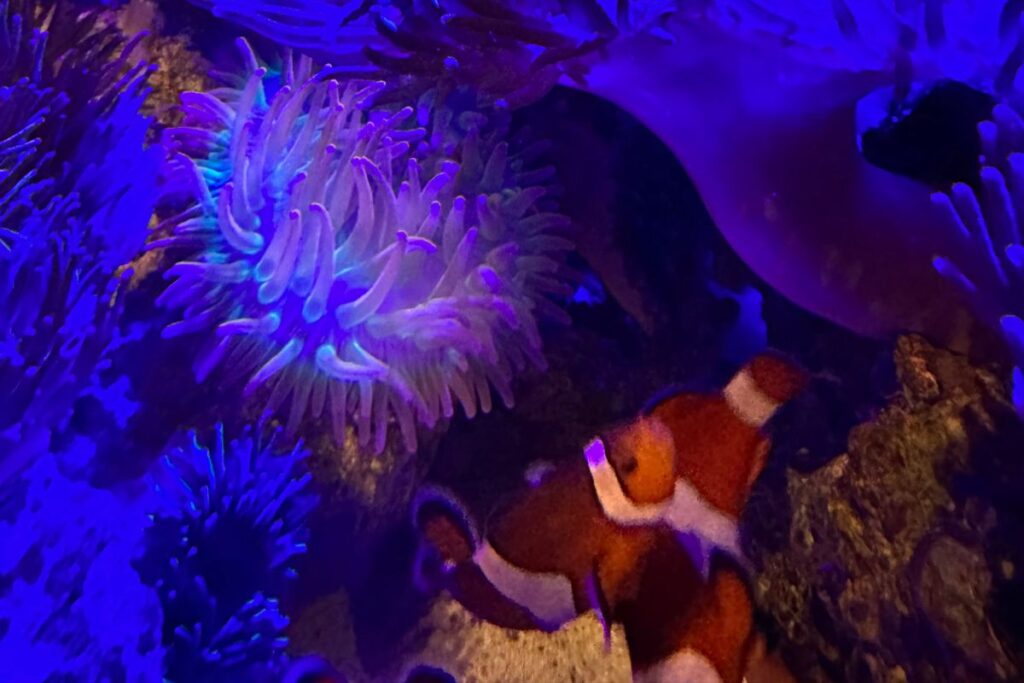
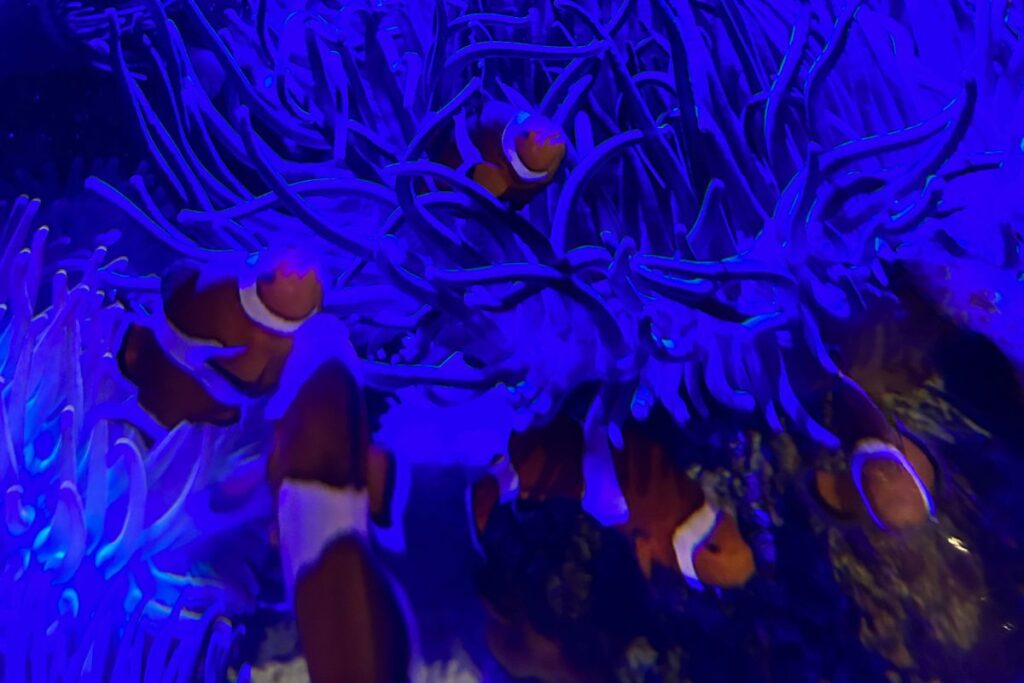
The life cycle of the ocellaris clownfish contains several surprising facts that many people never learn. Development begins as a tiny egg attached to a hard surface. These eggs are bright orange when first laid and gradually darken as embryos develop inside.
Newly hatched larvae look nothing like adults. They are nearly transparent and drift through open water during the earliest stage of life. At this point, they lack the orange coloration and white bands that eventually make the species instantly recognizable.
Another interesting fact is the difference between wild and captive lifespans. Wild individuals often survive six to ten years, while well-maintained aquarium specimens can live considerably longer. Some captive clownfish have reached ages exceeding twenty years, demonstrating impressive longevity for such a small fish.
Clownfish also mature relatively quickly compared with many larger marine species. Most individuals become capable of reproduction within one to two years. This efficient life cycle contributes to population stability and helps the species maintain healthy numbers across much of its natural range.
Ocellaris Clownfish Ecosystem Facts and Ecological Importance
One important ecosystem fact is that ocellaris clownfish contribute to reef biodiversity despite their small size. Coral reefs depend on a wide variety of species occupying different ecological roles. The clownfish helps add to this complexity by participating in multiple levels of reef community structure.
Another notable fact is that the species serves as both predator and prey during different life stages. Larvae become part of the planktonic food web, while adults occupy a higher position within reef ecosystems. This dual role helps transfer energy throughout the marine environment.
The clownfish’s popularity has also produced an unexpected conservation benefit. Because people around the world recognize the species, it frequently serves as a symbol of coral reef conservation. Public interest in clownfish often encourages broader awareness of reef protection and marine ecosystem health.
Perhaps the most important fact of all is that the ocellaris clownfish demonstrates how even small animals can have significant ecological value. Measuring only a few inches long, it nevertheless contributes to biodiversity, food-web dynamics, and public appreciation of marine life. Its combination of beauty, adaptability, and ecological importance has made it one of the most celebrated reef fish on Earth.
Popular Searches About Ocellaris Clownfish
Explore Ocellaris Clownfish Guide
Explore More Exhibits

Support Encounters World
Help support wildlife photography and get behind the scenes discoveries on Patreon.