Ocellaris Clownfish Behavior Guide: Activity Patterns, Movement, Social Interactions, and Survival Strategies

Quick Facts
Activity Type: Diurnal (Most Active During Daylight Hours)
Social Structure: Hierarchical Social Groups and Breeding Pairs
Territorial Behavior: Moderately Territorial Around Home Areas
Movement Style: Agile Swimming with Short, Controlled Bursts
Communication Method: Body Positioning, Visual Signals, and Physical Displays
Defense Strategy: Shelter Use, Territorial Displays, and Protective Symbiotic Relationships
Ocellaris Clownfish Behavior in Tropical Reef Environments
The ocellaris clownfish is a small tropical marine fish found throughout the Indo-Pacific region, including waters around Australia, Indonesia, Papua New Guinea, and the Philippines. Although widely known for its bright orange coloration and distinctive white bands, its behavior is equally fascinating. Watching these fish in natural reef settings reveals a highly organized and surprisingly complex lifestyle.
Unlike many reef fish that constantly roam across large sections of coral habitat, ocellaris clownfish often remain within a relatively limited area. They spend much of their time near familiar surroundings, creating a predictable daily routine. This tendency gives observers an opportunity to witness repeated behavioral patterns over extended periods.
Coral reefs are busy ecosystems filled with movement and competition, yet clownfish often appear calm and purposeful within the activity around them. Their actions rarely seem random. Every movement, turn, and reaction contributes to maintaining awareness of their surroundings and preserving their position within the reef community.
From an observational perspective, ocellaris clownfish display a balance between confidence and caution. They are neither shy nor reckless. Instead, they continuously monitor nearby activity while remaining closely connected to areas they know well, creating one of the most recognizable behavioral profiles among reef fish.
Ocellaris Clownfish Behavioral Traits and Daily Temperament
Ocellaris clownfish are generally active, attentive, and highly responsive to changes in their environment. Even during quiet periods, they rarely appear completely inactive. Small adjustments in position, orientation, and swimming direction demonstrate a constant awareness of nearby activity.
When conditions remain stable, these fish often display a calm and predictable demeanor. They spend much of their day inspecting their immediate surroundings and interacting with familiar individuals. Their behavior creates the impression of a fish that is comfortable within a well-established routine.
Compared to fast-moving schooling fish that travel across broad stretches of reef, ocellaris clownfish behave more like residents guarding a neighborhood. They frequently investigate nearby activity but seldom wander far from their usual area. This localized lifestyle helps create consistency in their daily behavior.
Curiosity is another noticeable trait. New objects, unfamiliar fish, or sudden disturbances often attract immediate attention. Rather than instantly retreating, clownfish frequently pause to observe and evaluate the situation before deciding how to respond.
Social interactions contribute significantly to their overall temperament. Individuals typically exist within a structured hierarchy where each fish occupies a specific rank. These social arrangements reduce unnecessary conflict and allow groups to function with relative stability.
Behavior can also vary depending on age and experience. Younger fish tend to be more cautious and hesitant when responding to unfamiliar situations. Mature adults often appear more confident and efficient, relying on established routines developed over time.
Another remarkable aspect of their behavior is consistency. Many individuals repeat similar daily activities for years. This reliability makes the species particularly interesting to researchers studying long-term behavioral patterns within coral reef ecosystems.

Ocellaris Clownfish Movement and Activity Patterns Throughout the Day
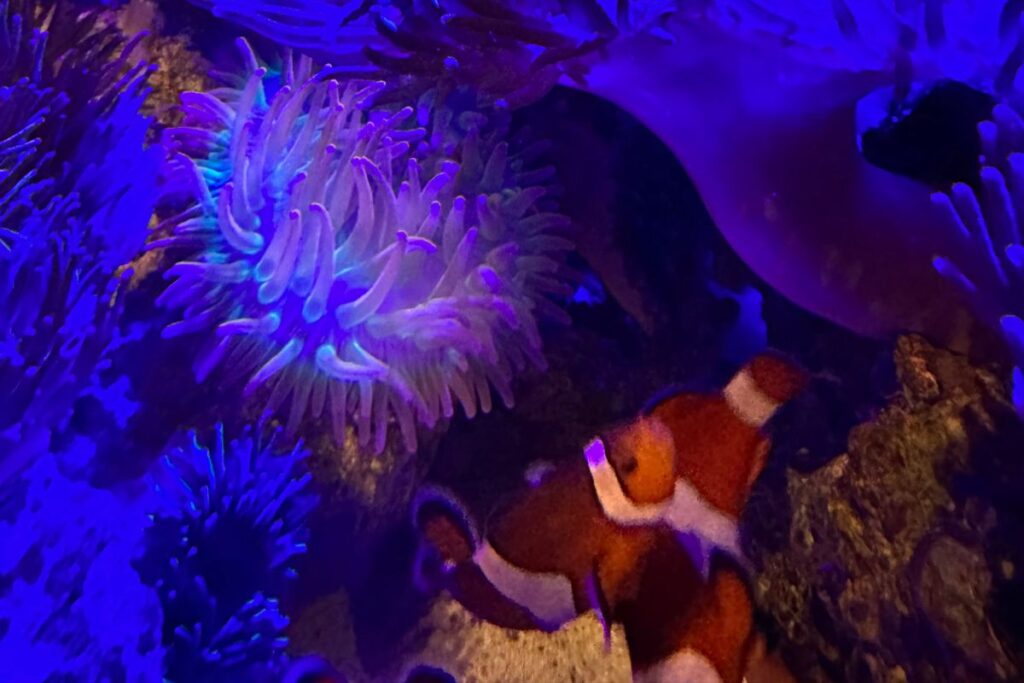
The ocellaris clownfish is primarily active during daylight hours. Activity usually begins shortly after sunrise and continues throughout the day as individuals move around their immediate surroundings. During daylight, they remain alert and visibly engaged with events occurring nearby.
Their swimming style differs noticeably from many larger reef fish. Rather than gliding continuously through open water, clownfish often move in short bursts followed by brief pauses. This stop-and-start pattern creates a unique rhythm that is instantly recognizable to experienced observers.
Movements are typically precise and controlled. A clownfish can change direction rapidly, stop almost instantly, or dart a short distance before returning to its original position. These quick adjustments help it navigate crowded reef environments filled with coral branches, rocks, and other obstacles.
When viewed closely, their movement resembles a hovering bird inspecting different locations rather than a fish undertaking long-distance travel. Individuals often revisit the same spots repeatedly throughout the day. This repetitive pattern reflects their attachment to familiar territory.
Seasonal changes generally have less impact on activity than they do for species living in colder regions. Tropical reef conditions remain relatively stable throughout the year, allowing clownfish to maintain similar routines across multiple seasons. Small changes may occur, but dramatic shifts are uncommon.
Energy conservation plays an important role in daily movement. Instead of swimming continuously, clownfish frequently pause between short periods of activity. These pauses allow them to remain vigilant while reducing unnecessary energy expenditure.
Toward evening, movement gradually decreases. Activity levels become lower as daylight fades, and individuals spend increasing amounts of time in protected locations. By nightfall, they are far less active than during the brightest hours of the day.
The combination of quick bursts, precise maneuvering, and efficient energy use makes the ocellaris clownfish exceptionally suited to life within complex reef environments. Every movement appears deliberate and adapted to navigating crowded underwater landscapes.
Ocellaris Clownfish Social Interactions and Survival Responses
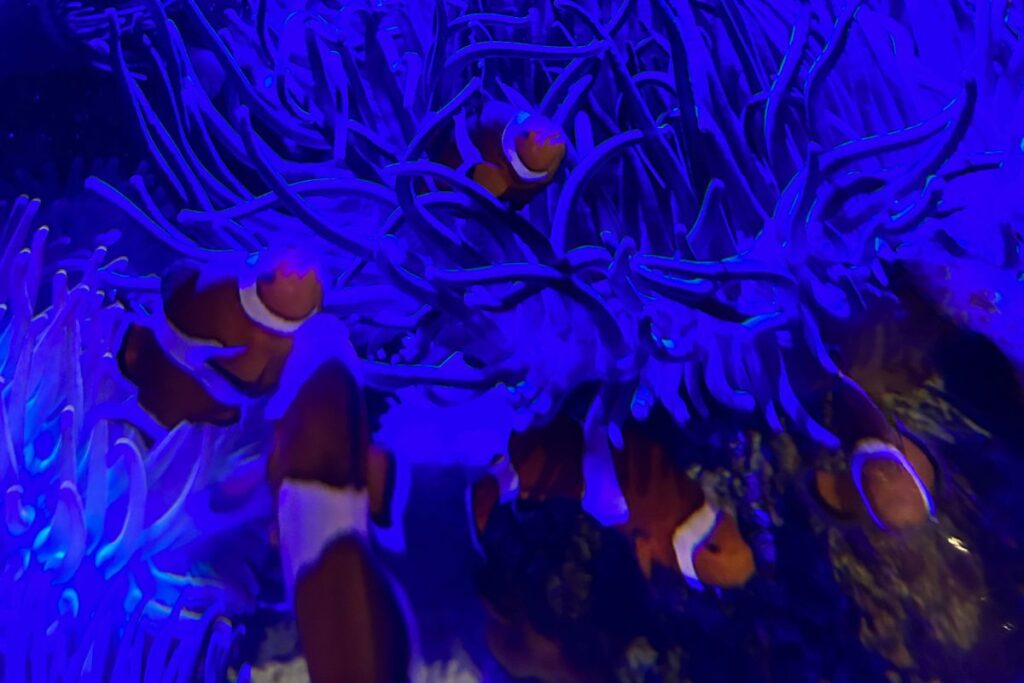
Social structure plays a major role in the daily lives of ocellaris clownfish. Groups typically operate within clear hierarchies where each individual occupies a specific position. These rankings help maintain order and reduce frequent competition among neighboring fish.
Territorial behavior becomes most noticeable when unfamiliar fish approach established areas. Resident clownfish often respond immediately by displaying assertive postures and defensive movements. Such actions communicate ownership of the area and discourage intruders from remaining nearby.
Communication relies heavily on visual signals. Changes in body position, orientation, and swimming behavior can convey important information to nearby individuals. Even subtle movements may indicate dominance, submission, or awareness of potential danger.
Responses to threats are typically rapid and effective. When a predator or other danger approaches, clownfish often retreat quickly toward protective areas while continuing to monitor the threat. This reaction allows them to maintain awareness without exposing themselves unnecessarily.
One particularly interesting survival behavior involves risk assessment. Rather than fleeing from every disturbance, clownfish frequently pause to determine whether a threat is genuine. This ability helps prevent wasted energy and unnecessary interruptions to daily activities.
Interactions with neighboring species vary depending on the situation. Some fish are tolerated with little reaction, while others trigger immediate defensive responses. These distinctions demonstrate a sophisticated ability to recognize and evaluate different types of encounters.
Young clownfish generally display more cautious behavior than experienced adults. Over time, individuals learn which situations require immediate action and which can be safely ignored. This gradual development contributes to improved survival and greater confidence.
The combination of social organization, territorial awareness, visual communication, and rapid threat responses has helped make the ocellaris clownfish one of the most successful reef fish species in the Indo-Pacific. Its behavioral strategies allow it to thrive in crowded marine communities while maintaining the stability necessary for long-term survival.
Popular Searches About Ocellaris Clownfish
Explore Ocellaris Clownfish Guide
Explore More Exhibits

Support Encounters World
Help support wildlife photography and get behind the scenes discoveries on Patreon.