Ocellaris Clownfish Lifespan Guide: How Long Do Ocellaris Clownfish Live?
Quick Facts
Average Lifespan: 6–10 years in the wild, 10–20+ years in captivity
Maximum Recorded Lifespan: Over 20 years in well-maintained aquariums
Age at Maturity: Approximately 1–2 years
Growth Rate: Moderate
Global Range: Indo-Pacific region
Conservation Status: Least Concern
Notable Lifespan Factor: Long-lived for a small reef fish when protected from predators
Ocellaris Clownfish Lifespan Overview and Longevity Basics
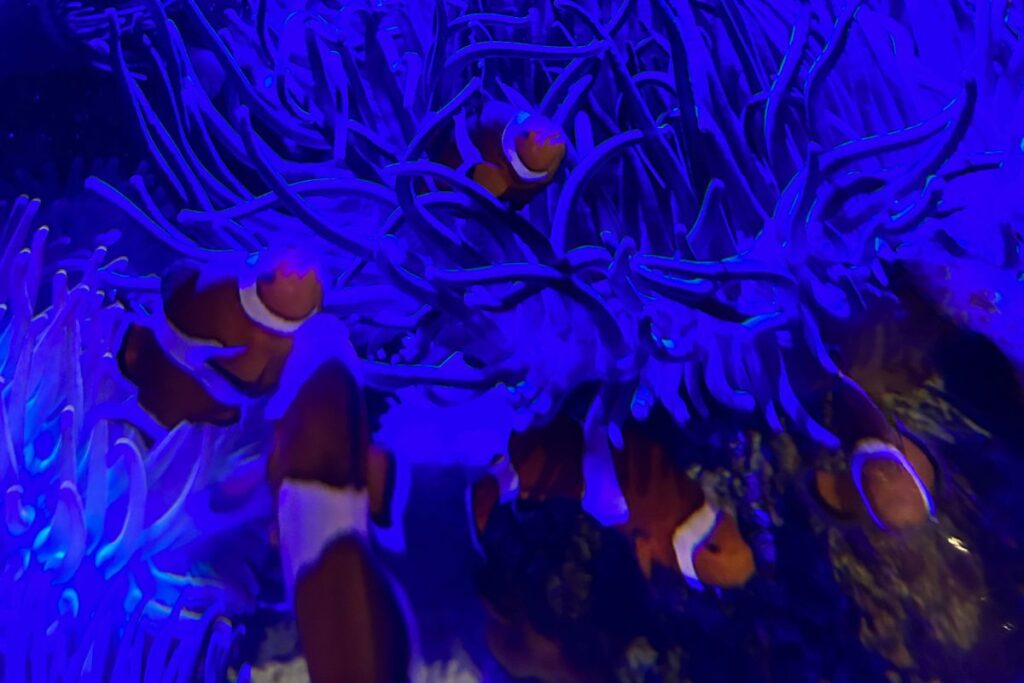
The ocellaris clownfish is one of the most recognizable reef fish in the world, known for its bright orange body and white bands. Beyond its appearance, many people are surprised to learn that this small fish can live for a remarkably long time. While numerous reef fish survive only a few years, ocellaris clownfish are capable of reaching ages that rival much larger marine species.
Native to the warm waters of the Indo-Pacific, ocellaris clownfish occur naturally around coral reefs stretching from Southeast Asia to northern Australia. Their lifespan varies depending on environmental conditions, predation pressure, and access to suitable shelter. Wild individuals face challenges that aquarium specimens often avoid, leading to noticeable differences in longevity.
Most wild ocellaris clownfish are believed to live between six and ten years. This is already impressive for a fish that typically reaches only a few inches in length. Protected reef habitats and stable social groups contribute significantly to their ability to survive for extended periods.
Captive specimens often exceed the lifespan of their wild counterparts. In well-maintained aquariums, individuals frequently reach ten to fifteen years of age, while exceptional examples have surpassed twenty years. This makes the species one of the longest-lived commonly kept marine aquarium fish relative to its size.
Factors That Influence Ocellaris Clownfish Lifespan
The lifespan of an ocellaris clownfish is shaped by numerous environmental and biological factors. Predators represent one of the greatest threats in the wild. Even though clownfish benefit from the protection of sea anemones, they remain vulnerable when venturing beyond their host or during early life stages.
Water quality also plays a major role in determining longevity. Coral reef environments are naturally stable, with relatively consistent temperatures and chemical conditions. Sudden fluctuations can create stress that weakens immune function and reduces life expectancy. Fish living in healthy reef systems generally experience better long-term survival.
Disease and parasites can significantly impact lifespan as well. Marine fish encounter a variety of pathogens throughout their lives, and individuals with compromised health may struggle to reach old age. Strong immune systems, proper nutrition, and low-stress environments help clownfish resist these challenges more effectively.
Genetics contribute to lifespan differences between individuals. Just as some people naturally live longer than others, certain clownfish possess traits that improve resilience and survival. When combined with favorable environmental conditions, these genetic advantages can lead to exceptionally long-lived specimens that surpass typical expectations.
Ocellaris Clownfish Lifespan in the Wild vs Captivity
Comparing wild and captive lifespans reveals how dramatically environmental pressures influence survival. In natural reef systems, ocellaris clownfish must contend with predators, competition, storms, habitat changes, and food availability. These factors constantly challenge their ability to survive year after year.
Wild clownfish typically spend their entire lives within a relatively small area surrounding a host anemone. Although this arrangement offers protection, it does not eliminate danger entirely. Juveniles are especially vulnerable before establishing themselves within a stable social group. Many never reach adulthood, reducing average lifespan figures across wild populations.
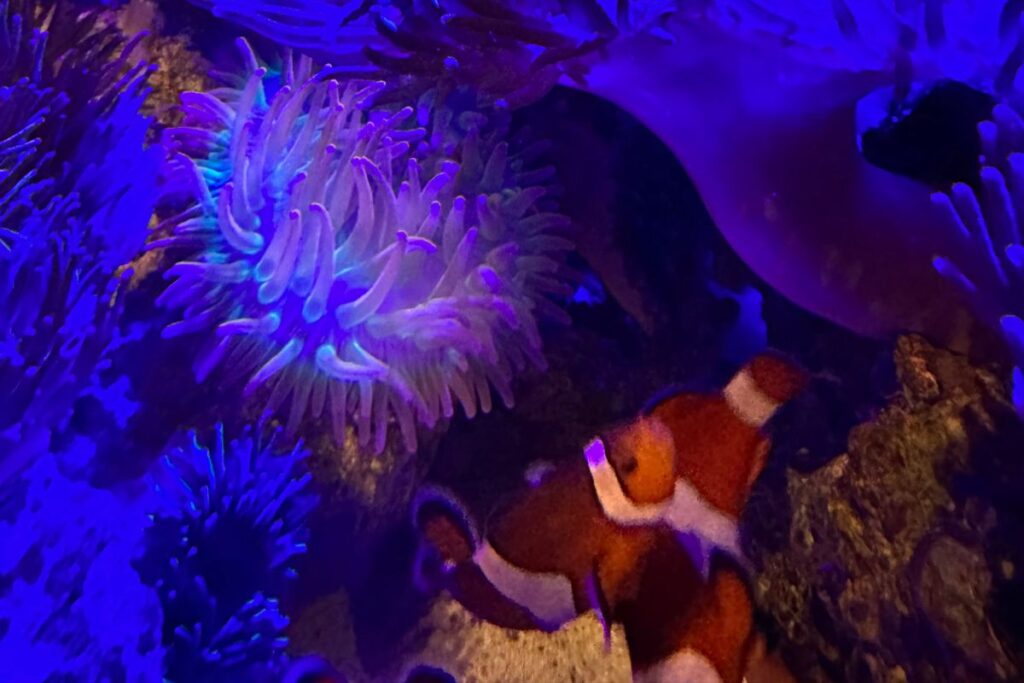
Aquarium environments remove many of these threats. Predators are absent, food is consistently available, and water conditions can be carefully controlled. As a result, captive clownfish often survive significantly longer than those found on natural reefs. The difference resembles comparing wild songbirds with carefully cared-for birds living in protected aviaries.
Long-lived aquarium specimens often benefit from attentive husbandry practices. Stable water parameters, appropriate tank mates, and quality nutrition help reduce stress over many years. When these conditions remain consistent, ocellaris clownfish can achieve lifespans that would be difficult to replicate in nature, sometimes doubling the survival expectations seen in wild populations.
Why Ocellaris Clownfish Often Live Longer Than Similar Reef Fish
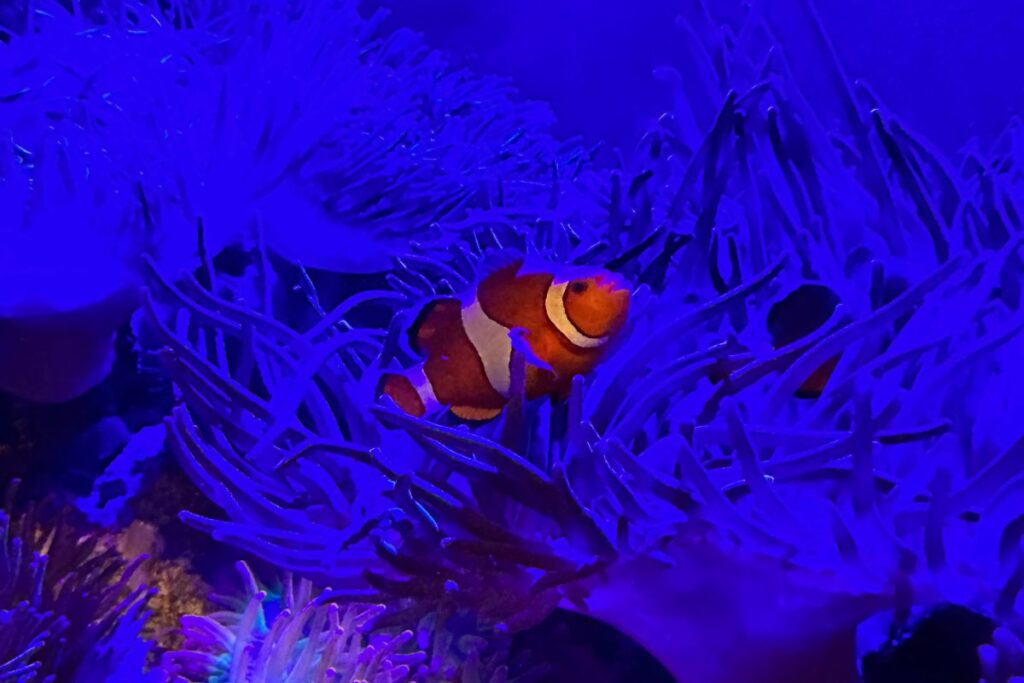
One reason ocellaris clownfish enjoy relatively long lifespans is their unique relationship with sea anemones. Few reef fish possess such an effective natural refuge. The stinging tentacles that deter predators provide a level of protection unavailable to many neighboring species.
Their social structure may also contribute to survival. Clownfish live within organized groups led by a dominant breeding pair. This stability reduces conflict and helps maintain predictable access to shelter. Consistent protection throughout life can improve the chances of reaching older ages compared with more exposed reef fish.
Their compact size and efficient use of resources further support longevity. Unlike larger species that require extensive territories and greater food intake, ocellaris clownfish can thrive within relatively small areas. This allows them to remain close to protective shelter while meeting their daily needs.
The combination of shelter, social stability, adaptability, and resilience helps explain why these fish often outlive similarly sized reef species. Whether encountered on a tropical reef or in a carefully maintained aquarium, the ocellaris clownfish demonstrates that small marine animals can achieve surprisingly long lives. Its ability to survive for a decade or more has contributed greatly to its popularity among marine enthusiasts and its reputation as one of the most enduring fish found in coral reef ecosystems.
Popular Searches About Ocellaris Clownfish
Explore Ocellaris Clownfish Guide
Explore More Exhibits

Support Encounters World
Help support wildlife photography and get behind the scenes discoveries on Patreon.