Ocellaris Clownfish Habitat Guide: Range, Reef Environments, Ocean Conditions, and Natural Distribution
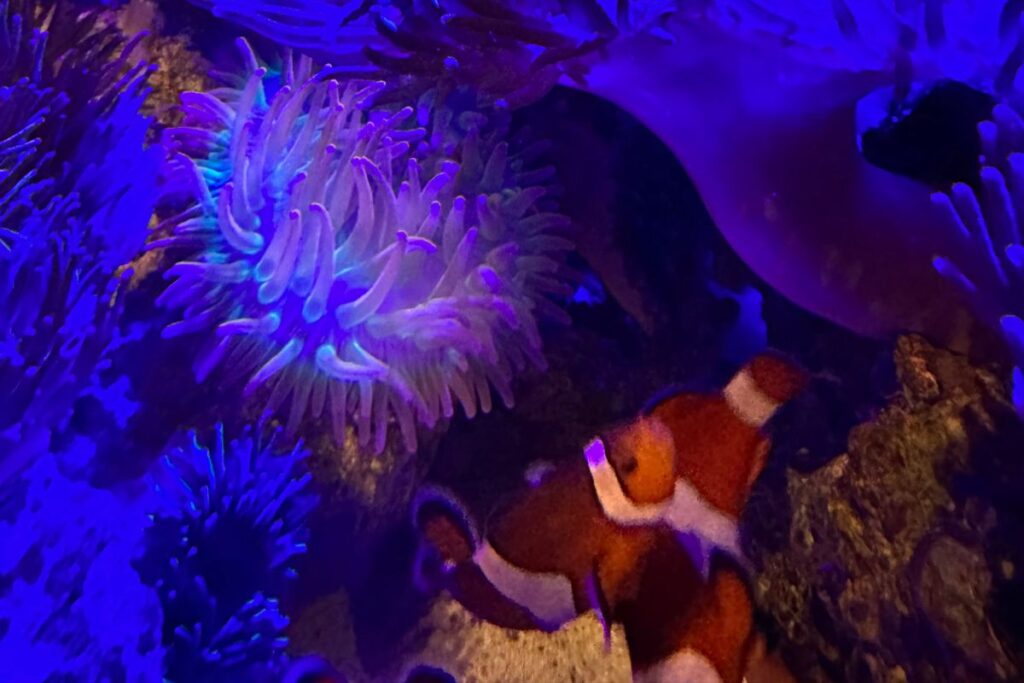
Quick Facts
Primary Habitat: Coral Reefs
Secondary Habitat: Coastal Lagoons and Sheltered Marine Areas
Climate Preference: Tropical Marine Climate
Environment Type: Shallow Saltwater Ecosystems
Elevation / Depth Range: Surface to Approximately 50 Feet (15 m)
Geographic Distribution: Indo-Pacific Region Including Australia, Indonesia, Papua New Guinea, the Philippines, and Surrounding Tropical Waters
Ocellaris Clownfish Range and Ocean Environment Introduction
The ocellaris clownfish is a tropical marine species native to the warm waters of the Indo-Pacific region. Its distribution stretches across thousands of miles of ocean, connecting island chains, coastal waters, and reef systems throughout Southeast Asia and northern Australia. Despite its small size, this fish occupies one of the world’s most biologically diverse marine regions.
Across its range, the ocellaris clownfish is commonly encountered in clear tropical waters where marine life thrives year-round. These environments support immense biodiversity, creating colorful underwater landscapes filled with fish, corals, and countless invertebrate species. Within these communities, clownfish have become one of the most recognizable reef inhabitants.
Unlike marine species that migrate between distant locations or travel through open ocean environments, ocellaris clownfish are typically associated with stable coastal ecosystems. Their range includes numerous countries and island groups, but their distribution remains closely tied to suitable tropical marine habitats. This relationship helps explain why populations occur in some regions while remaining absent from others.
For divers and snorkelers exploring tropical reefs, spotting an ocellaris clownfish often becomes one of the highlights of an underwater experience. Bright coloration makes the species easy to notice, while its consistent presence in suitable marine environments has helped establish it as one of the signature fish of Indo-Pacific reef ecosystems.
Ocellaris Clownfish Geographic Distribution and Habitat Overview
The overall distribution of the ocellaris clownfish is relatively broad compared to many reef fish species. Populations occur throughout large portions of the Indo-Pacific, allowing the species to occupy numerous marine ecosystems across a wide geographic area. This extensive range has contributed significantly to its success and long-term stability.
Although widespread, the species is not found in every tropical ocean. Its distribution remains concentrated within specific regions that provide the environmental conditions required for survival. Areas outside these suitable zones often lack the combination of factors necessary to support stable populations.
Compared to highly specialized marine organisms restricted to a handful of islands or reef systems, the ocellaris clownfish demonstrates a greater degree of geographic flexibility. It can occupy marine environments across multiple countries and thousands of miles of coastline. This adaptability allows populations to remain connected across large sections of the Indo-Pacific.
Even within its range, distribution patterns are not completely uniform. Some reef systems support dense populations, while others contain relatively few individuals. Variations in local environmental quality, reef structure, and ecosystem health influence how abundant the species becomes in different locations.
The fish is primarily associated with coastal marine ecosystems rather than deep offshore waters. Many populations occur near islands, continental coastlines, and protected tropical seas where suitable reef communities are established. These environments provide the foundation for long-term population stability.
Its distribution also overlaps with some of the most productive coral reef systems on Earth. Regions such as Indonesia, Papua New Guinea, and northern Australia contain extensive marine habitats that support thriving clownfish populations. These areas represent important strongholds for the species.
While many marine fish expand into a wide variety of oceanic environments, the ocellaris clownfish maintains a closer connection to specific ecosystem categories. This narrower environmental focus helps define both its range and its overall habitat preferences throughout the Indo-Pacific region.
Ocellaris Clownfish Coral Reef and Coastal Habitat Types
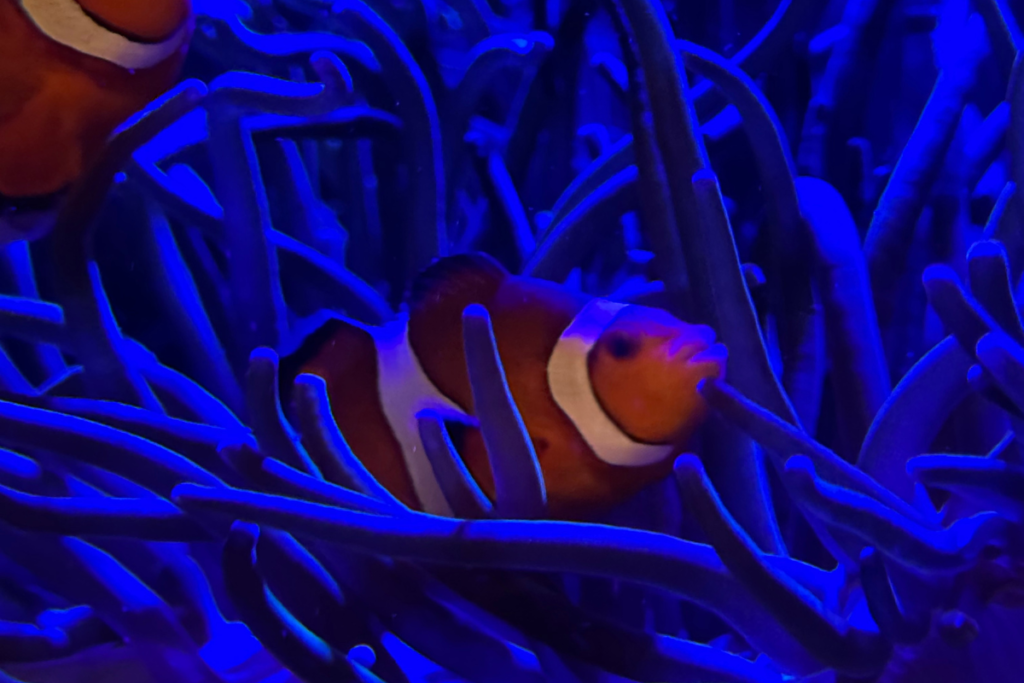
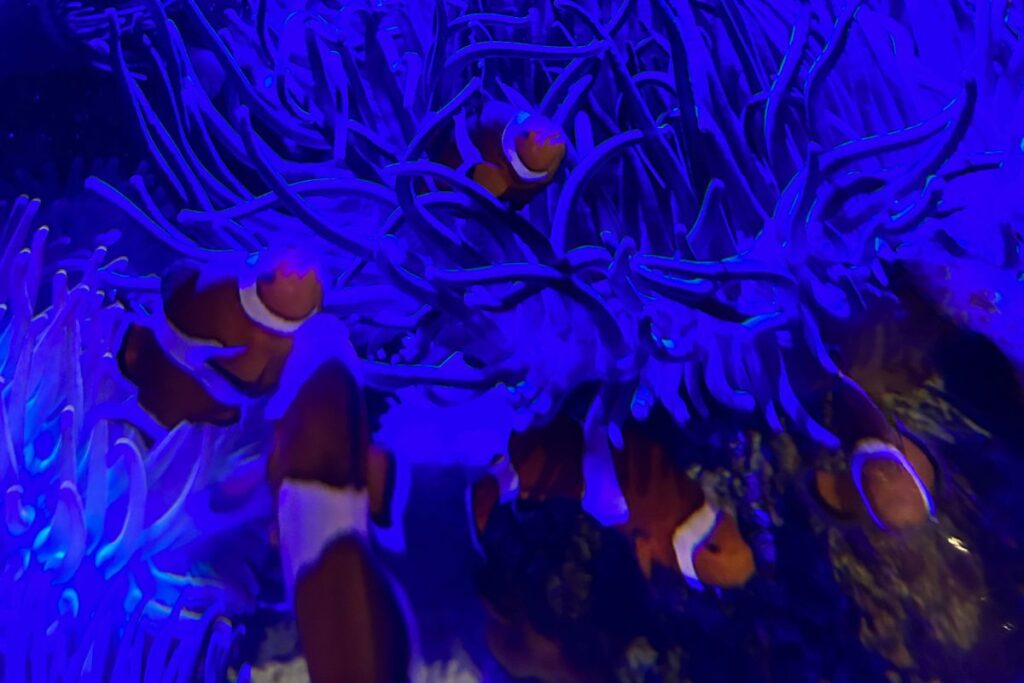
Coral reefs represent the primary habitat occupied by the ocellaris clownfish. These underwater ecosystems provide a complex landscape filled with shelter, structure, and biological diversity. Reef environments create ideal conditions for supporting the numerous marine species that coexist alongside clownfish populations.
Shallow fringing reefs are among the most commonly occupied habitat types. These reefs develop near coastlines and islands, creating extensive areas of suitable marine habitat. Their combination of sunlight, coral growth, and water circulation supports vibrant reef communities where clownfish frequently occur.
Lagoon environments also play an important role within the species’ distribution. Protected by surrounding reef structures, lagoons often experience calmer conditions than exposed coastal waters. These sheltered areas can support thriving populations while providing relatively stable environmental conditions throughout the year.
Patch reefs scattered across shallow tropical waters represent another habitat category utilized by the species. Unlike massive reef systems stretching for miles, patch reefs occur as isolated clusters of coral habitat. Even these smaller reef communities can provide sufficient resources to support local clownfish populations.
The species is most frequently associated with areas containing significant structural complexity. Reef environments filled with coral formations, crevices, and varied surfaces create a three-dimensional landscape that supports exceptional biodiversity. These intricate underwater structures contribute to the suitability of occupied habitats.
Not all coral reefs provide identical conditions. Some habitats occur in protected bays with calm waters, while others exist along coastlines exposed to stronger currents and wave action. Ocellaris clownfish can be found across this range of reef settings when other environmental requirements are met.
Human-created marine environments occasionally support clownfish as well. Artificial reef structures and restored marine habitats may provide suitable conditions when established within appropriate tropical regions. Although natural reef ecosystems remain the primary habitat, these modified environments can sometimes contribute to local population support.
Ocellaris Clownfish Environmental Conditions and Tropical Ocean Requirements
The ocellaris clownfish thrives in warm tropical waters where temperatures remain relatively stable throughout the year. Most occupied habitats experience conditions that rarely approach the seasonal extremes found in temperate marine environments. This consistency supports year-round biological activity within reef ecosystems.
Water clarity is another important environmental characteristic. Many inhabited reefs occur in areas where sunlight penetrates effectively through the water column. These clear conditions promote healthy coral growth and contribute to the productivity of surrounding marine communities.
Depth is also a defining factor within the species’ habitat. Ocellaris clownfish are most commonly found in relatively shallow waters where sunlight remains abundant. Unlike deep-water marine species adapted to dim environments, they are strongly associated with well-lit sections of tropical reef ecosystems.
The physical structure of the environment plays a major role in habitat suitability. Areas containing extensive coral formations provide significantly different conditions than flat, featureless seabeds. The complex architecture of reef habitats creates a diverse underwater landscape that supports numerous marine species.
Tropical marine climates provide remarkably stable conditions compared to many terrestrial environments. While a temperate forest may experience dramatic seasonal changes between summer and winter, tropical reef systems often maintain relatively consistent temperatures throughout the year. This stability helps support long-term reef development and species persistence.
Ocean currents also influence habitat quality. Moderate water movement helps circulate nutrients, oxygen, and marine organisms throughout reef ecosystems. Excessively turbulent conditions may reduce habitat suitability, while stagnant environments often lack the dynamic processes that support healthy reef communities.
Vegetation and marine plant communities contribute additional environmental complexity. Seagrass beds, algae-covered surfaces, and surrounding coastal ecosystems often occur near occupied reef habitats. Together, these interconnected environments create the broader ecological landscape that supports ocellaris clownfish populations across the Indo-Pacific region.
The combination of warm temperatures, shallow depths, clear water, complex reef structure, and stable tropical conditions defines the environmental foundation of the ocellaris clownfish habitat. These factors work together to create some of the most colorful and biologically rich marine ecosystems found anywhere on Earth.
Popular Searches About Ocellaris Clownfish
Explore Ocellaris Clownfish Guide
Explore More Exhibits

Support Encounters World
Help support wildlife photography and get behind the scenes discoveries on Patreon.