
Yellowjacket Behavior: Activity Patterns, Social Structure, and Survival Strategies
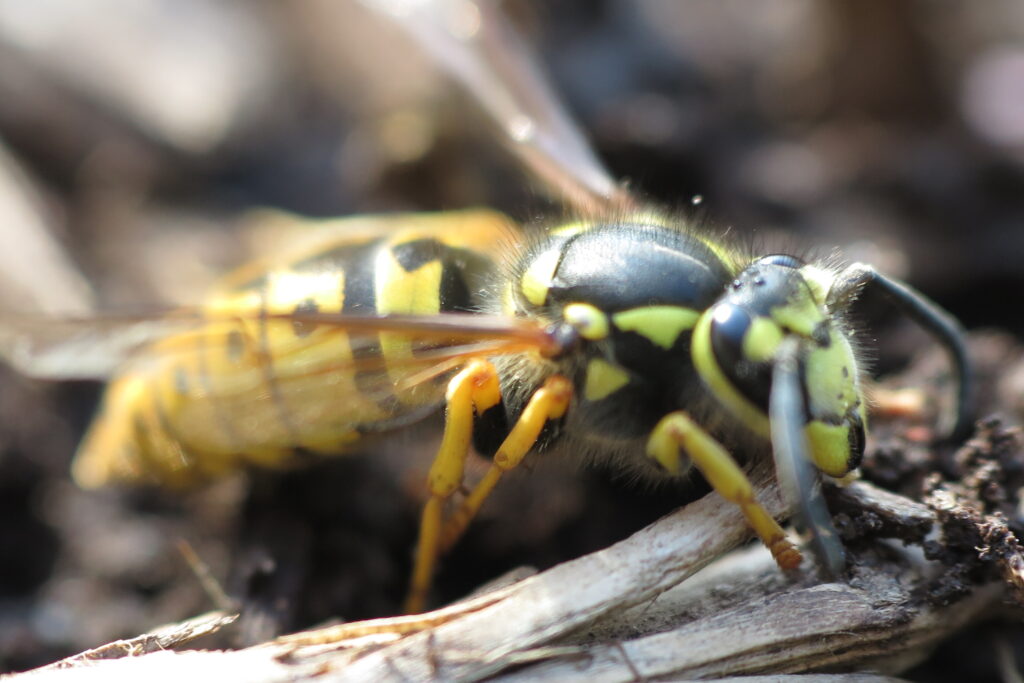
Quick Facts
Activity Type: Diurnal (Active During the Day)
Social Structure: Highly Social Colony Insect
Territorial Behavior: Defensive Around Nest Areas
Movement Style: Fast, Agile, and Direct Flight
Communication Method: Chemical Signals and Physical Contact
Defense Strategy: Colony Defense, Warning Displays, and Stinging
Yellowjacket Behavior and Daily Activity Overview
Yellowjackets are social wasps belonging to the genus Vespula, a group found across much of North America, Europe, and Asia. During the warmer months, they become one of the most noticeable flying insects in many landscapes. Their constant movement and visible presence often attract attention long before people realize they are observing a yellowjacket.
A yellowjacket observation often begins with a quick flash of yellow and black moving through the air. Individuals may appear and disappear rapidly while navigating around vegetation, structures, or open spaces. Unlike many insects that remain stationary for long periods, yellowjackets rarely stay in one place for very long.
Throughout much of their range, yellowjackets are encountered in environments where insect activity is high. Their visibility increases during the warmer portions of the year when colonies are active and workers regularly move throughout the surrounding landscape. This seasonal abundance contributes to their reputation as one of the most familiar social wasps.
From an observational perspective, yellowjackets appear purposeful and highly focused. Even when moving through an area without obvious urgency, they often seem to have a destination or objective. This impression of constant activity makes them stand out among many other insects that spend extended periods resting or remaining motionless.
Yellowjacket Behavioral Tendencies and Social Activity
Yellowjackets are among the most active insects found in many ecosystems. They rarely appear passive and often display a level of responsiveness that makes them seem constantly aware of their surroundings. Small changes in movement, sound, or nearby activity frequently trigger an immediate reaction.
When undisturbed, yellowjackets typically conduct routine activities with remarkable efficiency. Rather than wandering aimlessly, they move through the environment with a sense of direction. Their behavior can be compared to a delivery vehicle following a planned route rather than a tourist casually exploring unfamiliar territory.
Adaptability is one of their most notable behavioral traits. Yellowjackets quickly respond to changing conditions and adjust their activity accordingly. This flexibility contributes significantly to their success across a broad geographic range.
Unlike solitary insects that operate entirely on their own, yellowjackets function as members of a larger colony. Each individual contributes to the success of the group while carrying out specialized responsibilities. This collective organization allows colonies to maintain high levels of activity throughout the season.
Their awareness of surrounding conditions is often evident during close observation. A yellowjacket may alter its path, change direction, or investigate a new stimulus within seconds. Such responsiveness demonstrates how actively these insects process information from their environment.
Compared to butterflies, which may drift slowly from flower to flower, yellowjackets often appear far more focused and energetic. Their actions resemble those of a worker carrying out assigned tasks rather than an insect moving randomly through the landscape. This purposeful behavior contributes to their distinctive reputation.
Even during periods of lower activity, yellowjackets rarely seem inactive. Their tendency to remain alert and responsive creates the impression of an insect that is constantly prepared to react to changing circumstances.
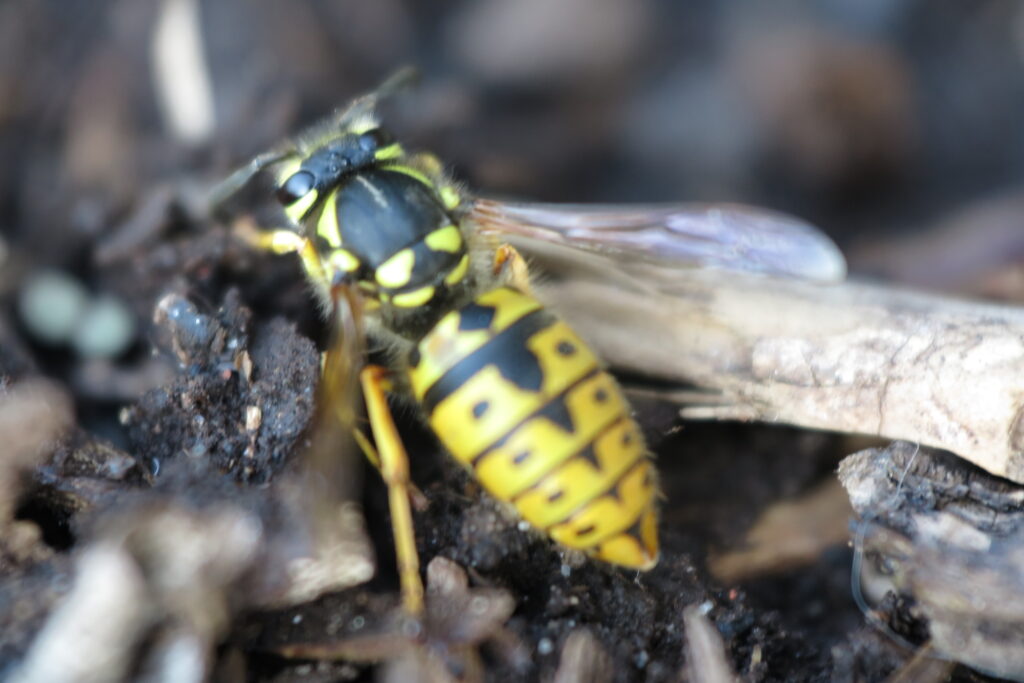
Yellowjacket Movement and Activity Patterns Throughout the Year
Yellowjackets are primarily active during daylight hours. Activity usually begins after temperatures rise in the morning and continues throughout much of the day. As evening approaches and temperatures decline, visible activity gradually decreases.
Flight is the primary form of movement and is characterized by speed and precision. Yellowjackets can change direction almost instantly, allowing them to maneuver through complex environments with ease. Their movement resembles a small helicopter making rapid adjustments rather than an airplane following a wide turning radius.
Short flights often alternate with brief landings. During these pauses, yellowjackets may inspect surfaces, vegetation, or other objects before taking off again. This stop-and-go pattern creates a dynamic style of movement that differs from insects that remain airborne continuously.
Seasonal changes strongly influence activity levels. Spring marks the beginning of colony development, while summer typically represents the period of greatest visible activity. By late summer and early autumn, populations often reach their highest numbers, making yellowjackets particularly noticeable.
Energy use remains closely tied to environmental conditions. Warm temperatures generally support greater activity, while cool or unfavorable weather reduces movement. During periods of low temperatures, yellowjackets conserve energy by limiting unnecessary activity.
The speed of yellowjacket flight can make tracking an individual difficult. They frequently move in direct lines before suddenly altering course. This behavior creates an appearance similar to a guided drone responding instantly to changing conditions.
Compared to crawling insects, yellowjackets cover large areas in relatively short periods. Their efficient flight allows them to move rapidly between locations while maintaining a high level of environmental awareness. This mobility is one of the defining characteristics of their daily activity patterns.
Yellowjacket Interaction and Survival Behavior
As social insects, yellowjackets rely heavily on interactions with other members of their colony. Communication occurs through chemical signals and physical contact that help coordinate colony activities. These interactions allow thousands of individuals to function as a highly organized community.
Defensive behavior is one of the most well-known aspects of yellowjacket survival. When potential threats approach important colony areas, workers may respond quickly and aggressively. This protective instinct helps safeguard the colony and contributes to the species’ long-term success.
Yellowjackets are highly sensitive to disturbances. Sudden movements, vibrations, or repeated disruptions may trigger increased alertness. This rapid response allows colonies to react to potential threats before direct contact occurs.
A specific example of survival behavior can be observed when a yellowjacket detects danger near a colony. Nearby workers often become more active and attentive within seconds. This immediate increase in defensive readiness demonstrates the effectiveness of their social communication system.
Interactions between colony members are generally cooperative rather than competitive. Individuals contribute to the overall success of the group rather than establishing dominance over one another. This coordinated structure differs dramatically from many solitary insect species.
Their survival strategy relies on a combination of awareness, communication, and collective defense. Rather than depending solely on individual strength, yellowjackets benefit from the protection provided by a large, organized colony. This approach allows them to respond effectively to many environmental challenges.
The behavior of yellowjackets illustrates the advantages of social living among insects. Through cooperation, rapid communication, and coordinated defensive responses, colonies function as highly efficient units capable of thriving across a wide variety of environments. These behavioral adaptations have helped make yellowjackets one of the most successful social wasp groups in the world.
Popular Searches About Yellowjackets
Explore Yellowjacket Guide
Explore More Wildlife

Support Encounters World
Help support wildlife photography and get behind the scenes discoveries on Patreon.