
Yellowjacket Diet: Food Sources, Hunting Habits, and Feeding Strategies
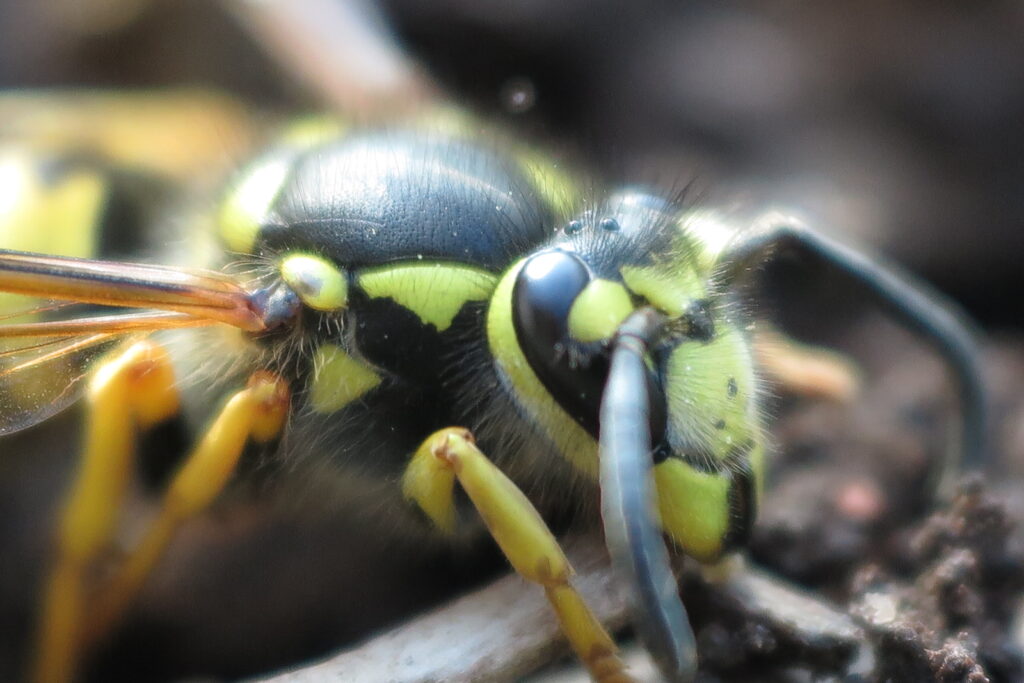
Quick Facts
Diet Type: Omnivore
Main Food Sources: Insects, Nectar, Fruit Sugars, and Sweet Liquids
Feeding Time: Primarily Daytime
Foraging Method: Hunting, Scavenging, and Resource Collection
Seasonal Diet Changes: Increased Sugar Consumption in Late Summer and Fall
Predatory Adaptations: Strong Mandibles, Keen Vision, and Cooperative Foraging
Yellowjacket Feeding Ecology and Food Acquisition
Yellowjackets are among the most adaptable feeding insects found throughout North America, Europe, and Asia. Their success across such a broad geographic range is partly due to their ability to exploit a variety of food resources. Unlike many insects that rely on a narrow range of foods, yellowjackets take advantage of multiple feeding opportunities throughout the year.
A yellowjacket moving through the landscape is often searching for resources that support both itself and its colony. These social wasps play an active role in gathering food, making them highly visible during the warmer months when colonies are at peak activity. Their constant movement often reflects the ongoing demand for nourishment within a growing colony.
Food availability changes considerably throughout the seasons, requiring yellowjackets to remain flexible. Resources abundant during spring may become less important later in the year as colony needs shift. This ability to adjust feeding priorities contributes greatly to their ecological success.
Because yellowjackets occupy a variety of ecosystems, their feeding habits influence numerous ecological relationships. They interact with flowering plants, insect populations, and many other organisms while obtaining food. These connections make diet an important part of understanding their role in nature.
Yellowjacket Diet Overview and Feeding Adaptability
Yellowjackets are best described as omnivores because they utilize both animal-based and plant-derived food resources. Their feeding strategy combines active hunting with opportunistic scavenging and resource collection. This flexibility allows them to thrive in environments where food availability changes throughout the year.
Compared to highly specialized pollinators that depend heavily on floral resources, yellowjackets display a much broader feeding strategy. They can obtain nutrition from numerous sources rather than relying on a single category of food. This versatility provides a significant survival advantage when environmental conditions fluctuate.
Diet composition often changes depending on the needs of the colony. Developing larvae require different nutritional resources than adult workers, creating a feeding system that supports multiple life stages simultaneously. As a result, yellowjackets gather a diverse assortment of foods rather than focusing exclusively on one resource.
Regional variation can also influence dietary habits. A yellowjacket colony in a woodland ecosystem may encounter different feeding opportunities than one located in an agricultural landscape or suburban area. Despite these differences, the overall omnivorous feeding strategy remains remarkably consistent.
A useful comparison can be made to raccoons among mammals. Just as raccoons utilize many available food sources rather than specializing in one, yellowjackets exploit a wide variety of feeding opportunities. This adaptability helps explain why both groups occur successfully across diverse environments.
Unlike some insects whose survival depends on a single plant species, yellowjackets remain opportunistic throughout much of their lives. Their ability to switch between food types allows colonies to continue functioning even when certain resources become scarce. This adaptability remains one of their most important ecological traits.
The overall diet of yellowjackets demonstrates a balance between flexibility and efficiency. Rather than specializing narrowly, they maintain a feeding strategy capable of supporting colonies across a broad range of environmental conditions.
Yellowjacket Natural Food Sources in the Wild
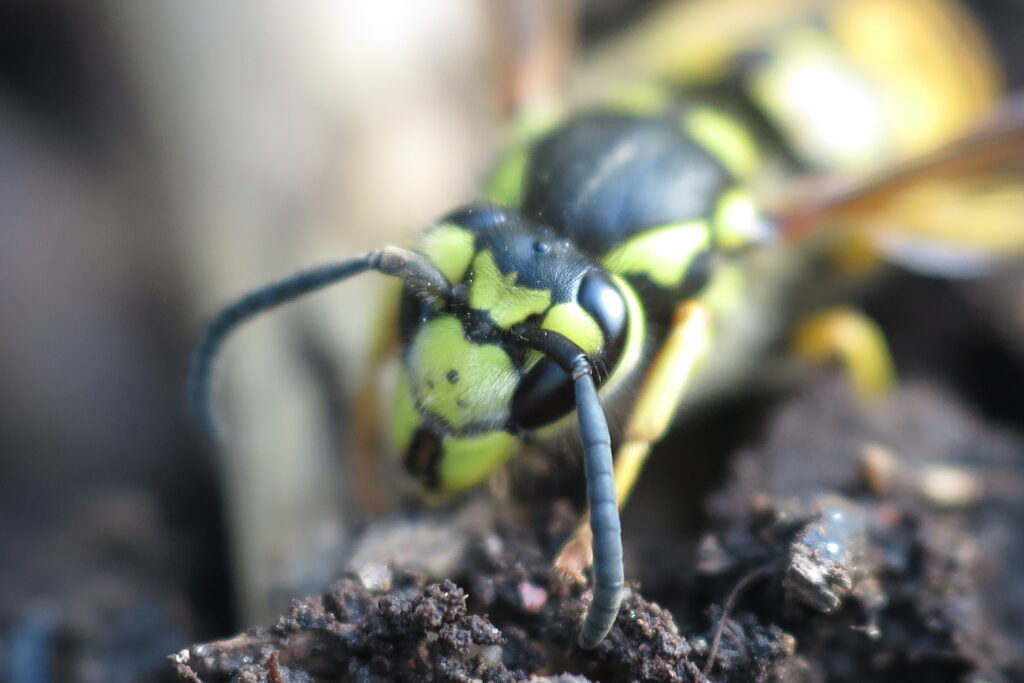
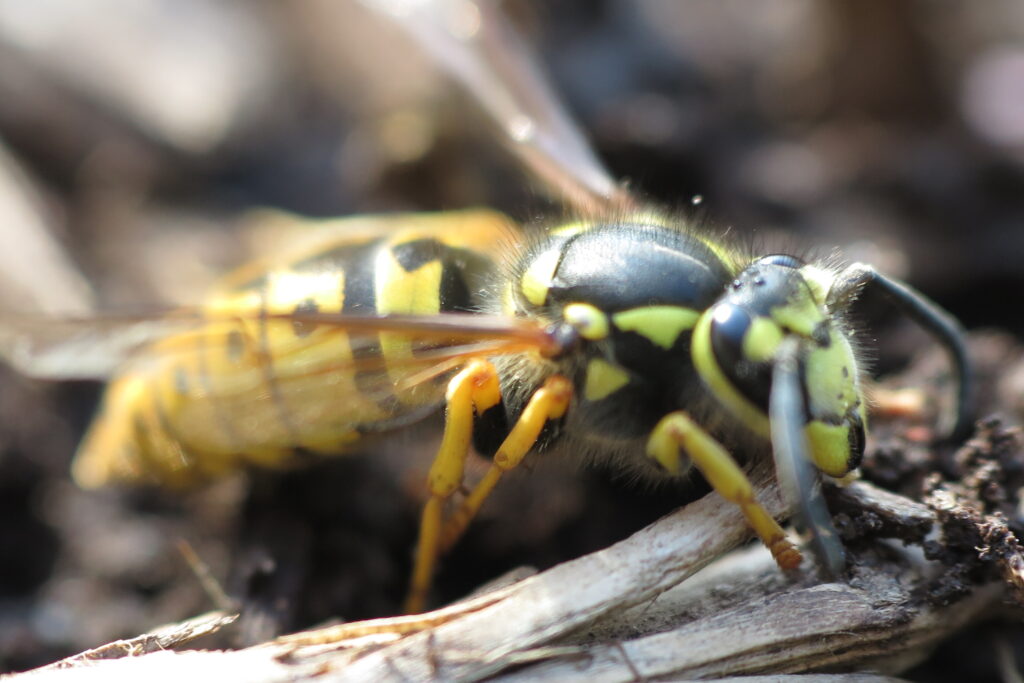
Insects represent one of the most important natural food sources utilized by yellowjackets. Workers frequently capture caterpillars, flies, beetles, and other small invertebrates. These protein-rich resources play a major role in supporting developing larvae within the colony.
Nectar from flowering plants serves as another important food source. While yellowjackets are not as specialized as bees, they regularly visit flowers to obtain sugary liquids. These resources provide readily available energy that helps fuel daily activities.
Fruit and plant-derived sugars become increasingly important during certain periods of the year. Overripe fruit, damaged berries, and naturally occurring sweet substances may attract yellowjackets seeking carbohydrate-rich resources. These foods help satisfy energy requirements when available.
Tree sap and other naturally occurring plant secretions can also contribute to the diet. Yellowjackets often investigate areas where sap is exposed, taking advantage of concentrated sugar sources. These opportunities may become particularly valuable when floral resources are limited.
Diet composition frequently shifts as seasonal conditions change. During periods when insect prey is abundant, protein resources may dominate collection efforts. At other times, sugary foods become increasingly important, especially for adult workers.
One commonly consumed food source is caterpillars. These soft-bodied insects provide substantial nutritional value and are frequently collected by workers. Their availability helps support colony growth during active portions of the season.
The diversity of foods consumed by yellowjackets highlights their opportunistic nature. By utilizing insects, nectar, fruits, sap, and other resources, they maintain a highly adaptable feeding strategy capable of supporting colonies under varying conditions.
Yellowjacket Feeding Behavior and Survival Strategies
Yellowjackets are active foragers that spend much of their time searching for food resources. Workers move through the environment using visual cues, scent detection, and exploration to locate potential feeding opportunities. Their efficiency in finding resources contributes significantly to colony success.
When hunting insects, yellowjackets rely on quick reactions and strong mandibles. Prey may be captured directly or collected after being located on vegetation and other surfaces. This active hunting strategy allows colonies to secure protein resources needed for developing larvae.
Scavenging behavior also plays an important role in feeding. Yellowjackets frequently investigate available food sources and take advantage of opportunities encountered during routine activity. This willingness to exploit multiple resource types increases overall feeding success.
Competition occasionally occurs when multiple yellowjackets or other insects are attracted to the same resource. In such situations, yellowjackets often remain persistent and efficient in gathering food. Their social nature allows colonies to maintain a steady flow of collected resources even when competition exists.
A useful example of feeding adaptation can be observed during late summer and autumn. As colony needs change, workers often seek sugary foods more aggressively than earlier in the season. This shift reflects changing nutritional demands and demonstrates the flexibility of their feeding behavior.
Energy conservation also influences feeding decisions. Yellowjackets typically gather resources in ways that maximize returns while minimizing unnecessary effort. Their direct flight paths and focused searching behavior help reduce wasted energy during foraging trips.
The feeding behavior of yellowjackets combines hunting, scavenging, resource gathering, and adaptability into a highly effective system. Through efficient foraging and flexible food selection, colonies secure the resources needed to survive and grow throughout the active season. These feeding strategies help explain why yellowjackets remain among the most successful social wasps in the world.
Popular Searches About Yellowjackets
Explore Yellowjacket Guide
Explore More Wildlife

Support Encounters World
Help support wildlife photography and get behind the scenes discoveries on Patreon.