
Gold Laced Wyandotte Chick Guide: Appearance, Growth Stages, and Development
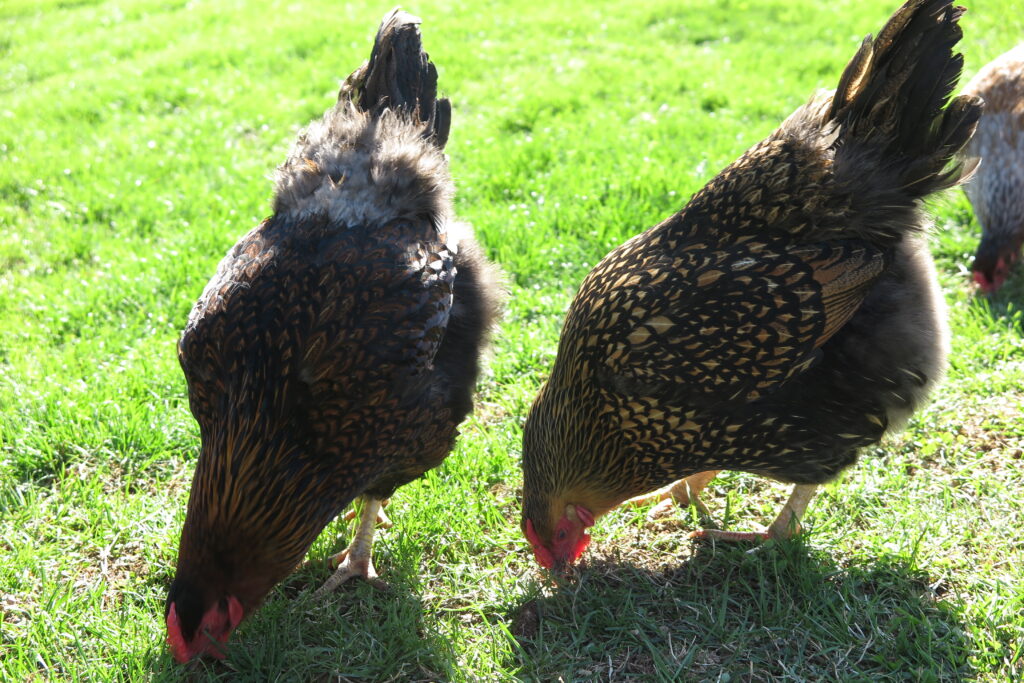
Quick Facts
Hatch Size: Approximately 1.5–2 inches tall
Growth Rate: Moderate
Adult Weight: 6–8.5 pounds when mature
Lifespan: 6–12 years
Global Range: Domestic breed found worldwide
Breed Status: Heritage Chicken Breed
Notable Feature: Develops the famous black-laced feather pattern as it matures
Introduction to Gold Laced Wyandotte Chicks
Gold Laced Wyandotte chicks represent the earliest stage of one of the most visually striking heritage chicken breeds in the world. Developed from the historic Wyandotte breed, these chicks eventually grow into adults known for their intricate black-laced golden plumage. Today, Gold Laced Wyandotte chicks are raised on farms, homesteads, and backyard poultry operations across numerous countries.
At hatch, these chicks look dramatically different from the adults they will eventually become. Instead of displaying the famous laced feather pattern, newly hatched birds are covered in soft down and possess a much simpler appearance. Their early coloration provides only subtle hints of the elaborate plumage that develops later.
The breed remains popular among poultry keepers because watching the transformation from chick to adult is a fascinating process. Each stage introduces new colors, feather structures, and physical characteristics. As a result, Gold Laced Wyandotte chicks are often considered some of the most rewarding heritage birds to raise and observe.
Whether viewed in a brooder, a small farm setting, or a backyard flock, young Gold Laced Wyandottes display a unique combination of growth and visual development. Their journey from fluffy hatchlings to highly patterned adults highlights many of the traits that have made the breed famous among poultry enthusiasts worldwide.
Gold Laced Wyandotte Chick Appearance and Early Development
Gold Laced Wyandotte chicks typically hatch with soft down that ranges from pale yellow to warm brown. Many individuals display darker markings around the back, wings, or head, creating subtle patterns even during the earliest stages of life. These markings often serve as the first indication that the chick will eventually develop more complex plumage.
Freshly hatched chicks are small enough to fit comfortably in the palm of a hand. Their bodies appear rounded and compact, with relatively large eyes and short legs. This proportion gives them the classic fluffy appearance commonly associated with young poultry.
During the first several weeks, true feathers gradually begin replacing the soft down. Wing feathers are often among the earliest to emerge, creating visible contrasts between juvenile feathers and remaining fluff. At this stage, the birds can appear patchy as different areas develop at varying rates.
One of the most interesting aspects of Gold Laced Wyandotte development is the gradual appearance of darker feather edges. While the famous laced pattern is not immediately visible, young birds often begin showing hints of black coloration as new feathers emerge. These early markings become increasingly pronounced with age.
Compared to many solid-colored chicken breeds, Gold Laced Wyandotte chicks undergo a far more dramatic visual transformation. A chick that begins life with simple brown-and-yellow down eventually develops one of the most intricate feather patterns found in domestic poultry. This progression makes their growth especially interesting to observe.
By the time juvenile birds are fully feathered, much of the foundation for the adult plumage has already appeared. Although the final coloration may continue improving for months, the overall pattern becomes recognizable long before full maturity. This gradual development is one of the defining features of the breed’s early life stages.
Distinctive Characteristics of Gold Laced Wyandotte Chicks
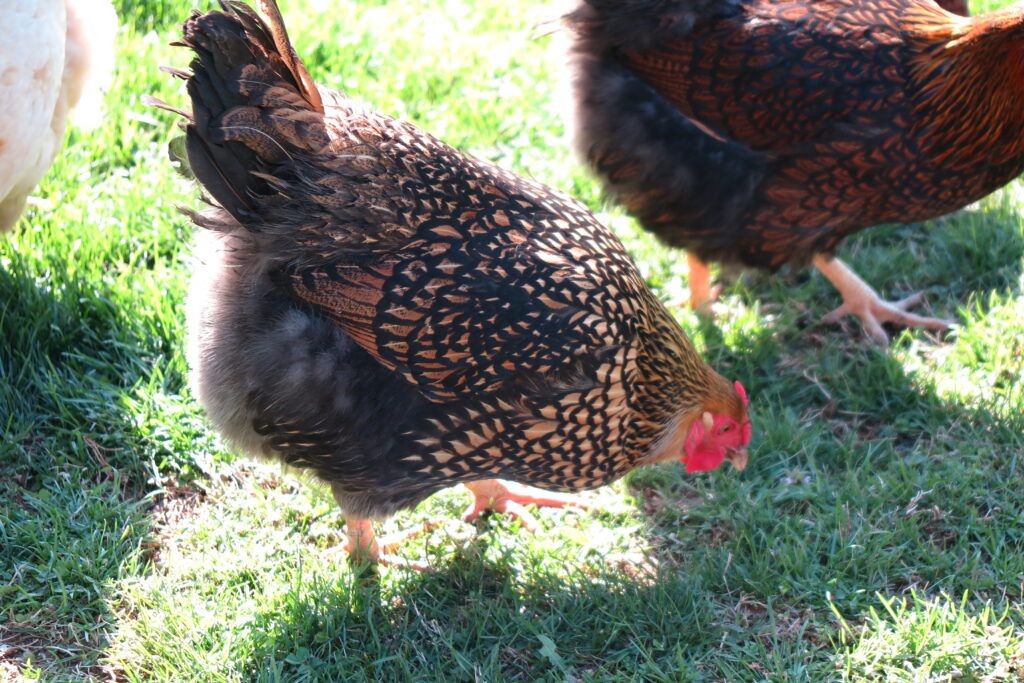
One of the most recognizable characteristics of Gold Laced Wyandotte chicks is their sturdy body structure. Even at a young age, they often appear broader and more compact than many lighter chicken breeds. This stocky build reflects the substantial frame they will possess as adults.
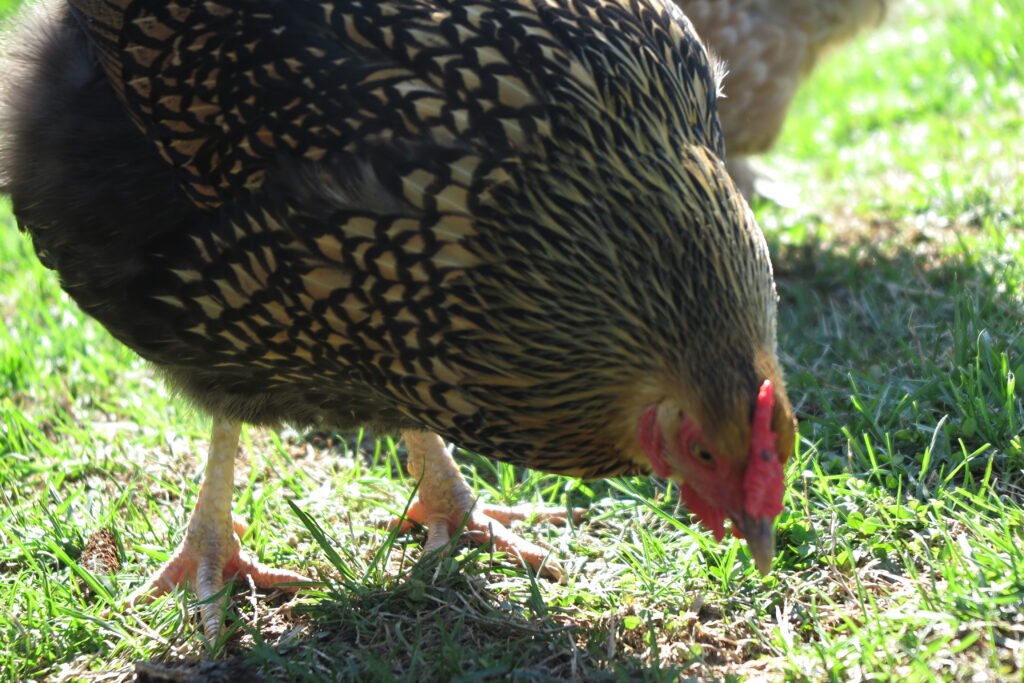
Their developing feather pattern is another defining trait. Unlike chicks that mature into uniformly colored birds, Gold Laced Wyandottes gradually reveal increasingly complex markings throughout growth. Each new set of feathers contributes to the formation of the characteristic laced appearance.
The breed also demonstrates strong consistency in physical proportions. Young birds typically develop a balanced shape that includes a broad chest, sturdy legs, and a compact profile. These structural features help distinguish them from more slender heritage breeds.
Another unique feature is the gradual formation of the rose comb. Although small at hatch, this comb type eventually develops into one of the breed’s signature characteristics. Unlike the upright single comb seen in many chickens, the rose comb grows close to the head and follows a low-profile shape.
Color development can vary slightly between individuals, but most Gold Laced Wyandotte chicks follow a predictable pattern of increasing contrast. The darker feather edging becomes more visible over time, while golden tones gradually strengthen. This combination eventually produces the breed’s famous ornamental appearance.
The overall effect is comparable to watching a detailed artwork emerge layer by layer. Each stage reveals new elements that contribute to the final design. Few domestic chicken breeds undergo such a visually dramatic transformation between hatchling and adulthood.
Gold Laced Wyandotte Chicks and Their Importance in Poultry Conservation
Gold Laced Wyandotte chicks play an essential role in maintaining one of America’s most important heritage chicken breeds. Every adult bird begins as a hatchling, making chicks the foundation of future breeding populations. Their successful development ensures the continuation of valuable genetic traits preserved over generations.
Heritage poultry conservation depends heavily on raising healthy young birds. As commercial poultry production increasingly focuses on specialized strains, breeds such as the Gold Laced Wyandotte help preserve genetic diversity within domestic chickens. Each new generation contributes to the long-term survival of traditional poultry bloodlines.
Chicks also serve an important educational purpose. Farms, agricultural programs, and poultry exhibitions often use young birds to teach visitors about growth, development, and animal husbandry. Watching a chick mature into a fully feathered adult provides a clear example of biological development in domestic animals.
Breeding programs rely on chicks to maintain desirable characteristics such as feather quality, body structure, and breed-standard coloration. Careful selection allows breeders to preserve the traits that have made Gold Laced Wyandottes famous for more than a century. Without healthy young birds, these characteristics could gradually disappear.
The presence of thriving chicks also supports sustainable poultry keeping. Homesteads and small farms often raise replacement birds from younger generations, reducing reliance on outside sources and helping maintain healthy flock populations. This practice contributes to both breed preservation and agricultural resilience.
Although small and vulnerable during their earliest days, Gold Laced Wyandotte chicks represent the future of the breed. Their growth into mature adults supports conservation efforts, poultry education, and heritage livestock preservation. Through each new generation, they help ensure that one of the world’s most beautiful chicken breeds continues to thrive.
Popular Searches About Gold Laced Wyandotte
Explore Gold Laced Wyandotte Guide
Explore More Domestic Animals

Support Encounters World
Help support wildlife photography and get behind the scenes discoveries on Patreon.