
Gold Laced Wyandotte Egg Color Guide: What Color Eggs Do Gold Laced Wyandottes Lay?
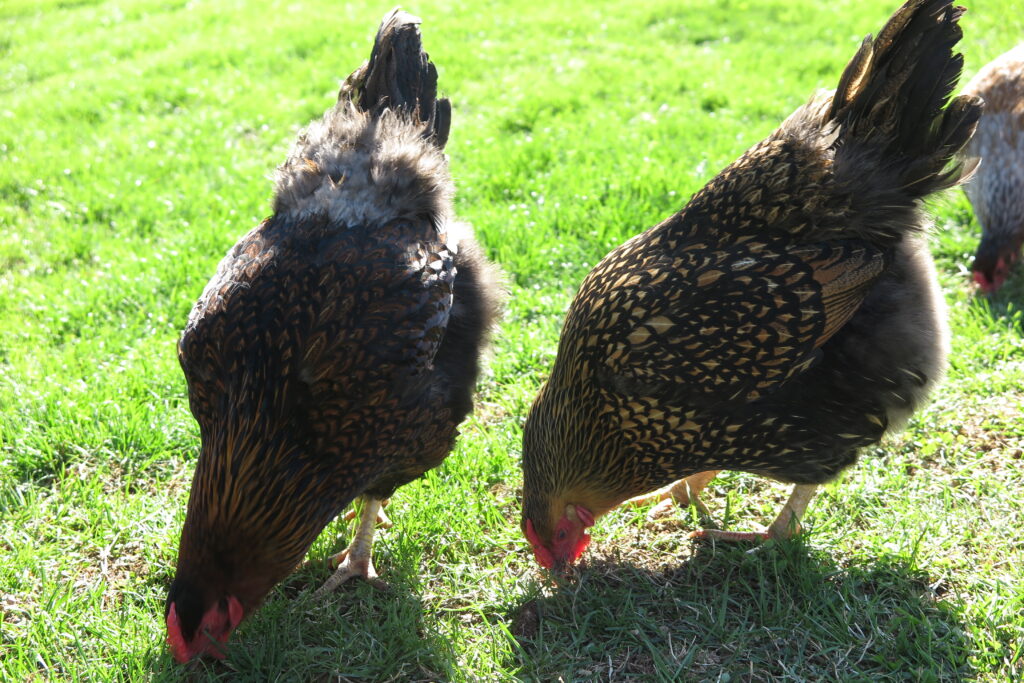
Quick Facts
Egg Shell Color: Light Brown to Medium Brown
Egg Tint Variations: Tan, warm brown, and occasionally darker shades
Average Egg Size: Medium to Large
Annual Egg Production: 180–260 Eggs Per Year
Global Range: Domestic breed found worldwide
Breed Status: Heritage Chicken Breed
Notable Feature: Produces attractive brown eggs with consistent shell coloration
Introduction to Gold Laced Wyandotte Egg Color
The Gold Laced Wyandotte is one of the most recognizable heritage chicken breeds, admired for both its striking feather pattern and dependable egg production. Among poultry keepers, one of the most common questions involves the color of eggs laid by this breed. While the elaborate plumage often attracts attention first, the eggs themselves are an important part of what makes Gold Laced Wyandottes so popular.
Developed in the United States during the late nineteenth century, the breed was created as a practical farm chicken capable of contributing to food production while maintaining an attractive appearance. Over time, Gold Laced Wyandottes became valued not only for their beauty but also for their reliable brown egg production. Today, they remain common in backyard flocks, homesteads, and agricultural settings around the world.
Freshly laid Gold Laced Wyandotte eggs often stand out because of their warm earth-toned coloration. Unlike white-shelled eggs produced by some breeds, these eggs display natural shades of brown that many poultry enthusiasts associate with traditional farm chickens. Their appearance fits well alongside other heritage poultry breeds known for producing colored eggs.
For many flock owners, egg color adds an extra level of interest to poultry keeping. Collecting eggs from different breeds can create a basket filled with a variety of natural shell colors. Gold Laced Wyandottes contribute their distinctive brown eggs to this colorful assortment while remaining one of the most dependable heritage layers available.
Gold Laced Wyandotte Egg Color Overview and Appearance
Gold Laced Wyandotte hens are best known for producing light brown to medium brown eggs. The exact shade varies between individual hens, but most eggs fall within a consistent range of warm brown tones. These colors often resemble coffee with cream, light milk chocolate, or polished tan stone.
Fresh eggs frequently display a smooth and even coloration across the shell surface. Unlike some breeds that produce heavily speckled eggs, Gold Laced Wyandottes generally lay eggs with a more uniform appearance. This consistency contributes to their attractive presentation when collected in groups.
Shell color may appear slightly different depending on lighting conditions. Eggs viewed outdoors in sunlight often reveal richer brown tones, while indoor lighting can make the shells appear softer and lighter. These subtle visual differences create additional variation without changing the overall color category.
Compared to white egg-laying breeds such as Leghorns, Gold Laced Wyandottes produce eggs that immediately stand out because of their earthy appearance. The warm shell coloration often gives the eggs a more traditional farm-fresh look that many poultry keepers find appealing.
Individual hens can also show slight differences in pigmentation. Some birds consistently produce lighter tan eggs, while others lay shells with noticeably deeper brown shades. Even within the same flock, these small variations contribute to a naturally diverse egg basket.
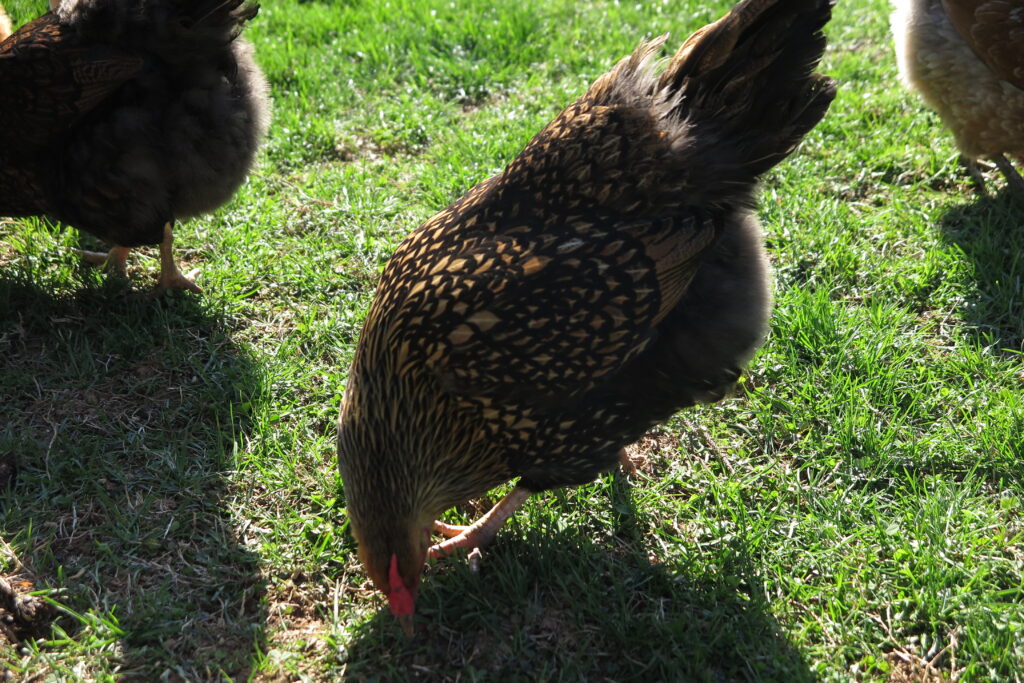
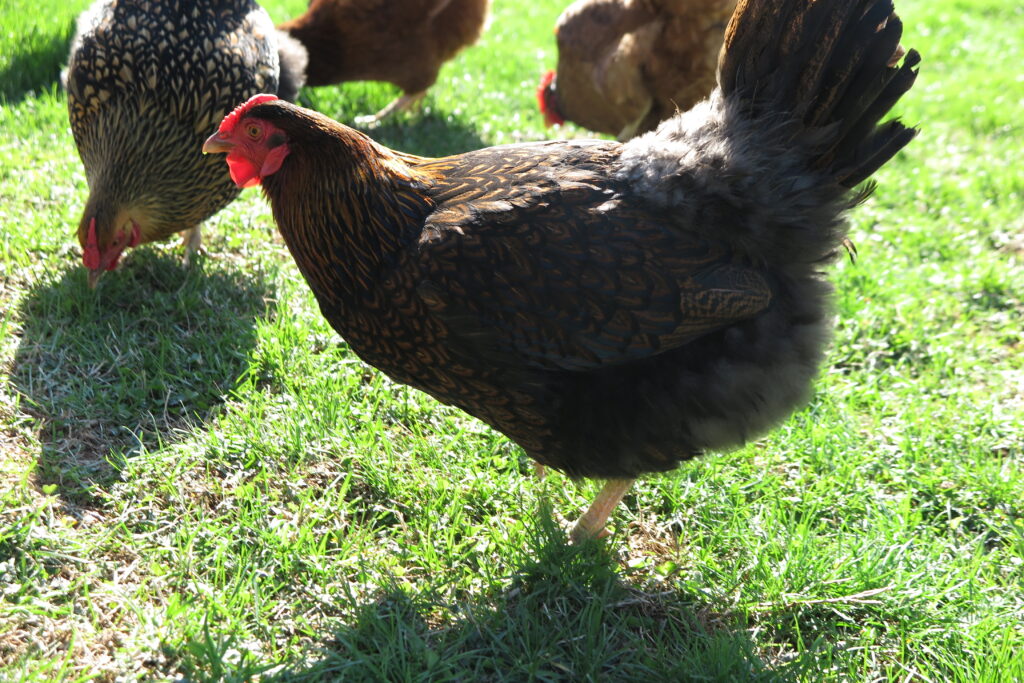
The shells themselves often complement the breed’s overall heritage image. Just as the birds display rich gold and black plumage, their eggs possess natural colors associated with traditional poultry farming. This visual connection helps reinforce the breed’s identity as a classic American heritage chicken.
Factors That Influence Gold Laced Wyandotte Egg Color
Although Gold Laced Wyandottes are known for brown eggs, several factors can influence the exact shade produced by individual hens. Genetics plays the largest role, determining how much pigment is deposited on the shell during egg formation. Different bloodlines may therefore produce slightly different color tones.
Age is another important factor affecting shell appearance. Young hens often begin laying eggs that vary somewhat in color as their reproductive systems mature. Over time, shell coloration generally becomes more consistent, although slight fluctuations can still occur throughout the bird’s life.
Seasonal influences may also affect egg color intensity. During periods of heavy laying, some hens produce eggs that appear marginally lighter than those laid during slower production cycles. These changes are typically subtle and remain within the normal range for the breed.
Nutrition contributes indirectly to shell quality and appearance as well. While diet does not completely determine egg color, healthy hens receiving balanced nutrition often produce eggs with more consistent shell characteristics. Strong shell formation helps maintain the clean appearance associated with Gold Laced Wyandotte eggs.
Stress and environmental conditions can occasionally influence pigmentation levels. Temporary changes in laying patterns sometimes result in slight color variation from one egg to the next. These fluctuations are generally short-lived and do not indicate any problem with the bird’s health.
Compared to breeds that produce blue or green eggs, Gold Laced Wyandottes demonstrate relatively stable shell coloration. Their brown eggs remain predictable and recognizable, making them a reliable choice for poultry keepers who appreciate consistency in egg appearance.
Gold Laced Wyandotte Egg Color and Its Importance in Poultry Keeping
Egg color has become an increasingly important aspect of backyard poultry keeping. Many flock owners choose multiple breeds specifically to create a diverse collection of shell colors. Gold Laced Wyandottes play a valuable role in these flocks by contributing dependable brown eggs that complement white, blue, green, and cream-colored varieties.
The popularity of brown eggs is rooted partly in their association with traditional farming. Many people view brown-shelled eggs as symbols of heritage poultry and small-scale agriculture. Gold Laced Wyandottes help preserve this connection by continuing to produce the shell color most commonly associated with classic farm chickens.
Educational farms frequently use egg color comparisons to teach visitors about poultry genetics. Gold Laced Wyandotte eggs provide an excellent example of naturally pigmented brown shells, helping demonstrate how different breeds contribute unique characteristics to egg production. This makes them useful tools for agricultural outreach programs.
From a practical perspective, shell color does not significantly affect nutritional value. A brown egg from a Gold Laced Wyandotte contains the same basic nutritional components as a white egg from another breed. The difference is largely aesthetic, though many poultry enthusiasts enjoy the visual variety that colored eggs provide.
Brown eggs also contribute to the appeal of farmers markets and local food production. Baskets filled with naturally colored eggs often attract attention and highlight the diversity available through heritage poultry keeping. Gold Laced Wyandotte eggs frequently play an important role in these displays.
More than a century after the breed’s development, Gold Laced Wyandottes continue to be appreciated for their dependable brown egg production. Their attractive shell coloration, combined with reliable laying performance, has helped secure their place among the most respected heritage chicken breeds in the world. For poultry keepers seeking beautiful birds and appealing eggs, the Gold Laced Wyandotte remains an outstanding choice.
Popular Searches About Gold Laced Wyandotte
Explore Gold Laced Wyandotte Guide
Explore More Domestic Animals

Support Encounters World
Help support wildlife photography and get behind the scenes discoveries on Patreon.