
Gold Laced Wyandotte Facts Guide: Interesting Facts, Traits, and Breed Information
Quick Facts
Origin Country: United States
Breed Type: Heritage Dual-Purpose Chicken
Average Weight: 6–8.5 Pounds
Average Lifespan: 6–12 Years
Egg Color: Light Brown to Medium Brown
Global Range: Domestic breed found worldwide
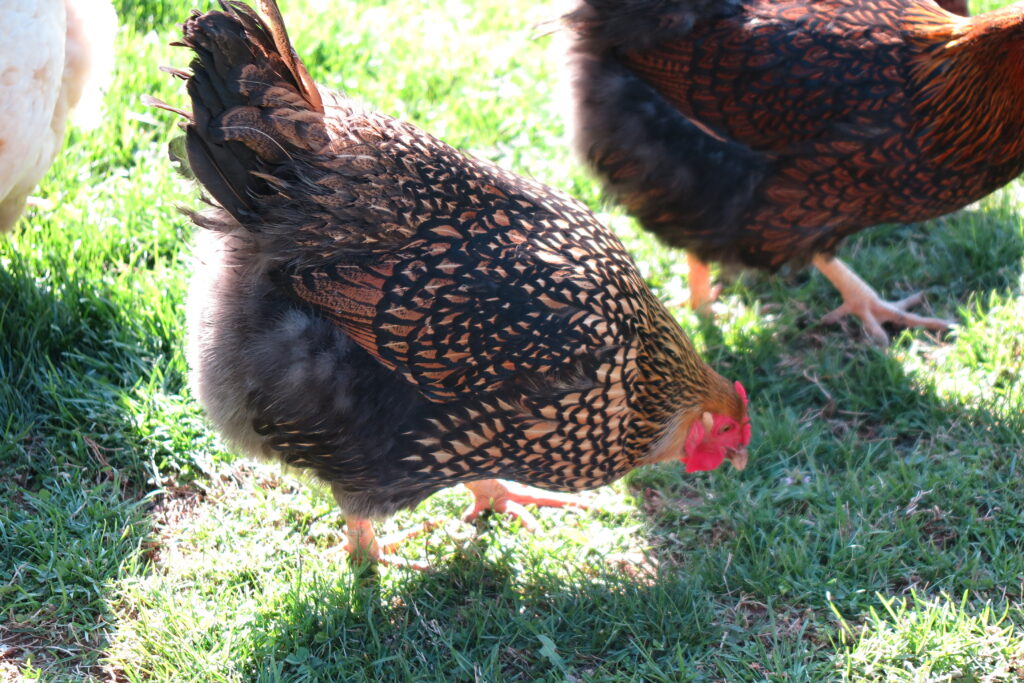
Notable Feature: Intricate black-laced golden feather pattern
Introduction to Gold Laced Wyandotte Facts
The Gold Laced Wyandotte is one of the most recognizable heritage chicken breeds in the world. Known for its striking feather pattern and long history in American poultry breeding, the breed has remained popular for more than a century. Today, it can be found on farms, homesteads, exhibition grounds, and backyard poultry flocks across numerous countries.
Many people first encounter the Gold Laced Wyandotte because of its appearance, but the breed’s story extends far beyond its feathers. It has played an important role in agricultural history, poultry conservation, and the development of heritage chicken breeding. These contributions have helped establish it as one of the most respected domestic chicken breeds still raised today.
The breed’s popularity spans multiple generations of poultry enthusiasts. Whether someone is interested in livestock history, backyard chickens, or exhibition birds, the Gold Laced Wyandotte frequently appears among recommended heritage breeds. Its combination of beauty, practicality, and historical significance continues to attract new admirers.
Learning about the breed reveals a collection of fascinating facts that help explain its lasting success. From its American origins to its remarkable feather pattern, the Gold Laced Wyandotte offers a unique example of how careful breeding can create a chicken that remains both useful and visually impressive.
Fascinating Gold Laced Wyandotte Facts and Breed Highlights
One of the most interesting facts about the Gold Laced Wyandotte is that it was the first recognized Wyandotte variety. Although numerous color forms exist today, the Gold Laced variety helped establish the foundation for the entire breed family. Its success encouraged breeders to develop additional color varieties over time.
Another notable fact involves the breed’s name. The Wyandotte was named after the Wyandot people, a Native American nation. While the connection was symbolic rather than biological, the name became permanently associated with one of America’s most successful poultry breeds.
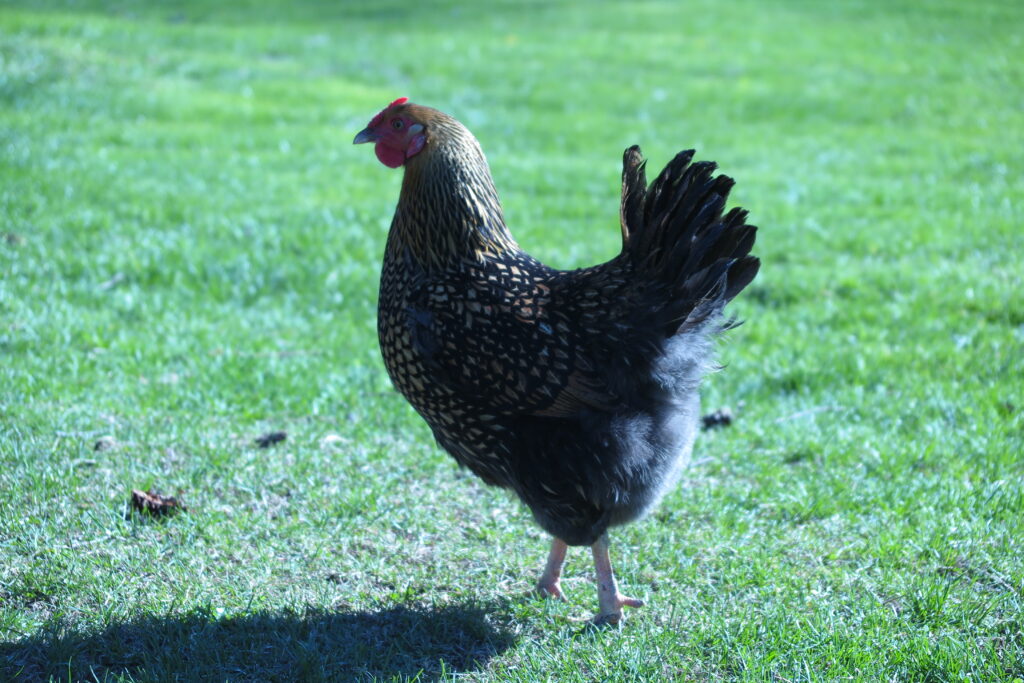
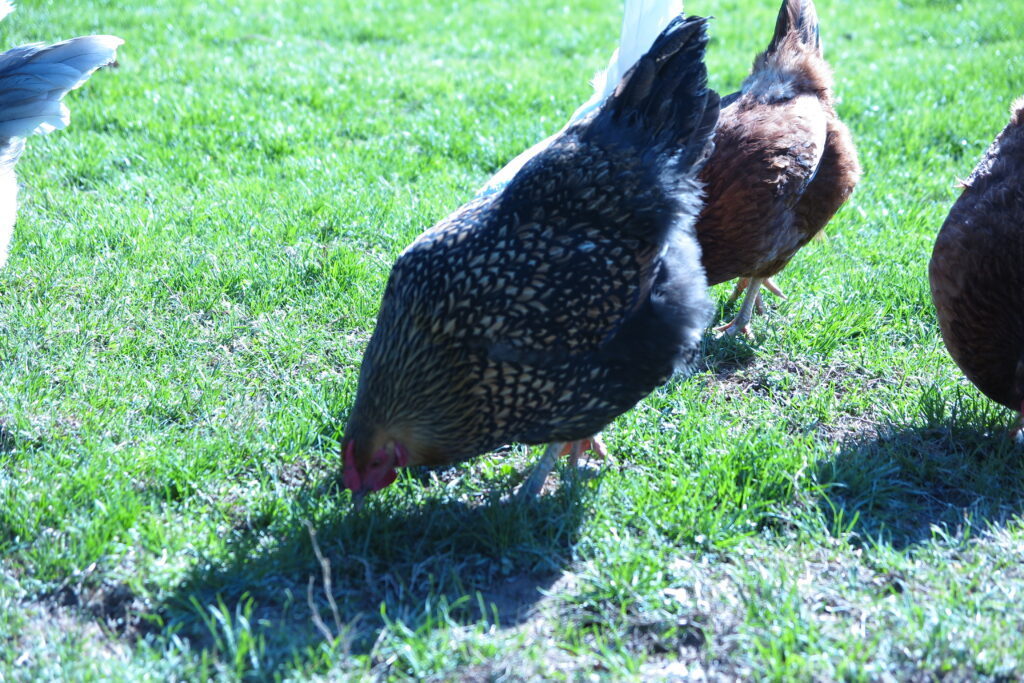
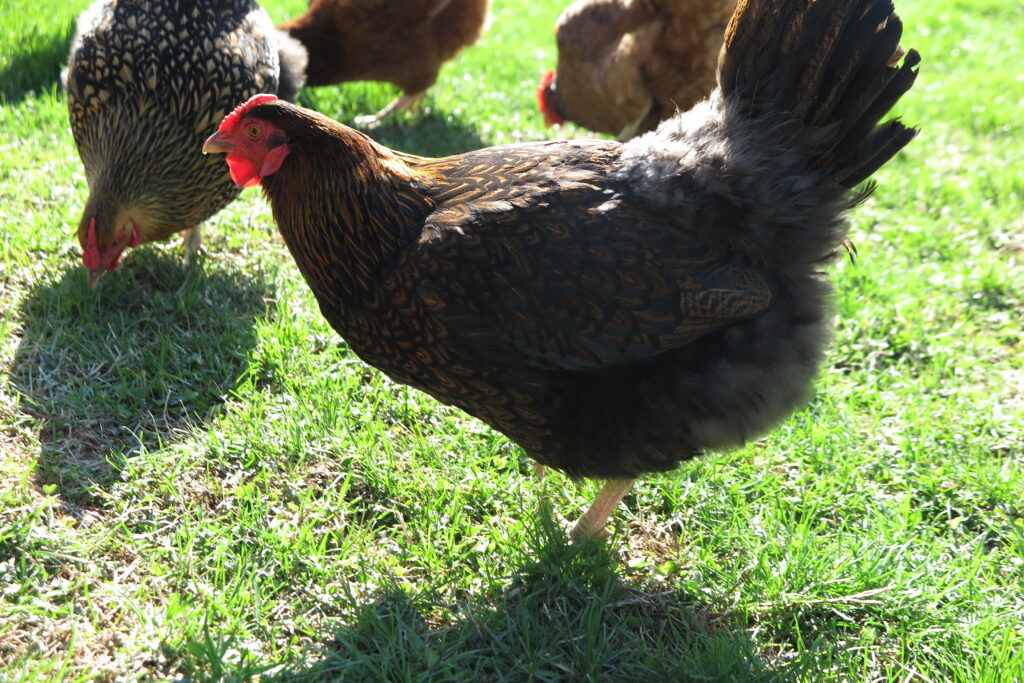
The feather pattern itself represents one of the most complex visual designs found in domestic chickens. Each feather contains a golden center surrounded by a black edge, creating a layered appearance across the bird’s body. This effect resembles decorative artwork more than traditional livestock coloration.
Gold Laced Wyandottes are also among the most recognizable exhibition chickens. Poultry judges often evaluate birds based on the precision of their feather lacing, body structure, and overall symmetry. High-quality specimens can display exceptionally consistent patterning across nearly every feather.
Another fascinating fact is the breed’s dual-purpose heritage. Unlike specialized poultry strains developed exclusively for eggs or meat, Gold Laced Wyandottes were bred to serve multiple functions. This versatility contributed greatly to their popularity among farmers during the late nineteenth and early twentieth centuries.
The breed’s distinctive rose comb is another defining characteristic. Unlike the tall single comb seen on many chickens, the rose comb follows the contour of the head. This feature helps distinguish Wyandottes from numerous other heritage breeds at a glance.
Unique Characteristics That Make Gold Laced Wyandottes Special
One of the most unusual aspects of the Gold Laced Wyandotte is how dramatically its appearance changes throughout development. Chicks hatch with simple down coloration and gradually develop the famous laced pattern as they mature. Watching this transformation is often considered one of the most rewarding aspects of raising the breed.
The breed also possesses a remarkably balanced body structure. Broad, rounded, and compact, Gold Laced Wyandottes have a distinctive silhouette that differs from the slimmer profiles of Mediterranean breeds. Their sturdy appearance reflects generations of selective breeding focused on practicality and durability.
Another interesting characteristic is the consistency of the feather pattern. Many animals display random markings, but Gold Laced Wyandottes exhibit an organized design that extends across much of the body. This level of uniformity is one reason the breed remains highly respected among exhibition breeders.
Sunlight often reveals hidden details within the plumage. Golden feathers can appear bronze or copper-colored under certain lighting conditions, while black feather edges sometimes display green iridescence. These subtle visual effects make the birds appear different depending on the time of day and viewing angle.
The breed’s worldwide popularity is another noteworthy trait. Despite originating in the United States, Gold Laced Wyandottes are now raised on multiple continents. Their broad international distribution highlights the appeal of their appearance and heritage status.
Compared to many modern poultry strains, Gold Laced Wyandottes maintain a stronger connection to historical breeding traditions. Their continued popularity reflects an appreciation for heritage livestock and the preservation of older agricultural bloodlines. This historical significance remains one of the breed’s most important qualities.
Gold Laced Wyandotte Facts and Their Importance in Agriculture
Many facts about the Gold Laced Wyandotte help explain its role within agricultural systems. As a heritage breed, it contributes to maintaining genetic diversity among domestic poultry populations. Preserving diverse livestock genetics becomes increasingly important as agriculture relies more heavily on specialized commercial strains.
The breed also serves as an educational resource. Agricultural fairs, livestock exhibitions, and educational farms frequently showcase Gold Laced Wyandottes because of their striking appearance and historical importance. Visitors often learn about poultry breeding, conservation, and livestock management through exposure to the breed.
Another important fact involves heritage breed preservation. Organizations dedicated to livestock conservation frequently encourage the maintenance of traditional poultry breeds such as the Gold Laced Wyandotte. Continued breeding efforts help ensure that valuable genetic traits remain available for future generations.
Gold Laced Wyandottes have also become ambassadors for backyard poultry keeping. Their attractive appearance often introduces newcomers to the broader world of heritage chickens. Once people become interested in the breed, they frequently develop a deeper appreciation for poultry diversity and conservation.
From a cultural perspective, the breed represents a living connection to American agricultural history. Its development occurred during a period when poultry breeding was rapidly evolving, and many of the standards established during that era remain influential today. Few chicken breeds illustrate this history as effectively as the Gold Laced Wyandotte.
More than a century after its creation, the Gold Laced Wyandotte continues to captivate poultry enthusiasts around the world. Its fascinating history, distinctive appearance, and agricultural importance provide countless interesting facts that explain why it remains one of the most admired heritage chicken breeds ever developed.
Popular Searches About Gold Laced Wyandotte
Explore Gold Laced Wyandotte Guide
Explore More Domestic Animals

Support Encounters World
Help support wildlife photography and get behind the scenes discoveries on Patreon.