
How Old Is This White-Tailed Deer Antler? | Aging Antler Fragments and Weathering Stages
Quick Facts
Bone Category: Antler
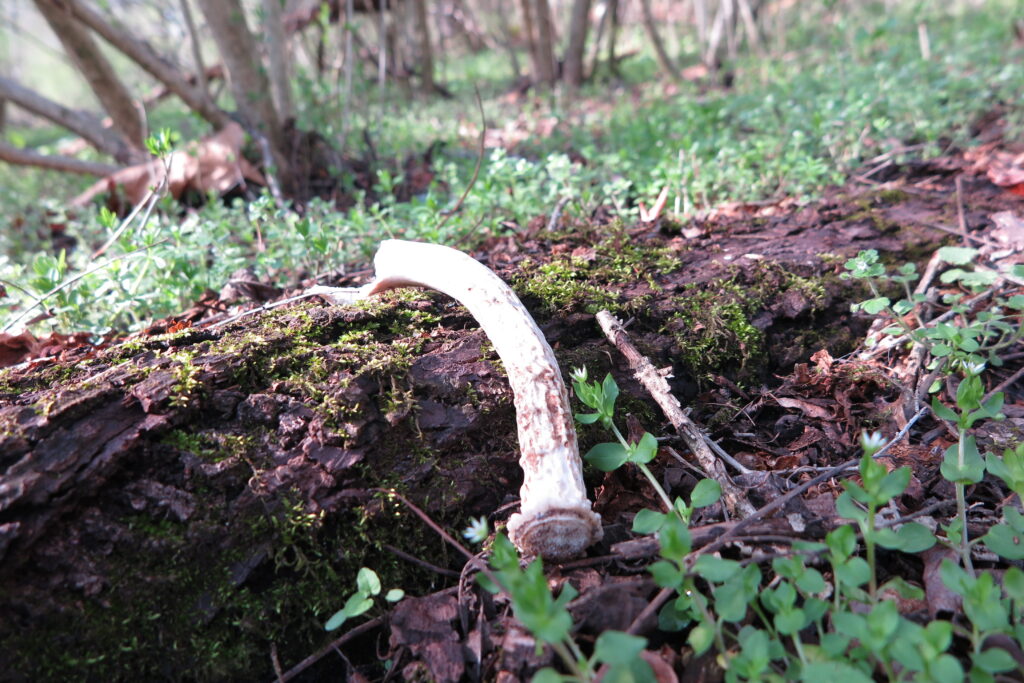
Estimated Age: Multiple Years Exposed
Condition: Weathered, Fragmented, Chewed
Key Aging Indicators: Color fading, surface wear, chew marks, rounded edges, weathering cracks
Size Estimate: Approximately 8–12 Inches
Estimating the Age of a White-Tailed Deer Antler Fragment
One of the most common questions people ask after finding a shed antler is how long it has been lying on the landscape. Unlike tree rings or certain archaeological materials, antlers do not provide an exact age that can be determined through a quick visual inspection. Instead, age estimates rely on a combination of weathering patterns, coloration, structural condition, and environmental exposure.
White-tailed deer shed antlers every year, creating millions of antlers scattered across North America. Some remain visible for only a short period before being damaged, buried, or consumed by animals. Others persist for years and gradually record the effects of weather, sunlight, moisture, and wildlife activity.
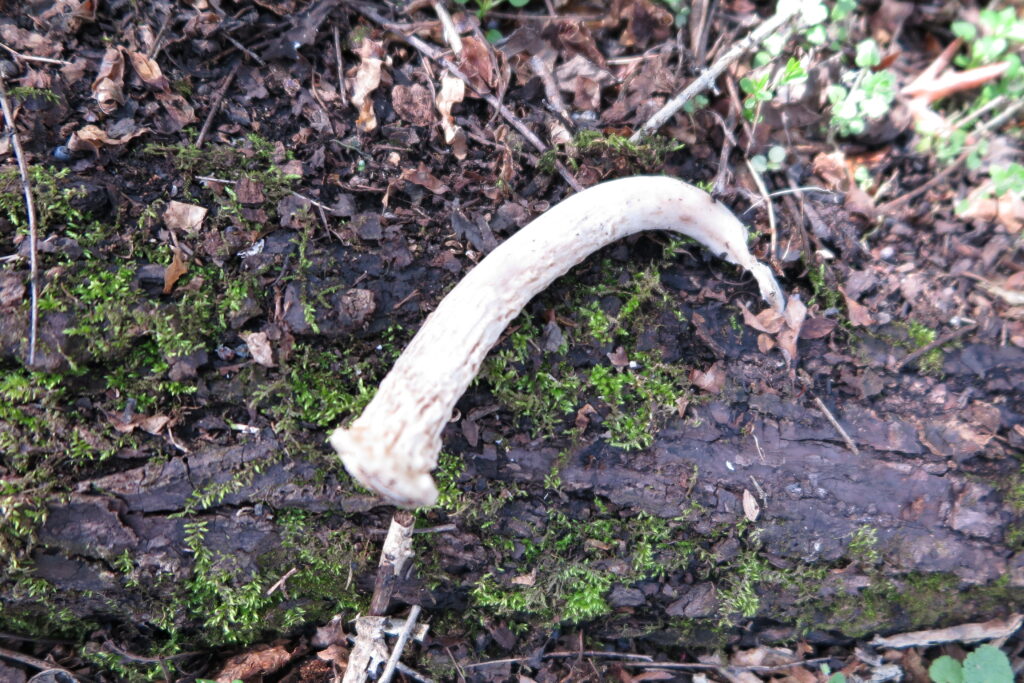
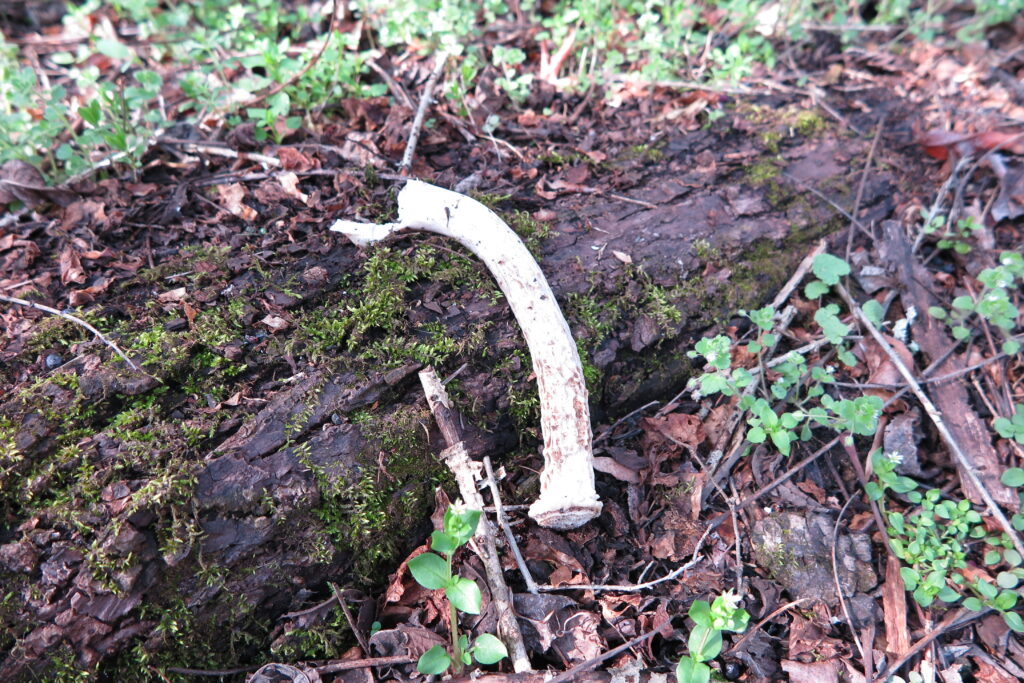
The antler fragment documented here displays several clues that suggest prolonged exposure. The pale coloration, rounded break surfaces, visible chew marks, and overall weathered appearance indicate that it has spent considerable time outdoors. While determining an exact number of years is impossible without direct observation, these features strongly suggest the fragment is not a recent shed.
Aging antlers is best viewed as estimating a weathering stage rather than assigning a precise date. Just as an old wooden fence gradually changes appearance through exposure, antlers develop visible signs of age that accumulate over time. By comparing these characteristics, observers can place a specimen into a general stage of preservation.
White-Tailed Deer Antler Weathering Stages and Age Clues
Freshly shed antlers usually retain dark brown or tan coloration. Their surfaces appear relatively smooth, and the shedding surface at the base often remains clearly defined. Fine grooves and texture patterns are sharp and easy to observe, indicating minimal environmental wear.
During the first year of exposure, sunlight and moisture begin altering the antler’s appearance. Colors gradually fade, creating lighter shades of gray or cream. Small areas of surface roughness may develop, but most structural details remain easy to recognize.
After multiple years outdoors, weathering becomes more noticeable. Surfaces often lose their original luster and develop a dry, chalky appearance. Edges become rounded, fine details soften, and shallow cracks may begin forming as seasonal temperature changes repeatedly expand and contract the material.
Heavily weathered antlers can appear dramatically different from fresh sheds. Extended exposure may produce extensive discoloration, larger cracks, and substantial surface erosion. Although the specimen examined here retains good structural integrity, its coloration and worn features suggest it falls somewhere between a moderately weathered and heavily weathered stage rather than representing a recent shed.
Animal Chew Marks and Environmental Damage on Older Antlers
One of the strongest indicators of age is evidence of animal chewing. Rodents such as squirrels, chipmunks, mice, and other small mammals frequently gnaw antlers to obtain minerals and maintain healthy tooth growth. These interactions leave behind distinctive grooves, scrapes, and irregular worn areas.
The fragment documented here displays visible chew marks along portions of its surface. These marks are unlikely to appear immediately after shedding because animals require time to locate and repeatedly use the antler. Their presence suggests the specimen remained available on the landscape long enough to attract attention from local wildlife.
Environmental forces contribute additional signs of aging. Rainfall repeatedly washes over exposed surfaces, while freeze-thaw cycles gradually widen small cracks and imperfections. Seasonal temperature fluctuations create continual stress that slowly modifies the antler’s exterior appearance over time.
Mechanical wear also plays a role. Falling branches, shifting logs, soil movement, and repeated contact with surrounding materials can alter exposed antlers. The rounded fracture surfaces visible on this specimen suggest that the broken tip did not occur recently. Instead, the damaged area has likely undergone extended weathering that softened its original edges.
Estimating the Age of This White-Tailed Deer Antler Fragment
Based on visible characteristics, this antler fragment appears significantly older than a freshly shed antler. The pale coloration indicates prolonged exposure to sunlight and environmental conditions. Fresh sheds generally retain richer coloration and more sharply defined surface details than those visible on this specimen.
The extensive weathering observed across the surface provides additional evidence. Grooves remain visible, but many edges have become softened through years of exposure. This level of wear typically develops gradually rather than appearing during a single season outdoors.
Chew marks further support the conclusion that the antler remained accessible for an extended period. Wildlife interactions often occur repeatedly over multiple seasons as animals revisit mineral-rich antlers. The presence of these marks suggests the fragment spent considerable time exposed rather than becoming quickly buried or hidden.
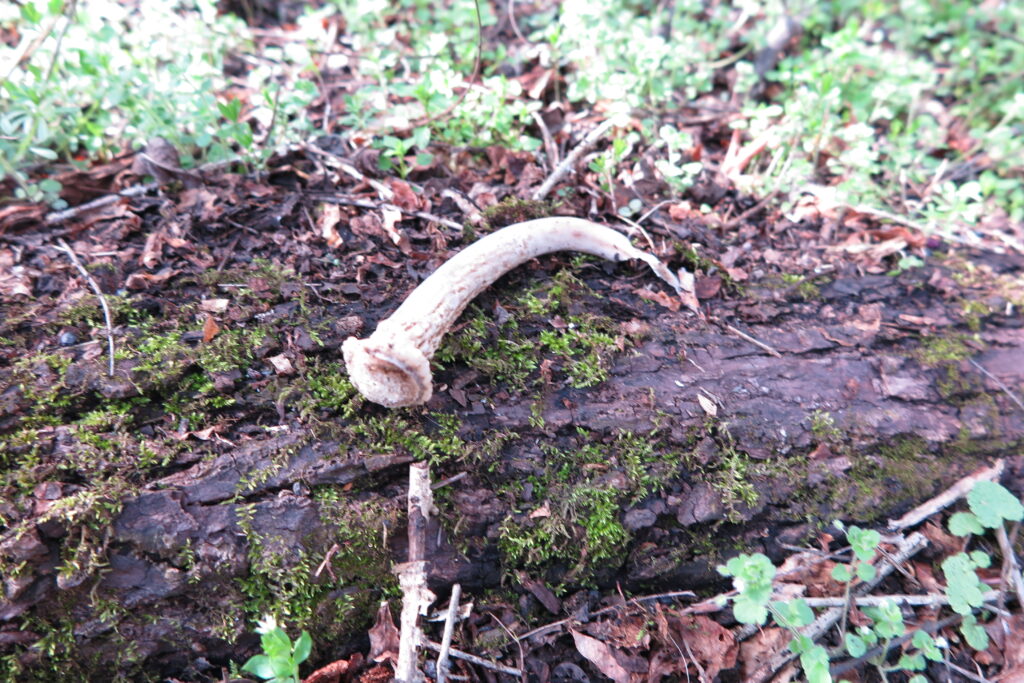
While an exact age cannot be assigned with confidence, the available evidence suggests this white-tailed deer antler fragment has likely been exposed for several years rather than a few months. Its combination of weathering, discoloration, rounded fractures, and animal chewing places it well beyond the appearance of a recent shed, offering a valuable example of how antlers change as they age naturally in the environment.
Popular Searches About Deer Antler Fragments
Explore Deer Antler Fragment Guide
Explore More Bones

Support Encounters World
Help support wildlife photography and get behind the scenes discoveries on Patreon.