
White-Tailed Deer Antler Uses in Wildlife | Purpose, Behavior, and Natural Importance
Quick Facts
Bone Category: Antler
Primary Purpose: Display and Competition
Used By: Male Deer (Bucks)
Annual Regrowth: Yes
Wildlife Benefits: Competition, Communication, Defense, Mineral Source After Shedding
Understanding the Role of White-Tailed Deer Antlers in Wildlife
White-tailed deer antlers are among the most recognizable structures found in North American wildlife. These impressive bone growths develop exclusively on bucks and are shed and regrown each year as part of a repeating biological cycle. Although many people view antlers simply as decorative features, they serve several important functions throughout the life of a deer.
White-tailed deer occupy forests, wetlands, agricultural landscapes, and suburban habitats across much of North America. Regardless of location, mature bucks invest significant energy into producing antlers every year. This substantial investment suggests that antlers provide important advantages that outweigh the costs of growing them.
When observing deer in the wild, antlers often become the most noticeable feature of mature males. Their size, shape, and branching patterns vary considerably between individuals, creating unique appearances that can help distinguish one buck from another. These differences are not random and often communicate information to other deer.
The importance of antlers extends beyond the individual deer carrying them. Once shed, antlers continue interacting with the surrounding ecosystem through weathering, animal use, and nutrient cycling. Their role in wildlife communities therefore continues long after they have detached from the animal that produced them.
White-Tailed Deer Antlers as Display Structures
One of the primary uses of antlers is visual communication. During much of the year, bucks can often assess one another simply by observing body size, posture, and antler development. Large, well-developed antlers frequently signal maturity and physical condition without requiring direct confrontation.
During the breeding season, visual displays become especially important. Bucks often posture, walk stiffly, and position themselves in ways that emphasize antler size and overall appearance. In many situations, these displays allow deer to evaluate competitors before physical contact occurs.
Antlers can be compared to a billboard or sign that advertises information about the individual carrying them. A mature buck with a large antler rack presents a very different visual message than a younger deer with smaller antlers. These signals help establish social relationships among deer occupying the same area.
Not every encounter results in conflict. In fact, visual assessment often reduces the need for physical competition because bucks can gauge potential rivals before engaging. This communication function makes antlers valuable even when they are not being actively used during sparring or combat.
White-Tailed Deer Antlers During Competition and Breeding Season
The breeding season, commonly known as the rut, is when antlers become most active in direct competition. Bucks use antlers during contests that help determine breeding opportunities and social dominance. These encounters range from brief pushing matches to more intense sparring sessions.
When two bucks engage, their antlers interlock and transfer force through the beam and tine structure. The antlers function much like a pair of opposing levers, allowing each animal to push, twist, and test the strength of its rival. Although these contests can appear aggressive, many are highly ritualized and end without serious injury.
The structure of antlers makes them particularly suited for this purpose. Curved beams and projecting tines create multiple contact points during encounters. Rather than relying solely on body weight, bucks can use antlers to apply force while maintaining distance from one another.
Successful competition can influence access to breeding opportunities. Bucks that establish dominance may gain greater access to receptive females during the rut. Because of this connection to reproduction, antlers play an important role in passing genetic traits from one generation to the next.
Wildlife Benefits of Shed Antlers After Antler Drop
The usefulness of antlers does not end when they are shed. Once detached from the deer, antlers become resources utilized by numerous wildlife species. Their dense mineral composition attracts animals seeking nutrients that may be difficult to obtain elsewhere.
Rodents are among the most common users of shed antlers. Squirrels, chipmunks, mice, and other small mammals frequently gnaw antlers to obtain calcium and other minerals. These activities leave behind grooves, scrape marks, and worn areas that often become visible on older antler fragments.
Weathering gradually breaks antlers down and returns nutrients to the environment. As the material decomposes, minerals become available to plants, fungi, and soil organisms. This process contributes to natural nutrient cycling within forests and other habitats.
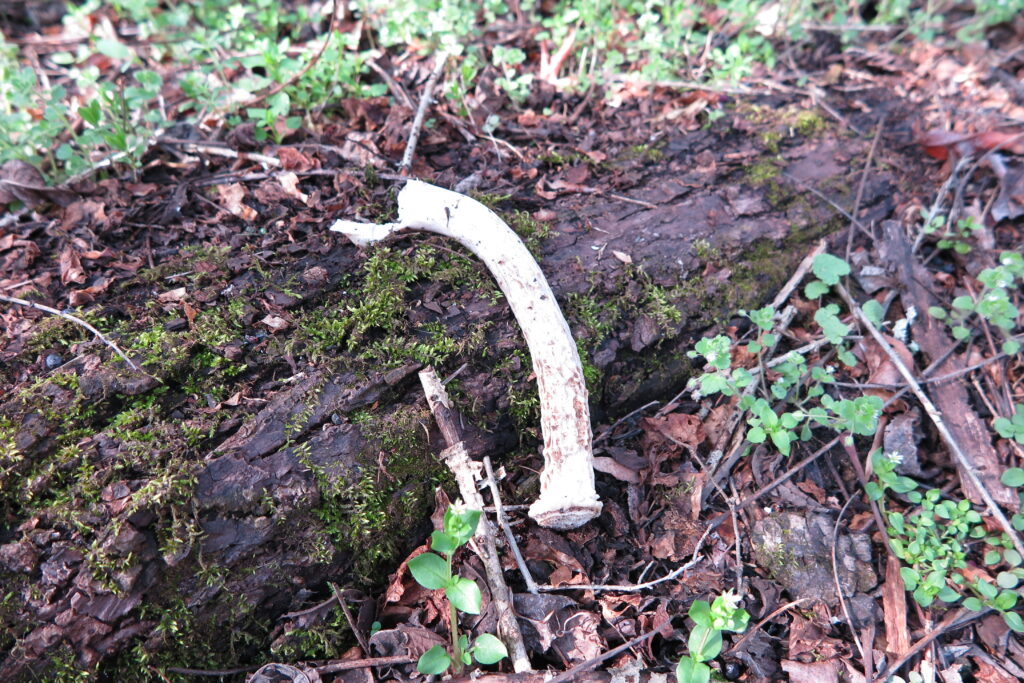
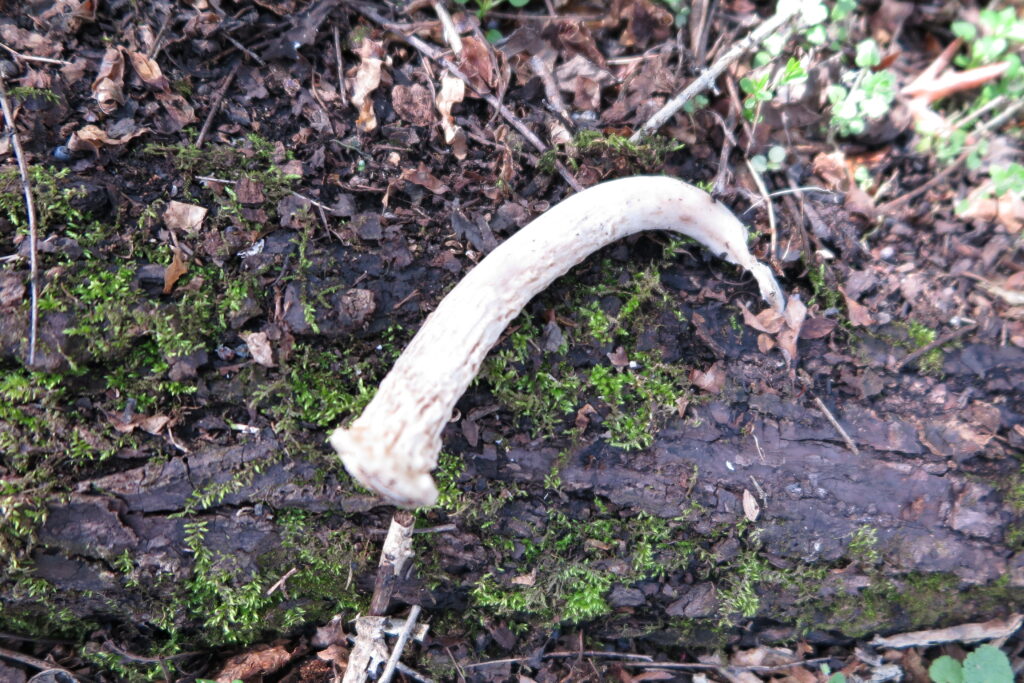
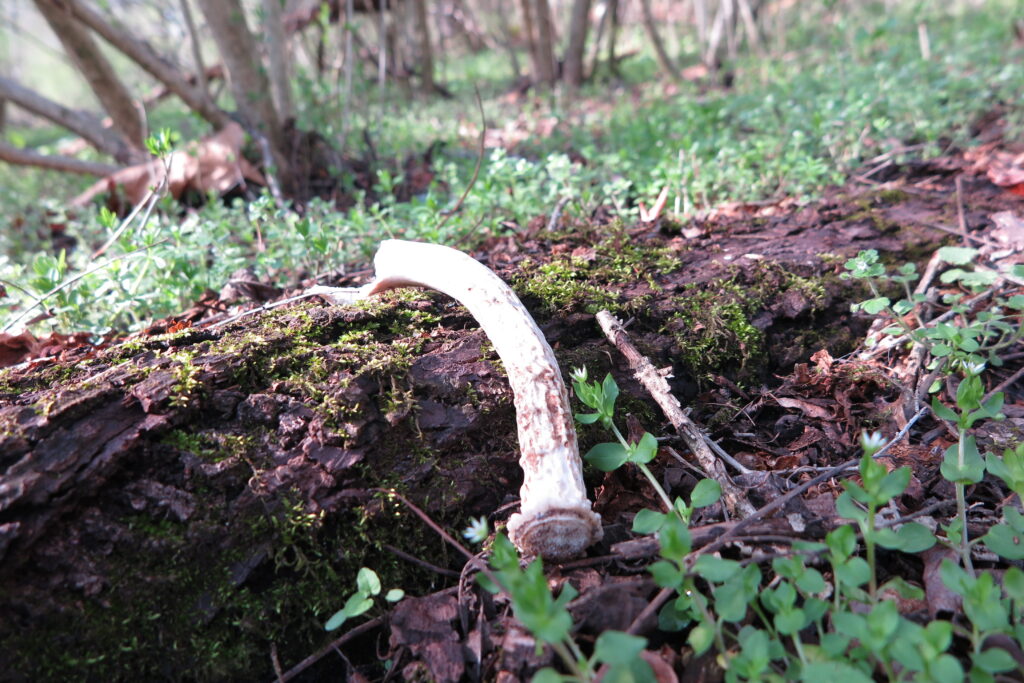
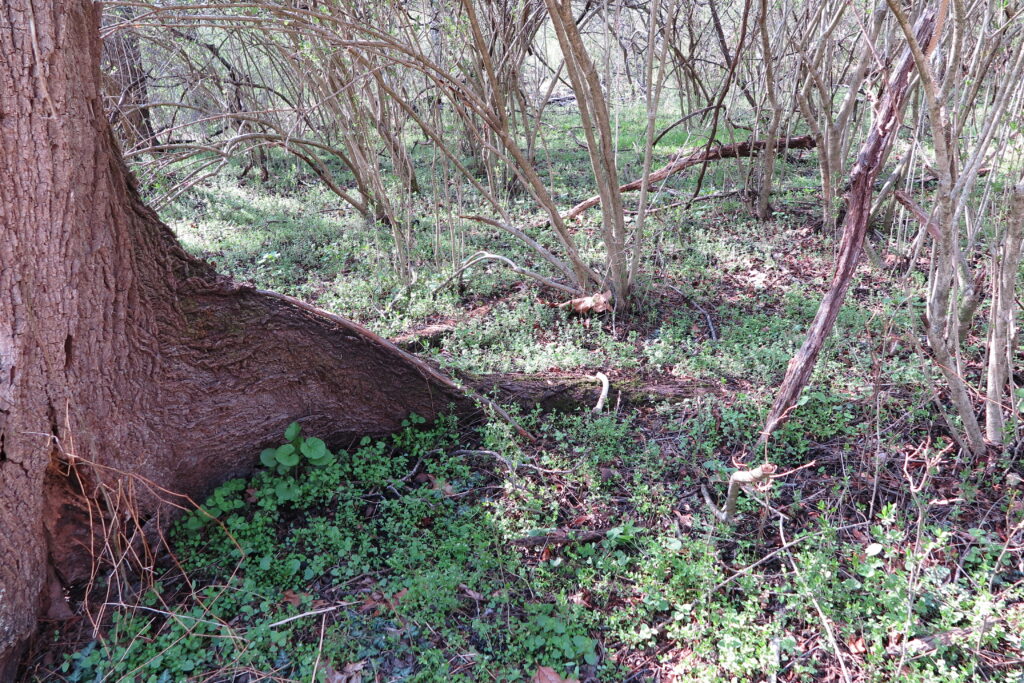
The antler fragment documented here provides a clear example of these continued ecological interactions. Visible chew marks suggest use by wildlife long after the antler was shed, while weathering demonstrates ongoing environmental exposure. Even as a fragment resting on a fallen log, the antler remains part of a larger ecological story that extends far beyond its original purpose on a living deer.
Popular Searches About Deer Antler Fragments
Explore Deer Antler Fragment Guide
Explore More Bones

Support Encounters World
Help support wildlife photography and get behind the scenes discoveries on Patreon.