
Yellowjacket Predators Guide: What Eats Yellowjackets and How They Avoid Predation
Quick Facts
Food Web Role: Predator and Prey
Main Predators: Birds, Mammals, Reptiles, Amphibians, and Insects
Most Common Predator: Insect-Eating Birds
Highest Predation Risk: During Foraging and Colony Establishment
Primary Defense: Stinging and Colony Protection
Vulnerable Life Stages: Larvae, Pupae, and Young Queens
Predator Avoidance Strategy: Group Defense and Nest Concealment
Notable Feature: Colonies Defend Themselves Cooperatively Against Threats
Yellowjacket Predators and Their Place in the Food Web
Yellowjackets are often viewed as formidable insects because of their ability to sting and defend their colonies. Despite these defenses, they remain an important food source for many animals throughout the world. Numerous predators have evolved strategies that allow them to capture or consume yellowjackets while minimizing the risks associated with their stings.
Species within the genus Vespula occur across North America, Europe, Asia, and introduced regions beyond their native range. Throughout these areas, yellowjackets occupy a unique position within food webs. They function both as predators of smaller organisms and as prey for larger animals, creating important ecological connections between multiple levels of the ecosystem.
Predation can occur at nearly every stage of the yellowjacket life cycle. Adult workers face threats while away from the colony, while larvae and pupae remain vulnerable if a nest is discovered. Even queens encounter predators during the critical periods when they establish colonies or search for overwintering sites.
Although yellowjackets possess effective defensive capabilities, they are far from invulnerable. Their continued success depends on balancing colony growth with the constant pressure imposed by predators. Understanding what eats yellowjackets helps reveal their broader ecological role and highlights the many interactions occurring within natural ecosystems.
Yellowjacket Bird Predators and Avian Hunters
Birds rank among the most important predators of yellowjackets. Numerous insect-eating species capture adult wasps while they are flying or foraging. Their speed, agility, and sharp eyesight allow them to locate yellowjackets despite the insects’ warning coloration.
Flycatchers are particularly effective predators. These birds launch from perches and intercept flying insects in midair, often capturing yellowjackets before the insects can react. Their hunting strategy allows them to exploit a resource that many animals avoid.
Bee-eaters, where they occur, are among the most specialized predators of stinging insects. These birds have developed techniques that allow them to remove stingers before consuming their prey. Their feeding behavior demonstrates how certain predators have adapted specifically to exploit wasps and bees.
Woodpeckers occasionally target yellowjacket nests hidden inside logs or tree cavities. By breaking into protected nesting sites, they gain access to larvae and pupae that would otherwise remain sheltered. These developing stages often provide a concentrated source of nutrition.
Crows and other intelligent birds may also exploit yellowjacket colonies. Some species learn to recognize nesting locations and take advantage of opportunities when colony defenses are weakened. Their problem-solving abilities help them overcome challenges posed by social insects.
A useful comparison can be made to a fisherman targeting a difficult species of fish. Just as the fisherman develops techniques to improve success, many birds have evolved specialized behaviors that allow them to feed on insects capable of defending themselves.
Bird predation demonstrates that warning coloration and stinging defenses do not guarantee safety. Skilled avian hunters continue to exert significant pressure on yellowjacket populations throughout their range.
Yellowjacket Mammal, Reptile, and Insect Predators
Mammals represent another important group of yellowjacket predators. Some species target individual wasps, while others focus on entire colonies. These interactions can have a significant impact on yellowjacket populations, particularly during vulnerable stages of colony development.
Skunks are among the most well-known nest predators. Their thick fur provides protection against many stings, allowing them to dig into nests and consume larvae, pupae, and adult yellowjackets. This ability makes them particularly effective predators of ground-nesting species.
Raccoons may also raid colonies when opportunities arise. Their dexterous paws and opportunistic feeding habits allow them to access nests hidden within protected locations. Although stings remain a risk, the nutritional reward can outweigh the danger.
Bears occasionally destroy yellowjacket nests while searching for high-protein food sources. A large bear can quickly dismantle a colony and consume developing insects in substantial quantities. Such encounters are uncommon but can be devastating for individual colonies.
Reptiles including certain lizards and small snakes sometimes capture adult yellowjackets. While these predators generally focus on individual insects rather than colonies, they contribute to overall predation pressure within local ecosystems.
Other insects may also prey upon yellowjackets. Dragonflies occasionally capture workers in flight, while larger predatory wasps sometimes attack individual yellowjackets. These interactions create complex relationships among insect predators.
The diversity of predators targeting yellowjackets demonstrates their value within food webs. Despite their defenses, they remain an important resource supporting a variety of animals across multiple ecosystems.
Yellowjacket Defense Strategies and Predator Avoidance
The primary defense of a yellowjacket is its sting. Unlike honey bees, yellowjackets can sting repeatedly because they do not lose their stinger after use. This capability provides a powerful deterrent against many potential predators.
Colony defense is one of the most effective survival strategies employed by yellowjackets. Rather than relying solely on individual protection, workers cooperate to defend the nest. This collective response allows colonies to react much more effectively than solitary insects.
Concealed nesting locations provide another important layer of protection. Many yellowjackets establish colonies underground, inside wall voids, or within natural cavities. These hidden locations reduce the likelihood of detection by predators searching for vulnerable nests.
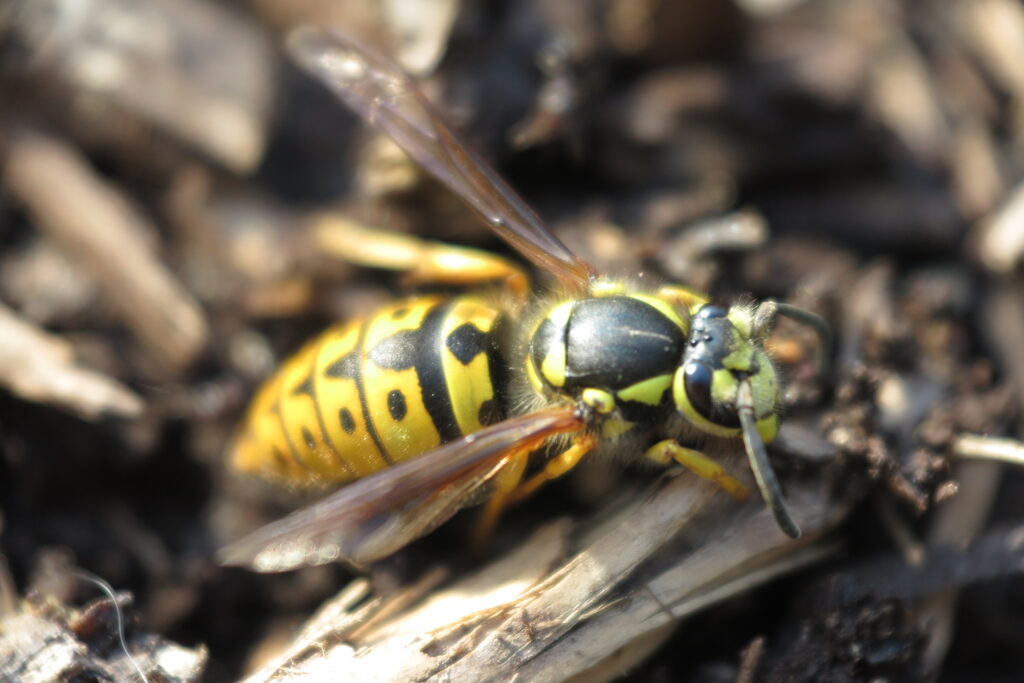
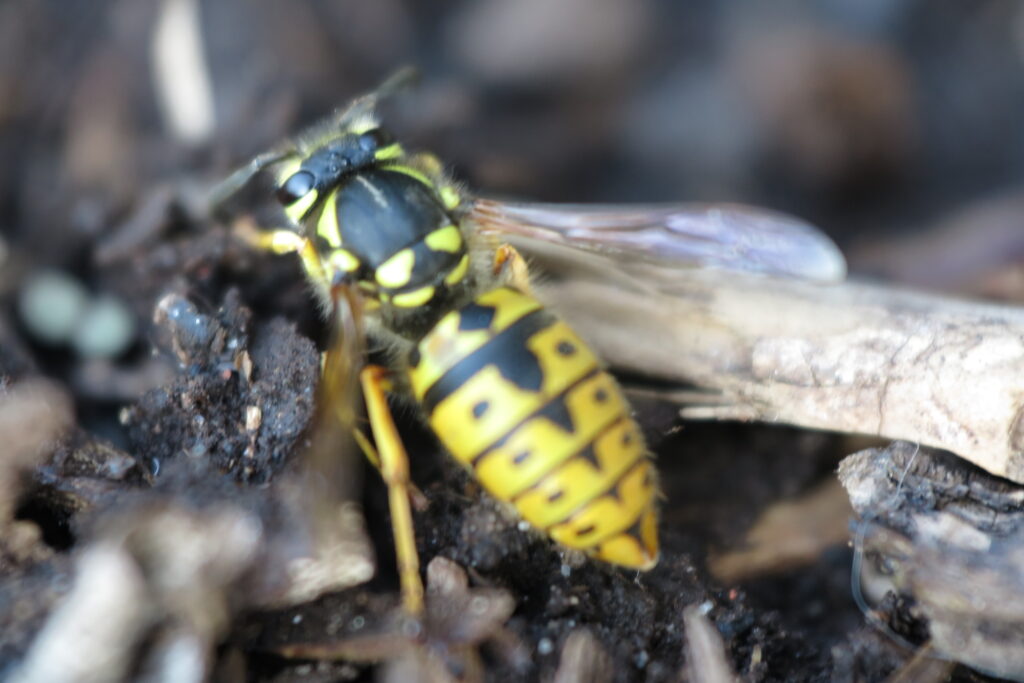
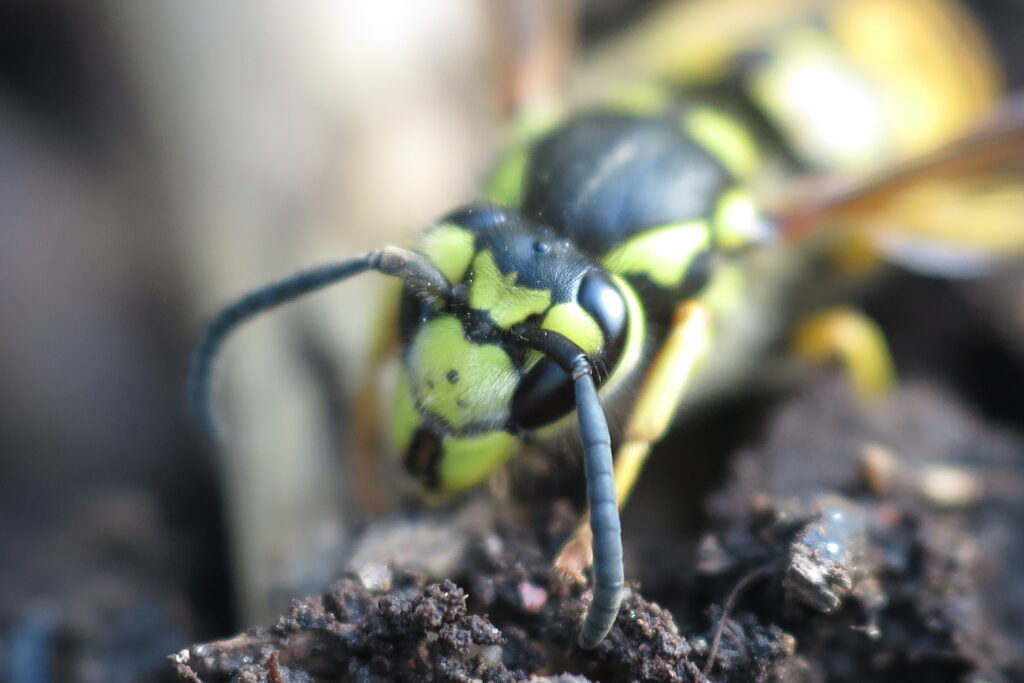
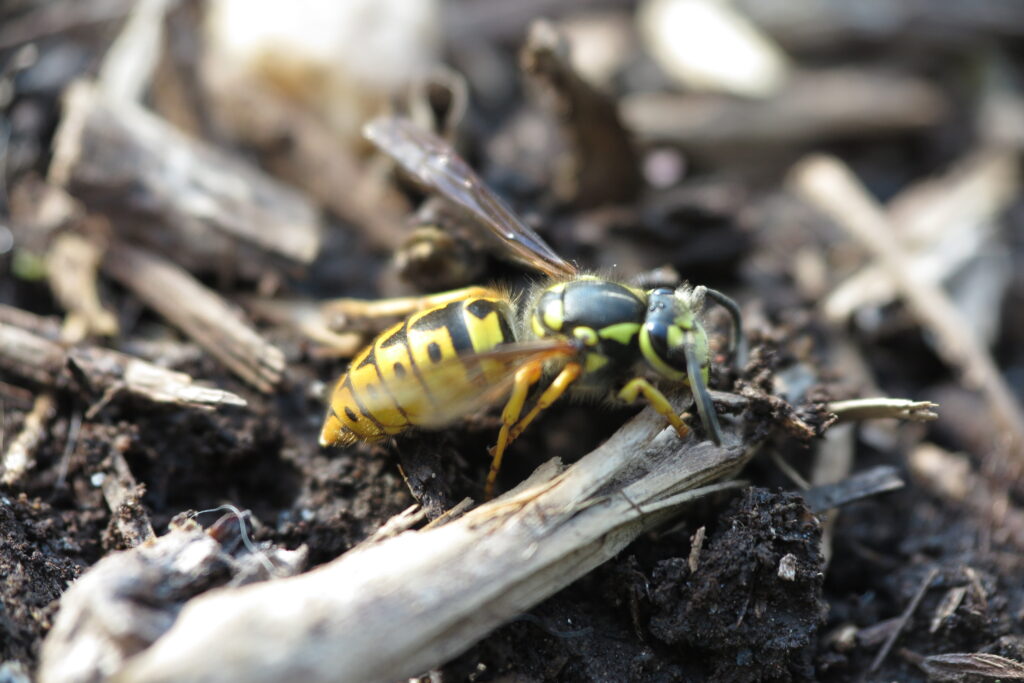
Warning coloration serves as an additional defense mechanism. The bright yellow-and-black pattern acts as a visual signal advertising the insect’s ability to sting. Many predators learn to associate these colors with an unpleasant experience and avoid yellowjackets altogether.
A specific example of predator avoidance occurs when a colony detects a disturbance near its nest entrance. Workers often become immediately alert and defensive, responding far more quickly than they would during routine activities. This rapid reaction can discourage many threats before direct contact occurs.
The combination of warning colors, concealed nests, social cooperation, and effective stinging defenses creates a layered protection system. Each defense contributes to colony survival while reducing vulnerability to predators.
Although yellowjackets face threats from birds, mammals, reptiles, and other insects, their defensive adaptations have proven highly successful. These strategies allow colonies to persist despite constant predation pressure and help explain why yellowjackets remain among the most widespread and recognizable social wasps in the world.
Popular Searches About Yellowjackets
Explore Yellowjacket Guide
Explore More Wildlife

Support Encounters World
Help support wildlife photography and get behind the scenes discoveries on Patreon.