
Yellowjacket vs Paper Wasp: Key Differences in Appearance, Size, Nests, and Identification
Quick Facts
Comparison Type: Social Wasp Comparison
Yellowjacket Genus: Vespula sp.
Paper Wasp Genus: Polistes sp.
Average Yellowjacket Size: 0.4–0.75 Inches (10–19 mm)
Average Paper Wasp Size: 0.6–1.0 Inches (15–25 mm)
Body Shape: Yellowjacket Compact | Paper Wasp Slender
Nest Type: Enclosed Paper Nest vs Open Comb Nest
Most Noticeable Difference: Yellowjackets Are Stockier While Paper Wasps Have Long Legs and Narrow Bodies
Yellowjacket vs Paper Wasp Overview and Identification Basics
Yellowjackets and paper wasps are among the most commonly encountered social wasps in North America, yet they are frequently confused with one another. Both belong to the wasp family and share black-and-yellow coloration, but several visible differences make identification relatively straightforward once the key features are understood.
A casual observer often notices only the bright warning colors shared by both insects. However, body shape, wing posture, leg length, and nest design quickly reveal which species group is being observed. These differences become especially obvious when the two are viewed side by side.
Yellowjackets belong primarily to the genus Vespula, while paper wasps belong to the genus Polistes. Although related, they have evolved different physical appearances and nesting styles that help separate them in the field.
For naturalists, gardeners, and wildlife photographers, learning these distinctions improves identification accuracy. Understanding the contrast between these two wasp groups is one of the most useful skills for recognizing common social insects.
Yellowjacket vs Paper Wasp Appearance and Body Shape
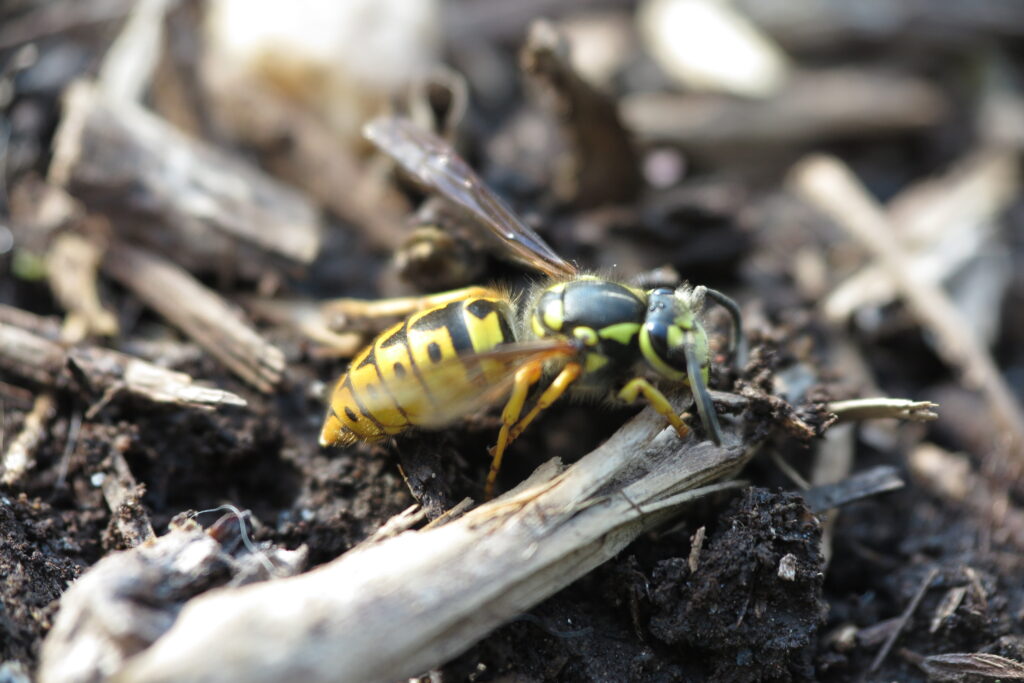
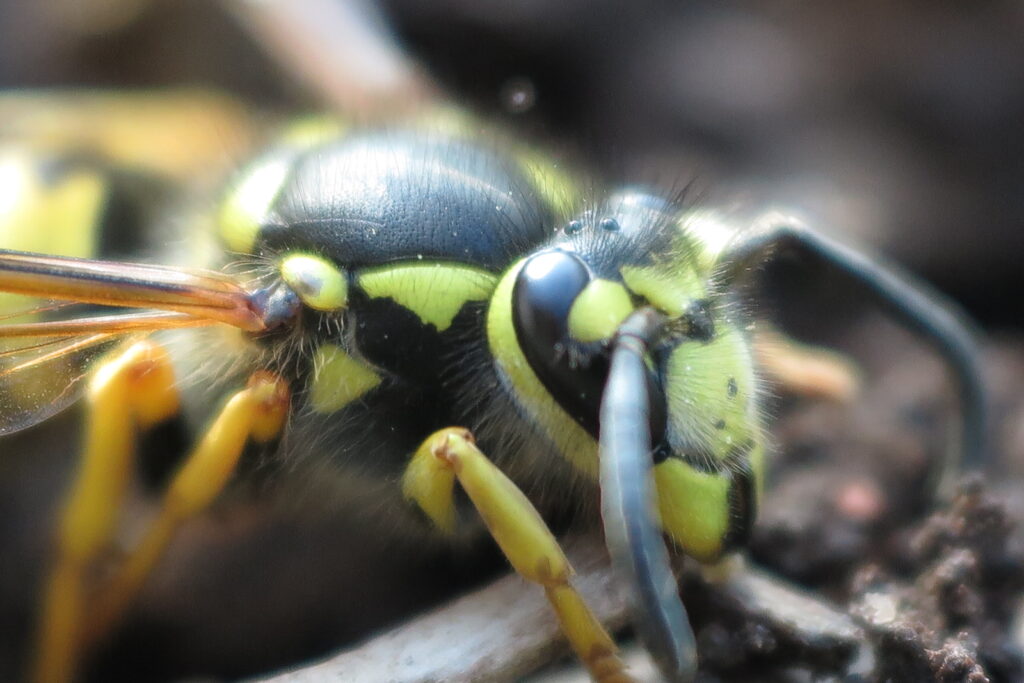
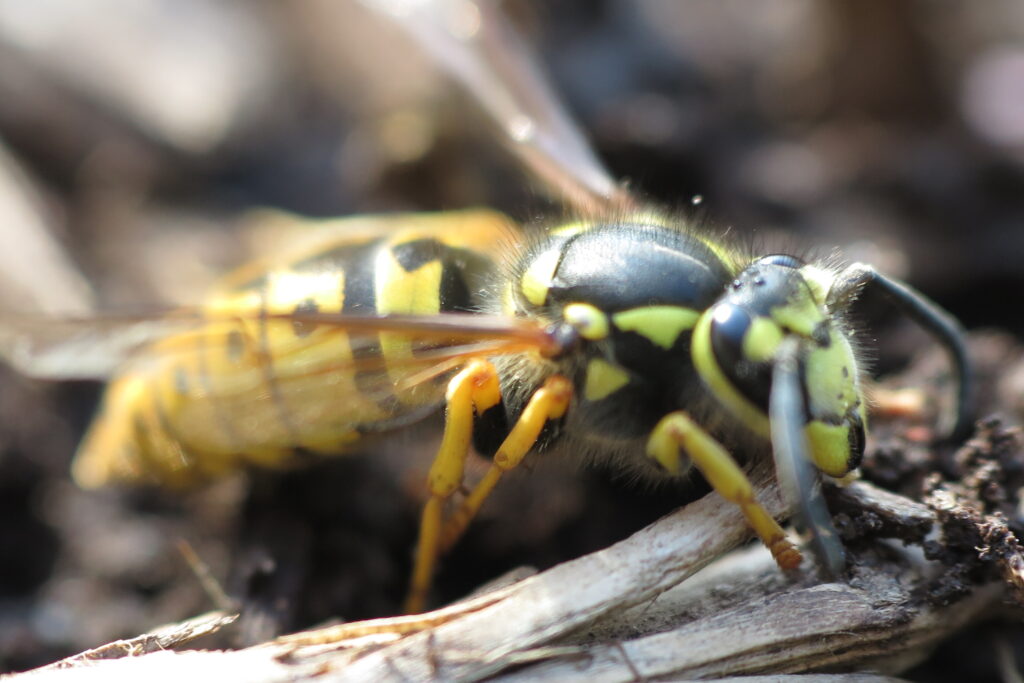
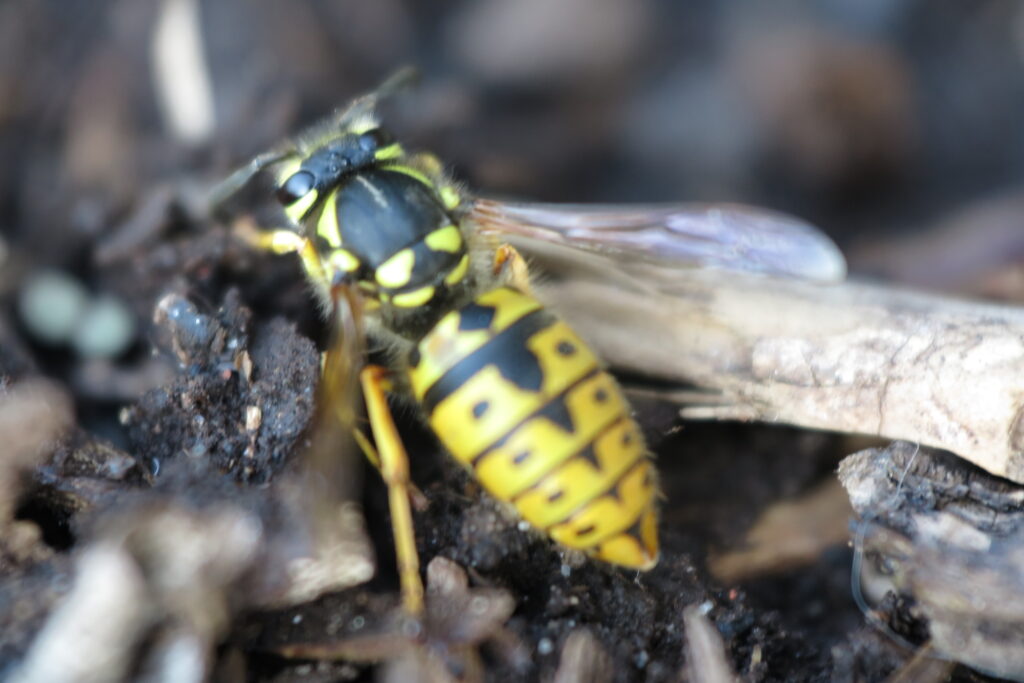
The easiest way to distinguish these insects is by examining overall body shape. Yellowjackets possess a compact, sturdy build with a thick thorax and relatively short profile. Their appearance often resembles a small armored aircraft designed for efficiency.
Paper wasps are much more slender and elongated. The body appears stretched compared to a yellowjacket, creating a graceful profile with a noticeably narrow waist. This gives paper wasps a lighter and less compact appearance.
Leg length provides another obvious clue. Yellowjackets keep their legs tucked close to the body during flight, making them difficult to notice. Paper wasps have much longer legs that often dangle below the body while flying.
Coloration differs as well. Yellowjackets usually display brighter yellow markings with bold contrast against black bands. Paper wasps often appear slightly darker, with reddish-brown, orange, or muted yellow tones depending on the species.
A useful comparison is the difference between a pickup truck and a sports sedan. Both perform similar functions, but one appears stocky and powerful while the other looks longer and more streamlined. Yellowjackets and paper wasps create a similar visual contrast.
The abdomen of a yellowjacket generally appears shorter and wider. Paper wasps possess a more elongated abdomen that contributes to their distinctive silhouette. Even from several feet away, these proportions can often reveal the insect’s identity.
When focusing purely on appearance, body shape remains the most reliable identification feature. Long legs and a slender frame usually indicate a paper wasp, while a compact body with tucked legs strongly suggests a yellowjacket.
Yellowjacket vs Paper Wasp Nest Differences
Nest structure provides another excellent way to separate these wasps. Yellowjackets build enclosed paper nests that completely surround the internal combs. From the outside, these nests often resemble gray paper balls, footballs, or layered papier-mâché structures.
Paper wasps construct open-comb nests that remain exposed. The hexagonal cells are clearly visible from below, creating an appearance similar to an upside-down honeycomb. No outer paper envelope surrounds the comb.
Many yellowjacket nests occur underground, inside wall voids, hollow logs, or other concealed locations. Because the structure is often hidden, observers may only notice the insects entering and leaving a small opening.
Paper wasp nests are frequently attached beneath eaves, porch roofs, deck railings, branches, and other exposed surfaces. Their open design makes them easier to locate than many yellowjacket colonies.
A useful comparison is a house versus a pavilion. A yellowjacket nest resembles a fully enclosed building with walls and protection on all sides. A paper wasp nest resembles an open shelter where the internal structure remains visible.
Nest size also differs. Mature yellowjacket colonies may contain hundreds or thousands of individuals. Paper wasp colonies are generally much smaller and less densely populated.
For many observers, nest identification is even easier than identifying the insects themselves. An enclosed paper structure indicates yellowjackets, while an exposed comb strongly suggests paper wasps.
Yellowjacket vs Paper Wasp Recognition and Ecological Differences
Yellowjackets and paper wasps both occupy important ecological roles, but they are often recognized differently because of their appearance and colony structure. Their contrasting body forms make them excellent examples of how related insects can evolve distinct identities.
Yellowjackets tend to appear more robust and heavily built. Their compact profile, folded wings, and vivid coloration create one of the most recognizable wasp appearances in the world. Many people immediately associate the classic black-and-yellow warning pattern with yellowjackets.
Paper wasps create a very different impression. Their long legs, narrow waists, and elongated bodies give them a more delicate appearance. Although they share similar colors, they rarely look as stocky or heavily constructed as yellowjackets.
A side-by-side comparison often eliminates confusion instantly. The yellowjacket appears compact and powerful, while the paper wasp appears slender and lightweight. The difference is often as obvious as comparing a bulldog to a greyhound.
Naturalists frequently use these two groups as examples when teaching insect identification. They demonstrate how body proportions can be more useful than color alone. Many insects share yellow-and-black markings, but relatively few share the same body structure.
Recognizing the distinction also helps observers understand the diversity within the wasp family. Despite their similarities, yellowjackets and paper wasps represent two clearly different approaches to social living and nest construction.
By focusing on body shape, leg length, nest structure, and overall proportions, most people can quickly determine whether they are observing a yellowjacket or a paper wasp. These features make this comparison one of the easiest and most useful identification exercises for anyone interested in insects.
Popular Searches About Yellowjackets
Explore Yellowjacket Guide
Explore More Wildlife

Support Encounters World
Help support wildlife photography and get behind the scenes discoveries on Patreon.