
Yellowjacket Facts Guide: Interesting Facts, Unique Traits, and Surprising Yellowjacket Information
Quick Facts
Animal Group: Social Wasp
Average Size: 0.4–0.75 Inches (10–19 mm)
Global Range: North America, Europe, Asia, and Introduced Regions Worldwide
Colony Size: Hundreds to Several Thousand Individuals
Nest Type: Paper Nest
Interesting Fact: A Single Yellowjacket Colony Can Contain Thousands of Workers by Late Summer
Fascinating Yellowjacket Facts and Introduction
Yellowjackets are among the most recognizable insects in the world, yet many people know surprisingly little about them beyond their bright coloration and defensive reputation. These social wasps belong to the genus Vespula and have become successful across a vast geographic range. Their combination of intelligence, adaptability, and colony organization makes them far more remarkable than many people realize.
Found throughout much of North America, Europe, and Asia, yellowjackets have adapted to a wide variety of landscapes. Their ability to thrive in forests, fields, suburban neighborhoods, and city parks has made them one of the most commonly encountered wasp groups. Few social insects have achieved such widespread success.
Unlike solitary wasps that spend their lives alone, yellowjackets function as members of highly organized colonies. Every individual contributes to a larger social structure that operates with impressive efficiency. This cooperative lifestyle allows colonies to grow rapidly and dominate local insect communities.
The more scientists study yellowjackets, the more interesting facts emerge. From sophisticated nest construction to advanced communication systems, these insects display a level of complexity that often surprises observers. Their story demonstrates that even familiar insects can possess extraordinary biological adaptations.
Yellowjacket Body Facts and Physical Characteristics
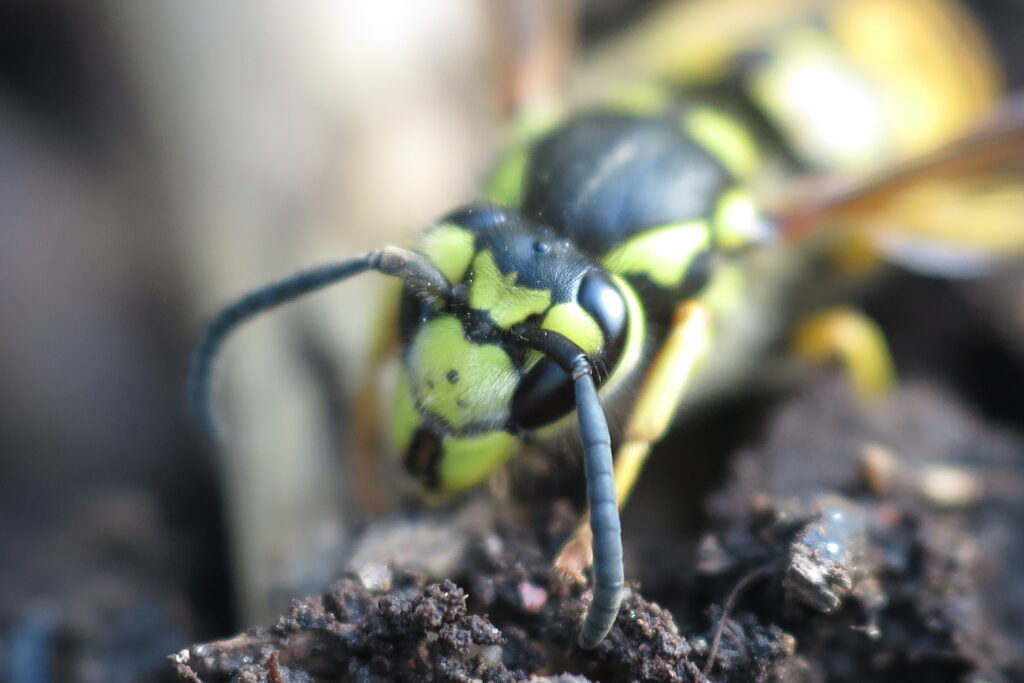
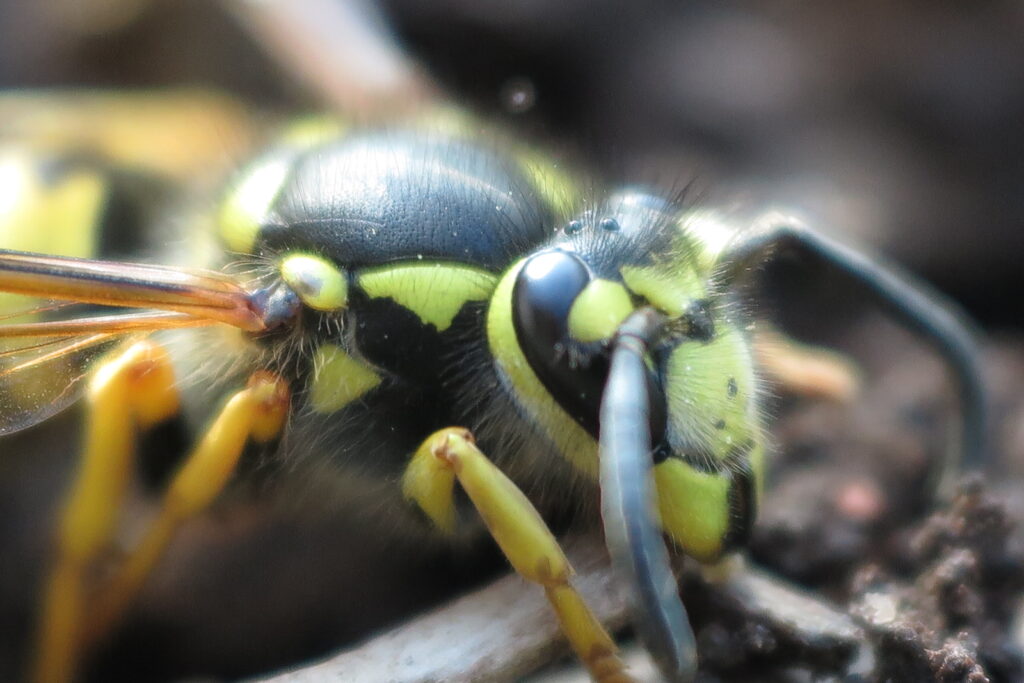
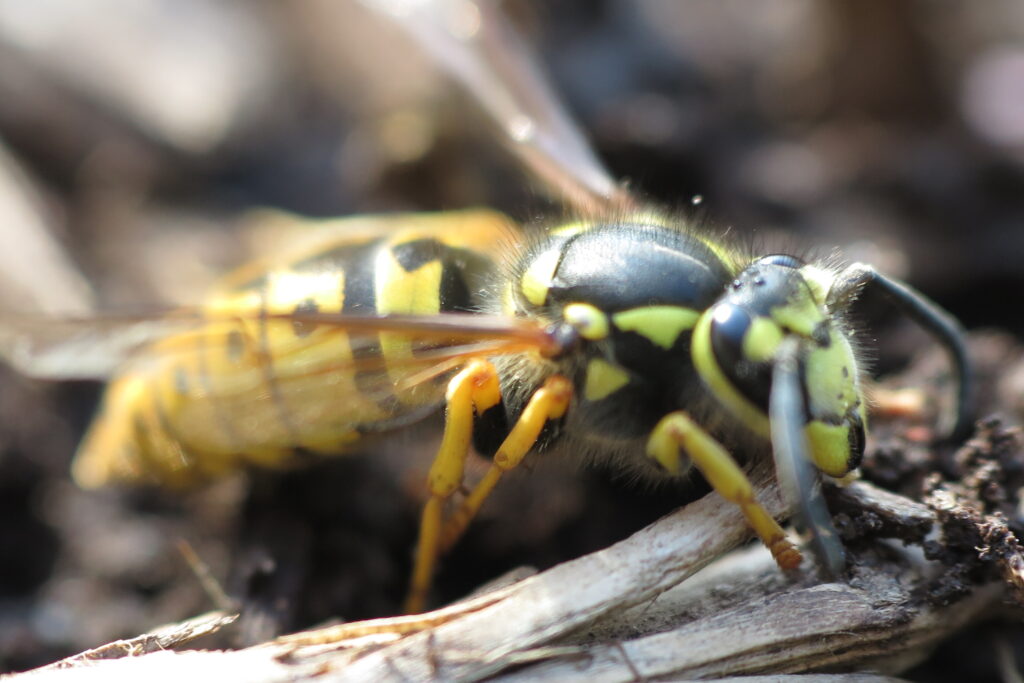
One of the most recognizable yellowjacket traits is its bold black-and-yellow coloration. These contrasting colors serve as warning signals that are visible from considerable distances. Similar warning patterns have evolved in many unrelated species because they are highly effective at discouraging predators.
Yellowjackets possess a smooth, polished appearance that distinguishes them from bees. Their bodies lack the dense hair found on many pollinating insects, creating a sleek and streamlined profile. This smooth texture contributes to their unmistakable appearance.
The narrow waist connecting the thorax and abdomen is another defining characteristic. This structure gives yellowjackets their classic wasp silhouette and improves flexibility between body sections. It is one of the easiest features to recognize when identifying the insect.
Although relatively small, yellowjackets are powerful flyers. Most adults are only about the length of a paperclip, yet they can cover large distances while searching for resources. Their compact size allows efficient movement through complex environments.
A yellowjacket’s compound eyes contain thousands of individual lenses. These eyes provide a broad field of vision that helps the insect detect movement and navigate its surroundings. Combined with sensitive antennae, they create an effective sensory system.
The wings fold neatly against the body when not in use. This adaptation helps maintain a compact profile and contributes to the insect’s streamlined appearance. Few people realize how precisely these structures are organized when viewed up close.
Together, these physical traits create one of the most recognizable insects in the natural world. Every feature contributes to the yellowjacket’s ability to survive and function within a complex social colony.
Surprising Yellowjacket Colony and Life Cycle Facts
Every yellowjacket colony begins with a single queen. After surviving the winter, she establishes a new nest and raises the first generation of workers on her own. From this humble beginning, a colony can eventually grow into a community containing thousands of individuals.
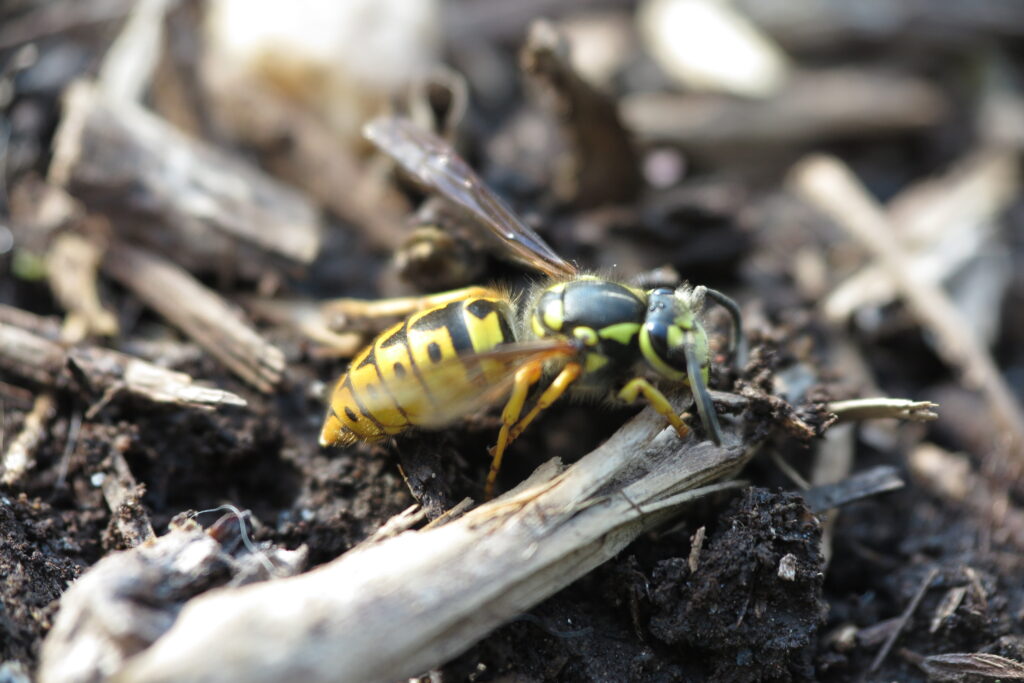
Yellowjackets build nests using paper they manufacture themselves. Workers gather weathered wood fibers and mix them with saliva to create a pulp-like material. Once dried, this material forms the layered paper structure associated with yellowjacket nests.
A mature colony functions much like a small city. Different individuals perform specialized tasks, including nest construction, brood care, resource collection, and colony defense. This division of labor allows colonies to operate with remarkable efficiency.
Unlike honey bee colonies, most yellowjacket colonies survive for only one season. As colder weather arrives, workers and males gradually die off while newly fertilized queens prepare to overwinter. The following spring, these queens establish entirely new colonies.
Some large colonies may contain several thousand workers by late summer. This population growth can occur within only a few months, making yellowjackets among the fastest-growing social insect colonies in many ecosystems.
A useful comparison is a temporary construction project. The colony expands rapidly, reaches peak productivity, and then eventually comes to an end once its purpose has been fulfilled. Future colonies continue through the next generation of queens.
These colony facts reveal the extraordinary efficiency of yellowjacket social organization. From a single queen to thousands of workers, their life cycle remains one of the most impressive examples of insect cooperation.
Amazing Yellowjacket Ecology and Behavior Facts
Yellowjackets occupy multiple roles within ecosystems at the same time. They function as predators, scavengers, pollinators, and prey, making them important participants in food webs. Few insects contribute to as many ecological processes simultaneously.
Despite their reputation, yellowjackets help regulate populations of numerous smaller insects. Their activities influence the abundance of many species and contribute to ecological balance. This role often goes unnoticed because people tend to focus on their stinging ability.
Yellowjackets communicate primarily through chemical signals called pheromones. These chemical messages allow colony members to share information and coordinate activities. Entire colonies can respond rapidly because of this sophisticated communication system.
Unlike honey bees, yellowjackets can sting multiple times. Their stinger remains intact after use, providing an effective defensive adaptation. This capability contributes significantly to colony protection.
Scientists often study yellowjackets because of their advanced social behavior. Their colonies demonstrate cooperation, task specialization, and collective decision-making. These characteristics make them valuable subjects for understanding insect societies.
A fascinating fact is that many predators avoid yellowjackets after only one unpleasant encounter. The insects’ warning coloration and defensive capabilities create a powerful learning experience. As a result, predators frequently recognize and avoid them in the future.
The yellowjacket is far more than just a familiar backyard wasp. Its combination of physical adaptations, colony organization, ecological importance, and social complexity makes it one of the most remarkable insects found throughout much of the world. The more people learn about yellowjackets, the easier it becomes to appreciate their important role in nature.
Popular Searches About Yellowjackets
Explore Yellowjacket Guide
Explore More Wildlife

Support Encounters World
Help support wildlife photography and get behind the scenes discoveries on Patreon.