Red Lionfish Size Guide: How Big Do Red Lionfish Get?
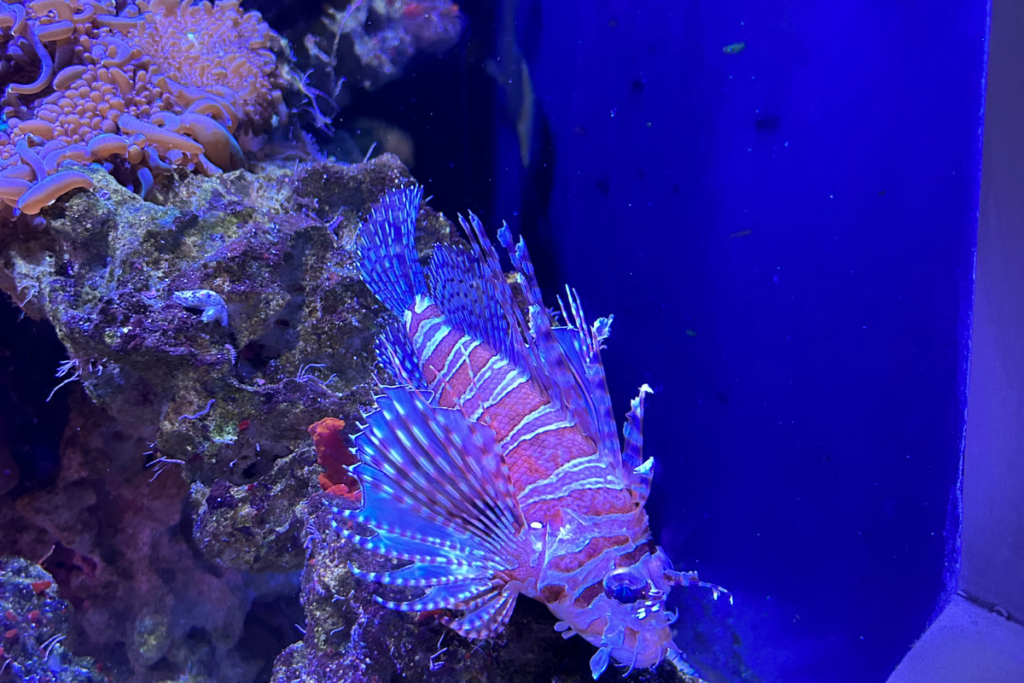
Quick Facts
Maximum Length: Up to 18 inches (45 cm)
Average Adult Size: 12–15 inches (30–38 cm)
Weight Range: Up to 2.6 pounds (1.2 kg)
Growth Rate: Moderate to Fast
Largest Recorded Size: Approximately 18.5 inches (47 cm)
Size at Maturity: Around 7–10 inches (18–25 cm)
Body Shape: Deep-Bodied with Extended Fins
Introduction: Understanding Red Lionfish Size and Growth
The red lionfish (Pterois volitans) is one of the most visually striking fish found in tropical marine waters. Recognized by its dramatic fin rays and bold striped coloration, this species attracts attention not only because of its appearance but also because of its impressive size. Many people are surprised to learn that red lionfish can grow significantly larger than they initially appear.
Native to the Indo-Pacific region, red lionfish naturally occur across vast stretches of ocean extending from eastern Africa through Southeast Asia and into parts of the western Pacific. In recent decades, they have also become well established throughout the Caribbean Sea, Gulf of Mexico, and western Atlantic Ocean. Across these regions, individuals often reach substantial sizes when environmental conditions remain favorable.
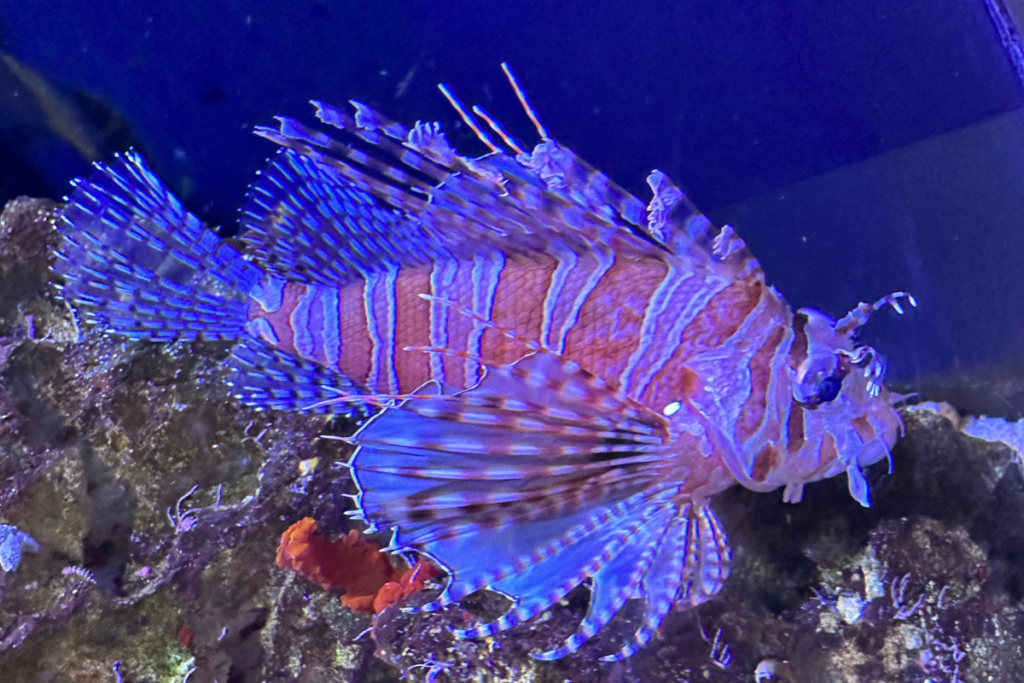
At first glance, lionfish can appear larger than they truly are because of their elaborate fins. These extended structures create an impressive silhouette that increases their visual profile underwater. Divers frequently overestimate the fish’s actual body length due to the dramatic spread of these ornamental appendages.
Size plays an important role in how lionfish are identified and studied. Growth influences reproduction, survival, and overall ecological impact. Understanding how large red lionfish become provides valuable insight into their life history and helps explain why they have become such a successful species across multiple marine ecosystems.
Red Lionfish Size Overview and Growth Stages
Adult red lionfish commonly reach lengths between 12 and 15 inches, making them relatively large compared to many reef fish encountered in shallow tropical waters. While smaller juveniles may only measure a few inches long, growth continues steadily throughout much of their early life. Under favorable conditions, individuals can approach their maximum size within several years.
The largest red lionfish recorded have exceeded 18 inches in total length. A fish of this size is comparable to a standard ruler and noticeably larger than many people expect when first observing photographs. Specimens approaching this maximum are often older adults that have experienced abundant food availability and limited environmental stress.
Juvenile lionfish look remarkably similar to adults despite their smaller size. Young individuals possess the same striped patterns and elongated fins that characterize mature fish. As growth progresses, the proportions remain largely consistent, creating a miniature version of the adult form rather than a dramatically different developmental stage.
Compared to many popular reef aquarium fish, red lionfish grow considerably larger. Species such as clownfish, royal grammas, and many damselfish remain only a fraction of their size. This larger body structure contributes to their commanding appearance and helps distinguish them from numerous smaller reef inhabitants found throughout tropical marine environments.
Physical Features That Influence Red Lionfish Appearance
When discussing lionfish size, it is important to separate body length from total visual dimensions. Much of the fish’s apparent size comes from its elongated fin rays, which extend well beyond the body itself. These flowing structures can make a moderate-sized fish appear significantly larger when viewed from a distance.
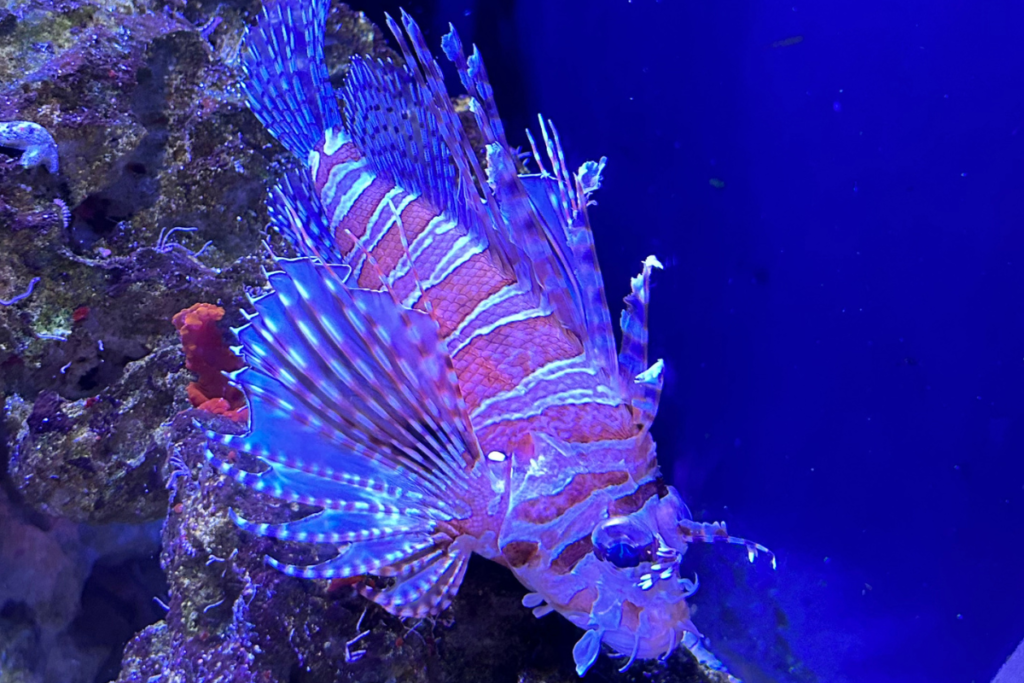
The body of a red lionfish is relatively deep and compressed from side to side. Rather than having a long, streamlined profile like a barracuda or mackerel, lionfish possess a broader shape that gives them a substantial presence underwater. This body structure contributes to their distinctive outline and recognizable form.
One of the most defining characteristics is the arrangement of long dorsal spines and wide pectoral fins. These features spread outward in multiple directions, creating a shape that resembles an ornate underwater fan. Compared to many reef fish with compact fins, lionfish occupy much more visual space even when their actual body length remains moderate.
Color patterns further enhance the perception of size. Alternating bands of reddish-brown, white, and cream create strong visual contrast that draws attention to the fish’s overall dimensions. Similar to how stripes on certain terrestrial animals emphasize body shape, the lionfish’s pattern highlights the length and spread of its fins, making the fish appear even more impressive in natural settings.
Why Red Lionfish Size Matters in Marine Ecosystems
The size of a red lionfish influences its role within tropical marine ecosystems. Larger individuals occupy a more prominent position within reef communities and often have greater ecological influence than smaller fish species. Their size contributes to their visibility and importance within the broader structure of marine food webs.
As lionfish grow, they become increasingly noticeable components of reef environments. A mature adult can stand out among surrounding fish because of both its dimensions and distinctive appearance. This visibility has made lionfish one of the most recognizable species encountered by divers throughout many tropical regions.
Body size also affects reproductive potential. Larger females are generally capable of producing greater numbers of eggs than smaller individuals. This relationship between size and reproduction contributes to population growth and helps explain why established lionfish populations can expand rapidly under favorable conditions.
From a conservation and management perspective, understanding lionfish size provides useful information for monitoring populations. Scientists frequently record length measurements when studying growth patterns, population structure, and ecological impacts. Whether encountered in their native Indo-Pacific range or invasive Atlantic waters, the size of the red lionfish remains one of the defining characteristics that contributes to its success and remarkable presence within marine ecosystems.
Popular Searches About Red Lionfish
Explore Red Lionfish Guide
Explore More Exhibits

Support Encounters World
Help support wildlife photography and get behind the scenes discoveries on Patreon.