Why Are Red Lionfish Invasive? Understanding the Red Lionfish Invasion
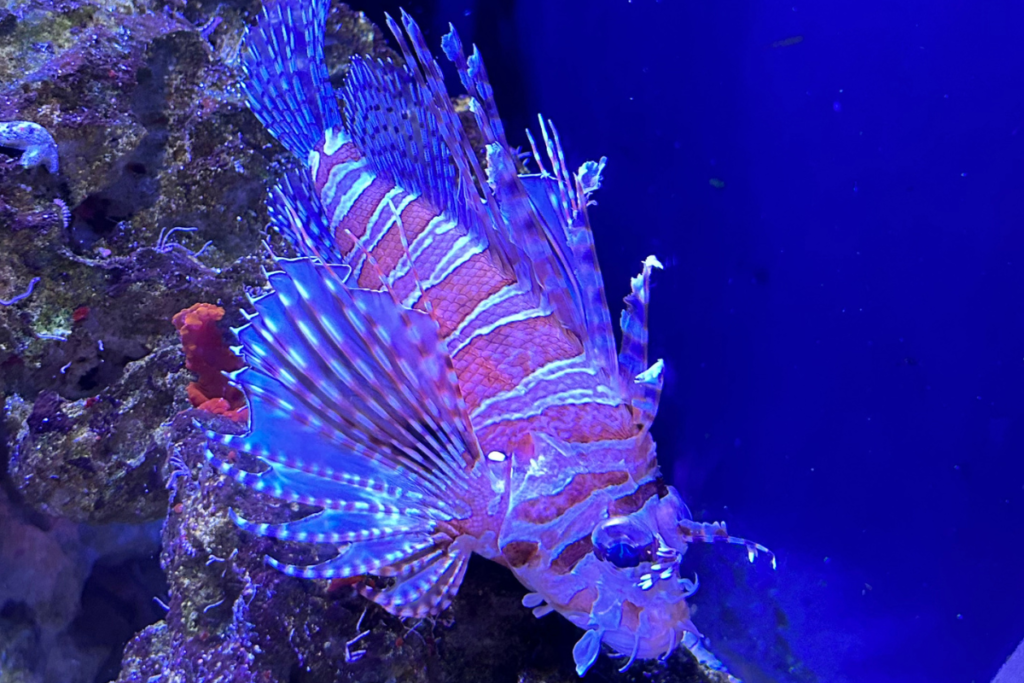
Quick Facts
Native Range: Indo-Pacific Region
Invasive Range: Caribbean, Gulf of Mexico, and Western Atlantic
Average Size: 12–15 Inches (30–38 cm)
Lifespan: 10–15 Years
Conservation Status: Least Concern
Notable Feature: One of the Most Successful Marine Invasive Species
Introduction: How Red Lionfish Became an Invasive Species
The red lionfish is one of the most recognizable marine fish in the world, admired for its bold stripes, flowing fins, and dramatic appearance. Native to the Indo-Pacific region, this species naturally occurs across a vast area stretching from eastern Africa to parts of the western Pacific Ocean. Within its native range, lionfish exist as part of long-established marine ecosystems that have adapted to their presence over thousands of years.
Outside these native waters, however, the story is very different. During the late twentieth century, lionfish began appearing along the southeastern coast of the United States. Over time, populations expanded rapidly throughout the western Atlantic Ocean, Caribbean Sea, and Gulf of Mexico. Their spread surprised scientists due to both its speed and geographic scale.
Today, red lionfish are considered one of the most successful marine invasive species ever documented. Unlike many introduced organisms that remain restricted to small areas, lionfish have colonized thousands of miles of coastline and numerous island systems. Their expansion continues to be monitored by researchers throughout the region.
Understanding why lionfish became invasive requires examining multiple factors rather than a single cause. Their success stems from a combination of biological traits, environmental conditions, and circumstances that allowed them to establish populations far from their original range. Together, these factors created the foundation for one of the most significant marine invasions in modern history.
Red Lionfish Expansion Across Atlantic Waters
The lionfish invasion likely began through accidental or intentional aquarium releases. Although the exact number of released fish remains unknown, evidence suggests that a relatively small number of individuals were sufficient to establish breeding populations. Once reproduction began, populations expanded steadily along coastal waters.
Ocean currents played a major role in accelerating their spread. The Atlantic Ocean contains interconnected current systems capable of transporting developing larvae across long distances. As lionfish reproduced, their offspring dispersed naturally throughout large portions of the Caribbean and western Atlantic region. This allowed new populations to appear far from their original introduction sites.
Unlike many invasive species that struggle to adapt after introduction, lionfish encountered environmental conditions similar to those found within their native range. Warm tropical and subtropical waters throughout the Atlantic provided favorable conditions for survival. Because suitable environments already existed across a broad geographic area, expansion occurred rapidly once populations became established.
By the early twenty-first century, lionfish had spread throughout numerous countries and island chains. Their distribution eventually extended from parts of the eastern United States southward through the Caribbean and into portions of South America. Few marine fish introductions have achieved such widespread success within such a relatively short period of time.
Biological Traits Behind Red Lionfish Success
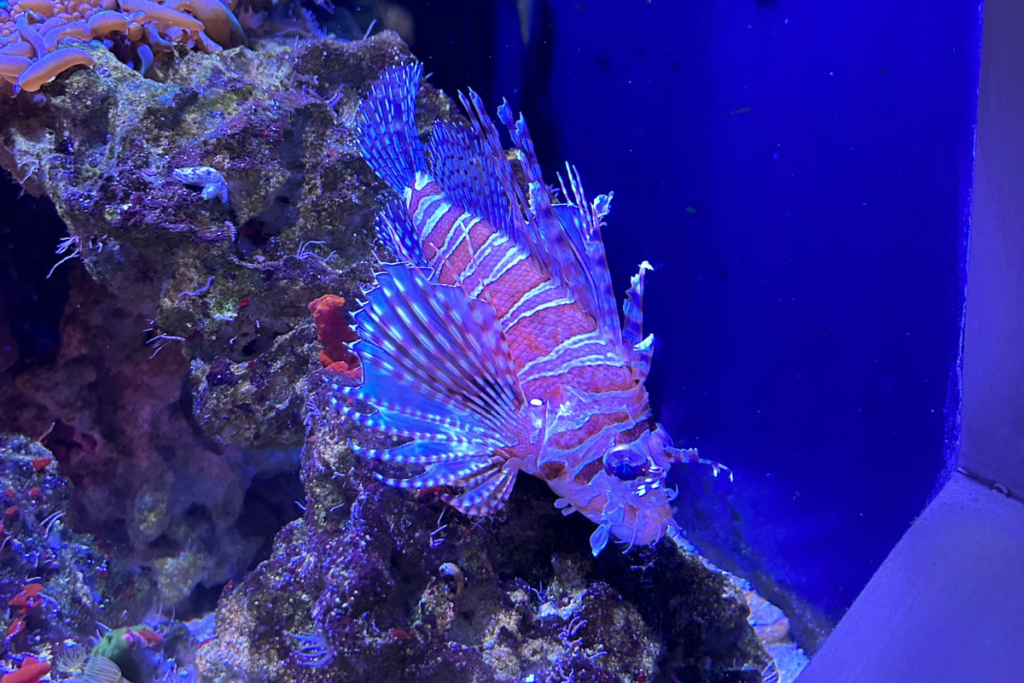
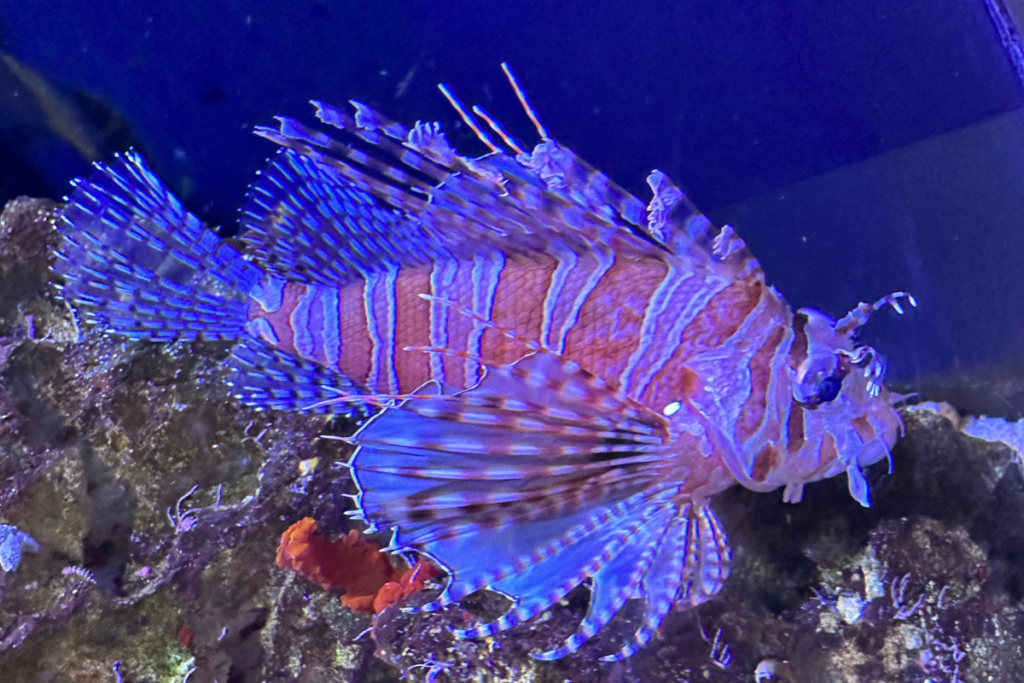
Several biological characteristics contribute directly to the lionfish’s invasive success. One of the most important is reproduction. Female lionfish can release enormous numbers of eggs throughout the year, allowing populations to increase quickly. Frequent spawning events create a constant supply of new individuals capable of colonizing additional areas.
Longevity also contributes to their expansion. Red lionfish often live for more than a decade, giving individuals many years to reproduce and contribute to population growth. Compared to short-lived marine species, this extended lifespan increases the likelihood of successful population establishment.
Another important factor is their defensive anatomy. Venomous spines provide protection against many potential predators. While lionfish are not completely immune to predation, their defenses reduce vulnerability and may improve survival rates compared to newly introduced species lacking similar protections.
Adaptability further strengthens their position. Lionfish can thrive across a wide range of depths and marine environments. While some invasive species remain limited to specific habitats, lionfish demonstrate remarkable flexibility. This ability to occupy diverse coastal ecosystems allows them to expand into areas where many introduced organisms would struggle to survive.
Ecological Impact of the Red Lionfish Invasion
The invasion of red lionfish has drawn significant scientific attention because of its ecological consequences. In marine ecosystems, every species occupies a particular role within the broader community. When a new species arrives without a long evolutionary history in that region, existing ecological relationships can be disrupted.
Lionfish have become prominent members of Atlantic reef communities due to their abundance and widespread distribution. Their growing populations can alter the balance of species within local ecosystems. Scientists continue studying these effects to better understand how marine communities respond to large-scale biological invasions.
The invasion has also encouraged international cooperation among researchers, conservation groups, divers, and fisheries organizations. Numerous monitoring and management programs have been developed to track lionfish populations and reduce their impact. These efforts represent one of the largest coordinated responses to an invasive marine fish species.
Despite the challenges they create, lionfish provide an important case study in invasion biology. Their rapid expansion demonstrates how quickly a species can establish itself when favorable conditions align. By understanding why red lionfish became invasive, scientists gain valuable insight into preventing future introductions and protecting marine ecosystems from similar ecological disruptions.
Popular Searches About Red Lionfish
Explore Red Lionfish Guide
Explore More Exhibits

Support Encounters World
Help support wildlife photography and get behind the scenes discoveries on Patreon.