Woodland Moss Habitat Guide: Where Woodland Moss Grows and Thrives
Quick Facts
Primary Habitat: Temperate Forests
Secondary Habitat: Woodlands, Rocky Areas, Wetland Margins, Mountain Slopes
Soil Type: Organic-Rich, Loamy, Rocky, and Decaying Wood Substrates
Soil pH Preference: Slightly Acidic to Neutral
Moisture Level: Moderate to High Moisture
Climate Zone: Temperate and Boreal Regions
Light Requirements: Partial Shade to Full Shade
Woodland Moss Habitat Introduction and Natural Range
Woodland Moss refers to a collection of moss species commonly associated with natural landscapes throughout much of the world. These small non-flowering plants occur across vast portions of North America, Europe, Asia, and other temperate regions where environmental conditions remain favorable for long-term survival. Their widespread presence makes them one of the most familiar groups of plants encountered in natural settings.
Travelers moving through forests on different continents often encounter remarkably similar moss-covered landscapes despite being thousands of miles apart. Mosses have successfully established themselves across numerous ecosystems, creating recognizable green carpets that contribute to the character of many natural environments. Their presence is often viewed as a sign of healthy, relatively undisturbed ecosystems.
In many regions, woodland moss forms part of the visual foundation of the landscape. Large colonies soften forest scenery, add color to otherwise muted surroundings, and create the lush appearance often associated with mature natural areas. Photographers, hikers, and naturalists frequently notice moss because of its ability to transform ordinary surfaces into visually striking features.
Although individual species may differ in distribution, woodland moss as a group occupies an impressive global range. From cool northern forests to temperate mountain regions, these plants have adapted to a variety of environmental conditions while maintaining their distinctive appearance. This broad distribution has helped make woodland moss one of the most recognizable plant groups found in natural ecosystems worldwide.
Woodland Moss Geographic Distribution Across Its Range
Woodland mosses are among the most widely distributed plants found in temperate regions. They occur throughout extensive portions of the Northern Hemisphere and are capable of establishing colonies across diverse geographic areas. Their range extends through countless forests, mountainous landscapes, and natural ecosystems where environmental conditions remain suitable.
Unlike many plant species that occupy only specific regions, woodland mosses occur across broad stretches of multiple continents. Similar green carpets can be observed in eastern North America, Scandinavian forests, the mountains of central Europe, and woodland ecosystems throughout Asia. This extensive distribution highlights their remarkable ecological flexibility.
Certain moss species possess narrower ranges, but woodland moss as a general category demonstrates exceptional geographic reach. In comparison to many flowering plants that require specific climate zones, mosses often persist across a wider variety of regions. This ability allows them to occupy landscapes that differ significantly in temperature, elevation, and seasonal patterns.
Their distribution also extends into areas where larger vegetation may struggle to dominate available surfaces. Mosses frequently establish themselves in locations where trees, shrubs, or herbaceous plants are less competitive. As a result, they often remain visible components of ecosystems across a broader geographic range than many observers realize.
Despite their widespread occurrence, woodland mosses remain strongly tied to environments that provide suitable moisture and environmental stability. Their distribution may appear nearly continuous across some regions, creating the impression that they are present almost everywhere within favorable climates. This widespread success contributes significantly to their ecological importance throughout much of the world.
Woodland Moss Growing Environments and Natural Settings
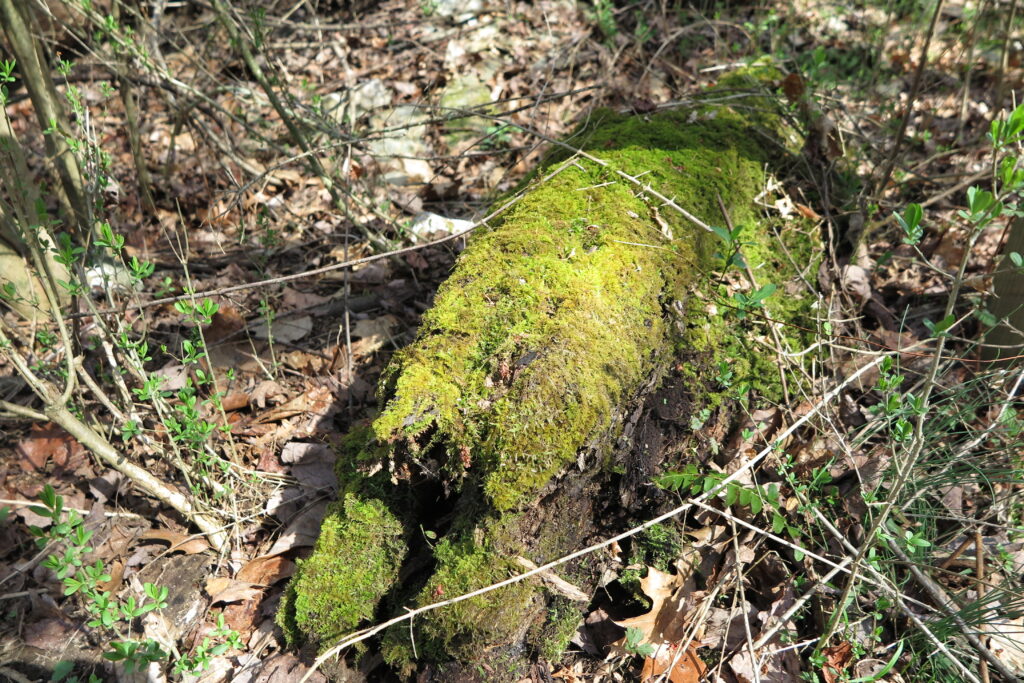
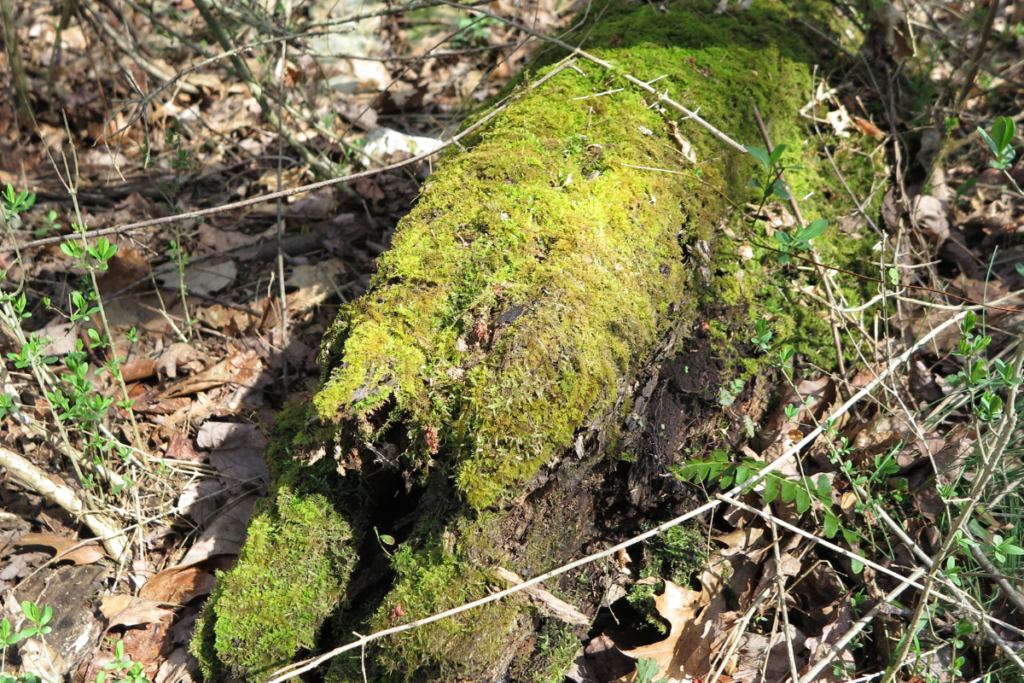
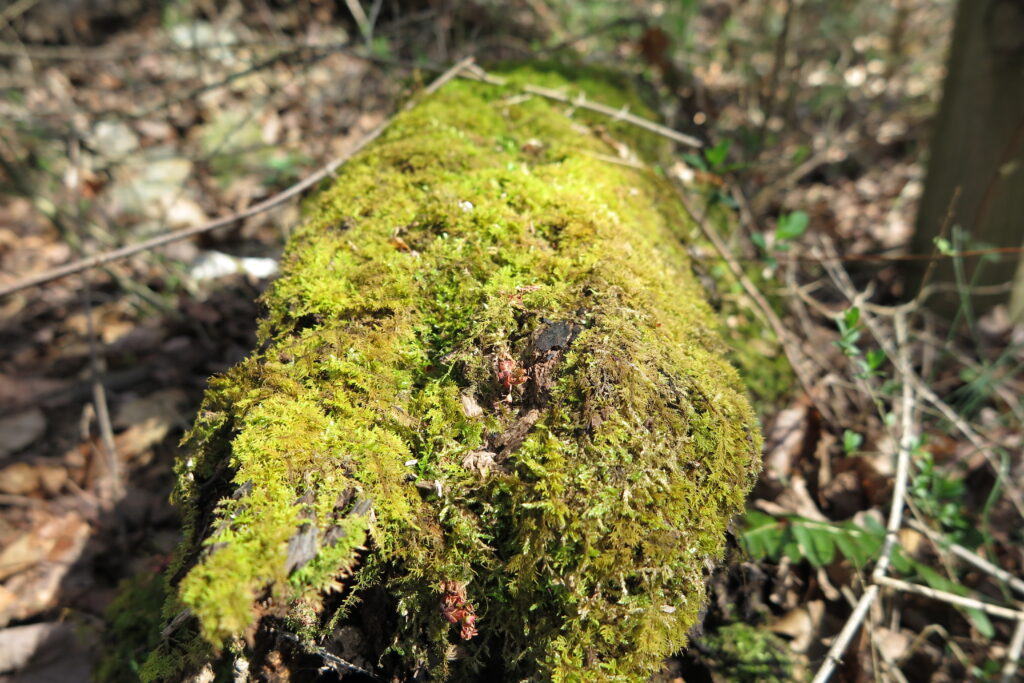
Woodland moss thrives in a variety of natural environments, with forests representing some of its most recognizable growing locations. Within these landscapes, colonies frequently develop across fallen logs, exposed roots, rocks, and shaded ground surfaces. The combination of stable conditions and available surfaces provides ideal opportunities for long-term establishment.
Many woodland mosses also occur in wooded ravines, stream corridors, and sheltered valleys. These environments often maintain consistent moisture levels and reduced exposure to harsh sunlight. Such conditions allow colonies to remain healthy throughout much of the year while supporting extensive growth across natural surfaces.
Mountain environments support substantial moss populations as well. In higher elevations, woodland moss may blanket boulders, cliff bases, and forested slopes where humidity remains elevated. Some species become particularly abundant in these settings, contributing to the lush appearance commonly associated with mountainous woodlands.
Not all mosses remain confined to remote forests. Certain species successfully establish themselves in suburban parks, old stone walls, gardens, and other human-influenced environments. However, these colonies generally occupy locations that still provide the environmental qualities necessary for long-term survival.
Variation exists even within a single landscape. Some colonies thrive deep beneath forest canopies, while others occupy woodland edges where filtered sunlight reaches the ground. This ability to utilize different portions of suitable environments contributes to the widespread occurrence of woodland moss across many natural regions.
Environmental Conditions That Support Woodland Moss
Woodland moss depends on environmental conditions that promote consistent moisture availability and protection from prolonged drying. Organic-rich surfaces often provide favorable growing locations because they retain water efficiently and support stable microclimates. These conditions allow moss colonies to maintain their characteristic appearance throughout much of the year.
Soil conditions vary depending on species and location, but many woodland mosses perform well on slightly acidic substrates. Forest soils rich in decomposing organic matter frequently provide ideal conditions. Mosses are also capable of growing directly on rocks, decaying wood, and other surfaces that support adequate moisture retention.
Moisture remains one of the most important environmental factors influencing woodland moss distribution. Areas that experience regular rainfall, elevated humidity, or consistent groundwater influence often support larger colonies. A useful comparison is the damp, shaded surface of a forest floor following several days of rain, where moisture remains available long after surrounding areas begin to dry.
Light levels also influence where woodland moss becomes established. Many species perform best under filtered sunlight or shaded conditions created by surrounding vegetation. Dense tree cover often helps maintain cooler temperatures and reduces moisture loss, creating an environment favorable for long-term persistence.
Terrain can further influence local success. Gentle slopes, sheltered depressions, stream banks, and protected woodland interiors frequently support substantial moss growth. These locations often combine moisture retention, moderated temperatures, and protection from excessive exposure, creating environmental conditions that allow woodland moss to remain a prominent feature of natural landscapes throughout its range.
Popular Searches About Woodland Moss
Explore Woodland Moss Guide
Explore More Plants

Support Encounters World
Help support wildlife photography and get behind the scenes discoveries on Patreon.