Woodland Moss Uses in Nature Guide: How Woodland Moss Benefits Natural Ecosystems
Quick Facts
Primary Natural Use: Moisture Storage
Wildlife Function: Shelter and Nesting Material
Forest Contribution: Nutrient Recycling
Soil Impact: Surface Protection and Soil Formation
Microhabitat Value: Supports Invertebrates and Microorganisms
Water Management Role: Reduces Moisture Loss
Ecosystem Importance: Foundational Ground Layer Species
Woodland Moss Uses in Nature Introduction
Woodland Moss (Moss sp.) serves many important functions within natural ecosystems despite its small size. Found throughout temperate and boreal regions around the world, these plants quietly contribute to the health and stability of forests, mountains, wetlands, and other landscapes. Their usefulness comes not from a single role but from a collection of ecological services that benefit countless organisms.
For many people, moss is simply a green carpet covering logs, rocks, and shaded ground. However, beneath this simple appearance lies a plant that actively supports ecosystem processes. Woodland moss influences water movement, provides shelter, contributes to soil development, and creates conditions that allow other organisms to thrive.
Unlike large trees that visibly shape a forest canopy, moss works closer to the ground where many important ecological interactions occur. Its influence may not be immediately obvious, yet it affects everything from microscopic organisms to nesting birds. These contributions accumulate over time and become important components of healthy ecosystems.
Because woodland moss occurs across such a broad geographic range, its natural uses extend across numerous environments. Whether growing on a fallen log, a rocky hillside, or a forest floor, moss often performs similar ecological functions that support both biodiversity and environmental stability.
Woodland Moss as a Natural Moisture Reservoir
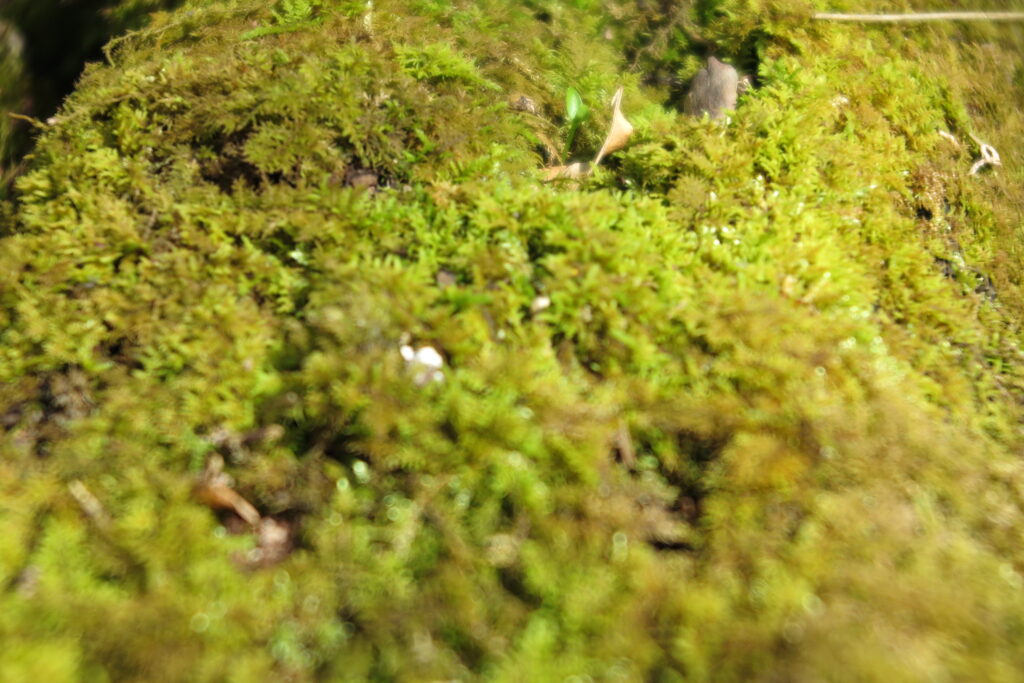
One of the most valuable uses of woodland moss in nature is its ability to store water. Moss colonies absorb rainfall, fog, dew, and humidity directly through their tissues. Once absorbed, this moisture remains available within the colony rather than immediately evaporating or draining away.
A useful comparison is a sponge placed on a forest floor. During wet weather, the sponge absorbs water and gradually releases it over time. Woodland moss performs a similar function, helping maintain moisture in surrounding environments long after rainfall has ended.
This water-storage capability benefits many nearby organisms. Small plants, fungi, insects, and microorganisms often rely on the stable conditions created by moss colonies. Areas containing healthy moss frequently remain damp longer than exposed surfaces nearby.
Moisture retention also helps reduce environmental stress during dry periods. Although moss cannot prevent drought, it can moderate short-term fluctuations by slowing moisture loss. This creates localized conditions that remain more favorable for life.
Across entire forests, thousands of moss colonies collectively contribute to water management. Their combined influence helps maintain the moist conditions that many woodland organisms depend upon for survival.
Woodland Moss as Shelter for Wildlife and Microorganisms
Woodland moss functions as a natural shelter for a surprising variety of organisms. Beneath the surface of a moss colony exists a complex microhabitat occupied by insects, mites, springtails, spiders, worms, and numerous microscopic creatures. These organisms use moss as both protection and living space.
The dense structure of a colony creates countless tiny chambers between stems and leaves. These spaces offer protection from predators, temperature extremes, and drying conditions. For many small invertebrates, a moss colony provides an ideal refuge within a larger ecosystem.
Birds also benefit from woodland moss. Many species collect moss as nesting material because of its softness and ability to retain moisture. Nest structures incorporating moss often provide insulation and help create stable conditions for developing eggs and young birds.
Microorganisms thrive within moss as well. Bacteria, fungi, and other microscopic life forms occupy the colony and contribute to decomposition processes. Their presence helps support nutrient cycling and ecosystem productivity.
A close look at a patch of woodland moss reveals that it functions much like a miniature apartment complex. Although the colony appears simple from above, it supports a surprisingly diverse community of life hidden within its structure.
Woodland Moss Contributions to Forest Development and Stability
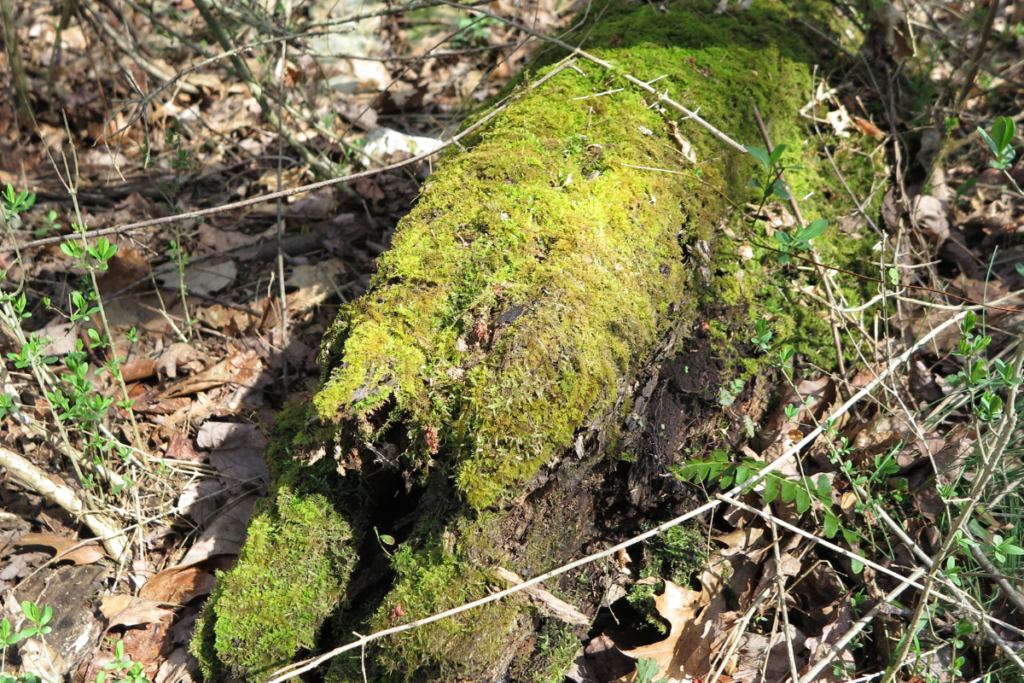
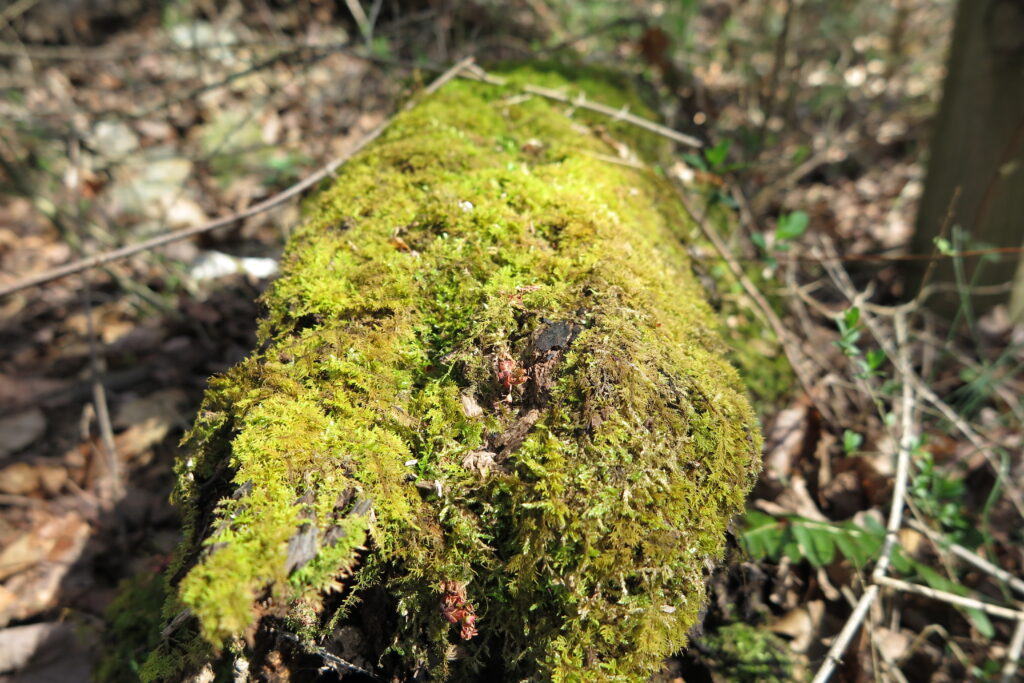
Woodland moss plays an important role in maintaining the long-term health of natural landscapes. As colonies grow and age, older portions gradually break down and contribute organic matter to the environment. This process supports soil formation and helps improve soil quality over time.
The plant also protects surfaces from erosion. Moss-covered areas are less vulnerable to rainfall impact than exposed soil or bare rock. By reducing the force of water movement, moss helps stabilize surfaces and limit environmental degradation.
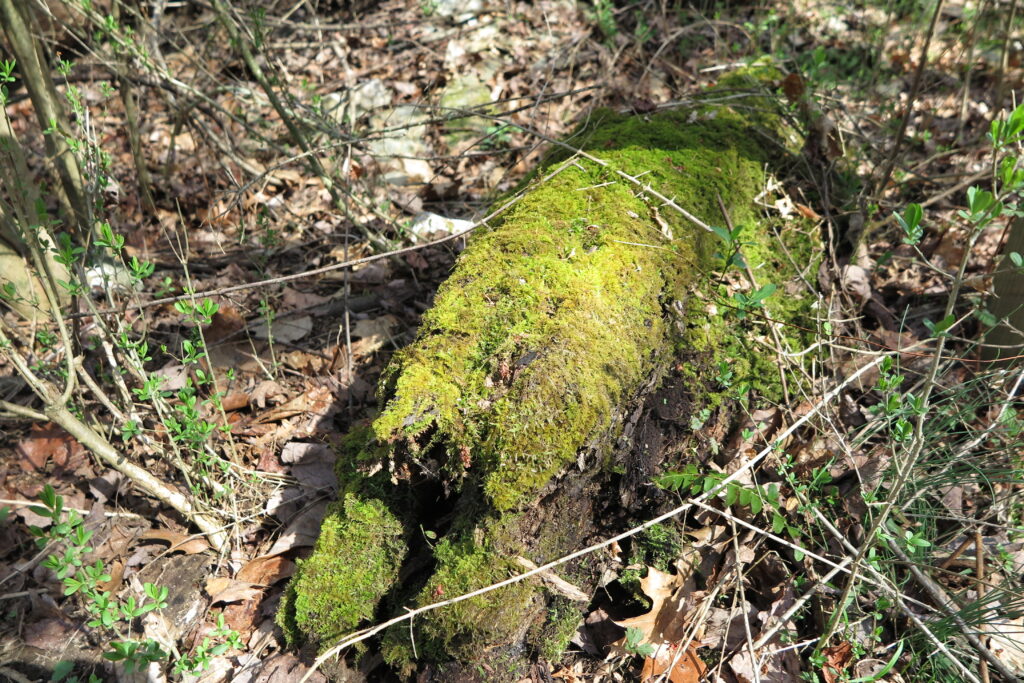
Another important use involves supporting ecological succession. Moss often colonizes surfaces that would otherwise remain relatively barren, including rocks, decaying logs, and disturbed ground. Its presence can create conditions that eventually support additional plant and microbial communities.
A comparison can be made to a foundation beneath a building. While rarely noticed, the foundation provides support that allows the structure above it to remain stable. Woodland moss performs a similar role in many ecosystems by creating conditions that help sustain broader ecological communities.
Through moisture storage, wildlife support, soil development, and erosion reduction, woodland moss contributes to the long-term stability of natural environments. These combined uses demonstrate why such a small plant can have an outsized influence on the ecosystems where it occurs.
Popular Searches About Woodland Moss
Explore Woodland Moss Guide
Explore More Plants

Support Encounters World
Help support wildlife photography and get behind the scenes discoveries on Patreon.