Woodland Moss vs Algae Guide: Key Differences, Identification, and Comparison
Quick Facts
Woodland Moss Classification: Non-Vascular Plant (Bryophyte)
Algae Classification: Diverse Aquatic and Photosynthetic Organisms
Woodland Moss Reproduction: Spores
Algae Reproduction: Spores, Cell Division, and Fragmentation
Woodland Moss Structure: Leaves, Stems, and Rhizoids
Algae Structure: Simple Cells, Colonies, or Filaments
Common Confusion: Green Surface Growth on Logs, Rocks, and Soil
Woodland Moss vs Algae Introduction and Why They Are Often Confused
Woodland Moss (Moss sp.) and algae are frequently mistaken for one another because both can create green coverings across natural surfaces. A damp log, shaded rock, or moist patch of soil may appear coated in green growth, leading many people to assume they are looking at the same type of organism. Closer examination, however, reveals major differences in structure, biology, and appearance.
Both woodland moss and algae occur throughout much of the world. They can be found in temperate forests, wetlands, streams, and numerous other environments where moisture is available. Their shared preference for damp conditions is one reason why confusion between the two groups is so common.
For beginning naturalists, moss and algae may seem nearly identical from a distance. Both contribute green coloration to natural landscapes and often occupy similar surfaces. Yet they belong to very different biological groups and possess distinct characteristics that become easier to recognize with experience.
Understanding these differences helps improve field identification and provides insight into how each organism functions within ecosystems. Learning to distinguish woodland moss from algae is often one of the first steps in recognizing the diversity of life present in forest environments.
Woodland Moss and Algae Physical Structure Comparison
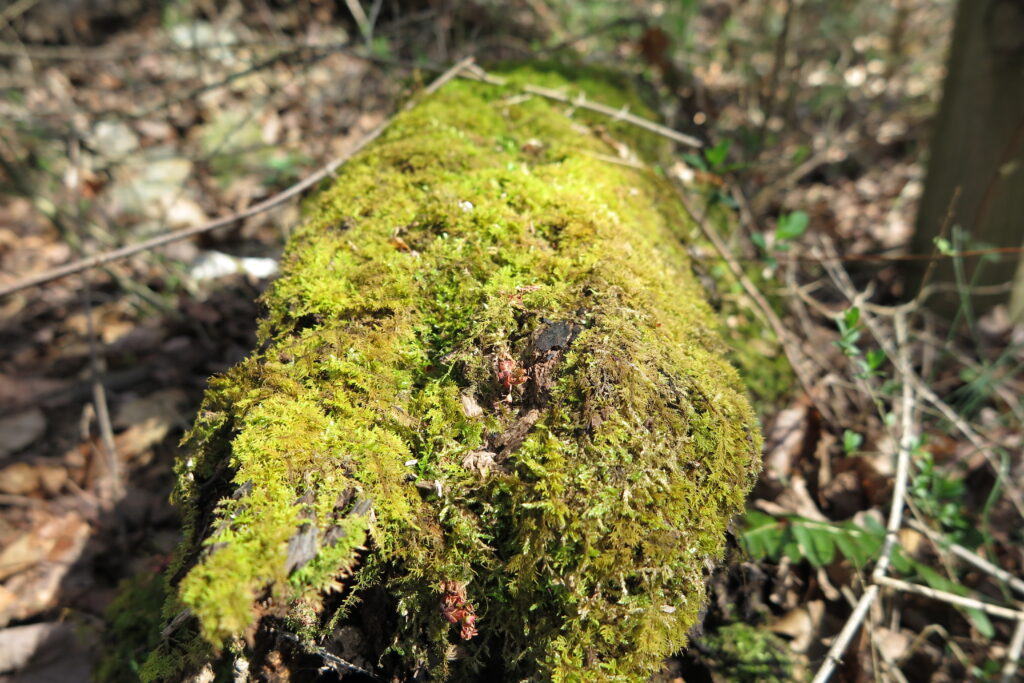
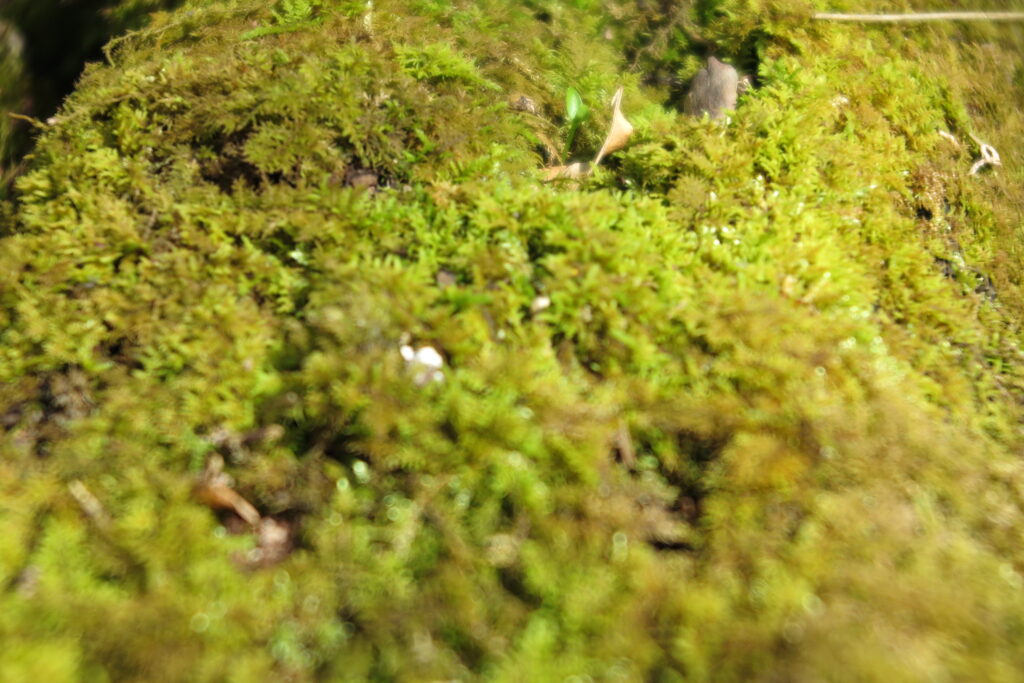
The easiest way to separate woodland moss from algae is by examining overall structure. Woodland moss possesses organized stems, tiny leaves, and root-like rhizoids that create a recognizable plant form. Even though these structures are small, they give moss a distinct appearance when viewed closely.
Algae generally lack this level of organization. Most algae consist of simple cells, filaments, sheets, or colonies rather than true plant-like structures. Instead of forming miniature leafy shoots, algae often appear as smooth coatings, slimy layers, or thread-like growths.
A useful comparison is the difference between a miniature forest and a green film. Woodland moss resembles a dense collection of tiny plants growing together, while algae often looks more like paint spread across a surface. This distinction becomes increasingly obvious when examining the organisms up close.
Texture provides another important clue. Moss typically feels soft, velvety, or cushion-like because of its dense arrangement of stems and leaves. Algae often feels slippery, slimy, or gelatinous depending on species and moisture levels.
Even from a short distance, mature moss colonies frequently display visible texture and depth. Algae usually appears flatter and less structured. These physical differences remain among the most reliable features for identification.
Woodland Moss vs Algae Identification in the Field
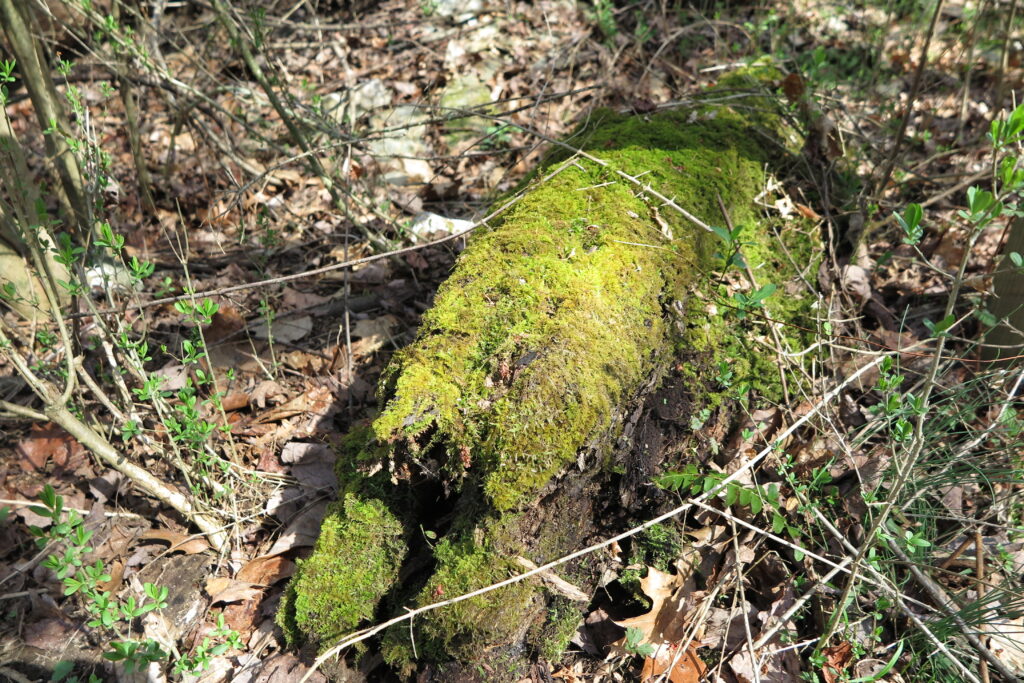
Field identification often begins with observing how the organism appears on the surface it occupies. Woodland moss commonly forms thick carpets, cushions, or mats with noticeable depth. The colony frequently rises above the surface and displays visible texture even without magnification.
Algae generally remains much thinner. Instead of creating a raised carpet, it often forms a coating that closely follows the underlying surface. Wet algae may appear glossy or reflective, while moss tends to maintain a softer, more matte appearance.
Color can sometimes be misleading because both organisms are commonly green. Woodland moss may range from bright emerald to deep olive green, while algae can vary from vivid green to dark green or even brownish shades. Structural characteristics are therefore more useful than color alone.
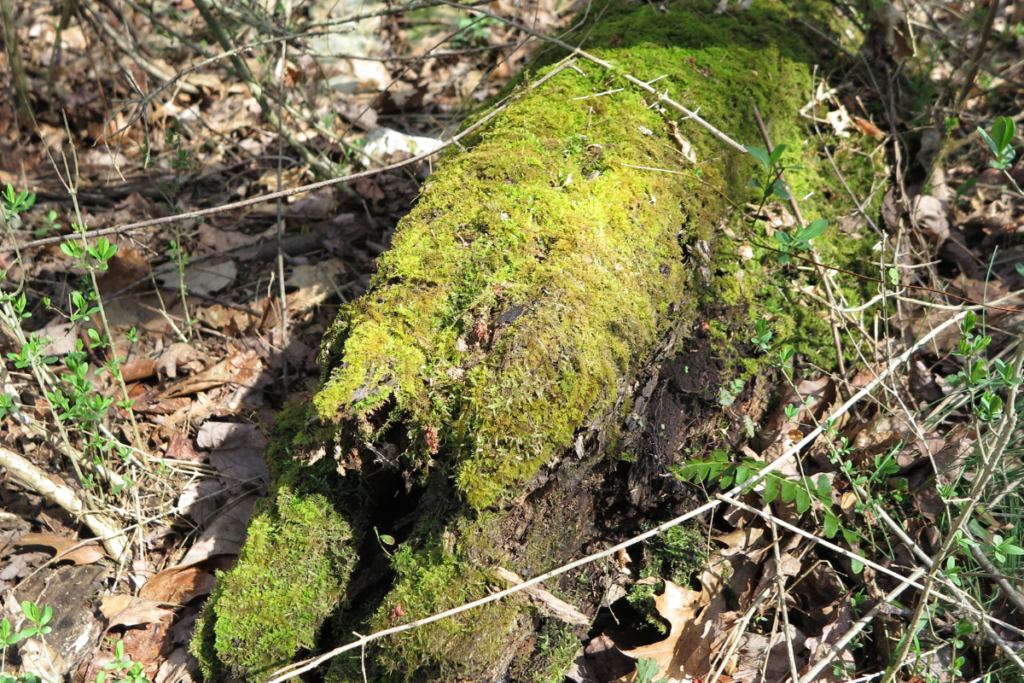
A practical example involves examining a decaying log in a forest. If the growth appears thick, soft, and composed of countless tiny leafy shoots, woodland moss is the likely identification. If the surface looks smooth, slippery, or resembles a thin green layer, algae becomes the more probable explanation.
Many beginners identify moss simply because they see green coloration. Careful observation of texture, depth, and structure produces much more reliable results. These visual clues allow naturalists to distinguish woodland moss from algae with confidence.
Woodland Moss and Algae Ecological Differences
Although both organisms contribute to ecosystem health, they perform different ecological roles. Woodland moss often functions as a moisture reservoir, wildlife shelter, and protective ground layer. Large colonies can influence local humidity, reduce erosion, and provide habitat for numerous small organisms.
Algae plays a different role within many ecosystems. Aquatic algae serve as important primary producers that support food webs in ponds, lakes, streams, and wetlands. Even terrestrial algae contribute to photosynthesis and nutrient cycling, though their ecological influence often occurs at smaller scales.
The environments favored by each group also differ. Woodland moss commonly becomes established on logs, rocks, roots, and forest floors where stable conditions allow colonies to persist. Algae is more strongly associated with water, saturated surfaces, and environments where standing moisture remains present for extended periods.
A comparison can be made between a forest ground cover and a microscopic lawn in water. Woodland moss often creates visible structural habitat, while algae frequently contributes through productivity and nutrient cycling. Both are valuable, but their ecological functions differ significantly.
Understanding these distinctions helps explain why woodland moss and algae occupy separate roles within natural ecosystems. Despite sharing green coloration and a preference for moisture, they represent very different forms of life that contribute to environmental health in unique ways.
Popular Searches About Woodland Moss
Explore Woodland Moss Guide
Explore More Plants

Support Encounters World
Help support wildlife photography and get behind the scenes discoveries on Patreon.