Woodland Moss Facts Guide: Fascinating Facts About Woodland Moss
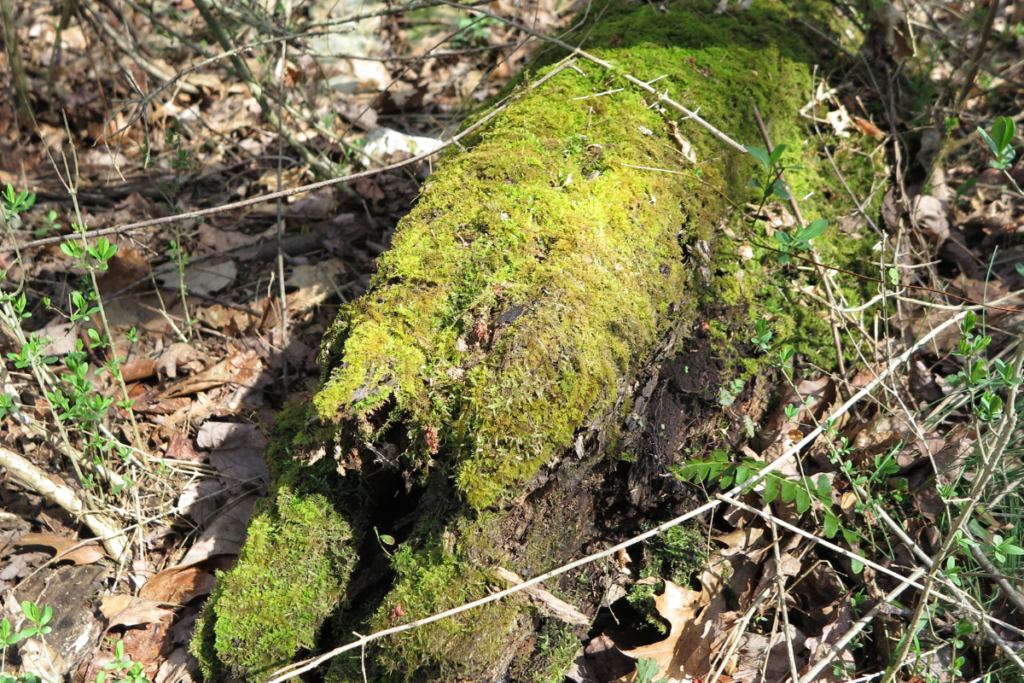
Quick Facts
Scientific Group: Bryophytes
Plant Type: Non-Vascular Plant
Primary Reproduction Method: Spores
Typical Lifespan: Colonies Can Persist for Decades
Global Distribution: Temperate and Boreal Regions Worldwide
Water Absorption Method: Directly Through Plant Tissues
Notable Feature: One of Earth’s Oldest Land Plant Groups
Woodland Moss Facts Introduction and Natural History
Woodland Moss (Moss sp.) is one of the oldest groups of land plants still thriving today. Long before flowering plants, grasses, and modern forests dominated the landscape, moss ancestors had already begun colonizing terrestrial environments. Their ancient lineage makes them an important part of Earth’s botanical history.
Today, woodland moss occurs across large portions of North America, Europe, Asia, and other temperate regions. Despite their small size, these plants have achieved remarkable success and remain common features of forests, mountains, wetlands, and natural landscapes. Their widespread distribution demonstrates a level of resilience that few plant groups can match.
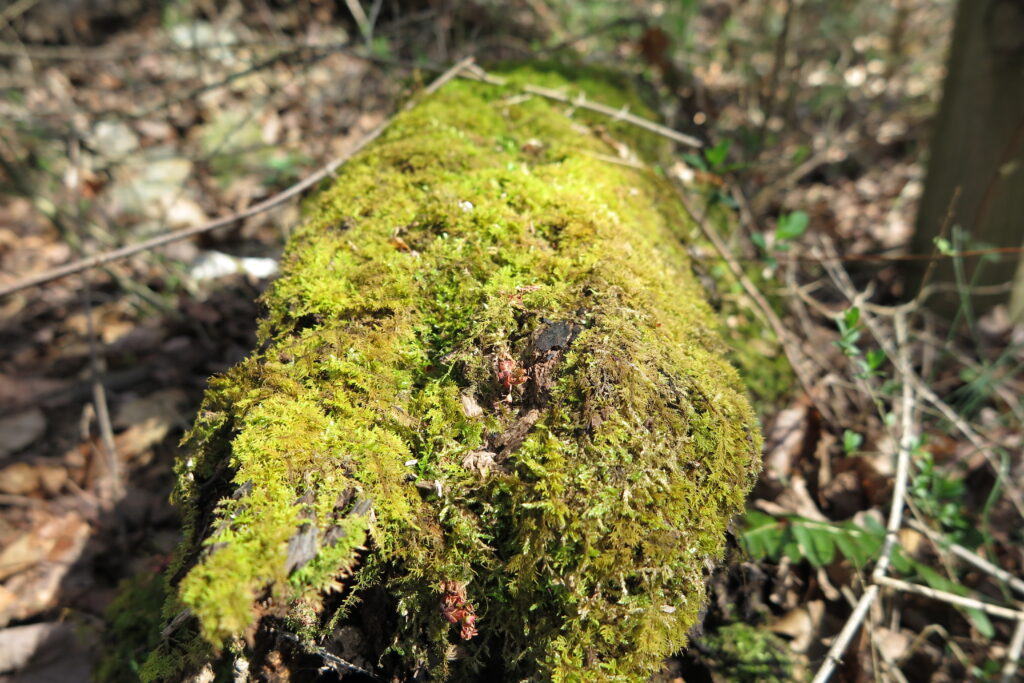
Many people walk past moss-covered logs and rocks without realizing they are looking at plants that represent hundreds of millions of years of evolutionary history. Woodland mosses have survived major climate shifts, changing ecosystems, and countless environmental challenges throughout geological time.
The facts surrounding woodland moss reveal a plant group that is far more remarkable than its modest appearance suggests. From ancient origins to unique survival strategies, woodland moss offers fascinating insights into the diversity of life found within natural ecosystems.
Amazing Woodland Moss Adaptations and Survival Facts
One of the most impressive facts about woodland moss is its ability to survive drying out. During periods of drought, many moss species can enter a dormant state in which biological activity slows dramatically. When moisture returns, the colony often recovers and resumes normal functioning.
Woodland moss absorbs water differently than most plants. Rather than relying on an extensive root system, it takes in moisture directly through its leaves and stems. This adaptation allows colonies to quickly utilize rainfall, dew, and humidity from the surrounding environment.
Another interesting fact is that moss lacks the vascular system found in flowering plants. Trees and shrubs depend on specialized tissues to transport water and nutrients over long distances. Moss operates without these structures, which is one reason colonies remain relatively low-growing.
Some woodland moss colonies can survive for many years in the same location. While individual shoots may die and be replaced, the colony itself can persist through continuous renewal. This longevity contributes to the stable green carpets often observed in mature forests.
A useful comparison is a living sponge that repeatedly dries out and rehydrates without losing its ability to function. Few plants possess this level of environmental flexibility, making woodland moss particularly unique among land plants.
Woodland Moss Ecology and Environmental Facts
Woodland moss plays a surprisingly important role in many ecosystems. Colonies help retain moisture, reduce erosion, and create habitat for countless small organisms. These contributions often go unnoticed despite their importance to overall ecosystem health.
A single patch of moss may support a diverse community of microscopic life. Insects, mites, springtails, nematodes, fungi, and bacteria frequently occupy the spaces between moss stems. To these organisms, a moss colony functions as an entire miniature ecosystem.
Another fascinating fact involves water storage. Moss colonies can hold several times their own weight in moisture under favorable conditions. This ability helps create stable environmental conditions for nearby organisms and contributes to moisture regulation within forests.
Woodland moss also assists with soil development. As older portions of colonies gradually decompose, they contribute organic matter that becomes incorporated into the surrounding environment. Over long periods, this process helps improve soil quality and supports ecosystem productivity.
Scientists often use moss as an indicator of environmental conditions. Because many species respond to pollution and habitat changes, their presence or absence can provide valuable information about ecosystem health.
Surprising Woodland Moss Facts You May Not Know
Despite being classified as plants, woodland mosses do not produce flowers, fruits, or seeds. Instead, they reproduce using microscopic spores released from specialized capsules. This reproductive strategy predates the evolution of flowering plants by hundreds of millions of years.
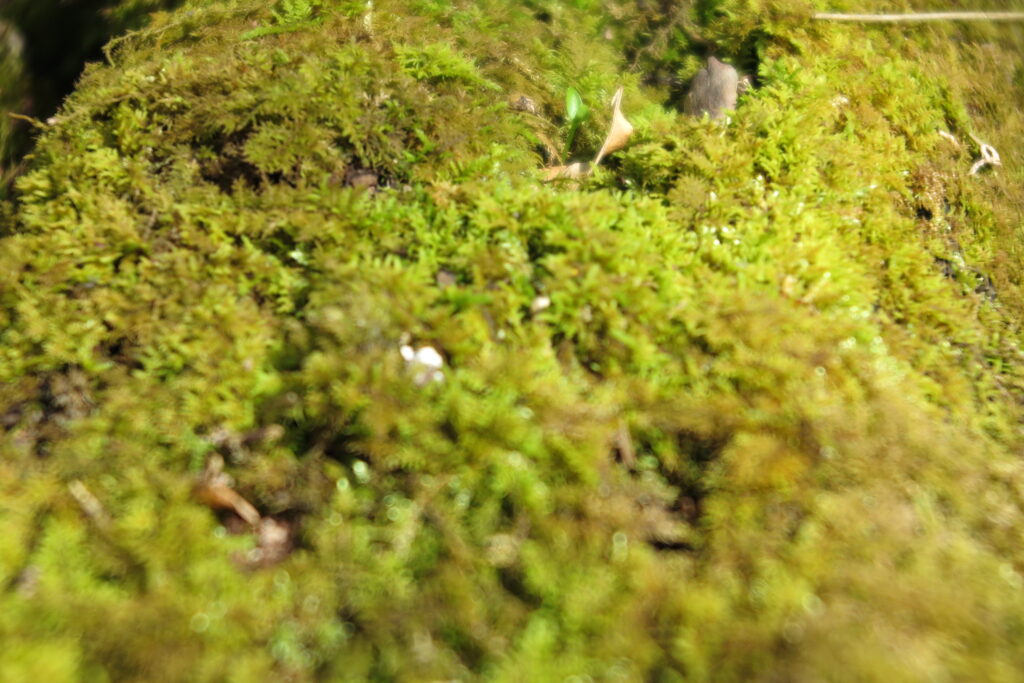
Another surprising fact is the scale at which moss operates. Viewed closely, a moss colony resembles a miniature forest made up of countless tiny shoots. Details invisible to the naked eye become remarkably complex when examined through magnification.
Many people assume moss only grows in heavily shaded areas. While shade is often beneficial, some species successfully occupy more exposed locations when moisture remains available. This flexibility helps explain the widespread distribution of moss across different landscapes.
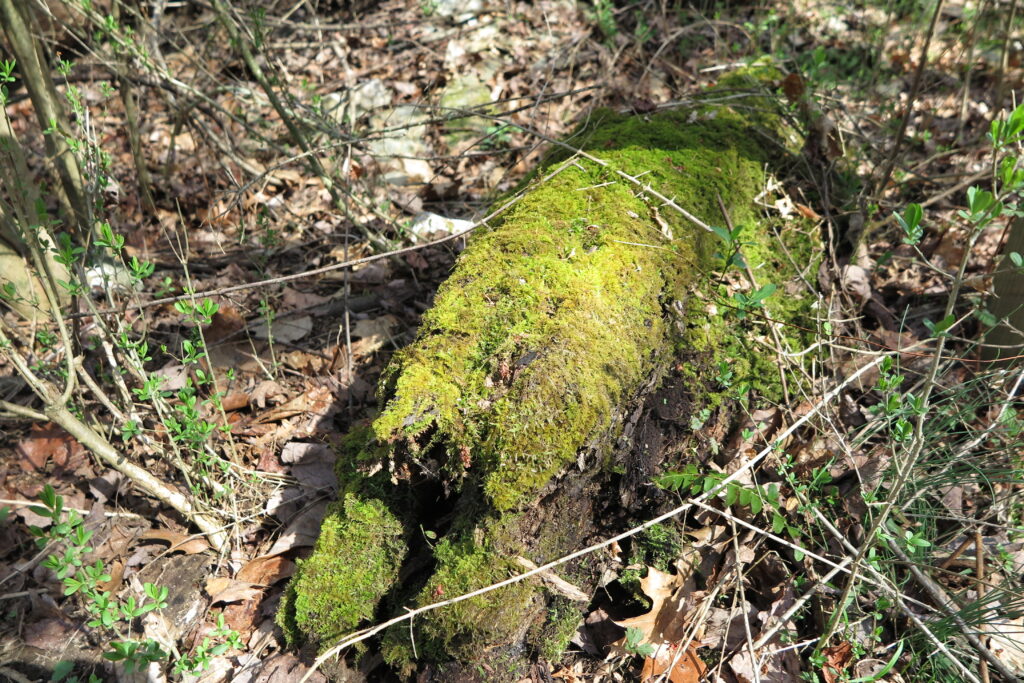
Woodland moss can establish itself on a variety of surfaces, including soil, rocks, tree roots, decaying wood, and even old stone structures. Its ability to colonize diverse substrates contributes to its ecological success and broad geographic range.
Perhaps the most remarkable fact is that moss has remained successful for hundreds of millions of years while maintaining a relatively simple structure. Its continued presence across forests worldwide demonstrates that size and complexity are not always necessary for long-term survival. Woodland moss remains one of nature’s most enduring and fascinating plant groups.
Popular Searches About Woodland Moss
Explore Woodland Moss Guide
Explore More Plants

Support Encounters World
Help support wildlife photography and get behind the scenes discoveries on Patreon.