Woodland Moss Benefits Guide: Why Woodland Moss Is Important for Forests, Wildlife, and the Environment
Quick Facts
Primary Benefit: Moisture Retention
Environmental Value: Soil Protection
Wildlife Support: Shelter for Small Organisms
Erosion Control: Helps Stabilize Surfaces
Air Quality Contribution: Carbon Storage Through Photosynthesis
Biodiversity Impact: Supports Microhabitats
Human Interest: Landscaping and Natural Beauty
Woodland Moss Benefits Introduction and Ecological Importance
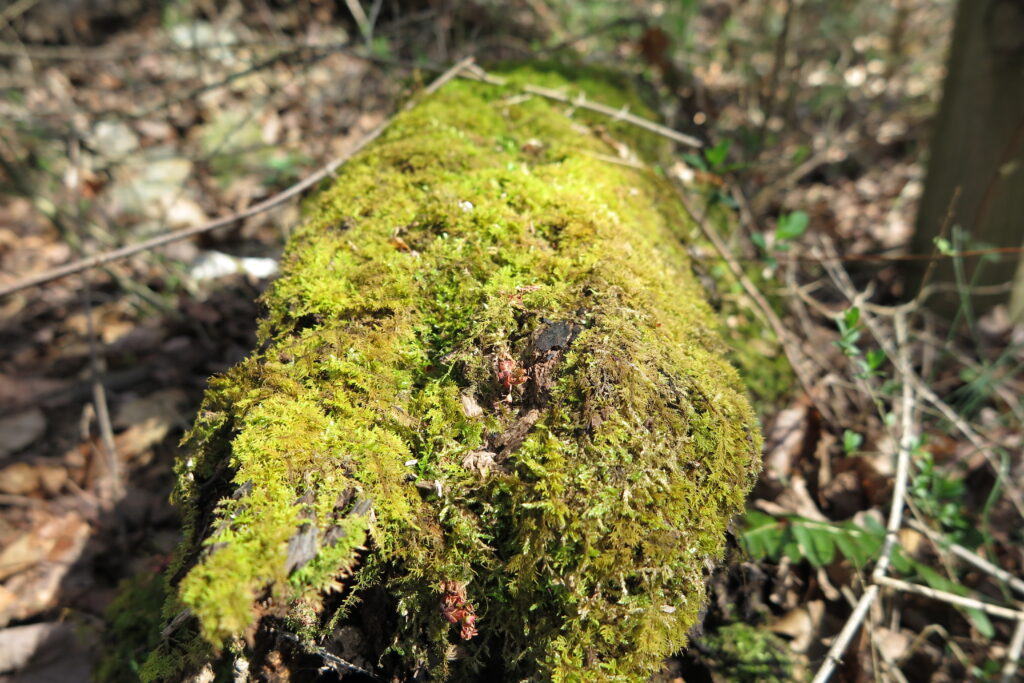
Woodland Moss (Moss sp.) is often admired for its soft green appearance, but its value extends far beyond aesthetics. These ancient plants contribute to ecosystem health in numerous ways, supporting both environmental stability and biological diversity. Although individual moss plants are tiny, large colonies can collectively influence entire woodland communities.
Found throughout temperate and boreal regions worldwide, woodland mosses occupy countless forests, mountains, and natural landscapes. Their widespread distribution allows them to provide ecological benefits across a vast geographic range. In many locations, moss functions as an important supporting component of healthy ecosystems.
Unlike large trees that dominate landscapes through size or flowering plants that attract pollinators with colorful blooms, woodland moss provides its greatest value through consistency. It quietly contributes to ecosystem processes every day without drawing much attention. These contributions accumulate over time and influence the environment in meaningful ways.
The benefits of woodland moss extend to plants, animals, microorganisms, and even people. By helping regulate moisture, protect soil, and support biodiversity, moss serves as a valuable natural resource within many ecosystems. Understanding these benefits helps explain why moss remains such an important component of woodland environments around the world.
Woodland Moss and Natural Water Conservation
One of the greatest benefits provided by woodland moss is its ability to retain moisture. Moss colonies absorb water directly through their tissues and temporarily store it within the colony structure. This stored moisture remains available for longer periods than it would on exposed surfaces.
A useful comparison is a natural sponge resting on the forest floor. During rainfall, moss absorbs water and helps prevent it from immediately running off. As conditions become drier, moisture is released gradually back into the surrounding environment.
This water-holding ability benefits nearby plants and microorganisms. Areas containing healthy moss colonies often maintain more stable moisture conditions than exposed ground. Small seedlings, fungi, and countless microscopic organisms can take advantage of these improved conditions.
Moisture retention also helps moderate short-term environmental fluctuations. During periods of changing weather, moss acts as a buffer that reduces the speed at which surfaces dry out. This creates a more stable local environment for many forms of life.
Across large forested landscapes, thousands of moss colonies work together to influence water movement and retention. While a single patch may appear insignificant, extensive moss coverage can contribute substantially to moisture conservation throughout an ecosystem.
Woodland Moss Benefits for Wildlife and Biodiversity
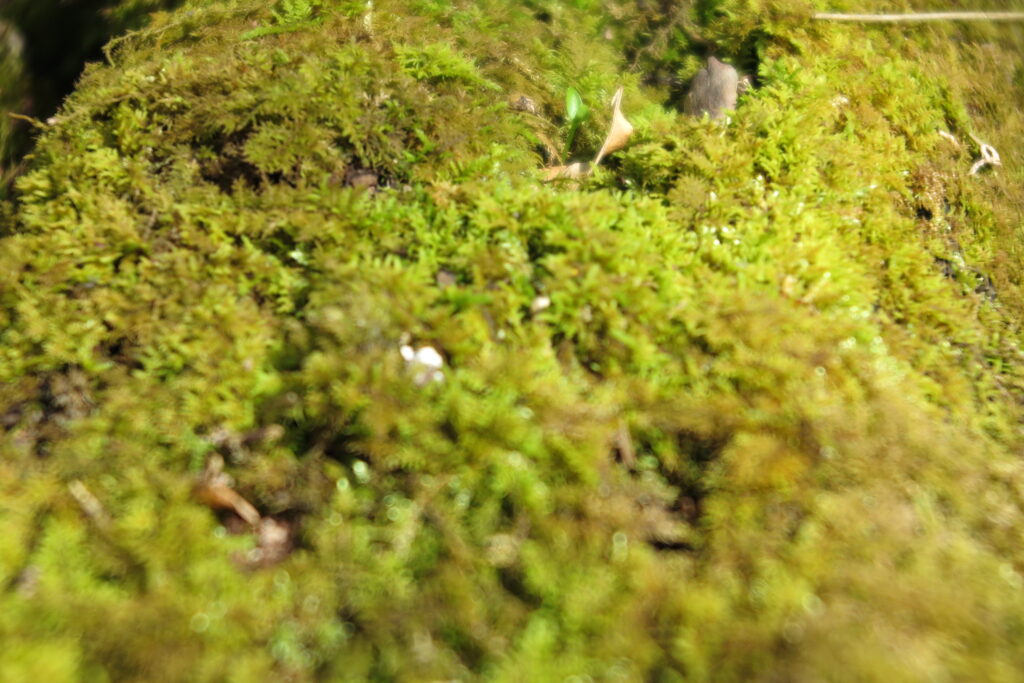
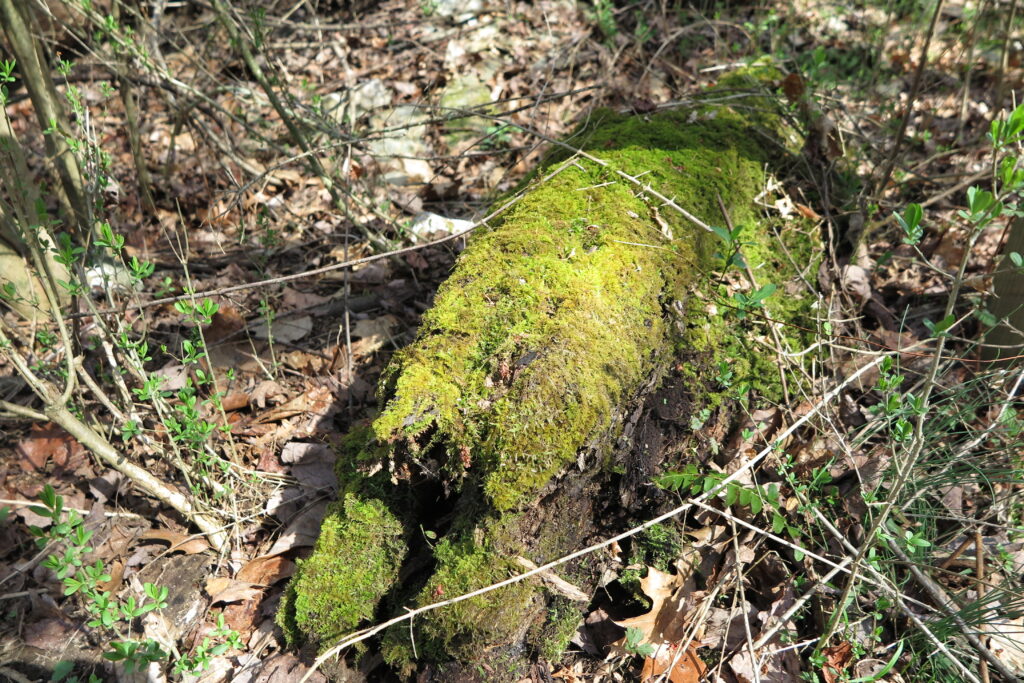
Woodland moss provides valuable shelter for numerous organisms. Beneath the surface of a moss colony exists a miniature world occupied by insects, mites, springtails, spiders, nematodes, and many other small creatures. These organisms rely on moss for protection and habitat.
The dense structure of moss creates countless hiding places. Tiny gaps between stems and leaves offer refuge from predators, harsh weather, and sudden temperature changes. For small invertebrates, a moss colony can function much like a forest does for larger animals.
Many species use moss as a nesting or resting material. Birds frequently collect moss when building nests because of its softness and moisture-holding properties. Small mammals may also incorporate moss into sheltered nesting locations where additional insulation is beneficial.
Microorganisms thrive within moss colonies as well. Bacteria, fungi, and other microscopic life forms contribute to decomposition and nutrient cycling while benefiting from the stable conditions moss provides. These hidden communities play important roles in maintaining ecosystem health.
The biodiversity supported by woodland moss often goes unnoticed. However, close examination reveals that moss colonies serve as important habitat for a surprising variety of organisms. This ecological support helps strengthen the overall resilience of natural ecosystems.
Woodland Moss Contributions to Soil Health and Landscape Stability
Woodland moss provides several important benefits related to soil protection and environmental stability. Colonies covering exposed surfaces help reduce the direct impact of rainfall, preventing soil particles from being displaced as easily. This protective effect contributes to erosion reduction over time.
As moss colonies age, older portions gradually decompose and become incorporated into the surrounding environment. This process adds organic matter that improves soil structure and contributes to long-term soil development. Nutrients released through decomposition become available to other organisms within the ecosystem.
A practical comparison can be made to a protective blanket covering the ground. Just as a blanket shields a surface beneath it, moss helps protect soil from environmental stress. This benefit becomes particularly valuable on slopes, stream banks, and other locations vulnerable to erosion.
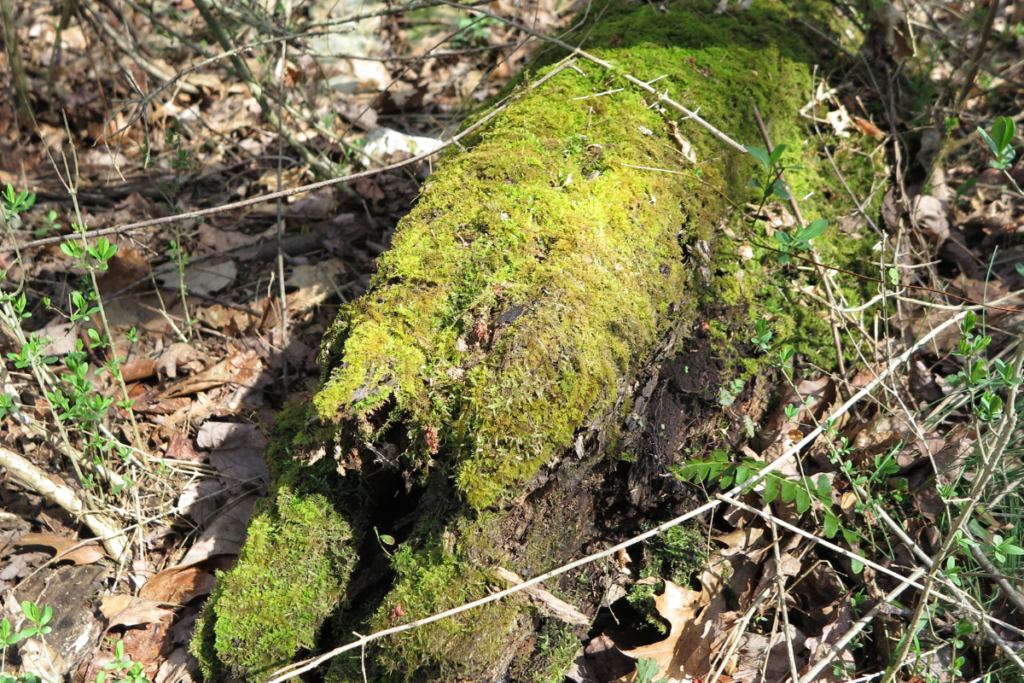
Moss also contributes to surface stability on rocks, logs, and exposed ground. By occupying available space, colonies help reduce the amount of bare substrate exposed to weathering forces. This influence can become increasingly important over long periods.
In addition to its ecological value, woodland moss contributes to the natural beauty that many people associate with healthy forests. Its vibrant green coloration, soft texture, and ability to create lush landscapes make it one of the most visually appealing plants found in woodland environments. Through both environmental and aesthetic contributions, woodland moss provides benefits that extend far beyond its modest size.
Popular Searches About Woodland Moss
Explore Woodland Moss Guide
Explore More Plants

Support Encounters World
Help support wildlife photography and get behind the scenes discoveries on Patreon.