Woodland Moss Reproduction Guide: How Woodland Moss Reproduces and Spreads
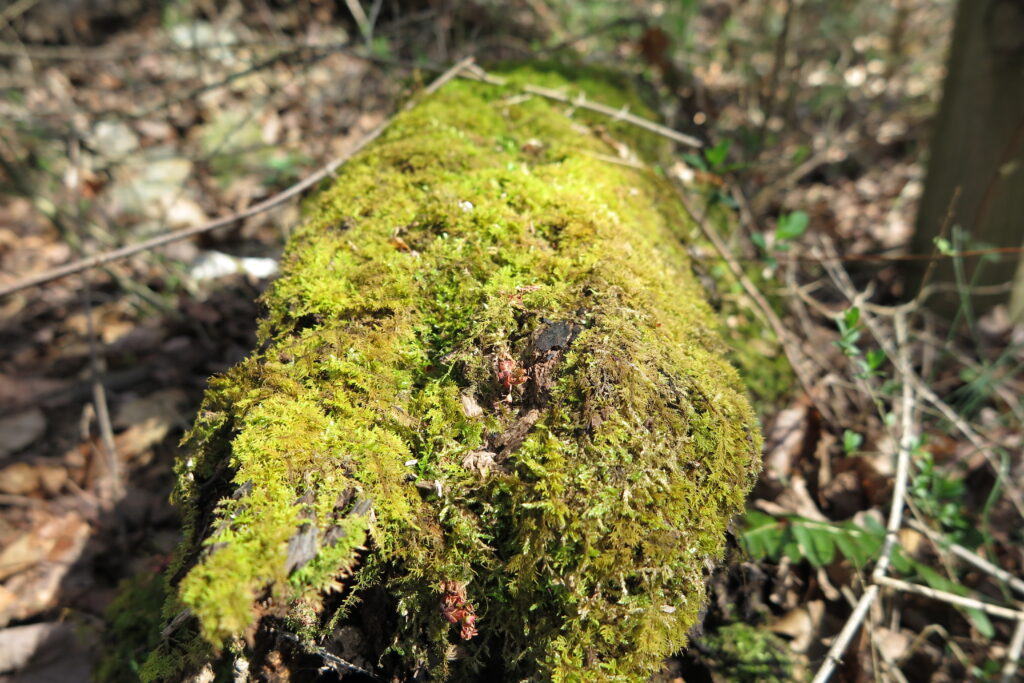
Quick Facts
Primary Reproductive Method: Spores
Secondary Reproductive Method: Fragmentation
Reproductive Structures: Sporophytes and Spore Capsules
Spore Dispersal Method: Wind and Water
Dominant Life Stage: Gametophyte
Reproduction Season: Most Common During Moist Conditions
Colony Expansion: Gradual Surface Colonization
Woodland Moss Reproduction Introduction and Biological Strategy
Woodland Moss (Moss sp.) reproduces through a fascinating process that differs greatly from the methods used by flowering plants. Rather than producing seeds enclosed within fruits, moss relies on microscopic spores that are released into the environment. This ancient reproductive strategy has allowed mosses to survive and spread across the world for hundreds of millions of years.
Throughout temperate and boreal regions, woodland moss populations maintain themselves through a combination of spore production and colony expansion. These methods allow moss to establish new colonies while also strengthening existing populations. Together, they contribute to the widespread distribution observed throughout forests and natural landscapes.
Many people are surprised to learn that the familiar green moss colony represents only one part of a much larger reproductive system. Hidden within the colony are structures and processes responsible for producing future generations. Although these features are small, they play a critical role in ensuring long-term survival.
The reproductive success of woodland moss depends heavily on environmental conditions. Moisture, stable temperatures, and suitable surfaces all influence the effectiveness of spore production and establishment. These factors help determine where new colonies eventually develop and thrive.
Woodland Moss Reproductive Structures and Spore Production
The most important reproductive structures in woodland moss are known as sporophytes. These structures develop after successful fertilization and grow directly from the moss colony. They are often visible as slender stalks extending above the green surface of the moss.
At the tip of each sporophyte is a capsule that contains thousands of microscopic spores. As the capsule matures, it gradually develops the ability to release these spores into the surrounding environment. The elevated position of the capsule improves dispersal and increases the chances of successful colonization.
A mature moss colony covered with sporophytes can resemble a miniature field of tiny stems topped with capsules. These structures stand above the colony and often become one of the easiest reproductive features to identify. Their appearance may vary slightly depending on species and developmental stage.
The capsules themselves undergo several changes before spore release occurs. Young capsules are often green and enclosed by protective coverings. As maturity approaches, coloration may shift toward tan, brown, or reddish shades before spores are eventually dispersed.
This reproductive structure is remarkably efficient. A single capsule may contain thousands of spores, providing numerous opportunities for future colonies to become established throughout the surrounding environment.
Woodland Moss Spore Dispersal and New Colony Establishment
Spore dispersal serves as the primary method through which woodland moss spreads to new locations. Once capsules mature, spores are released and carried away by wind currents, rainfall, flowing water, or other environmental forces. Their microscopic size allows them to travel considerable distances compared to the size of the parent colony.
A useful comparison is the release of dust particles into the air. While individual spores are nearly invisible, enormous numbers can be dispersed from a single colony. This increases the likelihood that at least some spores will eventually land in suitable environments.
Successful establishment begins when a spore encounters favorable conditions. Moisture availability, surface stability, and environmental quality all influence whether development can proceed. Most spores never become mature colonies, making large-scale dispersal an important part of the reproductive strategy.
After landing, a spore germinates and produces a thread-like structure called a protonema. This stage bears little resemblance to mature moss and often goes unnoticed by casual observers. Over time, buds develop along the protonema and eventually produce recognizable moss shoots.
The ability to colonize new surfaces through spore dispersal helps explain the widespread occurrence of woodland moss throughout forests, mountains, and natural landscapes across much of the world.
Woodland Moss Fragmentation and Long-Term Reproductive Success
In addition to spore production, woodland moss can reproduce through fragmentation. This process occurs when portions of an existing colony become separated and continue growing independently. Fragmentation provides an additional method of reproduction that complements spore dispersal.
Natural events frequently contribute to this process. Falling branches, animal movement, flowing water, and weather-related disturbances can break small sections from larger colonies. If these fragments remain viable and reach suitable conditions, they may develop into new colonies.
A comparison can be made to a cutting taken from a garden plant. While the mechanisms differ biologically, both processes allow a new individual to develop from existing plant material. Fragmentation provides a reliable way for moss to expand locally without depending entirely on spore production.
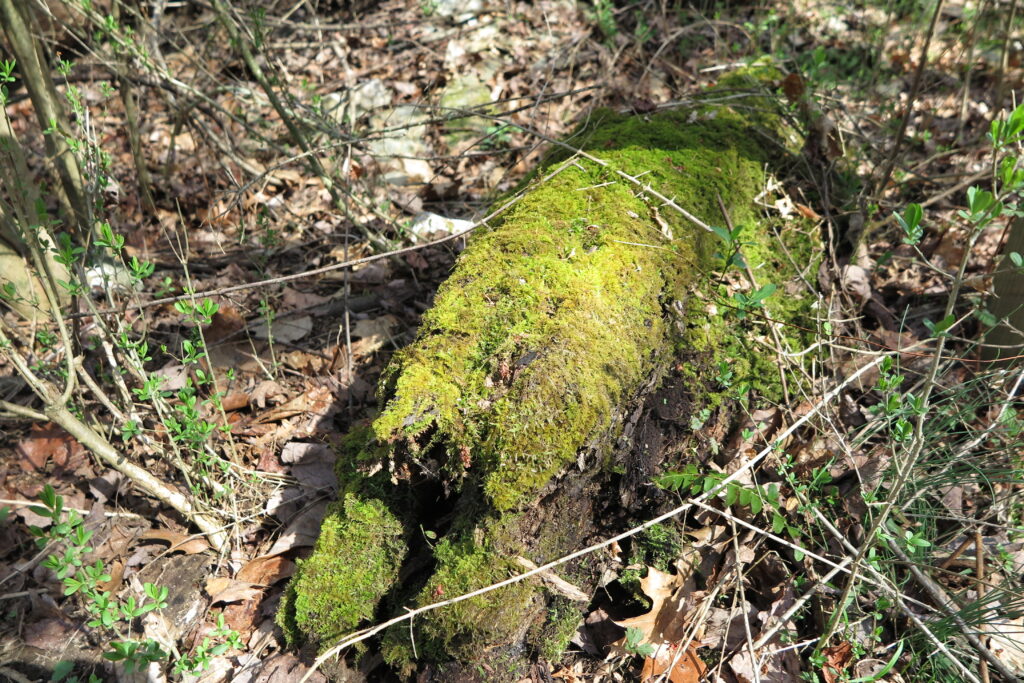
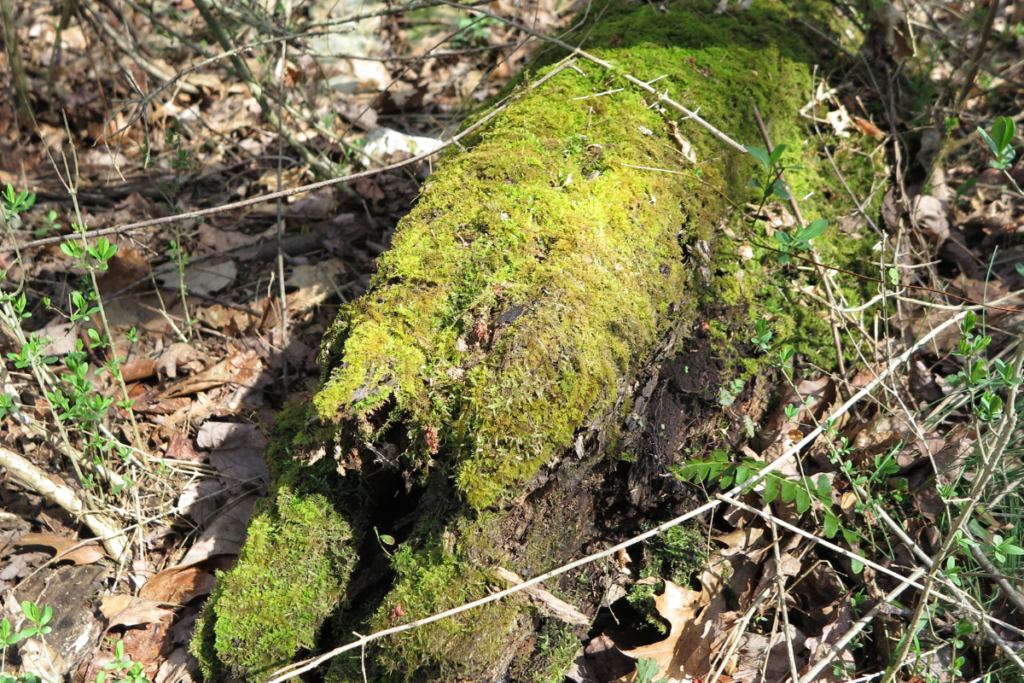
This reproductive method often supports gradual colony expansion within established environments. Nearby logs, rocks, roots, and soil surfaces may become colonized as fragments spread across the landscape. Such local dispersal contributes to the formation of extensive moss carpets that cover large areas over time.
Together, spore production and fragmentation create a highly effective reproductive system. Spores allow woodland moss to reach distant locations, while fragmentation supports local expansion and colony persistence. These complementary strategies have helped woodland moss remain one of the most successful and widely distributed groups of non-flowering plants found in natural ecosystems today.
Popular Searches About Woodland Moss
Explore Woodland Moss Guide
Explore More Plants

Support Encounters World
Help support wildlife photography and get behind the scenes discoveries on Patreon.