
Grape Hyacinth Habitat: Where Grape Hyacinth Grows Around the World
Quick Facts
Primary Habitat: Meadows, Open Woodlands, Gardens
Secondary Habitat: Roadsides, Lawns, Parks, Disturbed Areas
Soil Type: Well-drained Loam, Sandy Loam, Clay Loam
Soil pH Preference: Slightly Acidic to Neutral (6.0–7.5)
Moisture Level: Moderate Moisture, Tolerates Seasonal Dryness
Climate Zone: Temperate Regions
Light Requirements: Full Sun to Partial Shade
Grape Hyacinth Distribution Across Global Landscapes
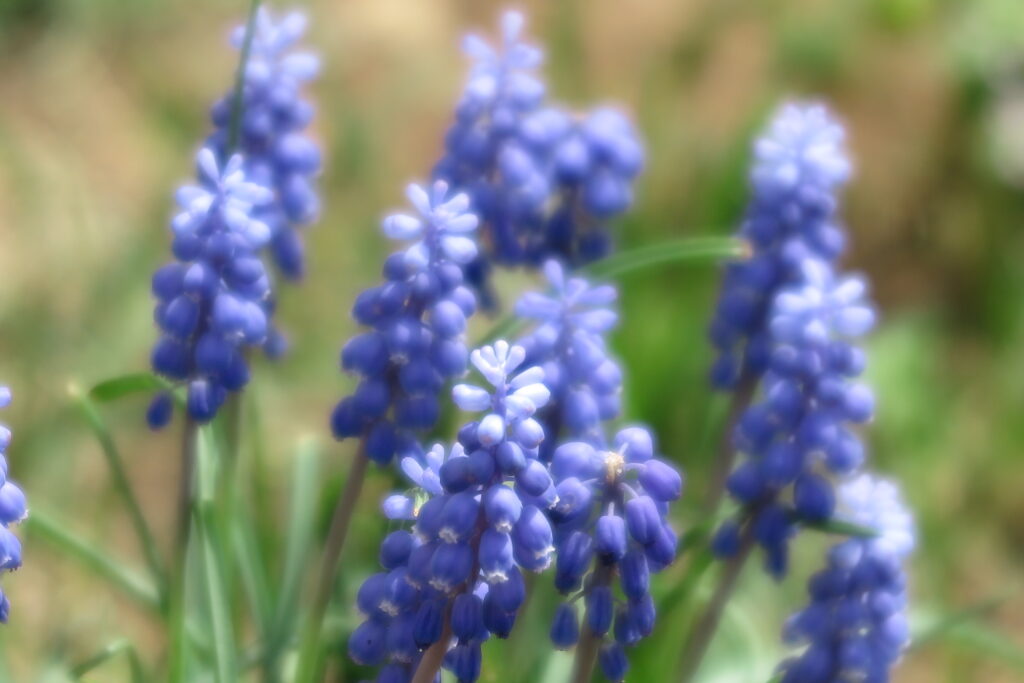
Grape hyacinth (Muscari armeniacum) is a spring-flowering bulb native to portions of southeastern Europe and western Asia. Over centuries, its attractive blooms and dependable growth have led to widespread cultivation across many continents. Today, the plant is frequently encountered far beyond its original range, appearing in both managed landscapes and naturalized populations.
The species has become especially common throughout Europe and North America, where it is valued for early-season color. Many established colonies persist for years after initial planting, allowing the plant to become a familiar feature of parks, gardens, and public landscapes. In some regions, it has blended so successfully into local scenery that many people assume it is native.
Although often associated with ornamental plantings, grape hyacinth is not restricted to cultivated settings. Escaped populations can be found growing independently in suitable environments, creating patches of vibrant blue flowers each spring. These naturalized groups demonstrate the species’ ability to adapt to a variety of environmental conditions.
Unlike highly specialized plants that occupy only narrow geographic ranges, grape hyacinth has proven remarkably flexible. Its success across multiple continents highlights an ability to thrive wherever seasonal conditions support bulb dormancy and spring growth. This adaptability has contributed significantly to its popularity among gardeners and landscape designers worldwide.
Grape Hyacinth Habitat Overview and Geographic Range
Across its global range, grape hyacinth occupies a broad distribution compared to many ornamental bulb species. While some spring flowers remain limited to particular climate zones or elevation ranges, grape hyacinth has expanded into numerous temperate regions. Its widespread presence reflects both natural adaptability and extensive cultivation by humans.
The species performs well in areas that experience distinct seasonal changes. Regions with cooler winters and moderate springs often support especially healthy populations. These conditions mirror the climates found throughout portions of the plant’s ancestral range, helping explain its continued success after introduction elsewhere.
Compared to more climate-sensitive ornamentals, grape hyacinth demonstrates impressive tolerance for regional variation. It can be found in locations that experience snowy winters as well as areas with relatively mild seasonal transitions. This flexibility allows it to establish across a broader geographic area than many comparable bulb species.
Large populations occur throughout much of Europe, where the species has been cultivated for generations. Similar success has been observed across North America, where naturalized colonies frequently appear outside formal garden settings. In many places, the plant now returns annually with little or no maintenance.
The overall distribution of grape hyacinth continues to expand through both intentional planting and natural spread. As a result, the species is now considered one of the most widely recognized spring-blooming bulbs in temperate landscapes. Few ornamental flowers have achieved such broad geographic representation while maintaining consistent visual appeal across so many regions.
Common Growing Environments for Grape Hyacinth
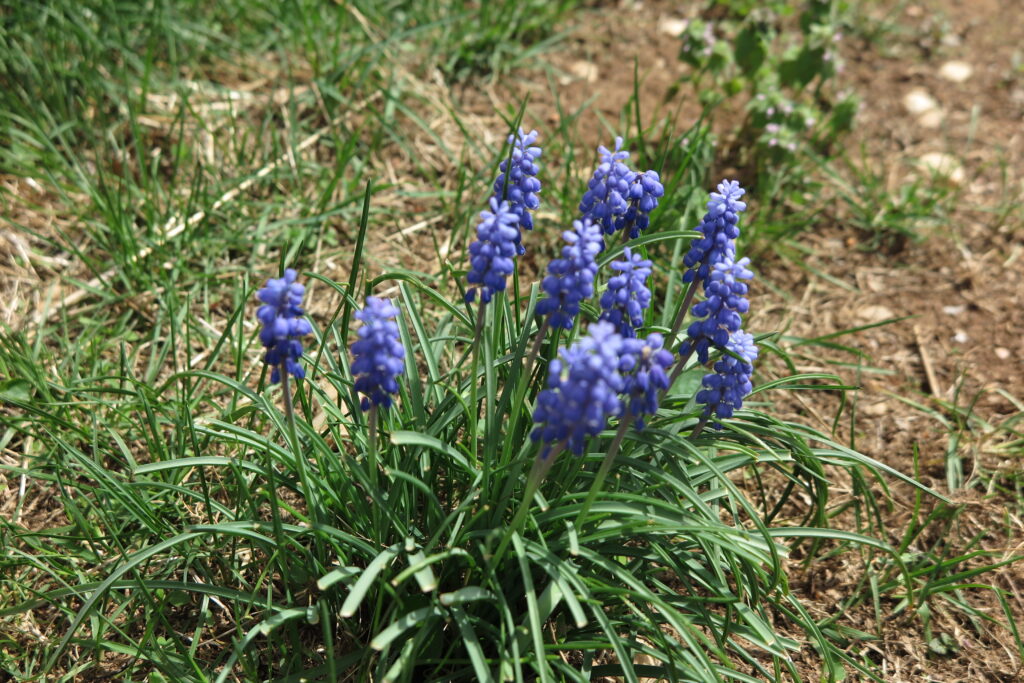
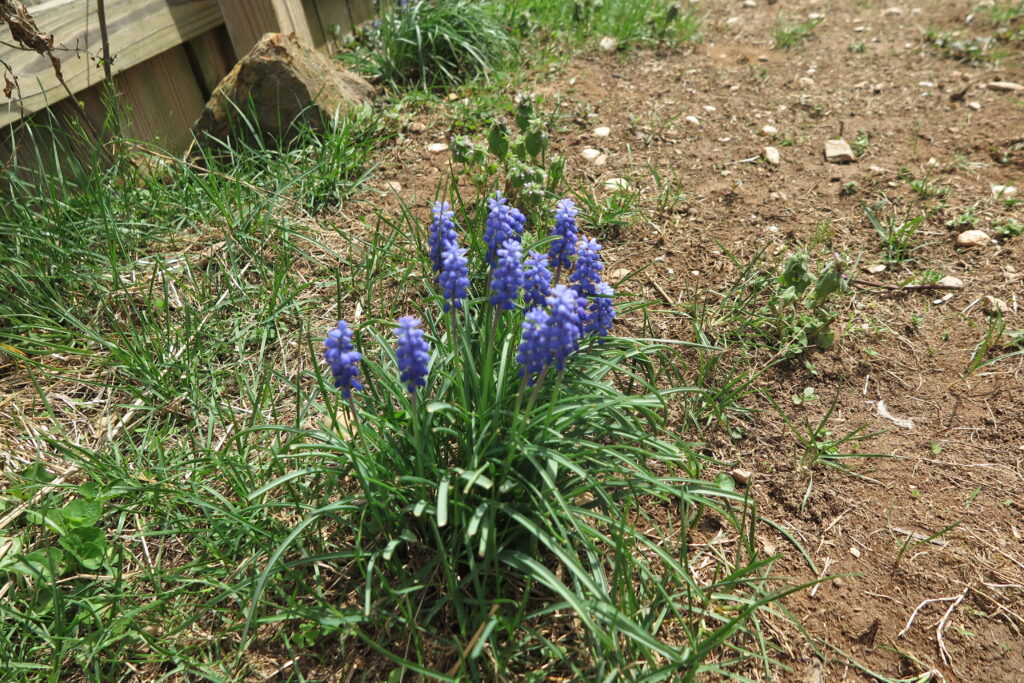
Grape hyacinth thrives in a variety of open environments where sunlight reaches the ground during the growing season. Meadows, grassy openings, and lightly wooded areas frequently support healthy populations. These settings provide enough light for spring growth while allowing bulbs to remain protected beneath the soil throughout the year.
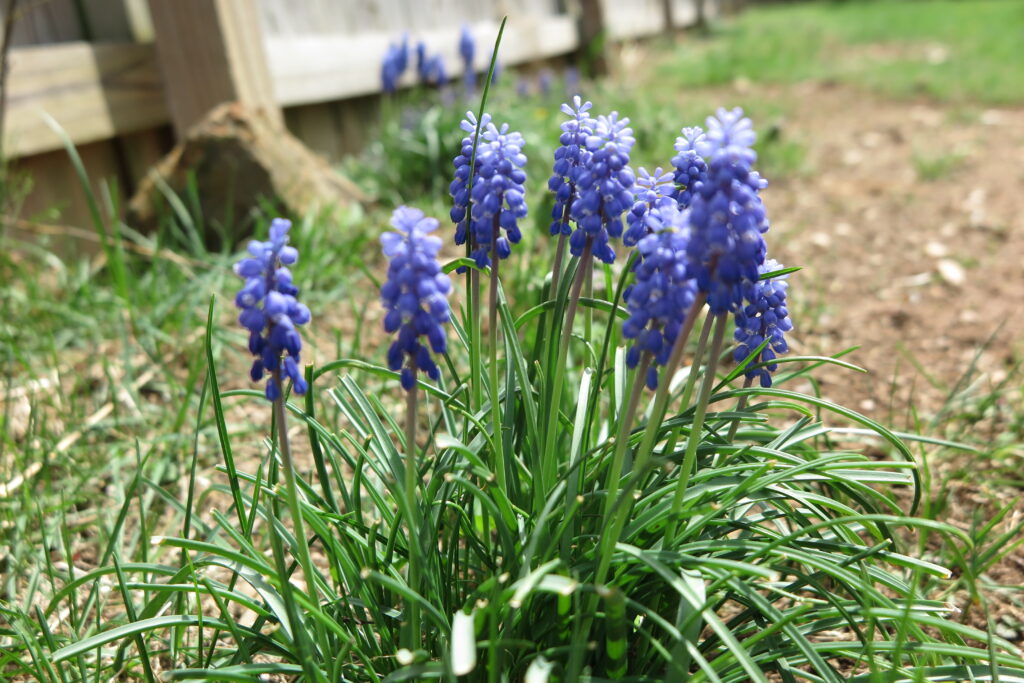
The species is commonly found along the edges of lawns, pathways, and garden borders. These transitional areas often provide ideal conditions because competition from larger plants remains relatively limited. The bulbs can establish stable colonies without being overshadowed by dense vegetation.
Open woodland margins also serve as favorable growing locations. In these environments, grape hyacinth benefits from sunlight that reaches the forest floor before trees fully leaf out. This seasonal window allows the plant to complete much of its visible growth while light remains abundant.
Human-altered landscapes frequently support large populations as well. Parks, residential neighborhoods, historic properties, and public gardens often contain extensive plantings that return each spring. In some cases, bulbs gradually spread beyond their original planting areas and establish naturalized clusters nearby.
The species demonstrates a preference for environments that balance openness with moderate protection. It often performs better along edges and transitional zones than in densely shaded interiors or completely exposed barren ground. This tendency explains why grape hyacinth is frequently encountered where different landscape types meet, creating visually striking displays along boundaries and open spaces.
Environmental Conditions Supporting Healthy Grape Hyacinth Growth
Well-drained soil is one of the most important environmental requirements for grape hyacinth. Loamy soils are particularly favorable because they provide a balance of drainage and moisture retention. Excessively waterlogged conditions can stress bulbs, making proper drainage essential for long-term success.
Moderate moisture levels support healthy growth throughout the active season. The plant benefits from consistent soil moisture during spring, when leaves and flowers are developing. However, it also tolerates periods of dryness once active growth declines, making it suitable for landscapes that experience seasonal changes in precipitation.
Temperate climates provide ideal conditions for grape hyacinth populations. Cool winters allow bulbs to experience the dormancy period necessary for reliable spring emergence. Similar conditions occur throughout many regions where the species has become successfully established outside its native range.
Sunlight availability strongly influences plant performance. Full sun generally produces the most vigorous flowering displays, although partial shade is also tolerated. Areas receiving morning sun and light afternoon shade often support healthy populations while reducing environmental stress during warmer periods.
The environmental conditions preferred by grape hyacinth resemble those found in many woodland clearings and meadow edges. A useful comparison would be the loose, moderately moist soil commonly found beneath scattered trees bordering open grasslands. When combined with seasonal temperature changes and adequate sunlight, these conditions create an environment where grape hyacinth can thrive year after year.
Popular Searches About Grape Hyacinth
Explore Grape Hyacinth Guide
Explore More Plants

Support Encounters World
Help support wildlife photography and get behind the scenes discoveries on Patreon.