Are Grape Hyacinths Invasive? Growth, Spreading, and Control Guide
Quick Facts
Invasive Status: Generally Non-Invasive, Can Naturalize Aggressively
Spread Method: Bulb Offsets and Seeds
Growth Speed: Moderate
Colony Formation: Common
Containment Difficulty: Low to Moderate
Removal Difficulty: Moderate Once Established
Naturalization Potential: High
Understanding Grape Hyacinth Spreading Behavior
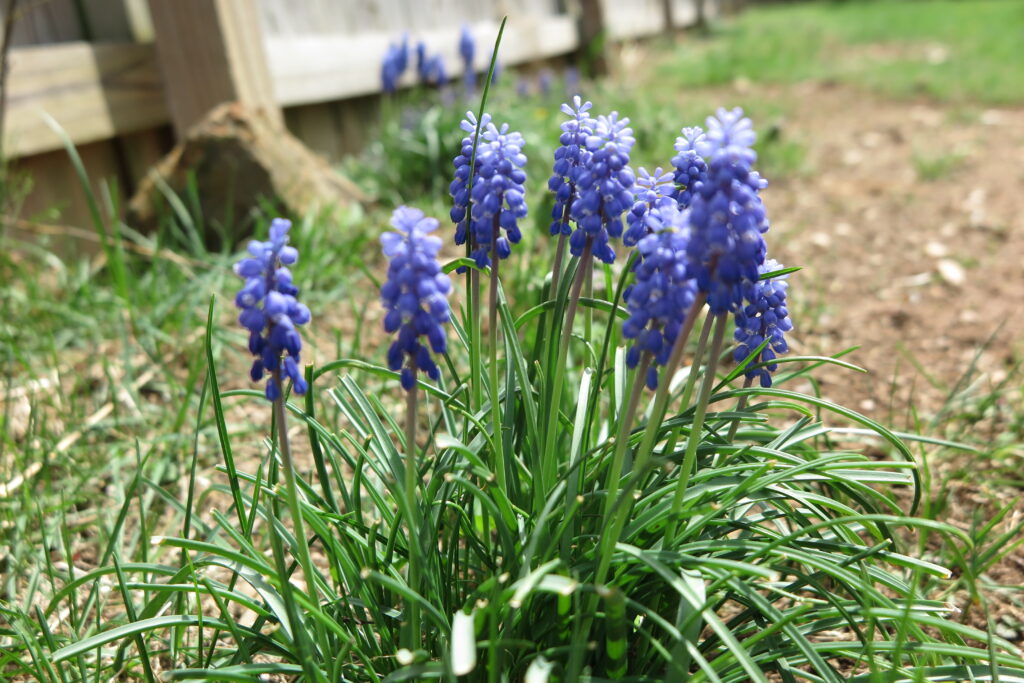
Grape hyacinth is often praised for its reliability, colorful spring blooms, and ability to return year after year. However, many gardeners eventually notice that a small planting can become much larger over time. This tendency raises a common question: are grape hyacinths invasive? The answer depends largely on location, growing conditions, and how aggressively the plant is allowed to spread.
Native to southeastern Europe and western Asia, grape hyacinth has been introduced throughout many temperate regions of the world. In most locations, it is considered a naturalized ornamental rather than a true invasive species. It generally does not cause the widespread ecological damage associated with highly invasive plants, but it can become surprisingly persistent within gardens and landscaped areas.
Part of the confusion comes from the difference between “naturalized” and “invasive.” A naturalized plant establishes self-sustaining populations outside its native range, while an invasive plant spreads aggressively and disrupts native ecosystems. Grape hyacinth often falls into the first category, although localized populations can occasionally behave more aggressively than expected.
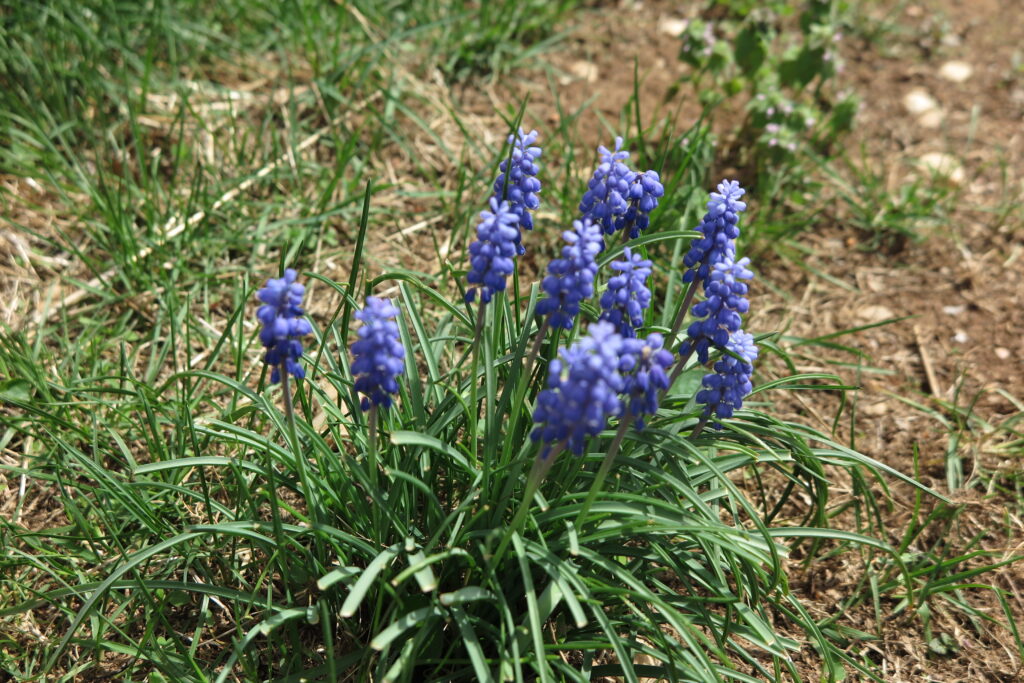
Gardeners frequently plant only a handful of bulbs and later discover hundreds of flowers appearing throughout the same area. This gradual expansion is one of the reasons the species remains popular while also earning a reputation for being difficult to fully contain. Understanding how the plant spreads helps explain why it sometimes appears invasive despite not being classified as a major ecological threat in most regions.
How Grape Hyacinths Spread Over Time
The primary reason grape hyacinths expand so effectively is their ability to produce bulb offsets. Beneath the soil, mature bulbs create smaller daughter bulbs that gradually develop into independent plants. Each season adds new bulbs to the colony, allowing plantings to become denser and larger over time.
Unlike plants that spread through runners or creeping stems, grape hyacinths expand from underground clusters. This creates concentrated colonies rather than long wandering growth patterns. A useful comparison is a snowball slowly increasing in size as additional layers are added each year. Growth remains steady and organized, but the overall area occupied by the plant gradually increases.
Seed production contributes to spreading as well. After flowering, some blooms develop seed capsules capable of producing new plants. Seeds may be dispersed short distances by weather, animals, or human activity. While seed-grown plants usually develop more slowly than bulbs, they can still contribute to expanding populations over the years.
Large colonies often form where conditions remain favorable and maintenance is minimal. Open garden beds, lawn edges, and lightly managed landscapes are particularly susceptible to gradual expansion. In these situations, grape hyacinth may appear in locations where it was never intentionally planted, giving the impression that the plant is spreading independently throughout the landscape.
Because both bulbs and seeds contribute to reproduction, established colonies can persist for decades. Even when flowers are removed, underground bulbs may continue multiplying. This dual strategy is one reason grape hyacinth is remarkably successful at maintaining and expanding its presence once established.
When Grape Hyacinths Become a Problem
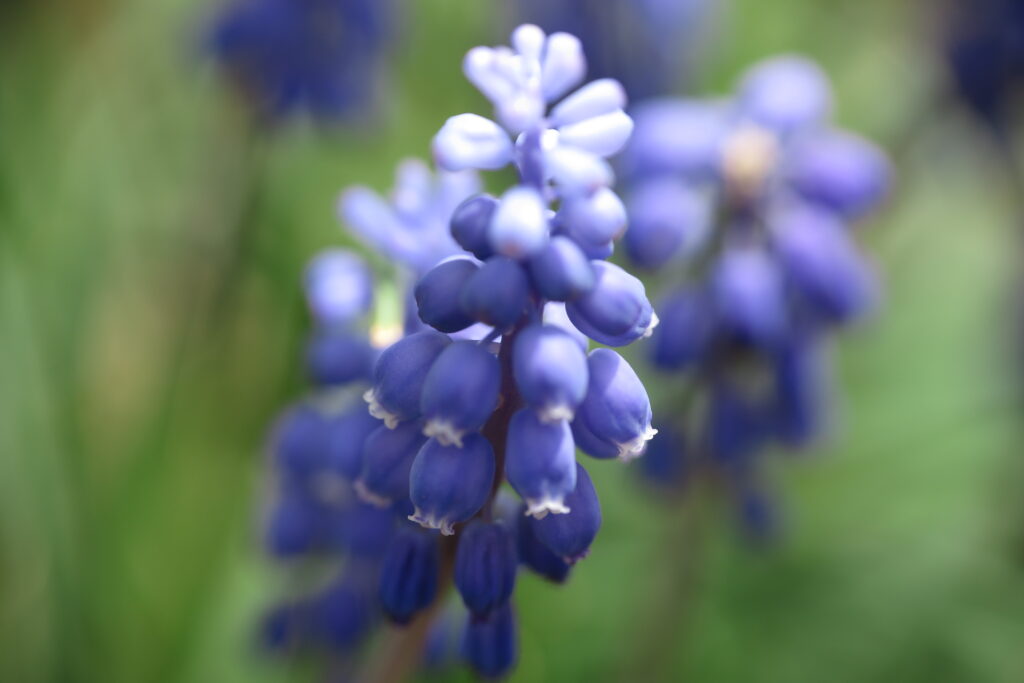
In many gardens, grape hyacinth remains a welcome addition rather than a nuisance. However, problems can develop when colonies expand beyond their intended boundaries. Dense clusters may begin competing with neighboring ornamental plants for space, sunlight, and resources.
One common issue occurs in flower beds where bulbs gradually fill available gaps. What begins as a carefully designed planting may eventually become dominated by grape hyacinths. Gardeners who prefer strict control over landscape design sometimes find this expansion frustrating, particularly when the bulbs spread into areas reserved for other species.
Another concern involves lawn naturalization projects. While many people enjoy scattered spring blooms throughout grassy areas, others discover that colonies spread farther than expected. Digging, mowing schedules, and landscape maintenance become more complicated when large numbers of bulbs occupy the same area.
A useful comparison is mint in a herb garden, although grape hyacinth is significantly less aggressive. Both plants often begin as attractive additions but require occasional management to prevent unwanted expansion. The difference is that grape hyacinth spreads gradually over years rather than rapidly within a single growing season.
Despite these challenges, grape hyacinth rarely overwhelms entire landscapes in the way truly invasive plants can. Most problems remain localized and manageable. For many gardeners, the benefits of reliable spring color outweigh the occasional need for population control.
Controlling and Managing Grape Hyacinth Colonies
Managing grape hyacinth populations is generally straightforward when action is taken early. The most effective method involves digging and dividing bulbs before colonies become excessively dense. Removing unwanted bulbs prevents further expansion while allowing gardeners to replant or share excess plants elsewhere.
Deadheading spent flowers can reduce seed production and limit the establishment of new seedlings. Although this practice does not stop bulb multiplication underground, it removes one of the plant’s reproductive pathways. Many gardeners combine deadheading with periodic bulb division for greater control.
When colonies become established, complete removal may require persistence. Small bulbs are easily overlooked during digging and can produce new plants the following season. This situation is similar to removing small onion bulbs from a garden bed—missing even a few can result in regrowth later.
Physical barriers can also help contain expansion in formal landscapes. Edging materials, raised beds, and defined planting zones reduce opportunities for bulbs to spread into neighboring areas. These approaches are particularly useful for gardeners who enjoy grape hyacinths but want to maintain strict boundaries.
For most gardeners, grape hyacinth occupies a middle ground between well-behaved ornamental and aggressive spreader. It is not typically considered a major invasive species, but its ability to naturalize should not be underestimated. With occasional maintenance and thoughtful placement, the plant can remain an attractive spring feature without becoming a long-term management challenge.
Popular Searches About Grape Hyacinth
Explore Grape Hyacinth Guide
Explore More Plants

Support Encounters World
Help support wildlife photography and get behind the scenes discoveries on Patreon.