Grape Hyacinth Blooming Season Guide: When Grape Hyacinths Bloom and How Long Flowers Last
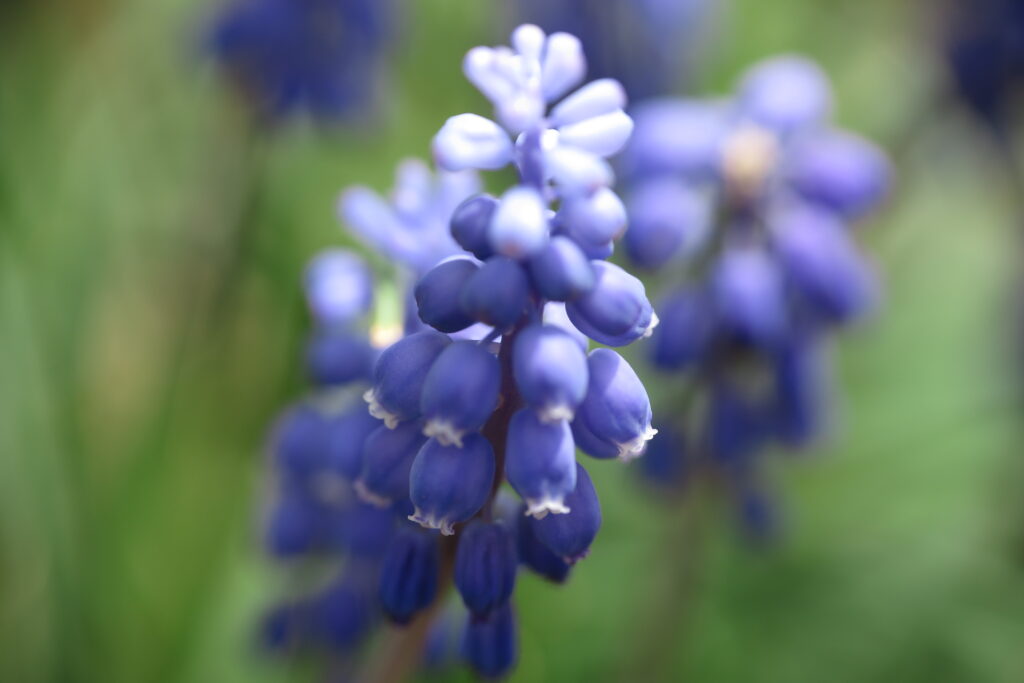
Quick Facts
Blooming Season: Early to Mid Spring
Peak Bloom Period: March to May
Flower Longevity: 2–4 Weeks
Bloom Color: Blue, Purple-Blue, Violet, White
Bloom Frequency: Once Per Year
Pollinator Attraction: Bees and Early Spring Insects
Best Viewing Season: Spring
Understanding the Grape Hyacinth Blooming Season
Grape hyacinth is one of the earliest flowering plants to announce the arrival of spring. Native to southeastern Europe and western Asia, this colorful bulb has become a familiar sight in gardens and landscapes across temperate regions. Its appearance often coincides with warming temperatures, emerging greenery, and the first signs of seasonal renewal.
Unlike many summer-flowering ornamentals that bloom during periods of abundant warmth, grape hyacinth takes advantage of the brief window between winter and late spring. This timing allows the plant to stand out when relatively few flowers are competing for attention. The result is a striking display of color that often becomes a focal point in the landscape.
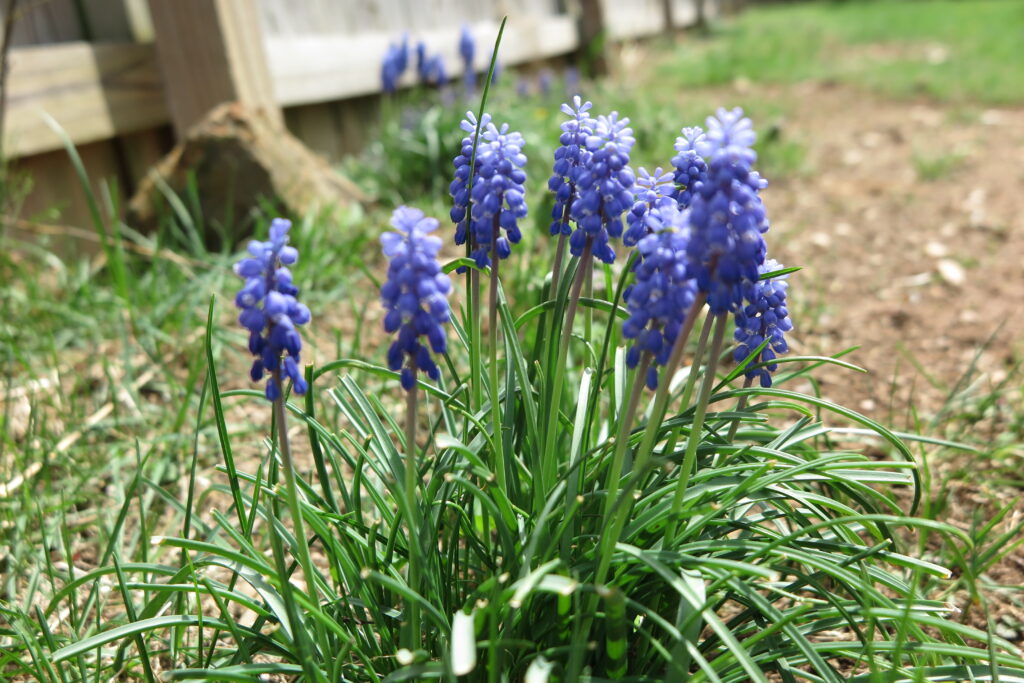
Many gardeners specifically plant grape hyacinths because they provide visual interest during a season when flower choices can be limited. Large colonies create vibrant patches of blue and purple that brighten lawns, borders, and woodland edges. Even small plantings can attract attention because of their timing.
The bloom period varies somewhat depending on climate and local weather patterns. Regions with mild winters may see flowers appear earlier, while colder climates often experience slightly delayed flowering. Despite these variations, grape hyacinth remains strongly associated with the early spring season throughout much of its cultivated range.
When Grape Hyacinths Typically Bloom
In most temperate regions, grape hyacinths begin flowering between March and May. The exact timing depends on temperature, elevation, and local climate conditions. Warmer locations frequently experience blooms earlier than northern or mountainous regions.
Flower emergence often occurs shortly after winter conditions begin to ease. As soil temperatures gradually increase, flower stalks develop and rise above the foliage. Within a relatively short period, entire colonies may transition from green shoots to colorful displays.
Compared to many popular garden flowers, grape hyacinths bloom earlier in the year. They often flower alongside crocuses, early daffodils, and certain tulip varieties. This places them among the first ornamental bulbs to contribute significant color to the landscape.
A useful comparison is to think of grape hyacinths as one of spring’s opening acts. While summer perennials are still dormant and many shrubs have not yet flowered, grape hyacinths are already producing vibrant blooms. Their timing helps bridge the seasonal gap between winter and the peak growing season.
Weather conditions can influence bloom schedules from year to year. An unusually warm spring may encourage earlier flowering, while prolonged cold periods can delay development. Even so, grape hyacinths tend to maintain a fairly predictable flowering window compared to many other ornamental species.
How Long Grape Hyacinth Flowers Last
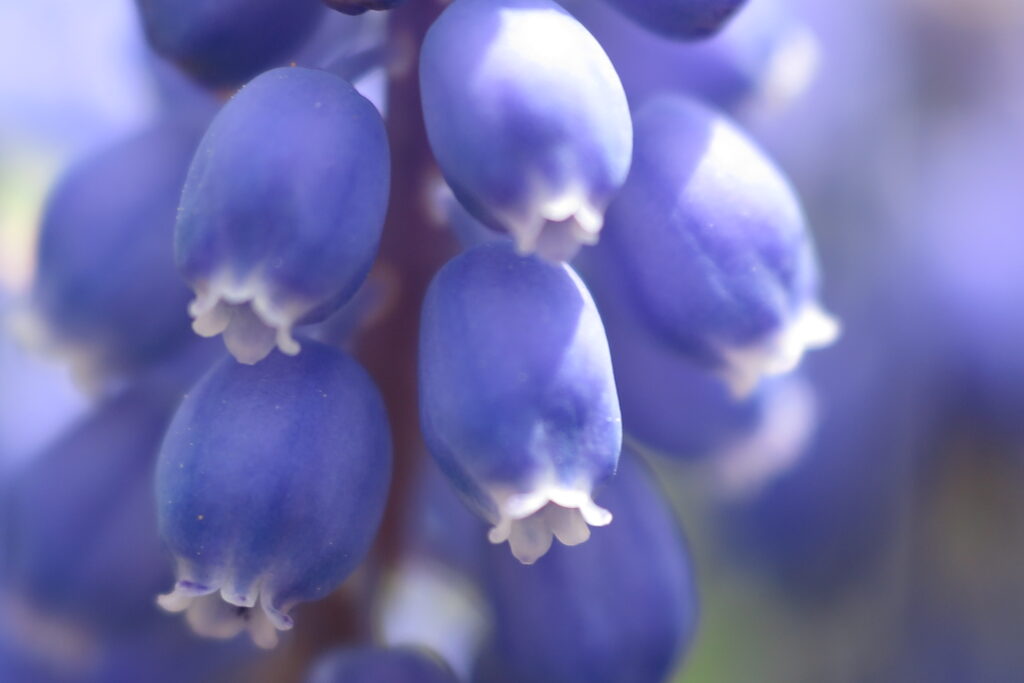
Although the flowering season is relatively brief, individual grape hyacinth displays can remain attractive for several weeks. Most blooms persist for approximately two to four weeks depending on environmental conditions. Cooler temperatures often help extend the flowering period.
The longevity of the display depends on several factors, including sunlight exposure, rainfall, and temperature fluctuations. Flowers exposed to prolonged heat may fade more quickly, while mild spring weather can preserve bloom quality for an extended period. This variation explains why some plantings appear colorful longer than others.
Large colonies often create the impression of a longer bloom season because not every flower opens simultaneously. Early-opening blooms may begin fading while newer flowers continue developing. This staggered progression helps maintain visual interest across the planting.
A practical comparison would be a spring festival that unfolds over several weeks rather than a single day. Different flowers reach peak appearance at slightly different times, allowing the display to remain attractive beyond the lifespan of any individual bloom.
Even after flowers begin declining, the plant continues contributing to the landscape through its foliage. Leaves remain active for a period following flowering, helping support future growth. While the colorful display eventually fades, the plant’s seasonal role is not immediately finished.
Factors That Influence Grape Hyacinth Flowering Success
Sunlight is one of the most important factors affecting bloom quality and timing. Plants growing in full sun generally produce stronger and more abundant flowering displays. Partial shade is tolerated, but heavy shade may reduce flowering performance.
Weather conditions during late winter and early spring also play a significant role. Consistent seasonal temperatures help support reliable flowering, while sudden extremes may influence bloom timing. Fortunately, grape hyacinth is generally resilient and capable of adapting to normal seasonal variation.
Healthy bulbs contribute directly to flowering success. Larger, well-established bulbs typically produce more robust blooms than newly planted or overcrowded bulbs. This is one reason mature colonies often create especially impressive spring displays compared to younger plantings.
Pollinators frequently visit blooming grape hyacinths during the flowering season. Bees and other early-season insects are attracted to the colorful flowers, adding activity to the display. Their presence often enhances the overall spring garden experience while supporting local pollinator populations.
For gardeners seeking dependable seasonal color, grape hyacinth remains one of the most reliable early spring bloomers. Its predictable flowering period, attractive blooms, and ability to return year after year make it a valuable addition to landscapes across a wide range of climates. When conditions are favorable, the species delivers one of the most recognizable floral displays of the spring season.
Popular Searches About Grape Hyacinth
Explore Grape Hyacinth Guide
Explore More Plants

Support Encounters World
Help support wildlife photography and get behind the scenes discoveries on Patreon.