
Spring Field Cricket Distribution Guide: Range, Geographic Spread, and Regional Occurrence
Quick Facts
Native Range: North America
Primary Distribution: Eastern and Central United States and Southern Canada
Northern Range Limit: Southern Canada
Southern Range Limit: Southern United States
Range Type: Widespread Native Species
Most Reliable Identification Period: Spring and Early Summer
Spring Field Cricket Distribution Introduction and Geographic Range
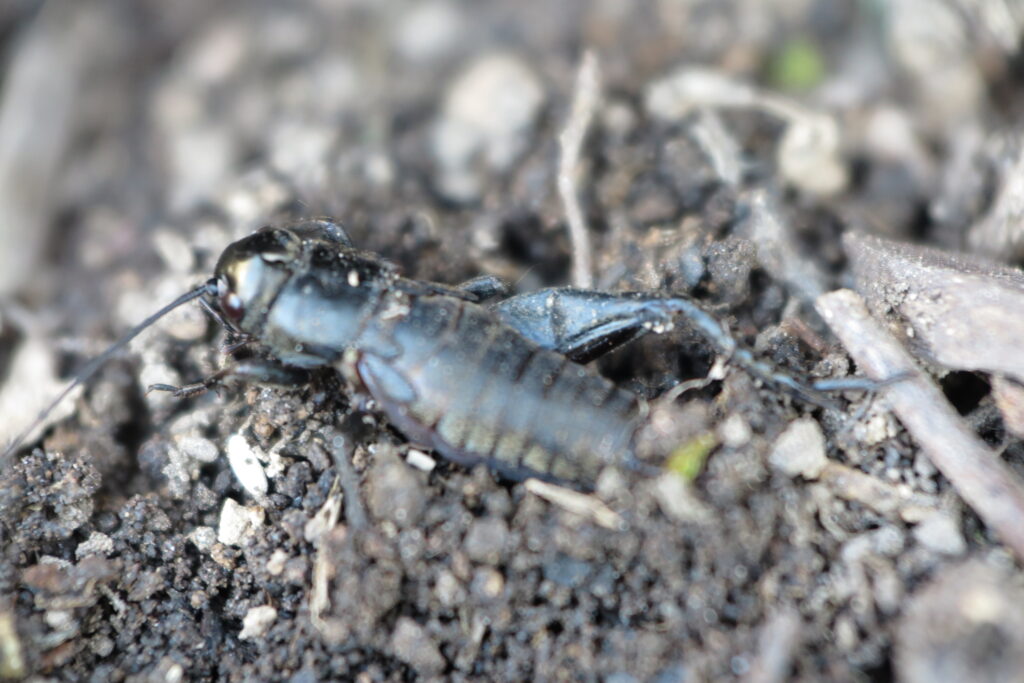
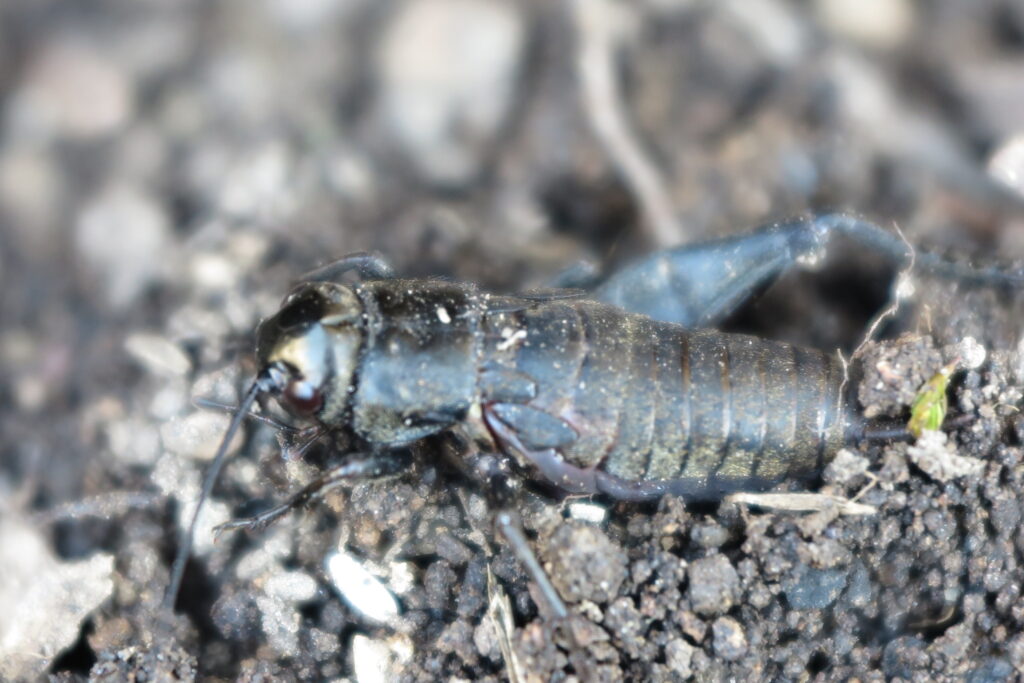
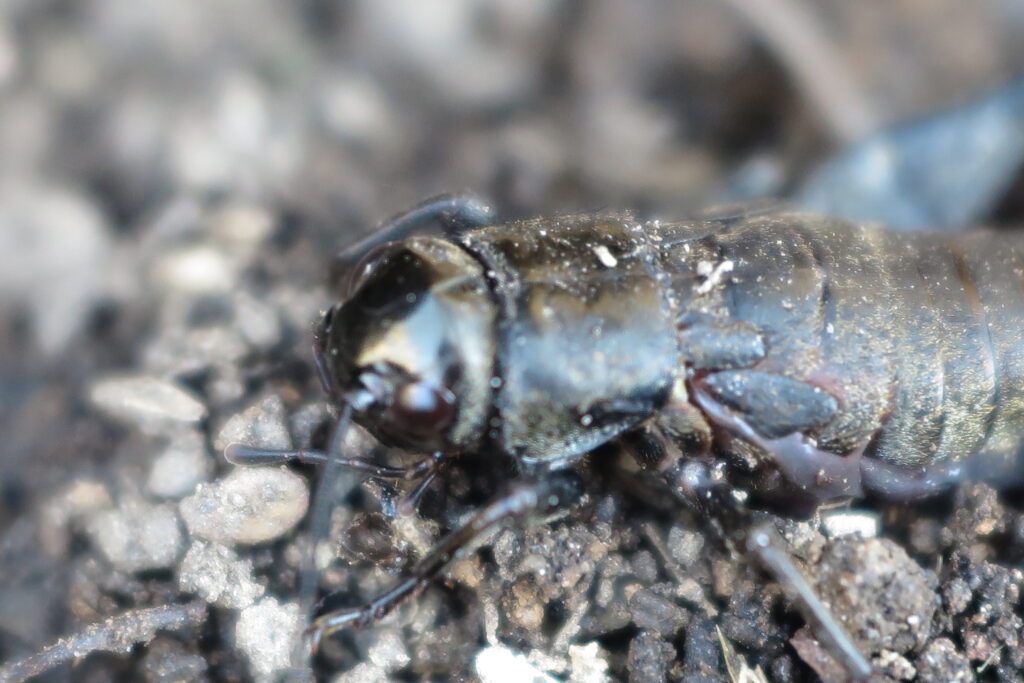
The Spring Field Cricket (Gryllus veletis) is a widely distributed cricket species native to North America. Its range extends across a large portion of the eastern and central regions of the continent, making it one of the more frequently encountered field crickets in many areas. Despite its broad distribution, many people remain unaware that multiple field cricket species occur within the same general region.
Throughout its range, the Spring Field Cricket occupies landscapes shaped by seasonal weather patterns and changing environmental conditions. From the Great Lakes region to portions of the southeastern United States, populations can be found across a variety of geographic settings. This extensive distribution reflects the species’ ability to persist across different climates and landscapes.
Naturalists documenting insects often encounter Spring Field Crickets in locations separated by hundreds or even thousands of miles. While local environmental conditions may differ significantly between these regions, the species maintains a recognizable presence throughout much of its native range. This consistency contributes to its reputation as a common member of North American insect communities.
The geographic spread of the Spring Field Cricket also provides valuable insight into its ecological success. Species restricted to small regions often face greater vulnerability to environmental changes, whereas broadly distributed species typically possess greater resilience. The Spring Field Cricket’s extensive range demonstrates its ability to thrive across a wide section of the continent.
Spring Field Cricket Range Across North America
The Spring Field Cricket occurs primarily throughout eastern and central North America. Populations are recorded across numerous states within the United States and extend northward into portions of southern Canada. This distribution creates a large continuous range rather than a series of isolated populations.
The species is especially common throughout the northeastern United States and the Great Lakes region. States such as Pennsylvania, New York, Ohio, Michigan, and surrounding areas frequently support observations. These regions provide environmental conditions that align well with the species’ seasonal life cycle.
Moving westward, Spring Field Crickets continue to occur across portions of the central United States. Although local abundance may vary, the species remains present throughout many inland regions. This broad distribution distinguishes it from insects restricted to coastal environments or highly specialized ecosystems.
Southern populations occupy parts of the southeastern United States, where seasonal conditions remain favorable for development. While climatic differences exist between northern and southern portions of the range, the species successfully persists across both regions. This geographic flexibility contributes significantly to its widespread occurrence.
Compared with insects that occupy only a handful of states or provinces, the Spring Field Cricket demonstrates a remarkably extensive distribution. Its range spans multiple climate zones, geographic regions, and ecological landscapes, allowing it to remain one of the more broadly distributed field cricket species in North America.
Regional Occurrence and Areas of Highest Abundance
Although the Spring Field Cricket occupies a broad geographic range, populations are not distributed equally across every location. Some regions consistently produce higher numbers of observations than others. These differences often reflect variations in environmental suitability and local landscape conditions.
The northeastern United States represents one of the strongest portions of the species’ range. Observations are particularly common throughout states where seasonal temperature changes create favorable conditions for development. Naturalists and insect enthusiasts frequently document the species throughout this region during spring and early summer.
The Great Lakes region also supports substantial populations. Areas surrounding major lakes often contain extensive natural and semi-natural landscapes capable of supporting diverse insect communities. Within these environments, Spring Field Crickets remain a regular component of local biodiversity.
Southern Canada marks the northern extent of the species’ distribution. Although winters become increasingly severe at higher latitudes, populations persist where seasonal conditions remain suitable. These northern populations demonstrate the species’ ability to tolerate cooler climates compared to many insects with more southern distributions.
Local abundance can vary significantly even within suitable regions. One county may support large populations while nearby areas contain relatively few observations. Factors such as land use, vegetation patterns, and environmental conditions often influence these localized differences, creating a patchwork distribution across the broader range.
Factors Influencing Spring Field Cricket Distribution
Climate plays a major role in determining where Spring Field Crickets occur. Regions with pronounced seasonal cycles generally support stable populations, while areas outside the species’ climatic tolerance limits become less suitable. Temperature patterns influence development, survival, and long-term population persistence.
Geographic barriers appear to have relatively little impact on distribution compared to environmental conditions. The species occupies landscapes ranging from lowland areas to elevated terrain, provided suitable conditions remain available. This flexibility helps explain the cricket’s extensive geographic spread across North America.
Seasonal timing also affects how distribution is perceived. Spring Field Crickets become most noticeable during periods when adults are active and easier to observe. In some locations, populations may be present year after year but remain largely unnoticed outside peak activity periods.
Human land use can influence local distribution patterns as well. Agricultural areas, suburban developments, parks, and unmanaged landscapes all contribute differently to habitat availability. In some cases, moderate landscape modification may still support populations, while intensive urbanization can reduce local occurrence.
The overall distribution of the Spring Field Cricket reflects a combination of climate, geography, environmental suitability, and seasonal conditions. Together, these factors shape one of the broadest ranges among North America’s field cricket species. Understanding these influences helps explain why the species occurs across such a large portion of the continent while remaining absent from others.
Popular Searches About Spring Field Crickets
Explore Spring Field Cricket Guide
Explore More Wildlife

Support Encounters World
Help support wildlife photography and get behind the scenes discoveries on Patreon.