
Spring Field Cricket Facts Guide: 20 Fascinating Facts About Spring Field Crickets
Quick Facts
Scientific Name: Gryllus veletis
Common Name: Spring Field Cricket
Fact Category: Insect and Cricket Facts
Native Region: North America
Most Recognizable Trait: Early Seasonal Emergence
Family: Gryllidae
Interesting Spring Field Cricket Facts and Species Overview
The Spring Field Cricket (Gryllus veletis) is one of the earliest field cricket species to become active each year in much of eastern North America. Its seasonal appearance is responsible for its common name and helps distinguish it from closely related crickets that reach peak activity later in the year. This timing makes it a familiar part of the transition from winter to spring.
One interesting fact about the species is that many people hear its relatives more often than they actually see them. Spring Field Crickets spend much of their lives close to the ground, making visual encounters less common than encounters with their sounds. Their dark coloration also helps them blend naturally into surrounding environments.
Despite being relatively common, the species remains unfamiliar to many outdoor enthusiasts. Most people simply identify it as a “cricket” without realizing several similar species occur throughout North America. Learning more about Spring Field Crickets reveals a surprisingly complex insect with unique characteristics and ecological importance.
Another notable fact is that this species belongs to a group of insects that has existed for millions of years. Crickets have successfully adapted to changing environments over long periods of evolutionary history. The Spring Field Cricket represents one modern member of a lineage that has persisted across countless generations.
Physical Facts About Spring Field Crickets
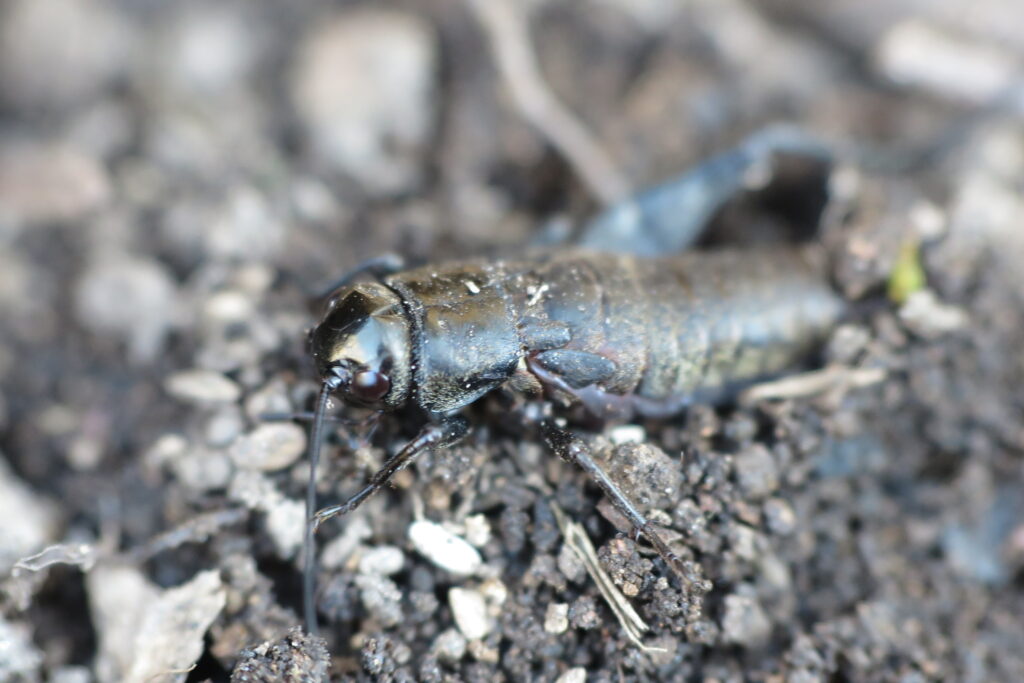
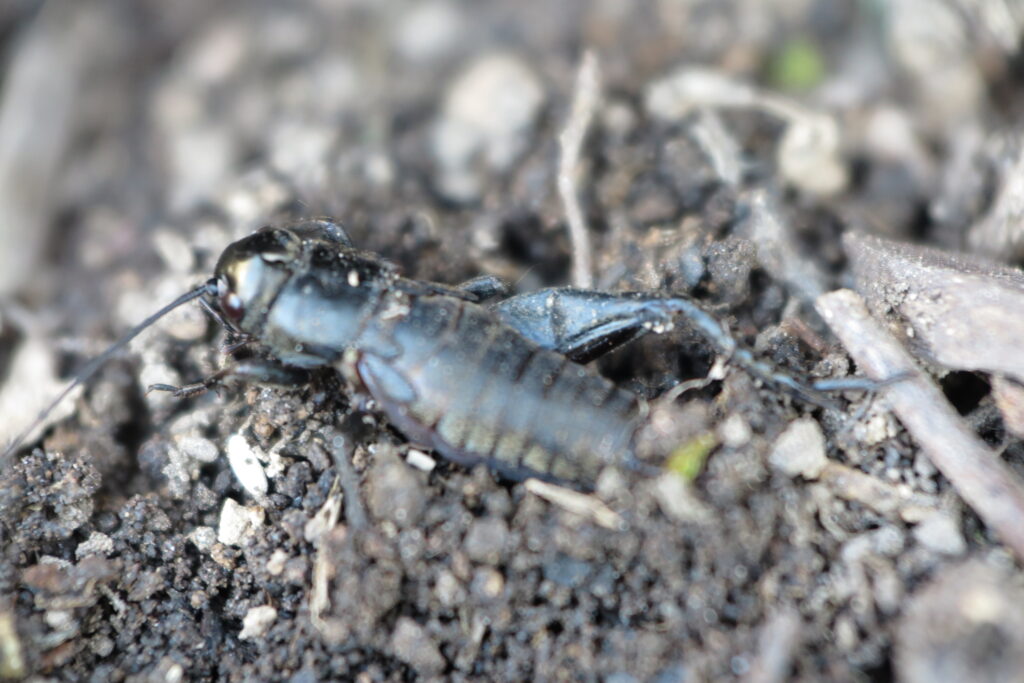
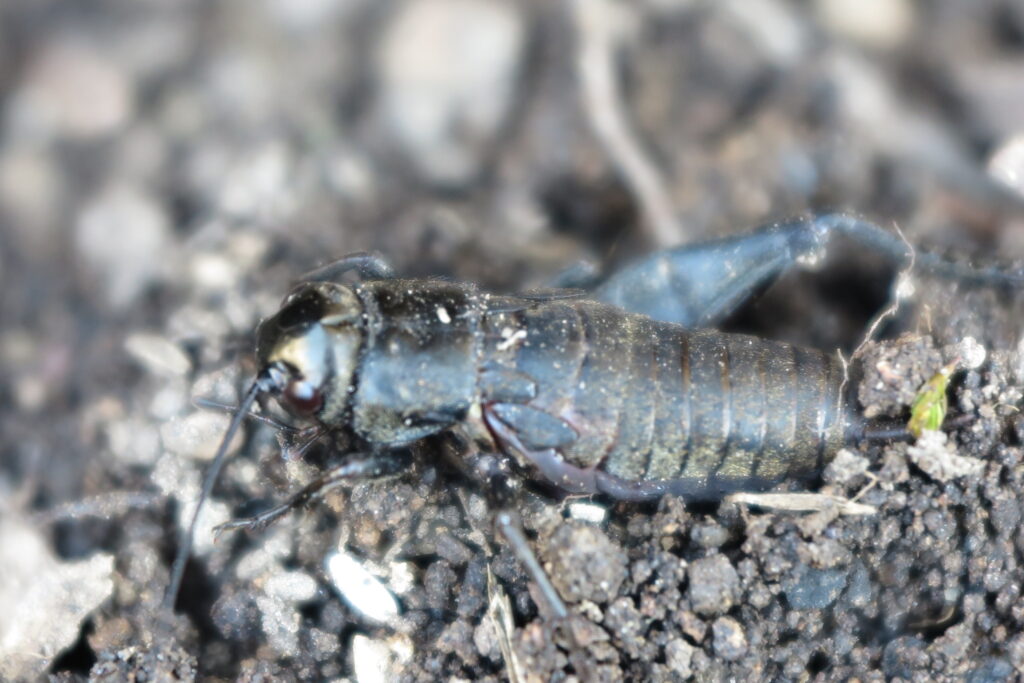
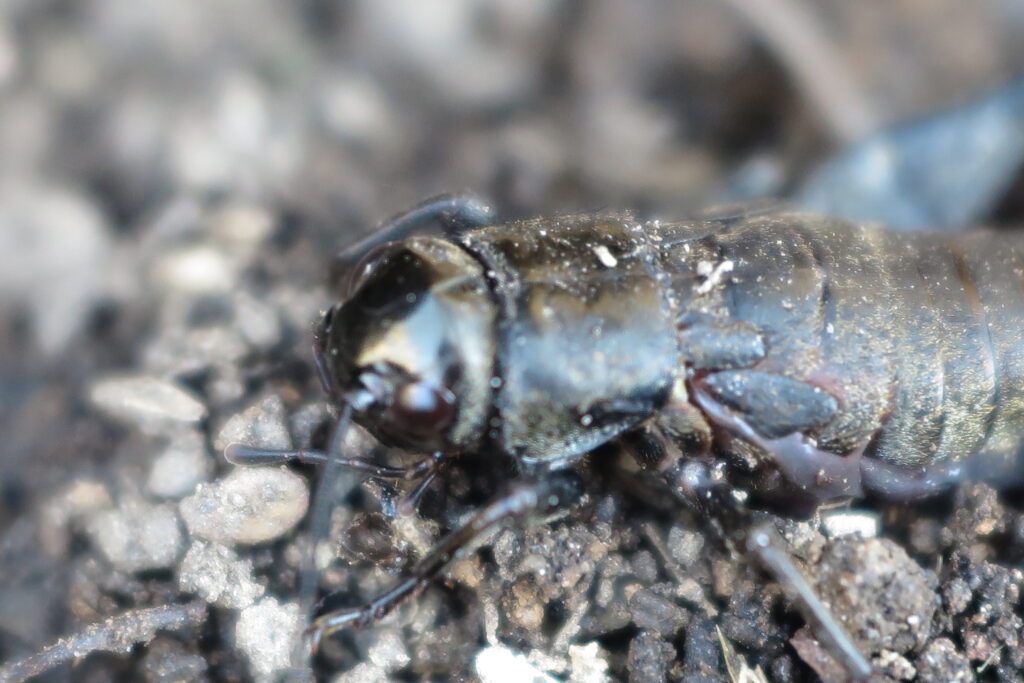
One of the easiest facts to recognize is the Spring Field Cricket’s dark appearance. Most adults range from deep brown to nearly black, giving them a bold and distinctive look compared to many lighter-colored insects. Under sunlight, subtle bronze or reddish tones may occasionally become visible.
Adult Spring Field Crickets generally measure between 15 and 25 millimeters in length. Although this may seem small, they are considered relatively large compared to many common insects encountered in grassy environments. Their robust body shape often makes them appear even larger than their actual measurements suggest.
The species possesses antennae that frequently exceed the length of the body itself. These long sensory structures help create the classic cricket appearance recognized by many people. When viewed up close, the antennae often become one of the most noticeable physical features.
Another fascinating fact involves their hind legs. These enlarged limbs contain powerful muscles that allow rapid jumping when necessary. Relative to body size, their jumping ability is impressive and helps explain how crickets quickly disappear when disturbed.
The body structure of a Spring Field Cricket is highly specialized. Large compound eyes, strong mandibles, segmented antennae, folded wings, and powerful legs all contribute to a design that has proven successful across a wide geographic range.
Spring Field Cricket Facts About Survival and Adaptation
Spring Field Crickets survive in environments that experience significant seasonal changes. Throughout much of their range, temperatures can vary dramatically between winter and summer. Their life cycle is closely synchronized with these environmental shifts, allowing populations to persist year after year.
A particularly interesting adaptation involves their ability to remain concealed. Many individuals spend extended periods hidden beneath vegetation, rocks, logs, or other forms of cover. This strategy helps reduce exposure to predators and environmental stress.
The species also benefits from remarkable dietary flexibility. Rather than depending on a single food source, Spring Field Crickets can utilize a variety of resources when available. This adaptability increases survival opportunities when environmental conditions change.
Another survival-related fact is that they rely heavily on avoidance rather than confrontation. Unlike insects equipped with stingers or venom, Spring Field Crickets generally escape danger through concealment and rapid movement. Their first instinct is usually to avoid detection altogether.
Seasonal timing provides another advantage. Becoming active earlier than some closely related species allows Spring Field Crickets to occupy ecological opportunities during spring. This timing contributes to their success across much of eastern and central North America.
Unique and Surprising Facts About Spring Field Crickets
One surprising fact is that Spring Field Crickets are frequently confused with Fall Field Crickets. The two species share many physical similarities, making identification difficult without considering seasonal timing and other subtle clues. Even experienced observers occasionally need additional information to distinguish between them.
Another fascinating detail is that cricket sounds are produced without vocal cords. Male crickets generate their characteristic chirps by rubbing specialized structures on their wings together. This process, known as stridulation, creates one of the most recognizable insect sounds in North America.
Spring Field Crickets also play an important role in supporting biodiversity. Numerous birds, reptiles, amphibians, mammals, and predatory insects rely on crickets as a food source. Their abundance helps sustain complex food webs across many ecosystems.
The species demonstrates how small organisms can have large ecological impacts. Although individual crickets are easy to overlook, entire populations contribute significantly to nutrient cycling, energy transfer, and ecosystem stability. Their influence extends far beyond their size.
Perhaps the most important fact about the Spring Field Cricket is that it highlights the value of common wildlife. While larger animals often receive most public attention, ecosystems depend heavily on abundant species that quietly perform essential functions. The Spring Field Cricket serves as an excellent example of how even familiar insects contribute to the health and balance of the natural world.
Popular Searches About Spring Field Crickets
Explore Spring Field Cricket Guide
Explore More Wildlife

Support Encounters World
Help support wildlife photography and get behind the scenes discoveries on Patreon.