
Spring Field Cricket Sound Guide: Chirping Calls, Songs, and Identification by Sound
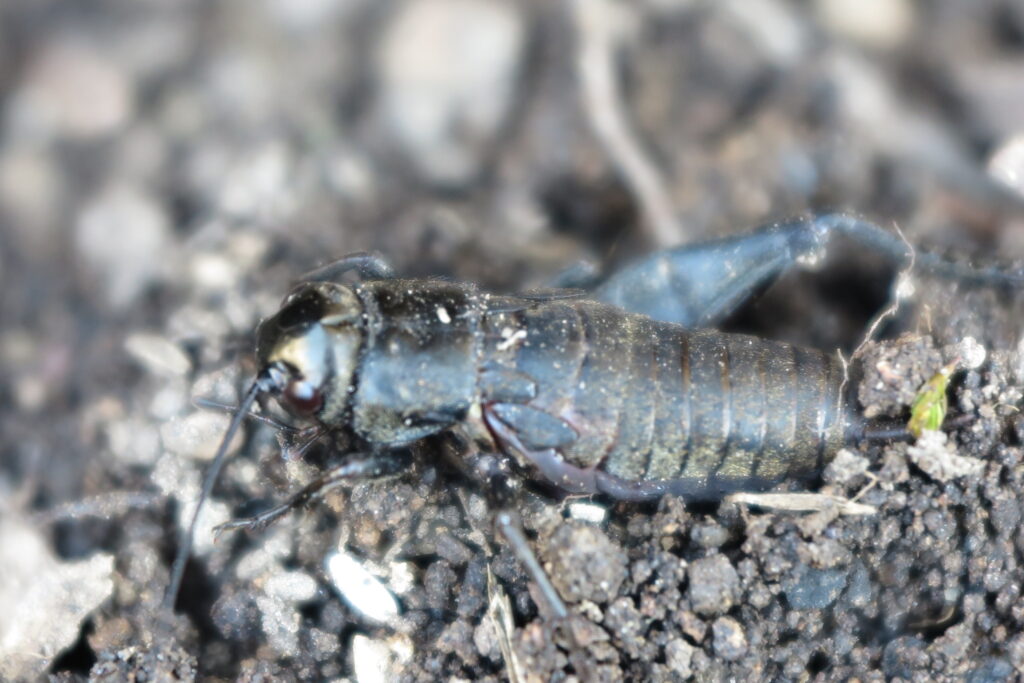
Quick Facts
Sound Type: Chirping Song
Primary Sound Producer: Adult Males
Peak Calling Season: Spring and Early Summer
Most Active Calling Time: Evening and Night
Purpose of Sound: Mate Attraction and Territorial Signaling
Identification Clue: Repetitive, rhythmic chirps produced earlier in the season than many field crickets
Spring Field Cricket Sound Introduction and Acoustic Recognition
For many people, the first sign of a Spring Field Cricket is not a visual encounter but a sound drifting through the evening air. Across portions of eastern and central North America, this species contributes to the familiar chorus of insect calls that accompany warmer months. While the insect itself often remains hidden from view, its sound can travel surprisingly far through quiet outdoor environments.
Natural soundscapes contain a mixture of bird songs, frog calls, wind movement, and countless insect noises. Within this collection of sounds, the Spring Field Cricket adds a distinctive rhythm that helps define the atmosphere of spring evenings. To experienced listeners, these calls can become as recognizable as the songs of common backyard birds.
The species belongs to a group of insects known for sound production, yet each cricket species produces slightly different acoustic patterns. These differences help individuals locate members of their own species while reducing confusion with other nearby insects. As a result, listening carefully can often provide useful identification clues even when the cricket remains concealed.
A person standing near a meadow at dusk may hear a series of repeating chirps without immediately locating the source. The sound seems to emerge from the landscape itself, blending with surrounding environmental noises. This ability to remain hidden while communicating effectively is one reason cricket calls have fascinated naturalists for generations.
Spring Field Cricket Chirping Characteristics and Call Structure
The Spring Field Cricket produces a call that consists of repeated chirps arranged in a consistent pattern. Rather than creating a continuous buzzing sound, the species generates distinct pulses separated by brief pauses. This rhythmic structure gives the call a recognizable cadence that listeners can learn to identify.
Individual chirps are typically clear and evenly spaced. Depending on temperature and environmental conditions, the pace of these chirps may vary slightly. Warmer conditions generally increase the rate of calling, creating a faster rhythm than would be heard during cooler periods.
Compared with some katydids that produce long, continuous buzzing noises, Spring Field Cricket calls often sound more deliberate and segmented. The difference is similar to comparing a steady hum from an electrical appliance to the repeated ticking of a clock. Each chirp stands out as a separate acoustic event rather than blending into a single uninterrupted sound.
Volume can vary considerably depending on the individual and surrounding conditions. A nearby male may produce a surprisingly loud call despite its small size. From a greater distance, however, the sound softens into a subtle background rhythm that blends naturally into the nighttime environment.
The overall quality of the call is often described as musical or soothing. Many people associate cricket chirps with calm summer evenings, outdoor recreation, and natural landscapes. This cultural connection has helped make cricket sounds one of the most recognizable insect vocalizations in North America.
How Spring Field Crickets Produce Their Characteristic Sounds
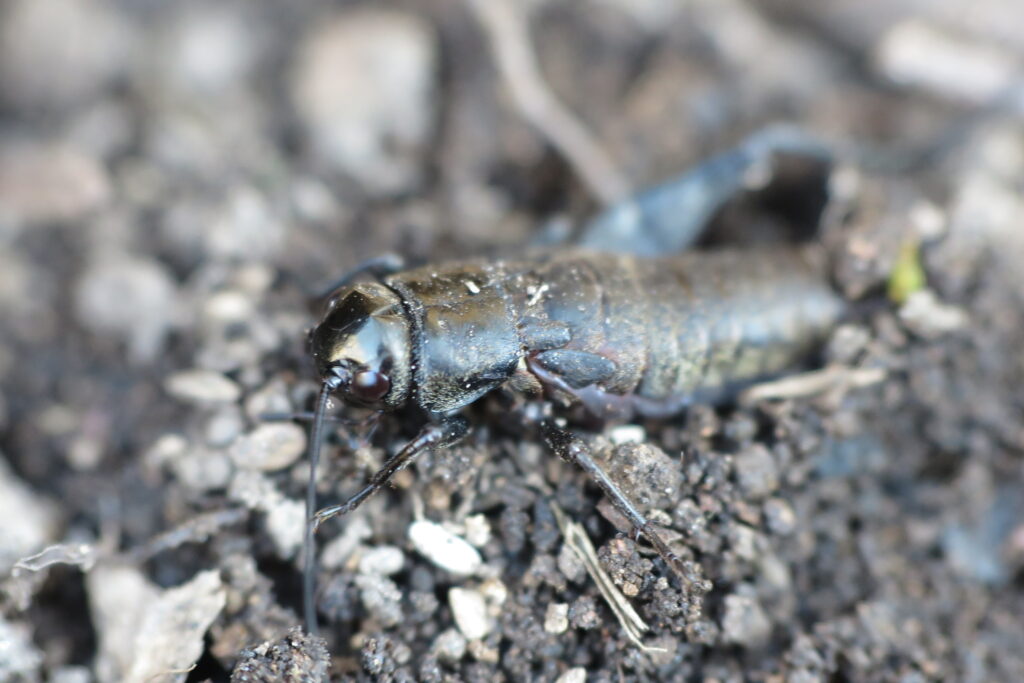
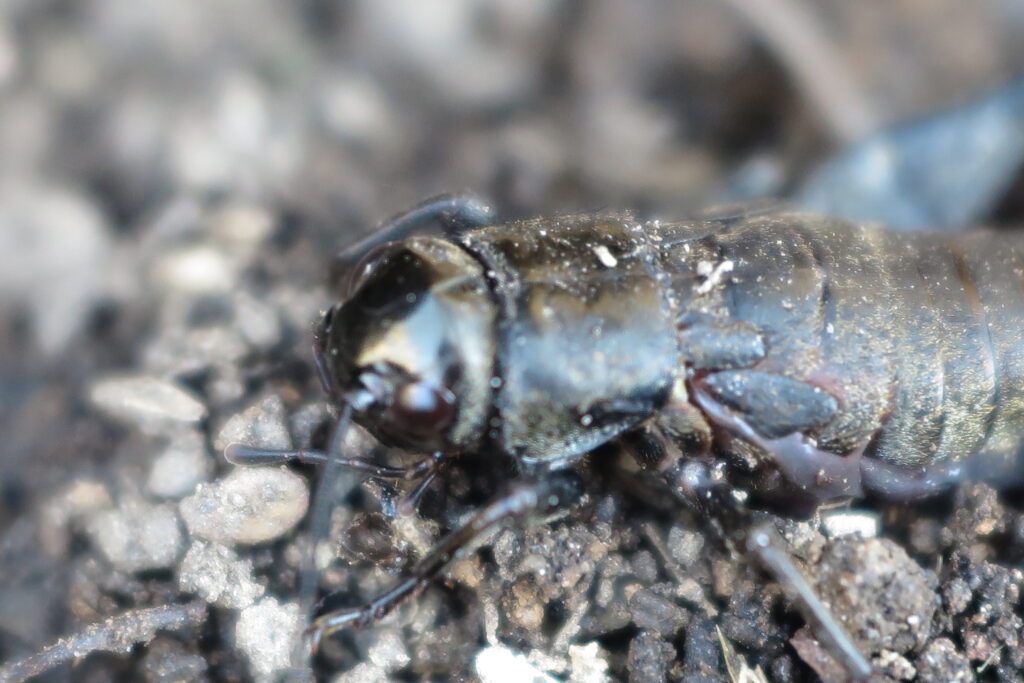
Unlike birds or mammals, Spring Field Crickets do not create sound using vocal cords. Instead, males generate chirps through a process known as stridulation. This method involves rubbing specialized structures on the wings together to create vibration and sound.
One wing contains a file-like surface composed of numerous tiny ridges. The opposite wing possesses a scraper that moves across these ridges when the wings are rubbed together. Each movement produces vibrations that are amplified into the familiar chirping sound heard outdoors.
The process resembles running a fingernail across the teeth of a comb. Although the structures involved are extremely small, the resulting sound can carry across considerable distances relative to the cricket’s size. This efficient sound-producing system allows males to communicate effectively without requiring large body size or complex anatomy.
Only mature males produce the characteristic calling songs associated with the species. Females lack the specialized wing structures needed to generate these chirps. As a result, most cricket sounds heard in the wild originate from males advertising their presence to nearby females.
The wings themselves function as both sound-producing and sound-amplifying structures. Their shape helps project vibrations into the surrounding environment, increasing the distance over which calls can be detected. This natural acoustic system represents one of the most remarkable adaptations found among insects.
Spring Field Cricket Calling Behavior and Communication Purpose
Sound production serves several important communication functions. The primary purpose is attracting potential mates. By producing repeated calls, males advertise their presence and help females locate them within the surrounding landscape.
Calling can also influence interactions between males. Areas occupied by calling individuals often contain acoustic competition, with multiple crickets producing sounds simultaneously. The resulting chorus creates a complex soundscape in which each male attempts to remain detectable among neighboring callers.
Timing plays a significant role in communication success. Most calling activity occurs during evening and nighttime hours when environmental conditions are favorable. Reduced daytime noise and cooler temperatures often allow chirps to travel more effectively through the environment.
Seasonal timing is equally important. Spring Field Crickets generally begin producing their characteristic calls earlier in the year than several related field cricket species. This earlier calling period can help naturalists distinguish them from similar crickets encountered later in the season.
The effectiveness of cricket communication demonstrates how sound can serve as a powerful tool for survival and reproduction. A hidden male may never be seen by nearby animals or people, yet its chirps can still communicate information across considerable distances. Through these rhythmic calls, Spring Field Crickets transform quiet spring evenings into one of North America’s most recognizable natural sound experiences.
Popular Searches About Spring Field Crickets
Explore Spring Field Cricket Guide
Explore More Wildlife

Support Encounters World
Help support wildlife photography and get behind the scenes discoveries on Patreon.