
Spring Field Cricket vs Fall Field Cricket: Key Differences, Identification, and Seasonal Comparison
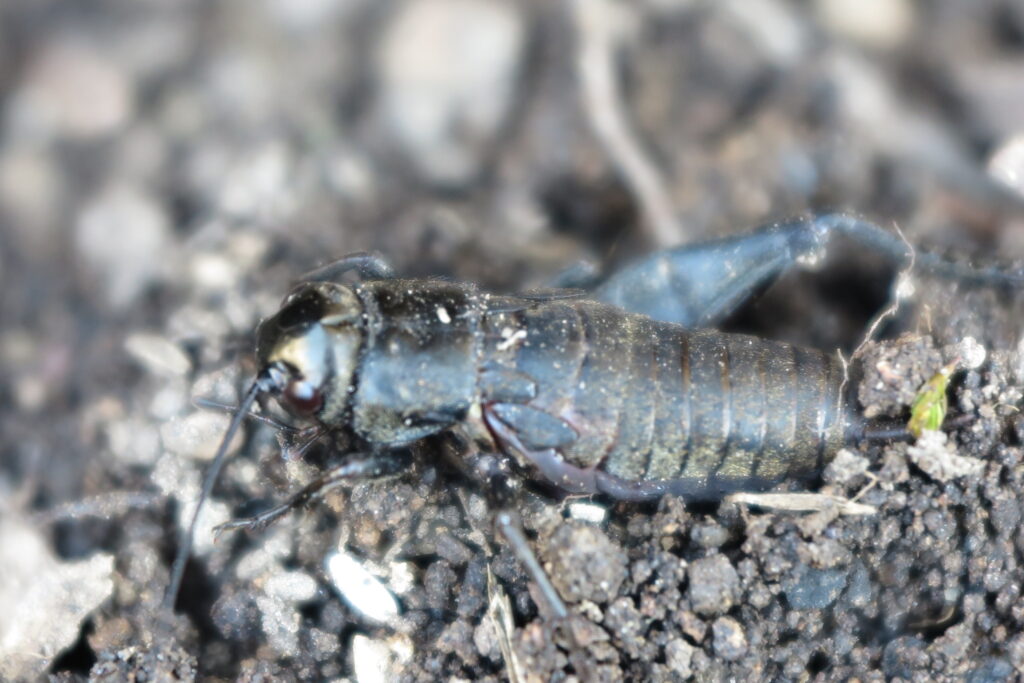
Quick Facts
Spring Field Cricket Scientific Name: Gryllus veletis
Fall Field Cricket Scientific Name: Gryllus pennsylvanicus
Main Difference: Seasonal Activity Period
Appearance Similarity: Very High
Identification Difficulty: Moderate to Difficult
Best Identification Clue: Time of Year Observed
Spring Field Cricket vs Fall Field Cricket Introduction
The Spring Field Cricket and Fall Field Cricket are two closely related species that are frequently confused throughout North America. Both belong to the genus Gryllus and share many physical characteristics that make identification challenging, even for experienced naturalists. At first glance, the two species often appear nearly identical.
Across eastern and central North America, observers regularly encounter one of these field crickets while exploring gardens, fields, woodland edges, and other outdoor environments. Because their geographic ranges overlap significantly, both species may occur in many of the same regions. This overlap contributes to the confusion surrounding their identification.
A casual observer typically notices a dark-bodied cricket with long antennae and powerful hind legs. Determining whether that insect is a Spring Field Cricket or a Fall Field Cricket often requires looking beyond basic appearance. Seasonal timing, subtle structural differences, and life cycle patterns frequently provide the most useful clues.
Understanding the differences between these two species is valuable for photographers, naturalists, educators, and wildlife enthusiasts. Although they share many similarities, each species follows its own seasonal schedule and possesses characteristics that help separate it from its close relative. Learning those distinctions can make field identification far more reliable.
Physical Differences Between Spring and Fall Field Crickets
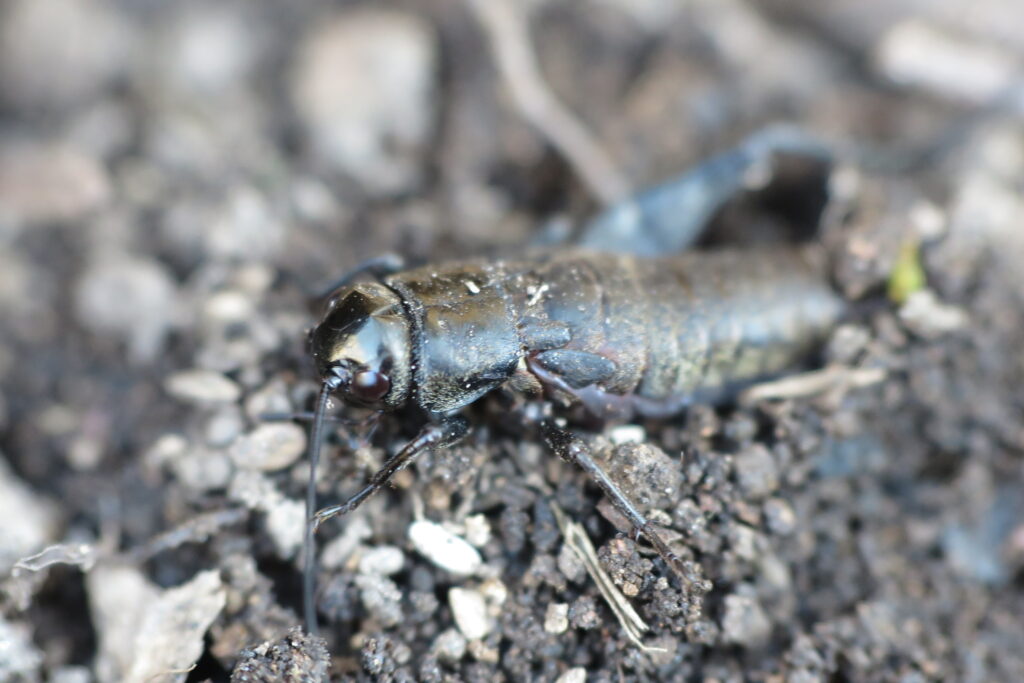
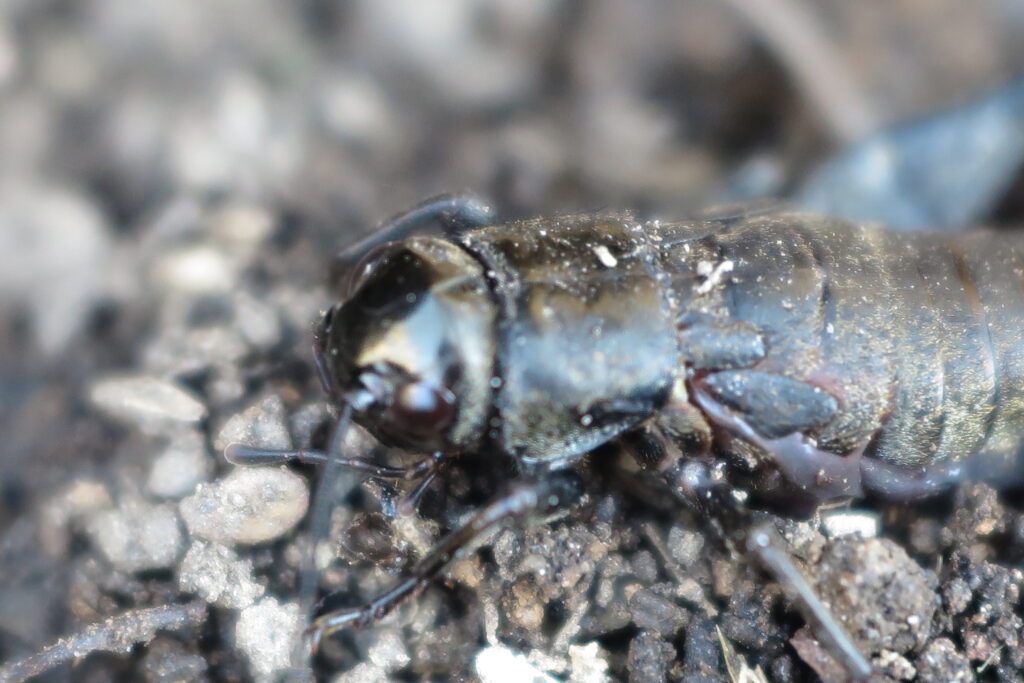
At first glance, both species display a remarkably similar appearance. Adults generally possess dark coloration ranging from deep brown to black, along with long antennae and enlarged hind legs. Their overall body proportions are so alike that visual identification can be difficult without careful observation.
The Spring Field Cricket often appears slightly more robust and heavily built than the Fall Field Cricket. Many individuals exhibit a broader overall profile, particularly around the thorax and abdomen. These differences are subtle and are often easiest to notice when comparing specimens side by side.
Color variation provides limited assistance because both species can range from dark brown to nearly black. Environmental conditions, age, and lighting may influence how an individual appears in photographs or field observations. For this reason, coloration alone is generally considered unreliable for identification.
Wing characteristics may occasionally provide additional clues. Some Fall Field Crickets show slightly different wing proportions compared to Spring Field Crickets, although considerable variation exists within both species. Because of this overlap, wing appearance should be used alongside other identifying features rather than as the sole determining factor.
For most observers, structural differences remain secondary to seasonal clues. While specialists may identify subtle physical traits with confidence, casual naturalists often achieve more accurate results by considering when the cricket was observed rather than relying exclusively on appearance.
Seasonal Timing and Life Cycle Differences
The most reliable distinction between these species involves their seasonal activity patterns. As the common name suggests, the Spring Field Cricket becomes active earlier in the year. Adults are frequently encountered during spring and early summer, often before many other field cricket species reach peak visibility.
The Fall Field Cricket follows a different schedule. Adult populations typically become more noticeable later in the summer and remain active into autumn. By the time cooler temperatures arrive, Fall Field Crickets often dominate areas where Spring Field Crickets were previously more common.
These differences result from variations in life cycle timing rather than geographic separation. Both species may occupy similar regions, but their developmental schedules are offset throughout the year. This temporal separation reduces direct overlap during certain periods and provides a practical identification tool.
For example, a dark field cricket observed during early spring in Pennsylvania is more likely to be a Spring Field Cricket than a Fall Field Cricket. Conversely, a similar-looking cricket encountered during late September would more likely belong to the Fall Field Cricket species. Seasonal context often provides stronger evidence than appearance alone.
Naturalists frequently rely on this timing when documenting observations. Although physical examination remains important, seasonal occurrence serves as one of the most valuable clues available in the field. For many observations, the date itself may offer the strongest indication of species identity.
Habitat, Behavior, and Identification in the Field
Both species utilize many of the same general environments. Meadows, grassy openings, woodland margins, gardens, and disturbed landscapes may support either cricket depending on the season. Because habitat preferences overlap extensively, location alone rarely provides a definitive answer.
Behavioral differences are equally subtle. Both species spend much of their time near the ground and frequently remain hidden beneath vegetation, debris, or natural cover. Their responses to disturbance are also similar, typically involving rapid escape through jumping and short bursts of movement.
Sound can sometimes assist with identification, although distinguishing calls requires experience. Each species produces characteristic songs used for communication, but these differences are often difficult for inexperienced listeners to interpret. Seasonal timing generally remains easier to evaluate than acoustic details.
A practical field approach involves combining multiple clues rather than searching for a single definitive characteristic. Observers should consider the date, overall appearance, body proportions, and environmental context together. This method greatly improves identification accuracy compared to relying on any individual feature.
For most wildlife enthusiasts, the simplest rule is also the most effective: spring observations are more likely to involve Spring Field Crickets, while autumn observations are more likely to involve Fall Field Crickets. Although exceptions can occur, this seasonal distinction remains the most dependable tool for separating these two remarkably similar species in the field.
Popular Searches About Spring Field Crickets
Explore Spring Field Cricket Guide
Explore More Wildlife

Support Encounters World
Help support wildlife photography and get behind the scenes discoveries on Patreon.