
Common Earthworm Adaptations Guide: Survival Traits, Body Features, and Environmental Adaptations
Quick Facts
Adaptation Type: Physical and Behavioral Adaptations
Primary Survival Strategy: Underground Living
Movement Adaptation: Muscular Segmented Body
Respiration Adaptation: Breathes Through Moist Skin
Defense Adaptation: Rapid Burrowing and Concealment
Environmental Tolerance: Moderate Climate Flexibility
Sensory Adaptation: Sensitive to Light, Vibration, and Moisture
Notable Feature: Highly Specialized for Life Within Soil
Common Earthworm Adaptations and Survival Overview
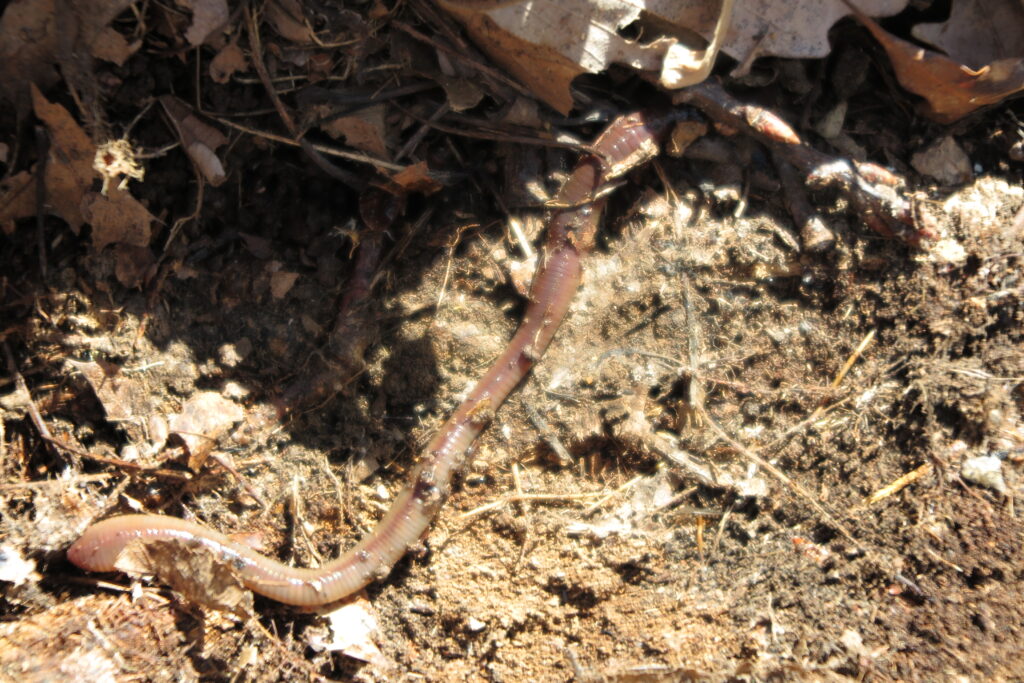
The common earthworm possesses a collection of adaptations that allow it to thrive beneath the soil surface. Although it lacks claws, teeth, armor, venom, or speed, it remains one of the most successful soil-dwelling animals in the world. Its survival depends on specialized traits that have been refined over millions of years of evolution.
Earthworms occur across much of North America, Europe, Asia, Australia, and many other regions. Their widespread distribution demonstrates how effective these adaptations have become in supporting survival across diverse environments. While individual species may differ slightly, many of their most important adaptations remain remarkably similar.
Unlike predators that rely on strength or aggression, earthworms survive through efficiency and specialization. Nearly every part of the body contributes to underground life, from the segmented structure to the moisture-dependent skin. These adaptations allow earthworms to function in spaces that would be inaccessible to many other animals.
The success of earthworms highlights an important principle in nature: survival does not always depend on complexity. Instead of developing elaborate defenses or advanced hunting abilities, earthworms have evolved a suite of traits perfectly suited for their ecological role. Together, these features make them highly effective underground specialists.
Common Earthworm Physical Adaptations for Underground Living
One of the most important physical adaptations of the earthworm is its elongated cylindrical body. This shape allows the animal to move efficiently through narrow spaces within the soil. Unlike animals with rigid limbs or bulky body structures, earthworms can navigate confined environments with remarkable flexibility.
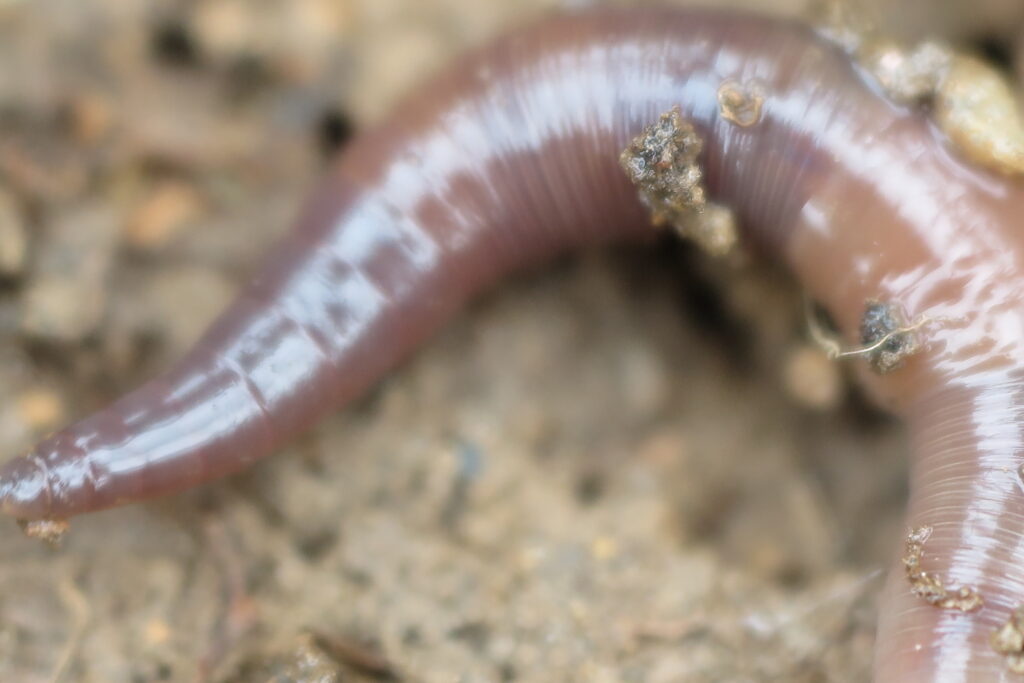
The segmented body provides another major advantage. Each segment contributes to overall movement while maintaining flexibility throughout the body. This design can be compared to a train made up of connected cars, where each section works together while retaining a degree of independent movement.
Earthworms also possess a hydrostatic skeleton rather than bones. Fluid pressure inside the body works with muscles to provide support and movement. This adaptation allows earthworms to remain flexible while still maintaining enough structural stability to move through compact soil.
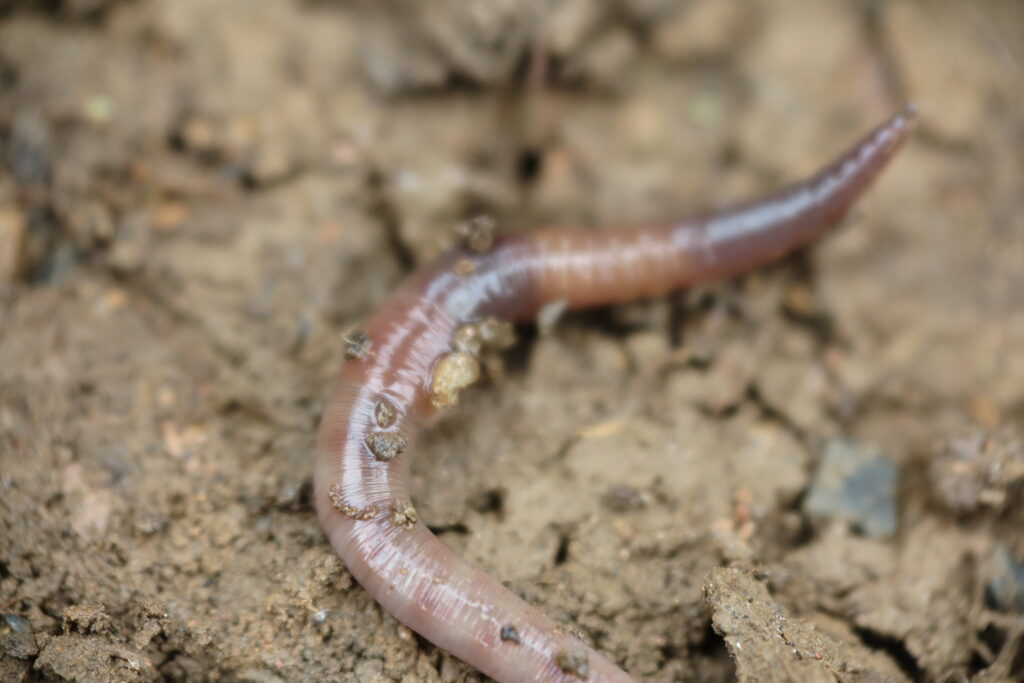
Tiny bristles known as setae represent another important physical adaptation. Although difficult to see without magnification, these structures help anchor portions of the body during movement. Their function is similar to the tread on a tire, providing traction and preventing unwanted slipping.
The smooth outer skin contributes to movement efficiency as well. Its flexible surface reduces resistance as the animal travels through soil. Combined with the cylindrical body shape, this adaptation helps earthworms navigate environments that would challenge many other invertebrates.
Body flexibility itself is a significant survival advantage. Earthworms can stretch, contract, bend, and twist depending on the conditions they encounter. This versatility allows them to respond to changing environmental conditions while maintaining efficient movement underground.
Together, these physical adaptations create a body perfectly suited for life beneath the surface. Rather than relying on a single specialized trait, earthworms combine multiple structural features that work together as an integrated survival system.
Common Earthworm Physiological Adaptations and Specialized Functions
One of the most remarkable physiological adaptations of earthworms is their ability to breathe directly through the skin. Unlike mammals that possess lungs or fish that rely on gills, earthworms absorb oxygen through their moist outer surface. This adaptation eliminates the need for large respiratory organs while supporting life underground.
Maintaining skin moisture is therefore essential. The body produces mucus that helps keep the surface moist and functional. This thin layer supports respiration while also contributing to flexibility and environmental protection.
Earthworms possess a closed circulatory system, which is relatively advanced for an invertebrate. Blood remains within vessels rather than flowing freely throughout the body cavity. This arrangement allows efficient transport of oxygen and nutrients to tissues throughout the body.
Sensitivity to environmental conditions represents another important adaptation. Earthworms can detect changes in light, vibration, moisture, and temperature despite lacking complex sensory organs. These abilities help them respond to environmental changes before conditions become dangerous.
The digestive system is also highly specialized. Structures such as the crop and gizzard allow efficient processing of material gathered from the surrounding environment. This adaptation supports nutrient extraction from resources that many other animals cannot utilize effectively.
Energy efficiency contributes significantly to survival. Earthworms generally avoid unnecessary activity and conserve resources whenever possible. This strategy reduces energy demands while maximizing long-term survival in environments where conditions may fluctuate.
The combination of respiratory, circulatory, sensory, and digestive adaptations demonstrates how earthworms have evolved a highly efficient internal system. These physiological traits complement their physical adaptations and contribute greatly to their ecological success.
Common Earthworm Survival Adaptations and Environmental Challenges
Avoidance serves as the earthworm’s primary defense strategy. Rather than confronting threats directly, earthworms rely on retreat and concealment. This approach reduces risk while minimizing the need for specialized defensive weapons.
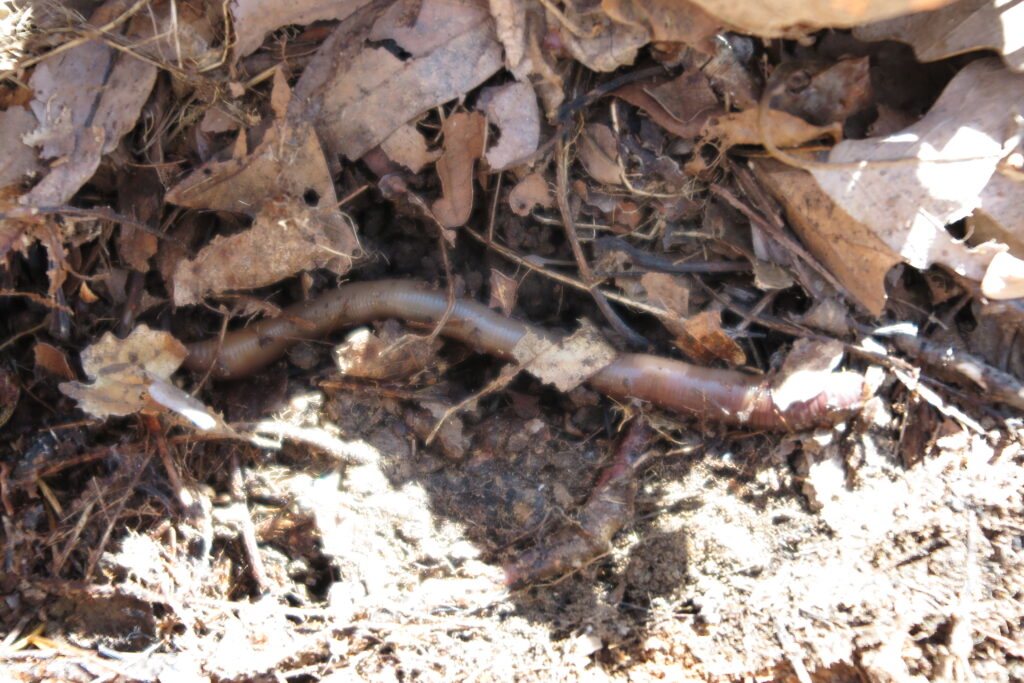
Sensitivity to light is one of the most important survival adaptations. Sudden exposure often triggers immediate retreat behavior, helping earthworms avoid dangerous situations. This response can be observed when a log is lifted or soil is disturbed, causing nearby worms to disappear quickly.
Earthworms are also highly responsive to vibrations. Footsteps, digging activity, and ground disturbances may signal potential danger. Their ability to detect these cues allows them to react before direct contact occurs, increasing the likelihood of survival.
Seasonal adaptability further contributes to long-term success. Earthworms can tolerate changing environmental conditions by adjusting activity levels and utilizing protected areas within the soil. This flexibility allows populations to persist across regions experiencing cold winters and warm summers.
A useful comparison can be made to a submarine operating beneath the ocean surface. Just as a submarine relies on remaining hidden and protected below the water, earthworms depend on the soil above them for safety. Their greatest defense is often remaining out of sight.
The ability to survive in many different regions is itself a powerful adaptation. Earthworms have established populations across multiple continents and climate zones. Their broad distribution demonstrates how effective their combined survival traits have become.
The common earthworm may lack the dramatic adaptations seen in predators or large vertebrates, but its specialized features are no less impressive. Through a combination of physical design, physiological efficiency, and environmental responsiveness, earthworms have become one of the most successful soil-dwelling animals on Earth.
Popular Searches About Earthworms
Explore Earthworm Guide
Explore More Wildlife

Support Encounters World
Help support wildlife photography and get behind the scenes discoveries on Patreon.