
Common Earthworm Ecosystem Role: Why Earthworms Are Important to Soil and Nature
Quick Facts
Ecological Role: Ecosystem Engineer
Food Web Position: Primary Decomposer and Prey Species
Main Contribution: Nutrient Recycling
Soil Impact: Improves Soil Structure and Fertility
Environmental Importance: Supports Healthy Underground Ecosystems
Predators Supported: Birds, Mammals, Reptiles, Amphibians, and Invertebrates
Ecosystem Type: Terrestrial Soil Communities
Notable Feature: Influences Entire Ecosystems Despite Living Underground
Common Earthworm Ecosystem Role and Environmental Importance
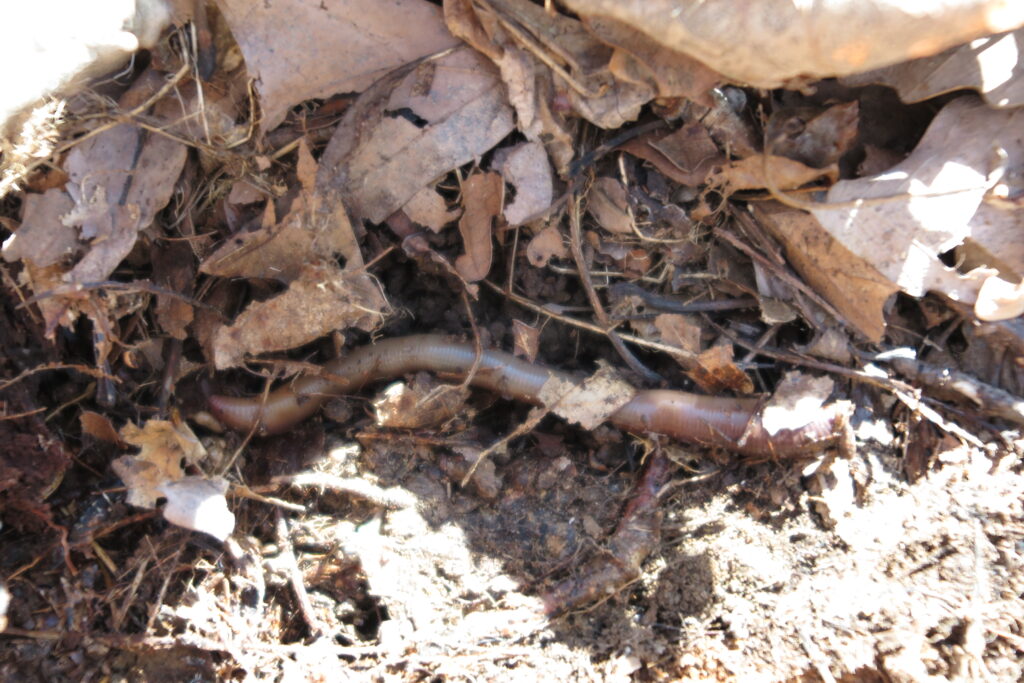
The common earthworm is often considered one of the most important animals living beneath the soil surface. Although rarely seen compared to birds, mammals, or insects, earthworms influence many of the natural processes that keep ecosystems functioning. Their impact extends far beyond their size, affecting everything from soil quality to the movement of nutrients through the environment.
Earthworms occur throughout much of the world and contribute to ecosystems wherever suitable populations exist. Whether found in forests, grasslands, gardens, or agricultural land, they participate in processes that help maintain healthy biological communities. Their presence is frequently viewed as a sign of active and productive soil systems.
Unlike predators that influence ecosystems by controlling prey populations, earthworms affect the physical and biological foundation of the environment itself. They help shape conditions that support countless other organisms living above and below the ground. Because of this influence, scientists often refer to earthworms as ecosystem engineers.
Many ecological processes happen slowly and out of sight, making them easy to overlook. Earthworms are a perfect example of this hidden influence. Beneath the surface, large populations may work continuously for years, gradually improving environmental conditions that benefit plants, microorganisms, and wildlife throughout an ecosystem.
Common Earthworm Role in Soil Health and Nutrient Cycling
One of the most important contributions made by earthworms is nutrient recycling. Organic material naturally accumulates within ecosystems over time, and earthworms help return those nutrients to the soil where they can be reused. This continual movement of nutrients supports long-term environmental productivity.
The process can be compared to a recycling facility operating beneath the ground. Instead of allowing organic material to remain unchanged, earthworms help transform and redistribute resources throughout the soil. This ongoing activity contributes to healthier and more biologically active environments.
As nutrients become incorporated into the soil, they become available to other organisms that depend on those resources. Plants, microorganisms, and numerous soil-dwelling species benefit from this continuous redistribution. Without such processes, nutrient movement through ecosystems would occur differently and often less efficiently.
Earthworms also influence the physical structure of soil itself. Areas containing healthy earthworm populations often exhibit improved soil texture and organization. Over time, their presence can contribute to more stable and productive underground environments.
Compared to many other invertebrates, earthworms have an unusually large impact on the ecosystems they inhabit. A single individual may seem insignificant, but large populations collectively influence substantial portions of the landscape. Their combined activity helps maintain the foundation upon which many terrestrial ecosystems depend.
The relationship between earthworms and soil health is so strong that farmers, gardeners, and ecologists frequently monitor earthworm abundance. High numbers often indicate active biological processes and favorable environmental conditions. This association has made earthworms one of the most widely recognized indicators of healthy soil.
Earthworms demonstrate how a seemingly simple organism can contribute to complex ecological systems. Through nutrient cycling and soil improvement, they help maintain environmental productivity across a wide variety of habitats.
Common Earthworm Position Within the Food Web
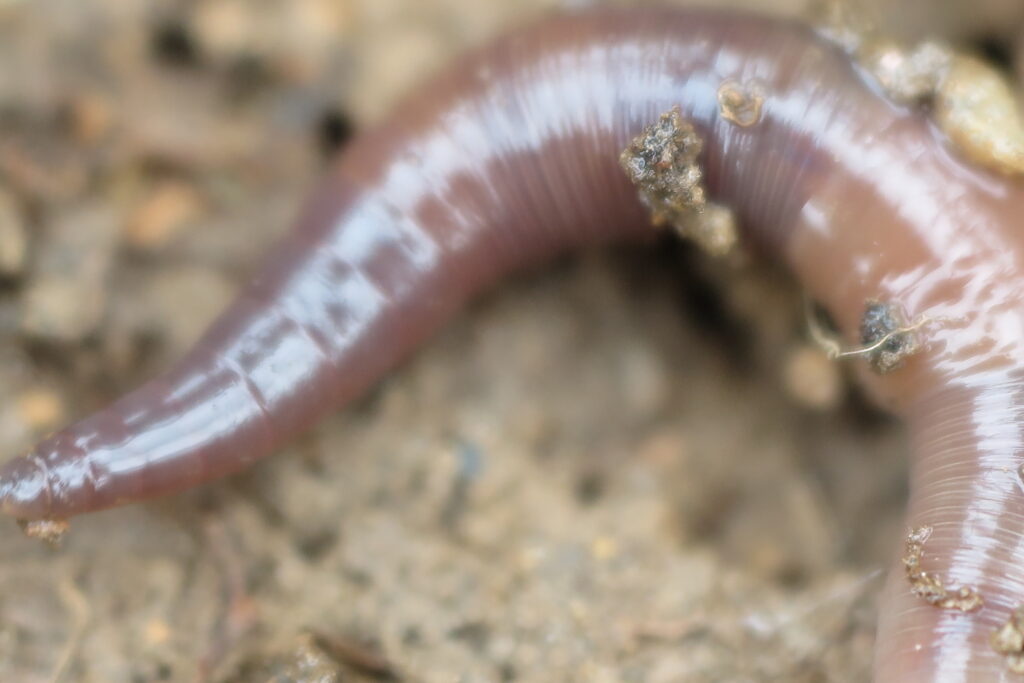
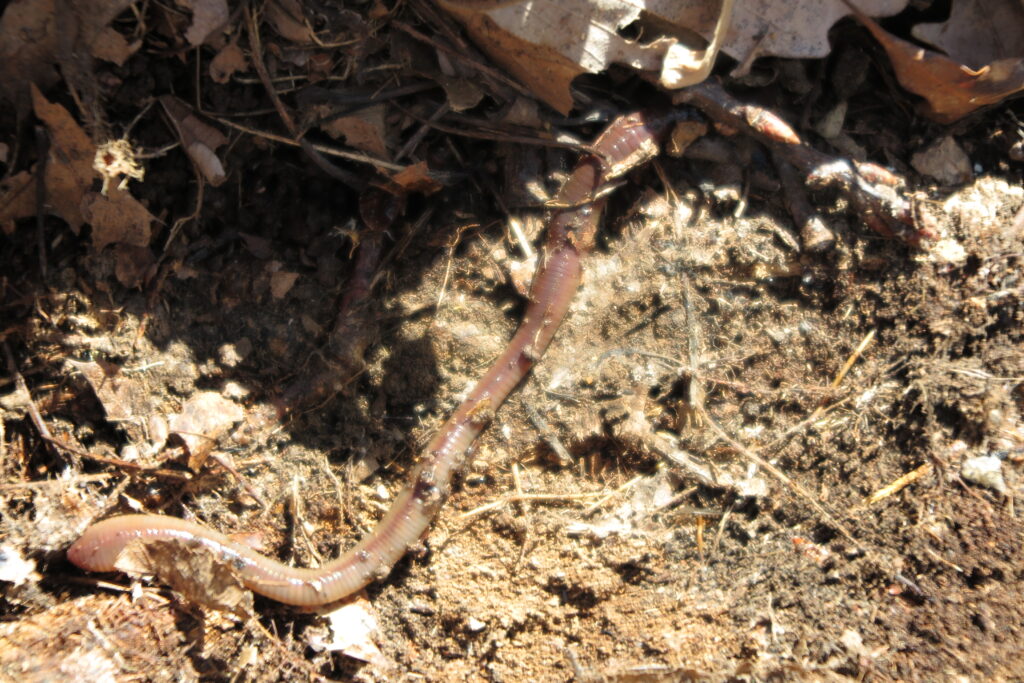
Earthworms occupy an important position within terrestrial food webs. While they contribute significantly to soil processes, they also serve as a valuable food source for numerous animals. This dual role connects underground ecosystems with wildlife living above the soil surface.
Many bird species depend on earthworms during portions of the year. Robins, blackbirds, thrushes, and other ground-feeding birds frequently search for earthworms as a reliable source of nutrition. In some areas, earthworms represent a major component of seasonal feeding activity.
Mammals also utilize earthworms as prey. Skunks, moles, shrews, and various small mammals regularly consume earthworms when available. Their abundance makes them a dependable food source for species that forage near or beneath the ground.
Amphibians and reptiles benefit from earthworm populations as well. Salamanders, frogs, toads, and certain snake species may include earthworms within their diets. These interactions create important connections between different levels of the food web.
Earthworms can be viewed as a biological bridge linking soil ecosystems to larger wildlife communities. Nutrients processed underground eventually support animals living above the surface through a series of ecological relationships. This connection demonstrates how closely different components of an ecosystem depend on one another.
Because earthworms are often abundant, they provide a relatively stable food resource compared to more seasonal prey species. Large populations can support a variety of predators simultaneously without occupying a large visible portion of the landscape.
Their position within the food web highlights an important ecological principle: small organisms often support much larger systems. Earthworms may spend their lives hidden underground, but their influence reaches far beyond the soil in which they live.
Common Earthworm Contributions to Ecosystem Balance
Earthworms help maintain ecological balance by supporting multiple environmental processes at the same time. Their influence extends across soil structure, nutrient movement, biological activity, and food web interactions. Few invertebrates contribute to as many aspects of ecosystem function simultaneously.
One example of their ecological importance can be seen in productive woodland soils. Areas with active earthworm populations often support diverse communities of plants, microorganisms, and invertebrates. The continued interaction among these organisms contributes to a stable and functioning ecosystem.
Earthworms also help connect different layers of the environment. Materials found near the surface eventually become incorporated into deeper portions of the soil through natural processes influenced by earthworm activity. This movement contributes to a more integrated and dynamic underground ecosystem.
Ecologists frequently study earthworms because changes in their populations can affect many other organisms. A reduction in earthworm abundance may influence soil quality, wildlife food resources, and nutrient movement throughout an ecosystem. Their importance becomes especially apparent when examining long-term environmental health.
Unlike highly visible species that attract attention through size or appearance, earthworms influence ecosystems through consistency and scale. Millions of individual earthworms working beneath the surface can collectively shape entire landscapes over time. Their impact is gradual but substantial.
A useful comparison is the foundation of a building. Although rarely noticed once construction is complete, the foundation supports everything above it. Earthworms perform a similar role within many terrestrial ecosystems by helping maintain the environmental conditions required for countless other organisms.
The common earthworm serves as a reminder that ecological importance is not determined by size, beauty, or visibility. Hidden beneath forests, gardens, fields, and grasslands, these invertebrates help sustain the natural systems that support life across much of the world.
Popular Searches About Earthworms
Explore Earthworm Guide
Explore More Wildlife

Support Encounters World
Help support wildlife photography and get behind the scenes discoveries on Patreon.