
Common Earthworm Predators Guide: What Eats Earthworms and How They Avoid Predation
Quick Facts
Food Web Role: Prey Species
Main Predators: Birds, Mammals, Amphibians, Reptiles, and Invertebrates
Most Common Predator: Ground-Foraging Birds
Predation Risk: High When Exposed Above Ground
Primary Defense: Retreating Underground
Active Predation Period: Day and Night Depending on Predator
Vulnerable Life Stage: Juveniles and Surface-Active Individuals
Notable Feature: Relies on Avoidance Rather Than Physical Defense
Common Earthworm Predators and Food Web Importance
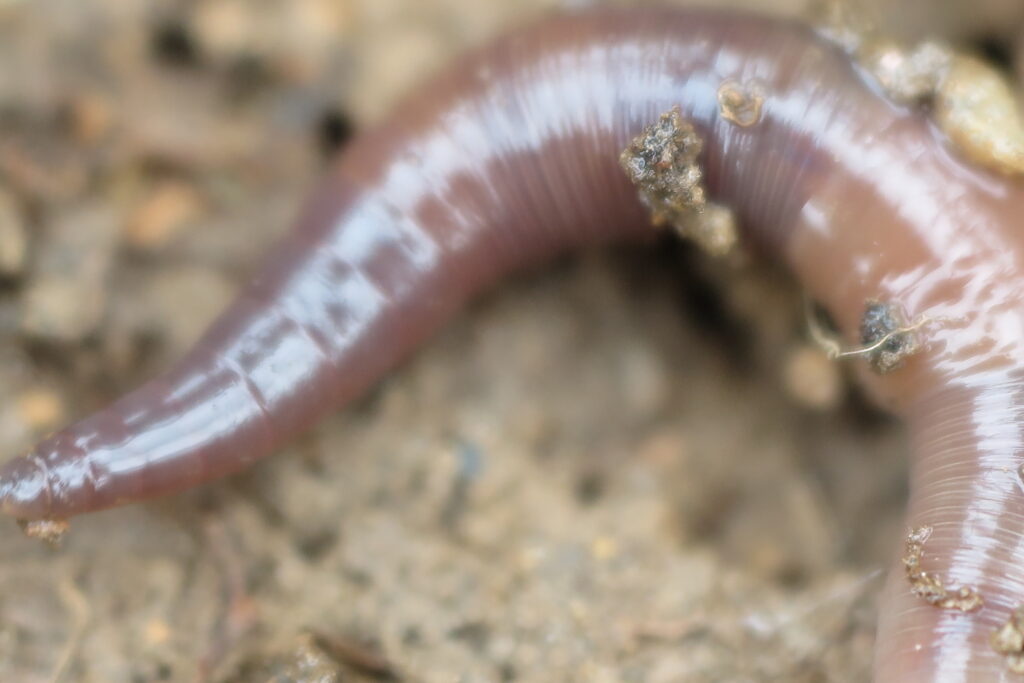
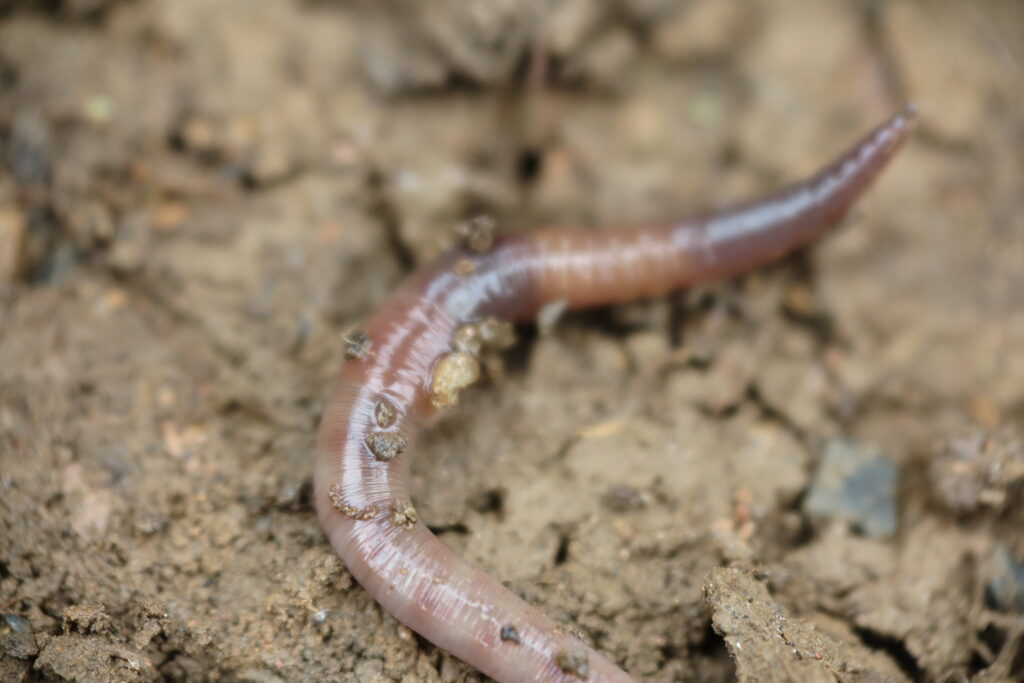
The common earthworm serves as an important prey species in ecosystems around the world. While earthworms spend much of their lives hidden beneath the soil surface, they remain a valuable food source for a wide variety of animals. Their abundance and nutritional value make them an important link between underground ecosystems and larger wildlife communities.
Earthworms occur across much of North America, Europe, Asia, Australia, and many other regions. Wherever earthworm populations become established, predators often take advantage of this dependable food resource. As a result, earthworms play a significant role in supporting numerous species throughout terrestrial food webs.
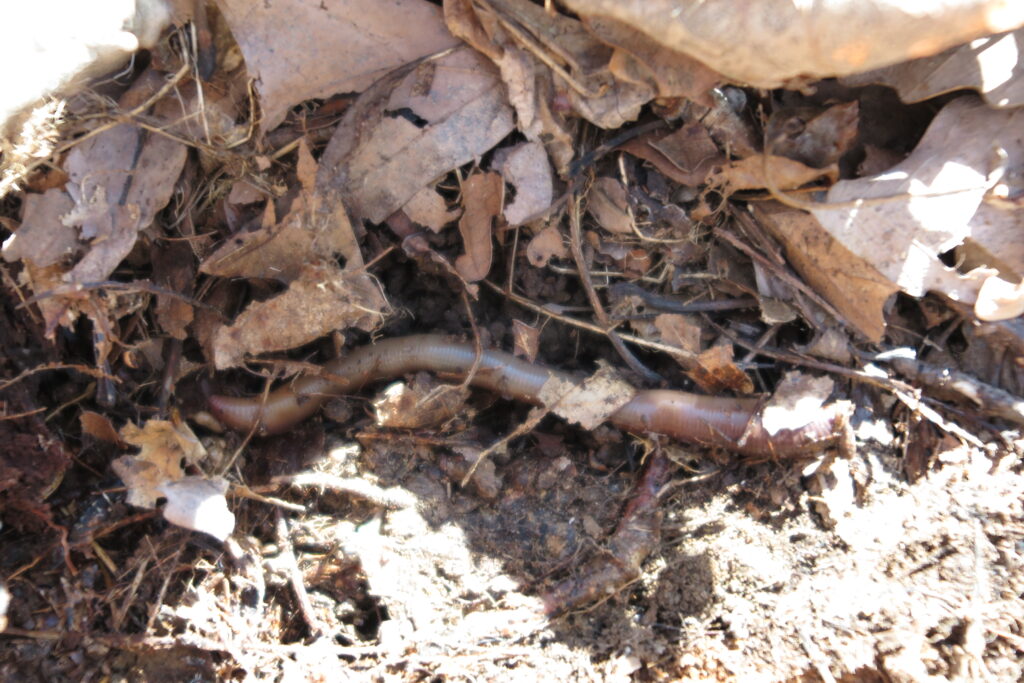
Unlike predators equipped with claws, venom, or powerful jaws, earthworms possess few direct defenses against attack. Their survival depends largely on remaining concealed and avoiding detection. When exposed above ground, they become vulnerable to many animals capable of locating and consuming them.
The relationship between earthworms and their predators demonstrates how energy moves through ecosystems. Nutrients processed by earthworms eventually become available to larger animals through predation. This ecological connection helps link soil communities with birds, mammals, reptiles, amphibians, and other wildlife.
Common Earthworm Bird Predators and Avian Hunters
Birds are among the most recognizable predators of earthworms. Many species actively search for worms while walking across lawns, fields, forest edges, and other open areas. Their keen eyesight allows them to detect movement and locate earthworms near the soil surface.
The American Robin is perhaps the most famous earthworm predator in North America. Robins are frequently observed pausing, tilting their heads, and searching for worms before quickly capturing them. This behavior has become so closely associated with robins that many people immediately think of earthworms when they see one hunting in a yard.
Blackbirds, thrushes, starlings, and crows also consume earthworms when opportunities arise. These birds often forage on the ground and take advantage of periods following rainfall when earthworms become more accessible. Moist conditions can increase earthworm visibility and create feeding opportunities for numerous bird species.
Some larger birds exploit earthworm populations as well. Gulls, herons, and certain shorebirds may consume earthworms while searching for food in suitable environments. Although these species often target other prey, earthworms provide an additional nutritional resource when available.
Bird predation can be especially intense during breeding seasons. Adult birds frequently gather earthworms to feed growing chicks, increasing demand for high-protein food sources. In some cases, dozens of earthworms may be collected during a single feeding period.
Compared to many other predators, birds rely heavily on visual detection. Earthworms exposed on the surface become particularly vulnerable because they contrast against surrounding soil or vegetation. Remaining concealed remains one of the most effective ways earthworms avoid avian predators.
The relationship between birds and earthworms highlights one of the most important predator-prey interactions occurring in many terrestrial ecosystems. For countless bird species, earthworms represent a dependable and valuable food source.
Common Earthworm Mammal, Reptile, and Amphibian Predators
Mammals account for another major group of earthworm predators. Small insectivorous mammals such as shrews and moles regularly consume earthworms while searching through soil and leaf litter. Their feeding activities often bring them into direct contact with earthworm populations.
Skunks are particularly well known for digging small holes while searching for invertebrates, including earthworms. Their powerful sense of smell helps locate prey hidden beneath the surface. Evidence of this feeding behavior can often be seen in lawns where skunks have been foraging overnight.
Raccoons, opossums, and various rodents may also consume earthworms when available. While many of these animals possess varied diets, earthworms provide a readily accessible source of nutrition under favorable conditions. Opportunistic feeding behavior allows these mammals to take advantage of temporary food resources.
Amphibians frequently include earthworms in their diets. Frogs, toads, and salamanders often encounter earthworms while hunting near the ground surface. Because many amphibians occupy similar moisture-rich environments, interactions between these species occur regularly.
Certain reptiles also prey on earthworms. Small snakes and some lizard species may consume worms when encountered during routine foraging. Although earthworms are not always the primary prey item, they represent an important food source within many ecosystems.
Young earthworms face especially high predation pressure from smaller predators. Their reduced size makes them easier to consume and more vulnerable to a wider range of animals. Survival during early life stages often depends on remaining concealed from these threats.
The diversity of predators targeting earthworms demonstrates their ecological importance. From tiny shrews to larger mammals and amphibians, many species benefit from the presence of healthy earthworm populations.
Common Earthworm Defense Strategies and Predator Avoidance
Earthworms possess no venom, claws, armor, or other obvious weapons for defending themselves against predators. Instead, survival depends largely on avoiding detection and responding quickly when danger appears. These defensive strategies have proven effective despite the animal’s physical vulnerability.
One of the most important defenses is remaining underground. Soil provides protection from many predators that rely on sight to locate prey. By spending much of their lives beneath the surface, earthworms reduce the likelihood of being discovered.
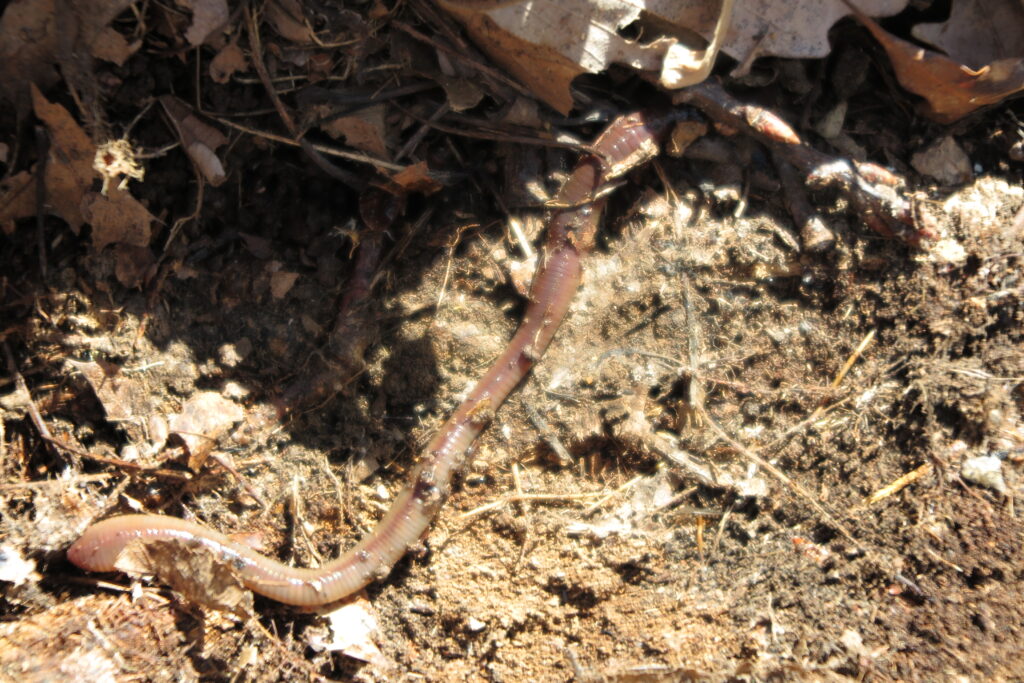
Rapid retreat behavior serves as another important survival strategy. When exposed to light, vibrations, or sudden disturbances, earthworms often move toward cover as quickly as possible. A worm discovered beneath a log may immediately disappear into nearby soil cracks when the shelter is removed.
Body contraction provides a secondary defensive response. When threatened, earthworms frequently shorten and tighten their bodies, making them more difficult to grasp. This reaction can help increase the chances of escaping certain predators or environmental hazards.
Moisture conditions also influence predator avoidance. Earthworms often remain active during periods when conditions favor reduced exposure and safer movement. Timing activities carefully can lower predation risk while still allowing necessary daily functions to occur.
A common example occurs after rainfall. While earthworms may become more visible during these periods, they often remain close to protective cover and retreat quickly when disturbed. This balance between opportunity and risk illustrates the constant challenge of avoiding predators.
The common earthworm survives not through strength or aggression but through caution, concealment, and efficient responses to danger. These simple yet effective strategies have allowed earthworms to persist for millions of years while serving as one of the most important prey species in terrestrial ecosystems worldwide.
Popular Searches About Earthworms
Explore Earthworm Guide
Explore More Wildlife

Support Encounters World
Help support wildlife photography and get behind the scenes discoveries on Patreon.