
Common Earthworm Habitat: Range, Environmental Conditions, and Habitat Types
Quick Facts
Primary Habitat: Soil-Rich Terrestrial Environments
Secondary Habitat: Gardens, Agricultural Land, and Urban Greenspaces
Climate Preference: Temperate to Humid Regions
Environment Type: Underground Soil Ecosystems
Elevation / Depth Range: Sea Level to Mountain Regions; Typically Within Upper Soil Layers
Geographic Distribution: Worldwide Except Antarctica
Common Earthworm Habitat and Global Distribution
The common earthworm is one of the most widely distributed soil-dwelling animals on Earth. Found across multiple continents and climate zones, these invertebrates have established populations in an impressive variety of landscapes. Their broad distribution has allowed them to become a familiar component of both natural and human-influenced environments.
Earthworms occur throughout much of North America, Europe, Asia, South America, Africa, and Australia. Some populations originated naturally within these regions, while others were introduced through agriculture, transportation, and land development. Over time, many species have become so widespread that they are now considered a normal part of local ecosystems.
Unlike highly specialized animals restricted to a narrow geographic range, earthworms thrive across extensive portions of the globe. Their success stems from an ability to occupy many different environments while remaining closely associated with soil systems. This flexibility has contributed to their remarkable abundance in both rural and urban landscapes.
A person exploring nature almost anywhere outside Antarctica has a reasonable chance of encountering earthworms under the right conditions. Whether turning over a fallen log, working in a garden, or examining freshly exposed soil, evidence of earthworm activity is often present. Their hidden lifestyle means they frequently remain unnoticed despite being extremely common.
Earthworms are particularly successful because their habitat requirements can be met in many different regions. While some animals depend on highly specific vegetation communities or geographic features, earthworms can persist across landscapes that appear dramatically different on the surface. This broad tolerance has helped them colonize a wide range of environments.
Their global presence has also made earthworms important subjects for ecological research. Scientists studying soil systems often encounter earthworms regardless of the continent or ecosystem being examined. Few terrestrial invertebrates have achieved such a widespread distribution while maintaining a relatively consistent ecological role.
Common Earthworm Habitat Overview Across Different Landscapes
The common earthworm occupies a broad collection of environments ranging from heavily wooded regions to open agricultural landscapes. Rather than being limited to a single ecosystem type, earthworms occur wherever suitable soil conditions are present. This versatility allows them to persist in areas that differ greatly in appearance above ground.
Many species are successful in both natural and human-altered environments. Forests, meadows, parks, farmland, and suburban greenspaces can all support healthy earthworm populations. Their ability to exist across these varied settings makes them more adaptable than many soil-dwelling invertebrates with narrower ecological requirements.
Earthworms are often associated with landscapes that contain abundant plant growth and active biological communities. These environments provide the organic material and soil structure necessary to support long-term populations. As a result, earthworms frequently become established in areas where vegetation remains productive throughout much of the year.
Compared to some specialized underground organisms, earthworms display remarkable flexibility in their geographic distribution. Certain invertebrates are restricted to caves, deserts, coastal regions, or specific forest types, whereas earthworms can occur across a much broader environmental spectrum. This adaptability contributes significantly to their worldwide success.
Although earthworms are widespread, they are not distributed evenly across every landscape. Some regions support exceptionally dense populations, while others contain only scattered individuals. Differences in soil quality, moisture availability, and environmental stability influence how suitable a particular area becomes.
Their presence often extends across entire ecological transitions rather than being confined to a single habitat zone. For example, earthworms may occur from woodland edges into open fields and from managed gardens into nearby natural areas. This ability to occupy connected landscapes allows populations to persist even as environmental conditions change.
Earthworms have become so successful across diverse environments that many people consider them a nearly universal component of healthy soil systems. Their broad distribution serves as an example of how adaptable certain invertebrates can be when provided with favorable underground conditions.
Common Earthworm Habitat Types and Preferred Environments
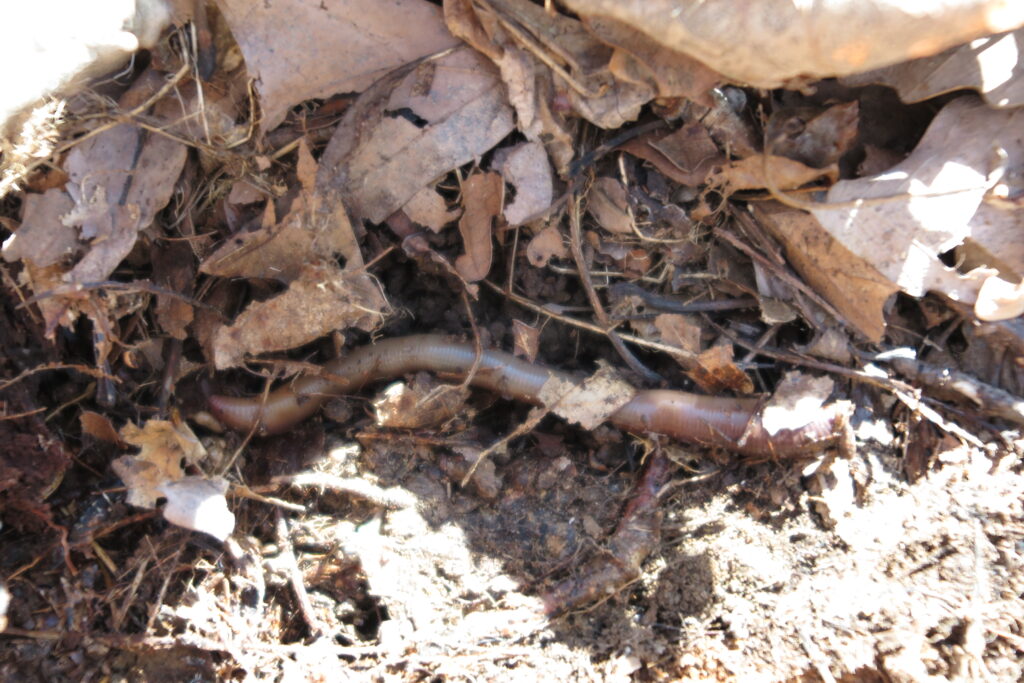
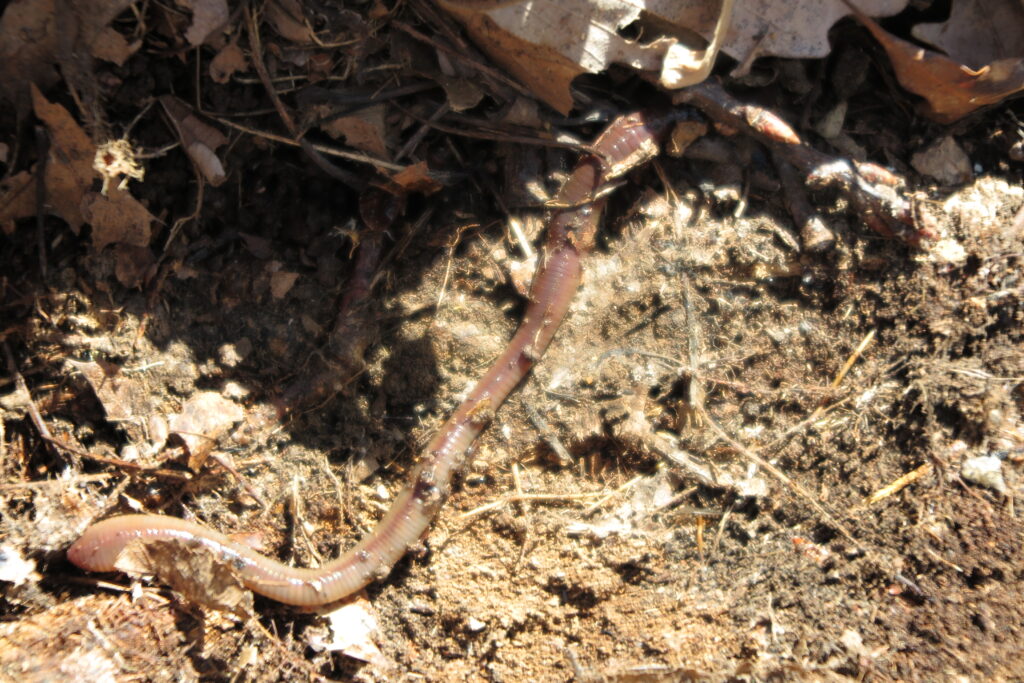
Forests represent one of the most important habitat categories for many earthworm species. Woodland soils often contain layers of decomposing leaves, plant material, and organic matter that contribute to suitable underground conditions. Earthworms may occur beneath logs, within leaf litter, or throughout the upper layers of forest soil.
Grasslands and open meadows also support substantial earthworm populations. These environments often provide extensive root systems and productive soil communities. Beneath seemingly simple grassy landscapes lies a complex underground network where earthworms contribute to soil processes throughout the year.
Agricultural land frequently contains some of the highest earthworm densities. Crop fields, pastures, and managed farmland often provide favorable conditions that allow populations to thrive. Farmers and soil scientists commonly monitor earthworm abundance as an indicator of soil quality and biological activity.
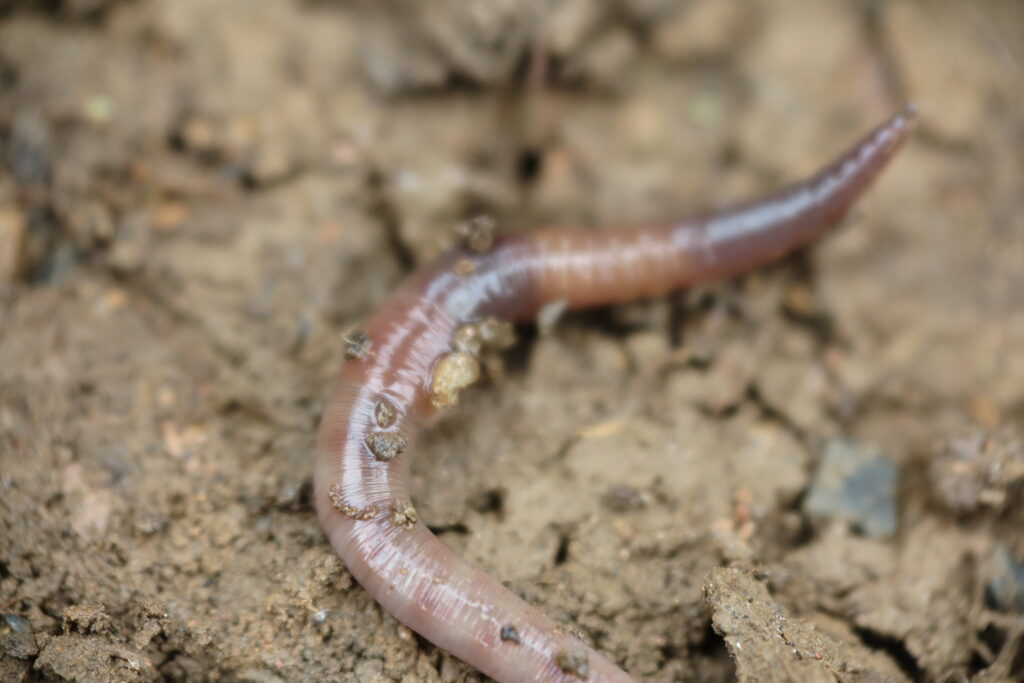
Gardens represent another important habitat type. Flower beds, vegetable plots, and landscaped areas often support earthworms due to regular soil maintenance and the accumulation of organic material. Many gardeners actively encourage earthworm populations because of their beneficial influence on soil systems.
Urban environments can also provide suitable habitat despite heavy human influence. Parks, lawns, roadside greenspaces, and community gardens frequently contain established earthworm populations. Their ability to persist within developed landscapes demonstrates how adaptable they are compared to many wildlife species.
Wetland margins and transitional areas may support earthworms as well, particularly where soils remain productive and stable. However, earthworms are often more abundant along habitat edges than within permanently saturated areas. These transitional zones create opportunities for earthworms to occupy multiple environmental conditions within a relatively small space.
The diversity of habitat types occupied by earthworms highlights their ecological flexibility. From remote forests to city parks, they successfully utilize environments that differ dramatically in appearance while remaining closely connected to the soil beneath them.
Common Earthworm Environmental Conditions and Soil Requirements
Moisture is one of the most important environmental factors influencing earthworm distribution. Soils that retain moderate levels of moisture generally provide more suitable conditions than extremely dry environments. Areas that remain consistently damp often support larger and more stable populations.
Temperature also plays a major role in determining habitat suitability. Earthworms are commonly associated with temperate climates where seasonal changes occur without prolonged extremes. Regions experiencing mild springs and autumns often provide ideal conditions for maintaining active populations throughout much of the year.
Earthworms can tolerate cold winters in many parts of the world. During unfavorable conditions, individuals remain protected within the soil where temperatures fluctuate less dramatically than at the surface. This natural insulation helps populations survive seasonal weather changes that would be challenging above ground.
Vegetation structure contributes significantly to habitat quality. Landscapes containing grasses, shrubs, trees, or mixed plant communities often produce organic material that influences soil composition. The resulting environment can support complex underground ecosystems where earthworms become important members of the community.
Terrain influences habitat suitability as well. Flat agricultural fields, rolling hills, forest floors, and gently sloping meadows may all provide favorable conditions. Extremely rocky or heavily compacted ground can be less suitable, particularly when soil development is limited.
Seasonal rainfall patterns often affect habitat quality. Regions receiving regular precipitation generally support healthier earthworm populations than areas experiencing prolonged drought. A useful comparison is a garden bed that remains consistently moist versus one exposed to weeks of dry summer weather; the former usually offers more favorable conditions.
The most suitable earthworm habitats combine moderate temperatures, reliable moisture, productive soils, and established vegetation. Together, these environmental conditions create stable underground ecosystems capable of supporting earthworm populations across a wide geographic range. Their success in such environments explains why earthworms remain among the most widespread and influential soil invertebrates on Earth.
Popular Searches About Earthworms
Explore Earthworms Guide
Explore More Wildlife

Support Encounters World
Help support wildlife photography and get behind the scenes discoveries on Patreon.