
Common Earthworm Anatomy Guide: Body Parts, Internal Structures, and Physical Adaptations
Quick Facts
Scientific Name: Earthworm sp. (Family Lumbricidae)
Body Type: Segmented Invertebrate
Skeleton Type: Hydrostatic Skeleton
Body Segments: Typically 100–150+ Segments
Respiration Method: Through Moist Skin
Distinctive Structure: Clitellum (Reproductive Band)
Circulatory System: Closed Circulatory System
Notable Feature: Flexible Muscular Body Designed for Underground Life
Common Earthworm Anatomy and Body Structure Overview
The common earthworm possesses a simple appearance at first glance, yet its anatomy contains a highly specialized collection of structures adapted for life beneath the ground. Every part of the body contributes to movement, survival, and overall function. Despite lacking limbs, bones, or an external skeleton, earthworms remain among the most successful soil-dwelling animals in the world.
Earthworms belong to a group of segmented invertebrates known as annelids. Their bodies are divided into numerous repeating sections that create a flexible yet organized structure. This segmented arrangement distinguishes earthworms from many other worm-like animals and forms the foundation of their anatomy.
Unlike vertebrates that rely on internal bones for support, earthworms use a hydrostatic skeleton. This system depends on fluid-filled body cavities working together with muscles to maintain shape and provide movement. The result is a body that remains flexible while still possessing enough structural support for daily activities.
Although the overall form appears uncomplicated, closer examination reveals a surprisingly efficient design. The combination of segmentation, musculature, specialized organs, and sensory structures allows earthworms to function effectively in environments where many animals would struggle to survive. Their anatomy demonstrates how simple body plans can achieve remarkable success.
Common Earthworm External Anatomy and Visible Body Parts
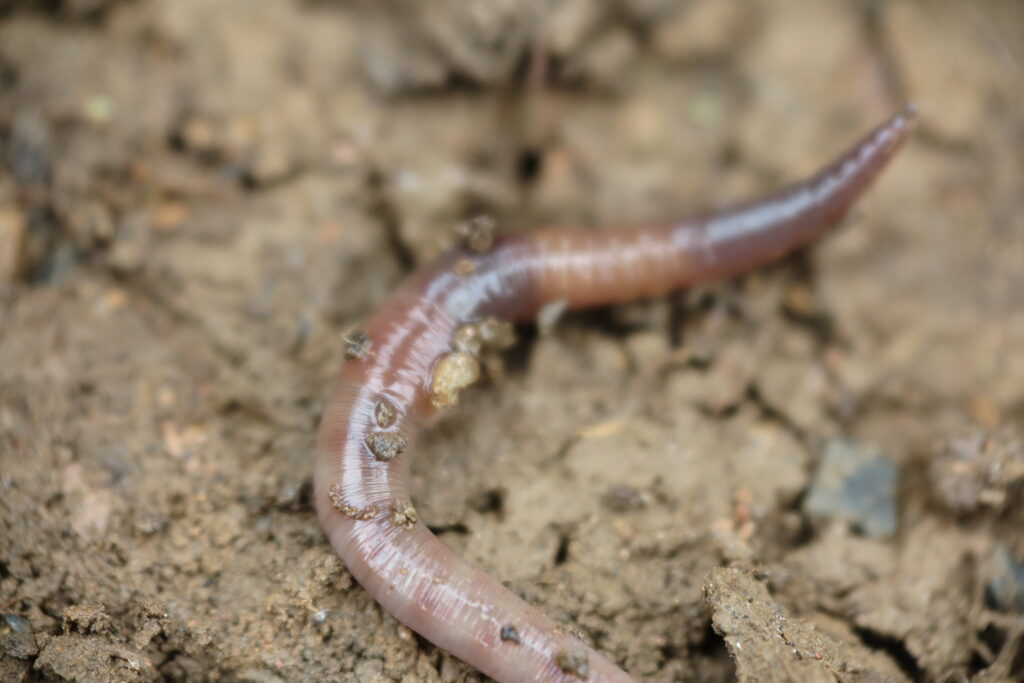
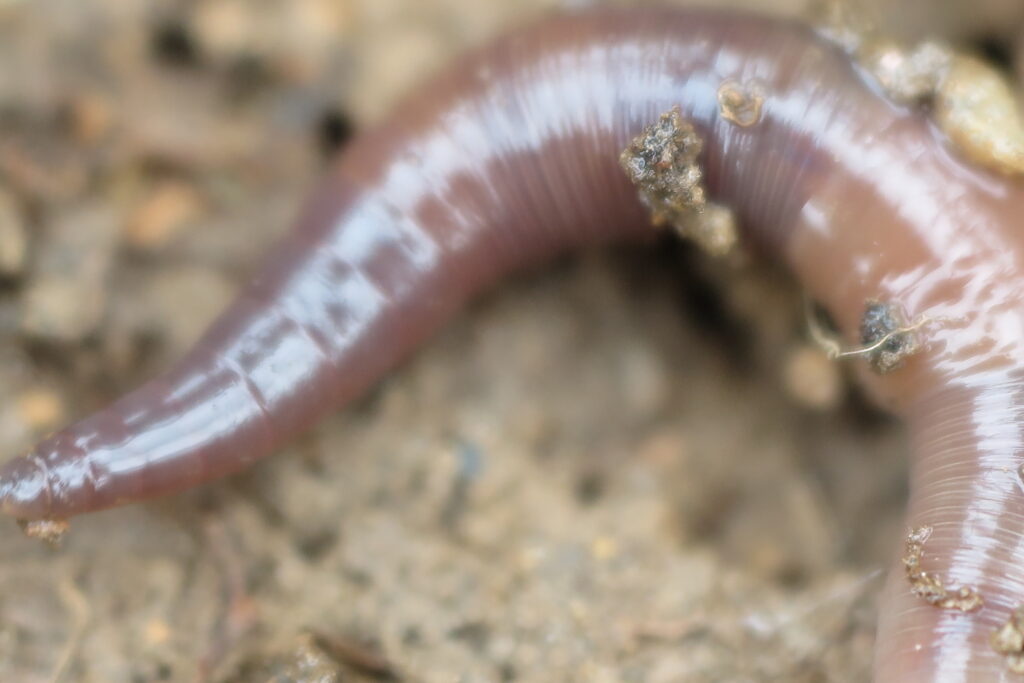
The most recognizable feature of an earthworm is its segmented body. Individual segments appear as ring-like sections extending from one end of the animal to the other. These segments resemble a chain of connected bands and provide flexibility while maintaining structural organization.
The front portion of the body contains the mouth, which is positioned near the anterior end. Unlike many animals that possess jaws, teeth, or beaks, the earthworm’s mouth is relatively simple in appearance. This opening serves as the entry point for material processed by the digestive system.
One of the most distinctive external structures is the clitellum. This thickened band appears near the front half of mature individuals and often differs in color from surrounding segments. Its saddle-like appearance makes it one of the easiest features to identify when examining an adult earthworm.
Earthworms lack legs, wings, antennae, claws, and other prominent appendages commonly found in many invertebrates. Instead, the body maintains a smooth cylindrical profile from front to rear. This streamlined form contributes to the animal’s unmistakable appearance.
Tiny bristles called setae occur along the body segments, although they are often difficult to see without magnification. These structures provide traction and help anchor portions of the body during movement. They function somewhat like the tread on a tire, improving grip against surrounding surfaces.
The skin itself forms another important anatomical feature. It remains moist, flexible, and slightly reflective under natural light. This smooth exterior not only protects underlying tissues but also plays a critical role in respiration.
Together, these visible structures create an external anatomy that is both distinctive and highly specialized. Even without limbs or obvious defensive features, the earthworm’s body design remains exceptionally effective for its lifestyle.
Common Earthworm Internal Anatomy and Organ Systems
Beneath the outer surface lies a surprisingly complex arrangement of internal organs. The digestive system extends through much of the body and processes material as it moves from one end of the worm to the other. This elongated design allows efficient extraction of nutrients from ingested material.
The digestive tract includes specialized regions such as the crop and gizzard. The crop temporarily stores material before it enters the gizzard, where muscular action helps break it down. This process resembles the function of a grinding mechanism found in some birds.
Earthworms possess a closed circulatory system, a feature often associated with more advanced animals. Blood travels through vessels rather than flowing freely through body cavities. Several muscular structures commonly referred to as “hearts” help move blood throughout the body.
The nervous system consists of a simple brain-like structure located near the front end and a nerve cord extending through the body. While far less complex than the brains of vertebrates, this system coordinates movement and responses to environmental stimuli.
Respiration occurs directly through the skin rather than through lungs or gills. Oxygen passes through the moist body surface and enters the circulatory system. This method makes maintaining skin moisture essential for survival.
Reproductive organs are also housed internally, although some associated structures become visible externally through the clitellum. The arrangement of reproductive tissues allows earthworms to participate in reproduction while maintaining their relatively simple body design.
Taken together, these internal systems demonstrate that earthworms are far more complex than their outward appearance suggests. Beneath a simple exterior lies a network of organs working continuously to support life underground.
Common Earthworm Anatomical Adaptations and Specialized Features
One of the most important anatomical adaptations of earthworms is their hydrostatic skeleton. Instead of relying on rigid bones, fluid pressure within the body works alongside muscles to create support. This arrangement allows flexibility while still providing enough strength for movement through confined spaces.
Segmentation represents another major adaptation. By dividing the body into many sections, earthworms gain increased flexibility and control. This design can be compared to a train made up of connected cars, where each section contributes to overall movement while maintaining structural continuity.
The muscular system consists primarily of circular and longitudinal muscles. Working together, these muscle groups allow the body to lengthen, shorten, and contract. Their coordinated action powers nearly every movement performed by the earthworm.
Setae provide an additional anatomical advantage. Though tiny, these bristles help prevent unwanted slipping and improve traction. Without them, controlled movement through soil would be significantly more difficult.
The skin itself functions as more than a protective covering. In addition to respiration, it serves as an interface between the earthworm and its environment. Its moisture-retaining properties support vital physiological processes while maintaining flexibility.
The clitellum is another specialized structure unique to mature individuals. While easily recognized during identification, it also plays an important anatomical role in reproduction. Its presence immediately distinguishes adults from juveniles.
The overall anatomy of the common earthworm demonstrates how efficiency can outweigh complexity. Rather than developing elaborate limbs, armor, or sensory organs, earthworms rely on a collection of highly specialized adaptations working together as a unified system. This effective design has helped earthworms thrive across much of the world for millions of years.
Popular Searches About Earthworms
Explore Earthworm Guide
Explore More Wildlife

Support Encounters World
Help support wildlife photography and get behind the scenes discoveries on Patreon.