
Common Earthworm Behavior: Activity Patterns, Movement, and Survival Strategies
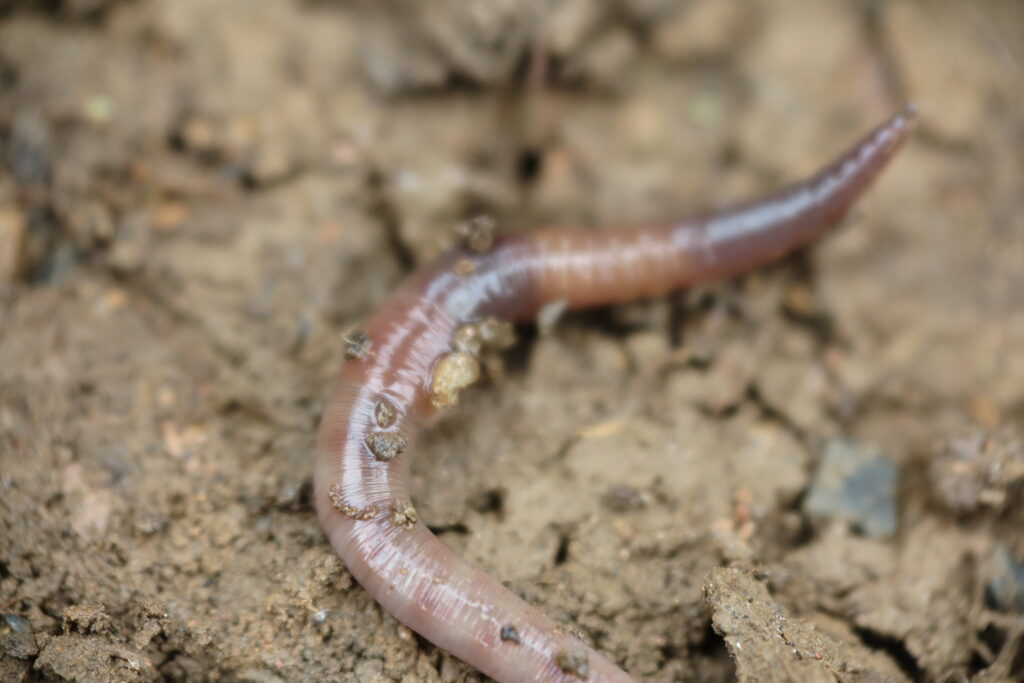
Quick Facts
Activity Type: Primarily Nocturnal
Social Structure: Solitary
Territorial Behavior: Non-Territorial
Movement Style: Slow Muscular Contractions
Communication Method: Chemical and Physical Cues
Defense Strategy: Burrowing, Retreat, and Body Contraction
Common Earthworm Behavior in Natural Environments
The common earthworm is a widespread soil-dwelling invertebrate found across much of the world. From gardens and agricultural fields to forests and grasslands, earthworms remain active beneath the surface where they spend the majority of their lives. Although they are frequently encountered after rainfall, most of their daily activity occurs out of sight underground.
Across Europe, North America, Asia, Australia, and many other regions, earthworms have become a familiar component of terrestrial ecosystems. Their presence often goes unnoticed because they rarely spend extended periods above ground. Instead, they occupy a hidden world beneath leaves, roots, and soil layers where environmental conditions remain relatively stable.
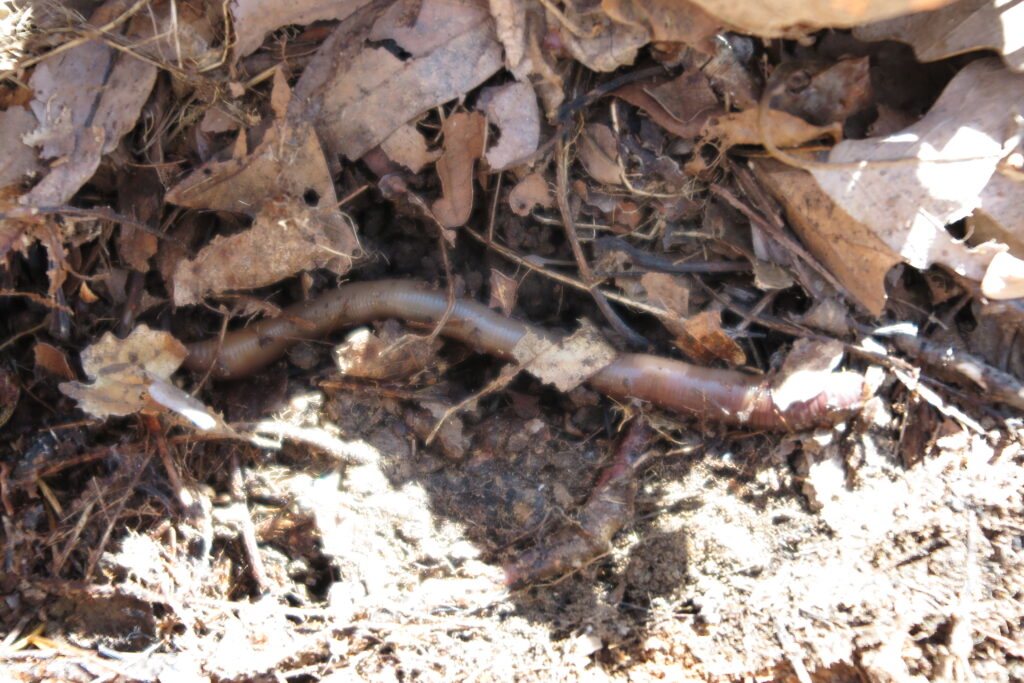
Observing an earthworm in nature often requires patience and careful attention. A log turned over in a woodland, damp soil exposed after rain, or a shaded garden bed may reveal individuals slowly navigating their surroundings. Unlike many animals that display obvious behaviors from a distance, earthworms reveal their activity only through close observation.
Despite their simple appearance, earthworms display a collection of behaviors that help them function successfully within underground environments. Their responses to moisture, light, vibration, and changing conditions demonstrate that even seemingly basic animals possess effective survival instincts. Much of their daily routine centers around maintaining favorable conditions while avoiding unnecessary exposure.
Common Earthworm Behavioral Tendencies and Daily Activity
Earthworms generally display calm and deliberate behavioral patterns. They do not exhibit sudden bursts of activity like insects or rapid movements like small mammals. Instead, their actions are typically measured and energy-efficient, reflecting a lifestyle adapted to life beneath the soil surface.
When undisturbed, earthworms often appear surprisingly passive. They may remain within a relatively small area for extended periods while slowly exploring nearby spaces. This behavior resembles the steady pace of a person casually walking through a familiar neighborhood rather than rushing toward a destination.
Environmental conditions strongly influence overall activity levels. Moisture, temperature, and soil quality can all affect how active an earthworm becomes during a given period. Favorable conditions often result in increased movement and exploration, while less suitable conditions encourage reduced activity and energy conservation.
Earthworms are highly responsive to changes in their immediate surroundings. Vibrations, sudden exposure to light, or disturbances in the soil can quickly alter their behavior. Although they lack the advanced senses associated with larger animals, they remain surprisingly sensitive to environmental signals that may indicate danger.
Adaptability is one of the defining characteristics of earthworm behavior. Individuals can adjust activity levels based on seasonal changes, weather patterns, and underground conditions. This flexibility allows populations to persist in regions with varying climates and environmental challenges.
Unlike highly social animals that depend on group cooperation, earthworms operate independently. Each individual manages its own movement, shelter, and survival without forming organized colonies or family groups. Their solitary nature helps simplify many aspects of their daily behavior while still allowing large populations to exist within the same area.
The overall impression of an earthworm’s behavior is one of patience and efficiency. Every action appears purposeful and closely tied to maintaining favorable conditions. While their activities may seem uneventful compared to more visible wildlife, these consistent behavioral patterns contribute significantly to their long-term success.
Common Earthworm Movement and Activity Patterns
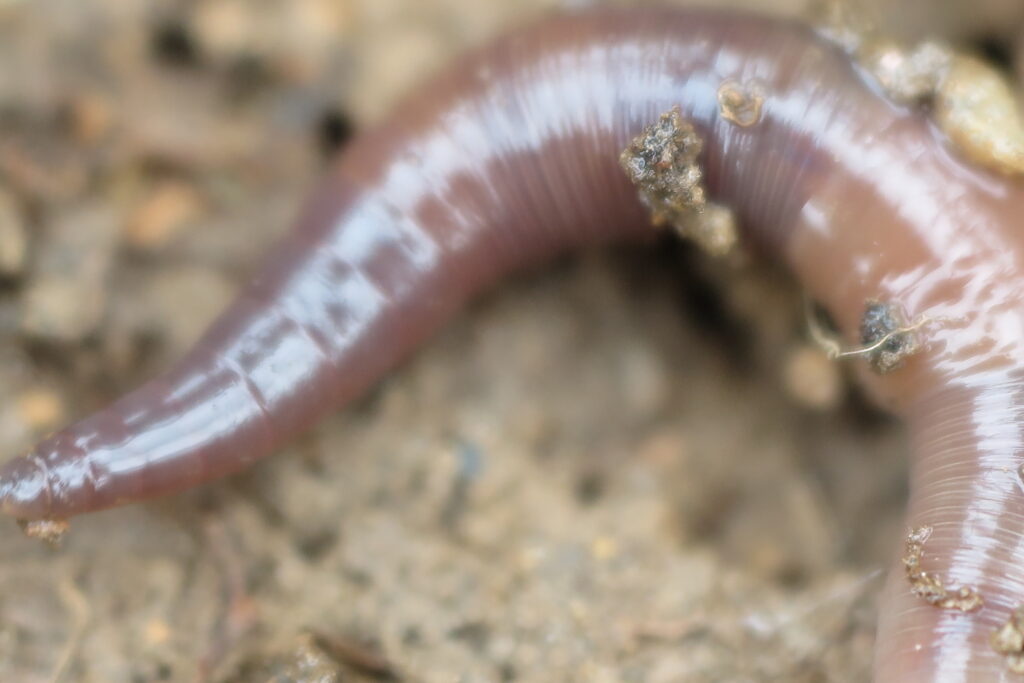
Movement in earthworms relies on a coordinated series of muscular contractions that travel along the body. Rather than using legs or fins, the worm alternately extends and shortens sections of its body to move forward. This process creates a smooth, wave-like motion that is both effective and energy efficient.
Watching an earthworm travel across soil can resemble the movement of a flexible accordion repeatedly expanding and compressing. The body stretches forward, anchors itself, and then pulls the remaining segments behind it. This method allows steady progress even through narrow spaces and uneven terrain.
Most earthworm activity occurs during nighttime hours or periods of reduced light. Darkness provides safer conditions for movement and exploration while minimizing exposure. As a result, earthworms are often most active after sunset, particularly when moisture levels remain favorable.
Rainfall frequently increases visible activity. Following wet weather, earthworms may appear on sidewalks, trails, lawns, and other exposed surfaces. These periods provide some of the easiest opportunities for people to observe earthworms outside of their underground environment.
Seasonal changes also influence movement patterns. During mild spring and autumn conditions, activity often increases as temperatures remain suitable for extended movement. Extremely hot, dry, or frozen conditions generally reduce visible activity and encourage conservation of energy.
Earthworms rarely move quickly compared to most animals. Their pace is better compared to the slow, steady advance of a conveyor belt rather than the rapid motion of an insect or small vertebrate. Although slow, this movement style allows precise control and efficient navigation through confined spaces.
Energy use remains carefully balanced throughout daily activity. Earthworms avoid unnecessary movement and typically travel only when conditions support safe exploration. This conservation-focused strategy helps maximize survival while minimizing exposure to environmental stress.
Common Earthworm Interaction and Survival Responses
Earthworms rely on a variety of instinctive responses to avoid danger and survive changing conditions. Because they lack claws, teeth, venom, or protective armor, survival depends heavily on recognizing threats and reacting quickly. Their defensive strategies focus on avoidance rather than confrontation.
One of the most common responses occurs when an earthworm encounters sudden light exposure. Individuals frequently retreat immediately, reversing direction or disappearing into nearby openings. This reaction can be observed when a log is lifted or soil is disturbed, exposing worms that were previously concealed.
Vibrations also trigger defensive behavior. Footsteps, digging, and ground disturbances may cause earthworms to alter movement or seek deeper cover. Their sensitivity to physical changes allows them to detect potential threats before direct contact occurs.
When handled or threatened, earthworms often contract their bodies and become noticeably shorter. This tightening response helps protect vulnerable tissues while making the animal more difficult to grasp. Similar reactions can be seen in other soft-bodied invertebrates that rely on body flexibility for protection.
Social interaction among earthworms remains limited compared to many animals. They do not form cooperative groups, defend territories, or establish social hierarchies. Multiple individuals may occupy the same general area, but each earthworm functions independently without coordinated group behavior.
A useful example of survival instinct can be observed after heavy disturbance of the soil surface. Rather than remaining exposed, earthworms typically seek immediate shelter by moving toward protected spaces. This rapid retreat behavior helps reduce the risk of predation and environmental stress.
The combination of sensitivity, caution, and efficient retreat strategies has allowed earthworms to thrive for millions of years. Their survival does not depend on strength or aggression but instead on recognizing danger early and responding appropriately. These behaviors may appear simple, yet they have proven remarkably effective across a wide range of environments.
Popular Searches About Earthworms
Explore Earthworm Guide
Explore More Wildlife

Support Encounters World
Help support wildlife photography and get behind the scenes discoveries on Patreon.