
Common Earthworm Life Cycle: Reproduction, Growth Stages, and Lifespan Development
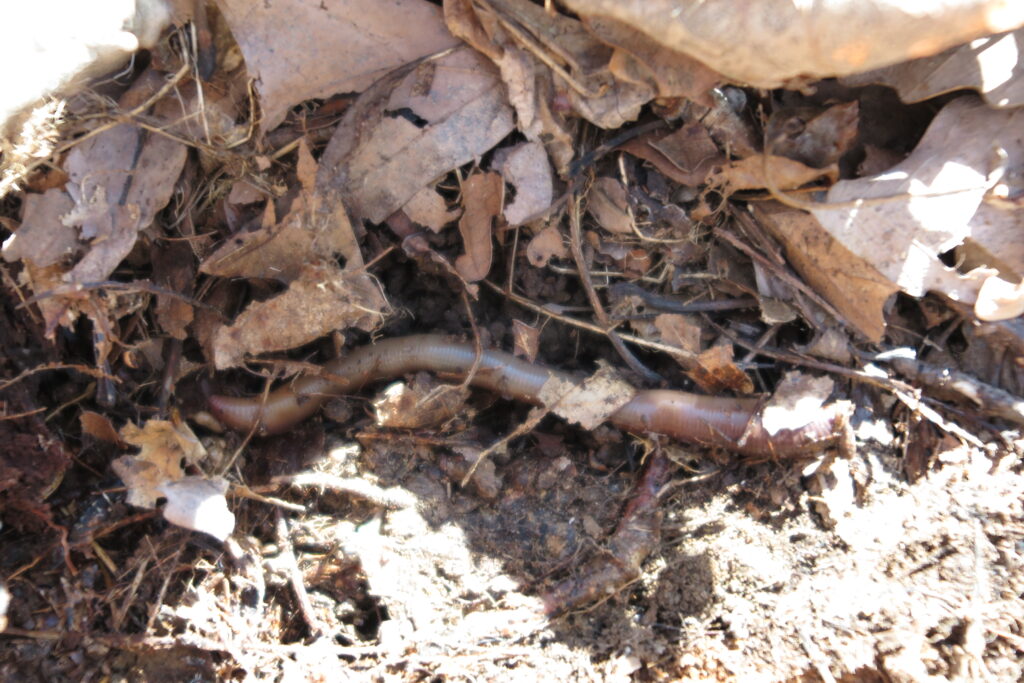
Quick Facts
Life Cycle Type: Egg to Juvenile to Adult
Reproduction Method: Sexual Reproduction Through Cocoon Production
Egg Stage: Protected Within Cocoons
Juvenile Appearance: Smaller Version of Adult
Age to Maturity: Approximately 2–12 Months
Average Lifespan: 2–8 Years
Breeding Season: Most Active During Moist Conditions in Spring and Fall
Notable Feature: Young Earthworms Hatch Fully Formed Without a Larval Stage
Common Earthworm Life Cycle and Development Overview
The common earthworm follows a relatively straightforward life cycle that differs greatly from insects such as butterflies, beetles, or flies. Rather than passing through dramatic transformations, earthworms gradually develop from hatchlings into mature adults while maintaining a generally similar body shape throughout their lives. This direct form of development allows young earthworms to begin functioning in their environment soon after hatching.
Earthworms occur throughout much of the world and have successfully reproduced across a wide range of climates and ecosystems. Their life cycle is closely linked to environmental conditions, particularly moisture and temperature. Favorable seasons often support increased reproductive activity and higher survival rates among developing young.
Unlike animals that produce large numbers of exposed eggs, earthworms protect developing offspring within specialized cocoons. These structures provide shelter during early development and help reduce exposure to environmental hazards. The cocoon stage serves as an important transition between reproduction and hatching.
Although the life cycle appears simple on the surface, each stage plays an important role in long-term population stability. From cocoon formation to adulthood, earthworms rely on gradual growth rather than sudden transformation. This steady progression has contributed to their success for millions of years and across countless ecosystems.
Common Earthworm Reproduction and Cocoon Stage
Reproduction begins when mature earthworms reach adulthood and develop a visible clitellum, the thickened band located near the front portion of the body. This structure plays an essential role in reproduction and serves as one of the most recognizable indicators of maturity. Juvenile earthworms lack this feature until they are ready to reproduce.
Unlike many animals that produce exposed eggs, earthworms create protective cocoons that contain developing embryos. These cocoons are often small, oval-shaped structures that resemble tiny seeds or beads within the soil. Their protective outer layer helps shield developing young from environmental stress.
The cocoon stage functions similarly to a nursery. Inside, embryos develop in a stable environment until conditions are suitable for hatching. Depending on species and environmental factors, development time may vary considerably before young earthworms emerge.
Fresh cocoons are often pale or yellowish in color before gradually darkening as development progresses. Because they are small and frequently hidden within soil, they often go unnoticed by casual observers. Despite their size, these structures contain the next generation of earthworms.
Moisture levels strongly influence cocoon survival. Conditions that are excessively dry or extremely harsh can reduce successful development. Stable soil environments generally provide the highest likelihood of successful hatching.
Compared to animals that invest heavily in parental care, earthworms rely on cocoon protection rather than direct supervision of offspring. Once deposited, the cocoon continues development independently. This strategy allows earthworms to reproduce efficiently without remaining tied to a single nesting location.
The cocoon stage represents a critical period in the earthworm life cycle. Successful development during this phase determines whether new individuals enter the population and continue the cycle of growth and reproduction.
Common Earthworm Juvenile Growth and Development
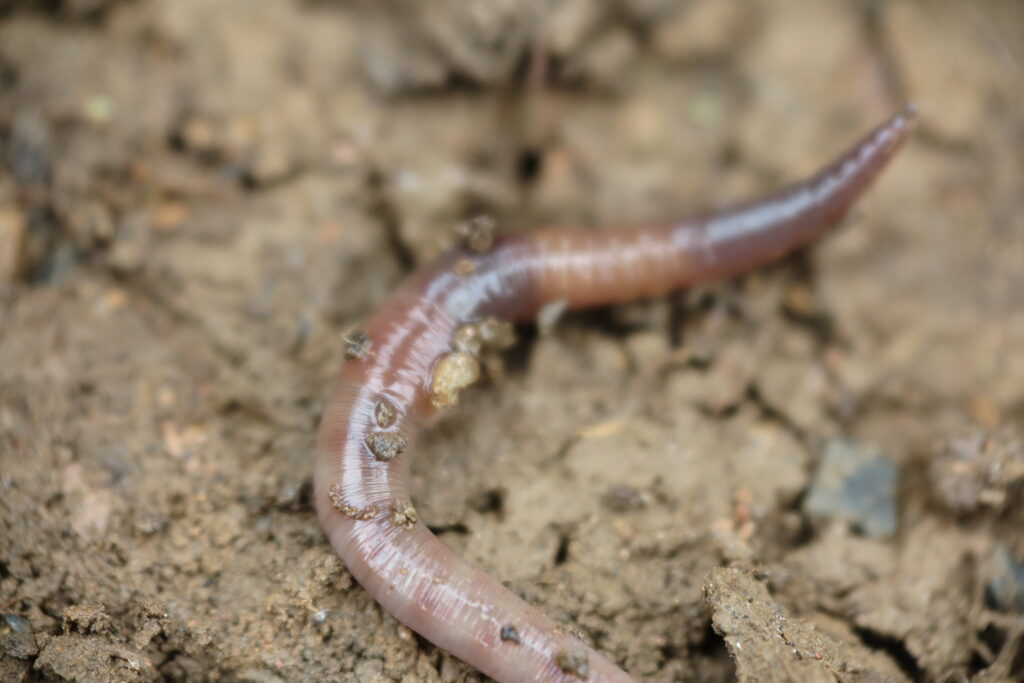
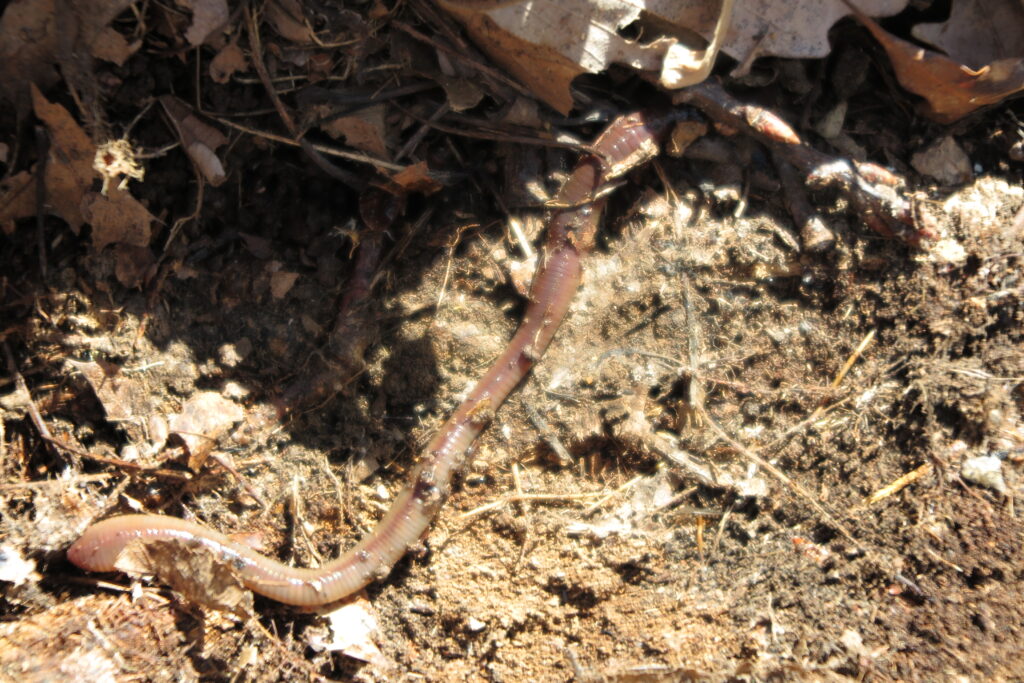
When young earthworms hatch from their cocoons, they emerge as miniature versions of adults rather than entering a larval stage. This direct development differs significantly from insects that undergo complete metamorphosis. A newly hatched earthworm already possesses the segmented body plan that will remain throughout its life.
Juvenile earthworms are considerably smaller and thinner than mature individuals. Their coloration may appear lighter, and they lack the prominent clitellum associated with adulthood. Despite these differences, their overall appearance is immediately recognizable as that of an earthworm.
Growth occurs gradually through the continuous development of existing body structures. Unlike crustaceans or insects that periodically shed an external skeleton, earthworms grow without undergoing dramatic physical changes. Their development is more comparable to the steady growth of mammals than to the transformations seen in many invertebrates.
As juveniles mature, body length and thickness increase over time. Segmentation becomes more pronounced, and coloration often deepens. These gradual changes make age estimation difficult without close observation and knowledge of the species involved.
Environmental conditions strongly influence growth rates. Individuals developing under favorable conditions may reach maturity more quickly than those experiencing environmental stress. Factors such as moisture, temperature, and overall soil quality can all affect development speed.
One of the most important milestones occurs when the clitellum becomes visible. The appearance of this reproductive structure signals that the earthworm has entered adulthood and is capable of reproduction. At this point, the juvenile stage is considered complete.
The gradual nature of earthworm development means that transitions between stages are often subtle. Rather than undergoing a dramatic transformation, the young worm steadily acquires the size and characteristics associated with a mature individual.
Common Earthworm Adult Lifespan and Life Cycle Completion
Adult earthworms represent the final stage of the life cycle and the beginning of a new reproductive phase. Once maturity is reached, individuals can participate in reproduction and contribute to future generations. This stage may last several years depending on species and environmental conditions.
The lifespan of a common earthworm varies considerably. Some individuals survive only a few years, while others may live significantly longer under favorable conditions. In stable environments, earthworms can persist for much longer than many people realize.
Throughout adulthood, earthworms continue growing, although growth rates often slow after maturity. The body remains flexible and segmented, maintaining the same general appearance established during earlier stages. Changes are usually gradual rather than dramatic.
Environmental conditions continue influencing survival throughout adult life. Periods of extreme drought, severe cold, or habitat disturbance may reduce longevity. Conversely, stable conditions often allow individuals to survive long enough to reproduce multiple times.
The life cycle can be compared to a repeating circle rather than a straight line. Adults produce cocoons, cocoons produce juveniles, juveniles mature into adults, and the process begins again. This continuous cycle allows earthworm populations to persist across generations.
Because earthworms do not undergo metamorphosis, every stage remains visually connected to the next. A hatchling resembles a small adult, and a mature earthworm resembles a larger version of its younger self. This consistency makes the life cycle easier to understand than that of many insects.
From cocoon to adult, the common earthworm demonstrates a simple yet remarkably effective pattern of development. Its direct growth, protected reproductive stage, and relatively long lifespan have contributed to its success across much of the world, ensuring that earthworms remain among the most widespread soil invertebrates on Earth.
Popular Searches About Earthworms
Explore Earthworm Guide
Explore More Wildlife

Support Encounters World
Help support wildlife photography and get behind the scenes discoveries on Patreon.