
Coras Funnel Weaver Predators Guide: What Eats Coras Funnel Weavers in the Wild?
Quick Facts
Primary Predator Type: Insectivorous animals and predatory arthropods
Most Vulnerable Life Stage: Spiderlings and juveniles
Main Invertebrate Predators: Spider wasps, larger spiders, and predatory insects
Main Vertebrate Predators: Birds, reptiles, amphibians, and small mammals
Primary Defense: Funnel retreat and camouflage
Predator Avoidance Strategy: Rapid retreat and concealment
Coras Funnel Weaver Predators Introduction
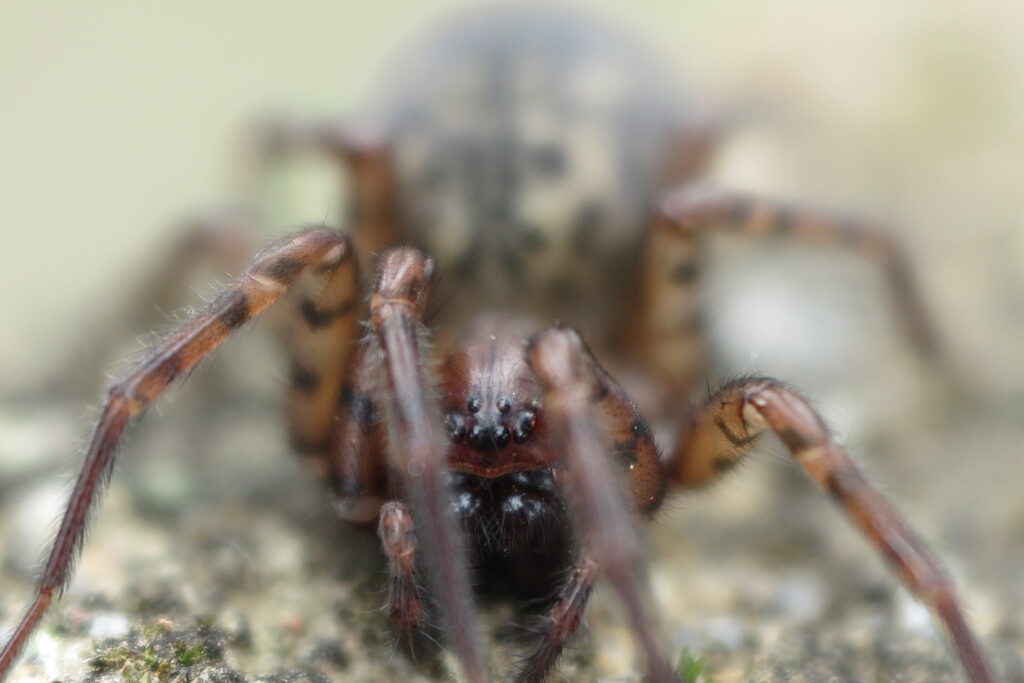
The Coras funnel weaver (Coras sp.) occupies an important position within North American ecosystems as both predator and prey. While these spiders are highly effective hunters of small arthropods, they must also contend with numerous animals that view them as a potential food source. This dual role places them within a complex network of ecological relationships that influence survival throughout their lives.
Found across portions of eastern North America, Coras funnel weavers share their environments with a wide variety of predators. Birds searching woodland floors, reptiles moving through rocky areas, and predatory insects exploring sheltered spaces may all encounter these spiders. Such interactions create constant pressures that have shaped the species’ defensive adaptations.
The risk of predation varies depending on age and size. Tiny spiderlings face threats from many small predators capable of consuming them easily. Larger adults possess better defenses and greater awareness but remain vulnerable to numerous animals throughout their lives.
Predators play an important role in maintaining ecological balance. By limiting populations and influencing behavior, they contribute to the natural processes that shape ecosystems. Understanding what eats Coras funnel weavers provides valuable insight into their place within the broader food web.
Common Predators of Coras Funnel Weavers
Birds represent some of the most significant vertebrate predators of Coras funnel weavers. Many insect-eating bird species actively search beneath bark, among rocks, and across woodland surfaces where funnel weavers commonly occur. Their excellent vision allows them to detect spiders that might otherwise remain hidden from less specialized hunters.
Small reptiles such as lizards may also prey upon Coras funnel weavers when opportunities arise. These predators frequently investigate cracks, crevices, and sheltered locations where spiders establish retreats. Quick reflexes and precise strikes make reptiles effective hunters of small arthropods.
Amphibians contribute another source of predation pressure. Toads, frogs, and salamanders often consume spiders while foraging in moist environments. Because many amphibians rely heavily on invertebrates for food, funnel weavers can become part of their diet when encountered.
Small mammals occasionally prey upon spiders as well. Shrews, mice, and other insectivorous mammals consume a variety of arthropods during their daily activities. A funnel weaver discovered beneath a rock or inside leaf litter may become an opportunistic meal.
Predatory insects add further pressure. Large ground beetles, assassin bugs, and certain mantises may attack spiders when circumstances allow. These encounters can be particularly dangerous because many insect predators share the same microhabitats as Coras funnel weavers.
Together, these predators create a diverse collection of threats that influence survival throughout the spider’s life cycle. The ability to avoid detection often becomes just as important as the ability to hunt successfully.
Spider Wasps and Arthropod Predators
Among the most specialized predators of spiders are spider wasps belonging to the family Pompilidae. These remarkable insects actively hunt spiders and possess adaptations specifically designed for overcoming arachnid defenses. A spider wasp can be one of the most dangerous predators a funnel weaver encounters.
Spider wasps typically search carefully through rocks, logs, crevices, and other sheltered environments. When a suitable spider is located, the wasp attempts to sting and paralyze it. The immobilized spider is then used as food for developing wasp larvae, making these predators uniquely specialized among arthropod hunters.
Larger spider species also pose a threat. Certain wandering hunters and other predatory spiders may attack smaller funnel weavers when opportunities arise. In these situations, the Coras funnel weaver becomes prey to another member of the same broader arachnid group.
Centipedes are another formidable predator within many environments occupied by Coras spiders. Armed with venomous claws and rapid movement, centipedes can overpower small arthropods with impressive efficiency. Their presence adds another layer of predation pressure within sheltered microhabitats.
Predatory beetles contribute as well. Ground beetles frequently patrol leaf litter, stones, and woodland surfaces where funnel weavers occur. Their strong jaws and active hunting behavior make them capable of capturing vulnerable spiders encountered during their searches.
These arthropod predators often present unique challenges because they operate within the same concealed environments favored by Coras funnel weavers. Avoiding them requires constant vigilance and effective use of defensive strategies.
Coras Funnel Weaver Defense and Predator Avoidance
The funnel retreat itself serves as the spider’s most important defense against predators. This silk-lined shelter provides immediate protection whenever danger approaches. A Coras funnel weaver can retreat into the narrow tunnel within moments, reducing exposure to many threats.
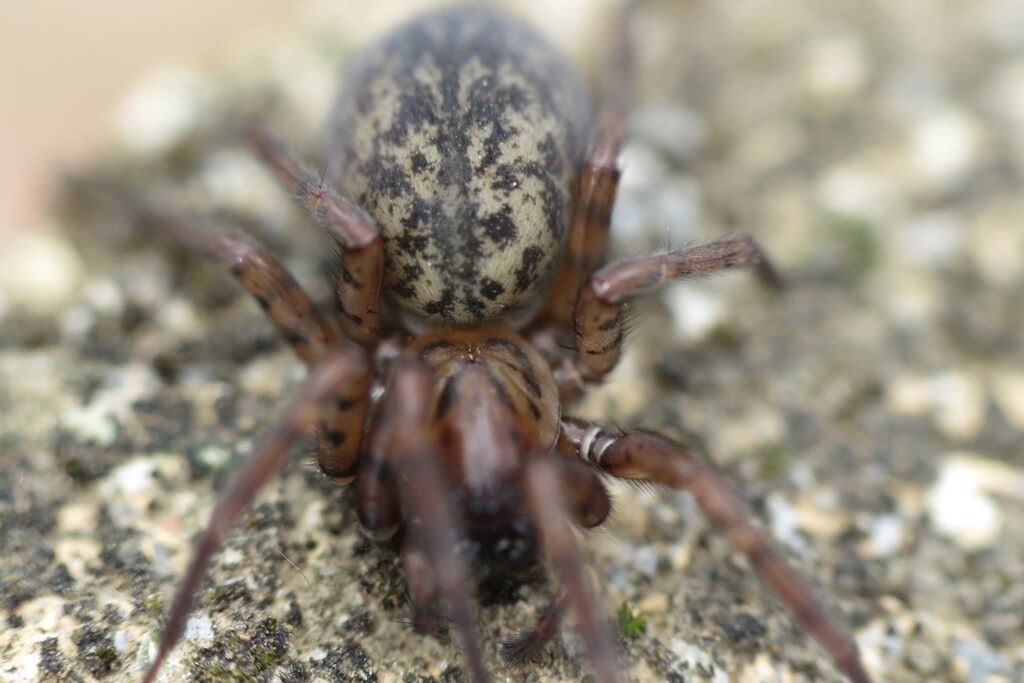
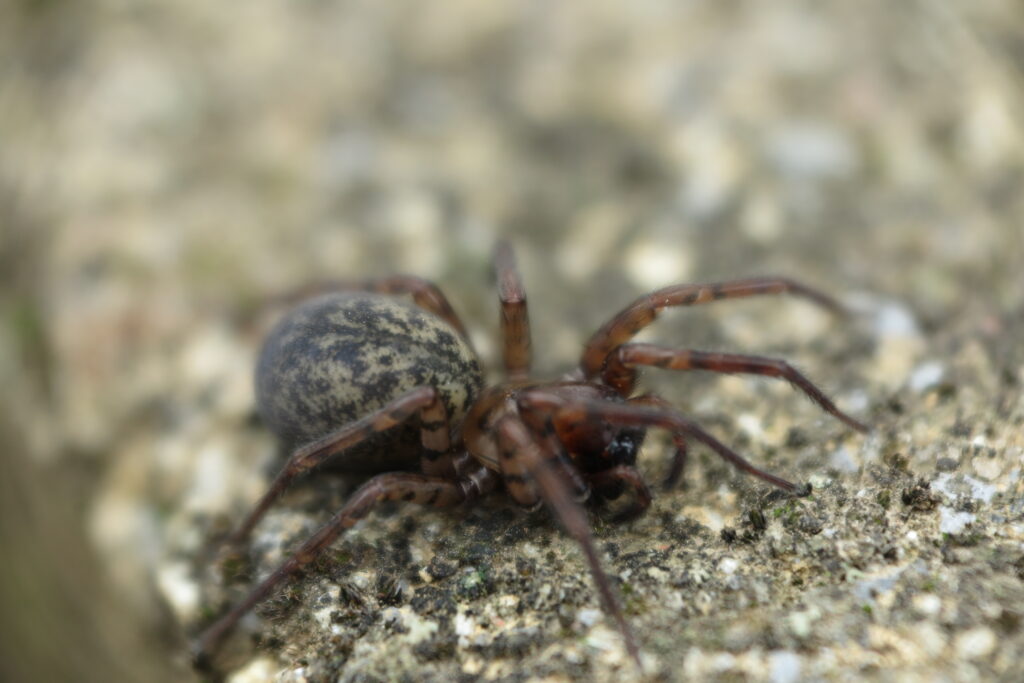
Camouflage represents another powerful survival tool. The mottled coloration common among Coras species closely resembles natural rock, bark, and soil textures. When remaining motionless, the spider can become extremely difficult to detect, even for visually oriented predators.
Rapid reaction speed also improves survival. Although these spiders often appear inactive, they can move with remarkable quickness when necessary. A sudden retreat into the funnel can occur so rapidly that predators may lose sight of the spider entirely.
Remaining concealed during vulnerable periods helps reduce predation risk. Many funnel weavers spend significant amounts of time within protected retreats rather than openly exposed locations. This strategy minimizes opportunities for predators to locate them.
Young spiderlings rely heavily on instinctive defensive behaviors. Their small size makes them vulnerable to a wider range of predators than adults encounter. Remaining hidden and avoiding unnecessary exposure become critical survival strategies during early development.
The combination of funnel retreats, camouflage, rapid movement, and cautious behavior has allowed Coras funnel weavers to persist despite facing numerous predators. These adaptations demonstrate how survival often depends not on strength or aggression, but on avoiding detection and responding quickly when danger appears. Within North American ecosystems, these defenses help ensure that Coras funnel weavers remain successful members of the complex food webs they inhabit.
Popular Searches About Funnel Weaver Spiders
Explore Funnel Weaver Spider Guide
Explore More Wildlife

Support Encounters World
Help support wildlife photography and get behind the scenes discoveries on Patreon.