
Spring Field Cricket Life Cycle: From Egg to Adult Development
Quick Facts
Life Cycle Type: Incomplete Metamorphosis
Egg Stage Duration: Several weeks to several months
Juvenile Stage: Nymph
Number of Molts: Typically 8–12 Molts
Adult Emergence Period: Spring and Early Summer
Average Generation Length: Approximately One Year
Spring Field Cricket Life Cycle Introduction and Development Overview
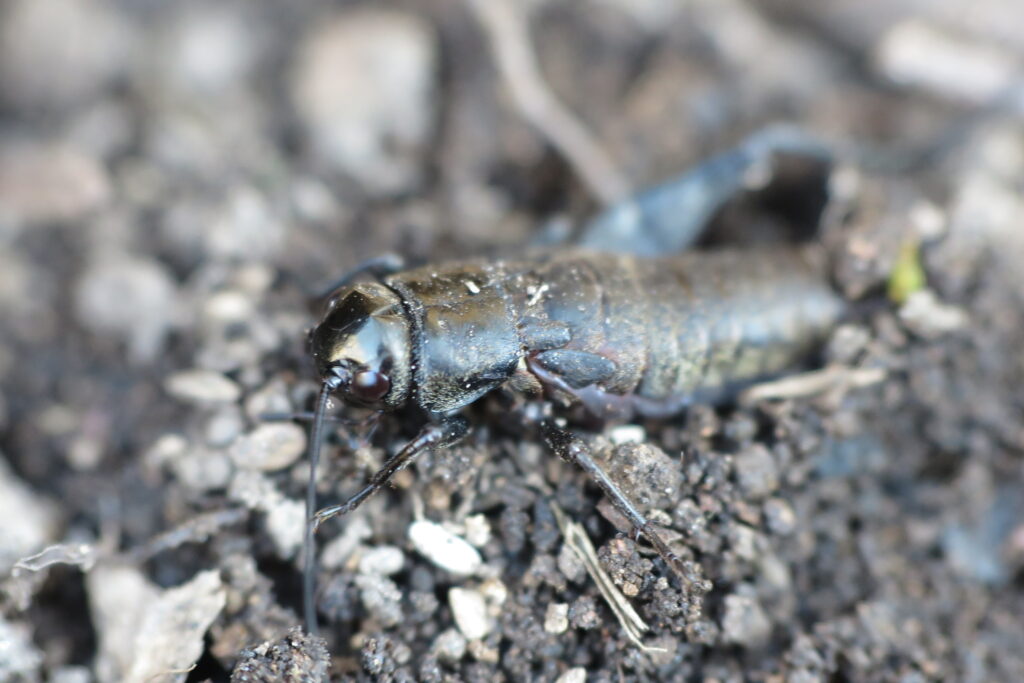
The Spring Field Cricket (Gryllus veletis) follows a fascinating life cycle that unfolds gradually over the course of a year. Unlike butterflies and beetles that undergo complete metamorphosis, this species develops through a process known as incomplete metamorphosis. Each stage resembles the next, allowing observers to follow the insect’s growth from a tiny hatchling to a mature adult.
Throughout much of eastern and central North America, Spring Field Crickets progress through their developmental stages in response to seasonal conditions. Temperature, moisture, and day length all influence the timing of growth. As a result, populations often develop in synchronization with the changing seasons that define temperate ecosystems.
Many people encounter adult crickets without realizing how much transformation occurred before reaching maturity. A newly hatched individual looks dramatically different from the robust adult seen later in the year. The journey between those stages involves multiple growth periods, repeated molts, and gradual structural changes.
The species’ life cycle serves as a useful example of insect development in natural ecosystems. Every stage contributes to population renewal and long-term survival. Understanding this progression provides valuable insight into how Spring Field Crickets maintain stable populations across a large geographic range.
Spring Field Cricket Egg Stage and Early Development
The life cycle begins when females deposit eggs in suitable locations following successful reproduction. These eggs are relatively small and often remain hidden from casual observation. Their placement helps protect the developing embryos from environmental stress and potential predators.
Inside each egg, a remarkable transformation takes place. Over time, embryonic tissues develop into the structures needed for independent life. Although invisible from the outside, the insect gradually forms legs, antennae, mouthparts, and other essential features before hatching.
Development speed depends heavily on environmental conditions. Warmer temperatures generally accelerate growth, while cooler conditions slow the process considerably. In regions with pronounced seasonal changes, eggs may remain dormant for extended periods before development resumes.
The egg stage functions as a bridge between generations. It allows the species to persist through periods when conditions may be unfavorable for active growth. Much like a seed waiting for the proper season to germinate, the developing cricket remains protected until circumstances support successful emergence.
As hatching approaches, the young cricket becomes increasingly developed within the egg. Eventually, it breaks free and enters the next stage of the life cycle. At this point, the insect begins living independently and starts the long process of juvenile growth.
Spring Field Cricket Nymph Growth and Molting Stages
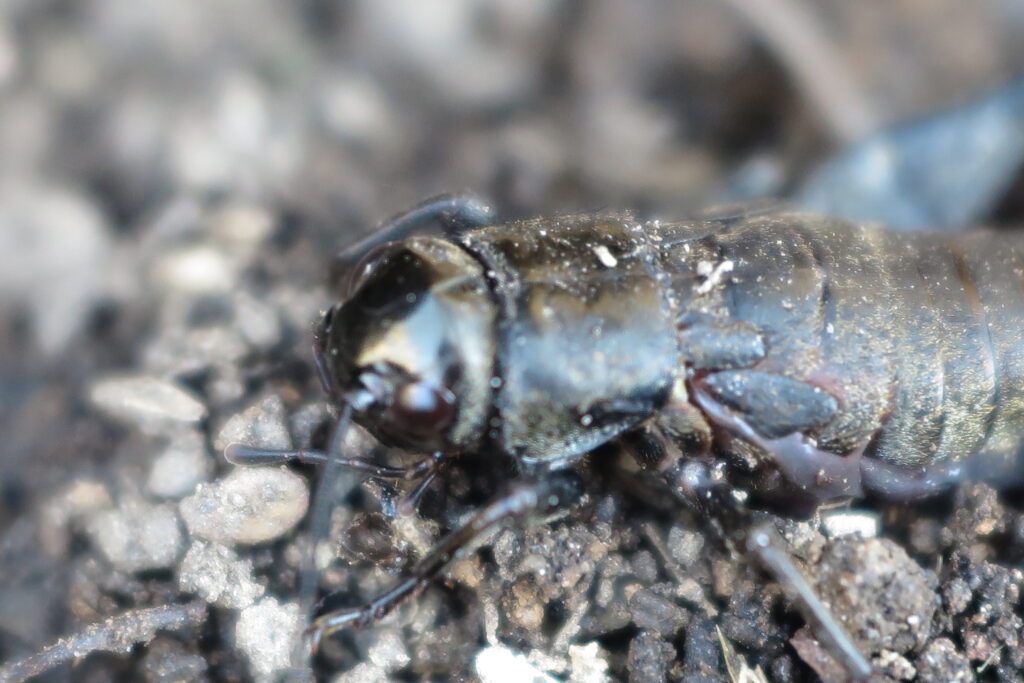
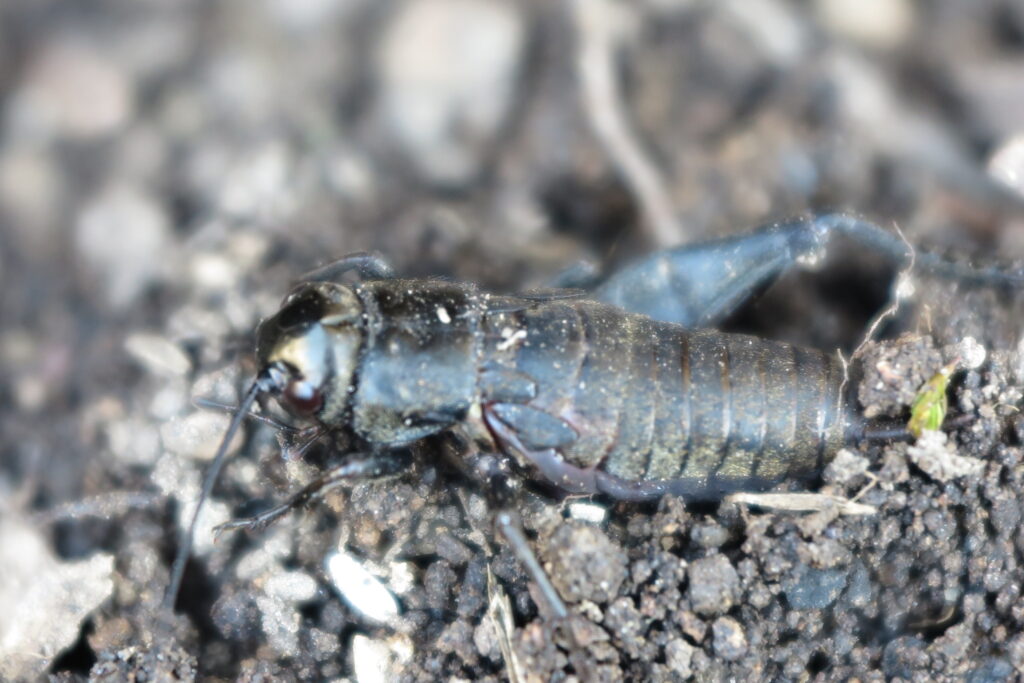
Upon hatching, the young insect enters the nymph stage. Nymphs resemble miniature versions of adult crickets but lack fully developed wings and reproductive structures. Their small size and simplified appearance make them noticeably different from mature individuals.
Growth occurs through a series of molts. Because the external skeleton cannot expand continuously, the cricket must periodically shed its old exoskeleton and produce a larger replacement. Each molt allows additional growth and gradually brings the insect closer to adult form.
The transformation is progressive rather than dramatic. After each molt, body size increases and various structures become more developed. Wing pads begin appearing during later stages, providing visible evidence that the insect is approaching maturity.
Nymphs may pass through eight to twelve developmental stages before becoming adults. The exact number can vary depending on environmental conditions and individual growth rates. This extended period allows the cricket to gradually build the body structures necessary for adult life.
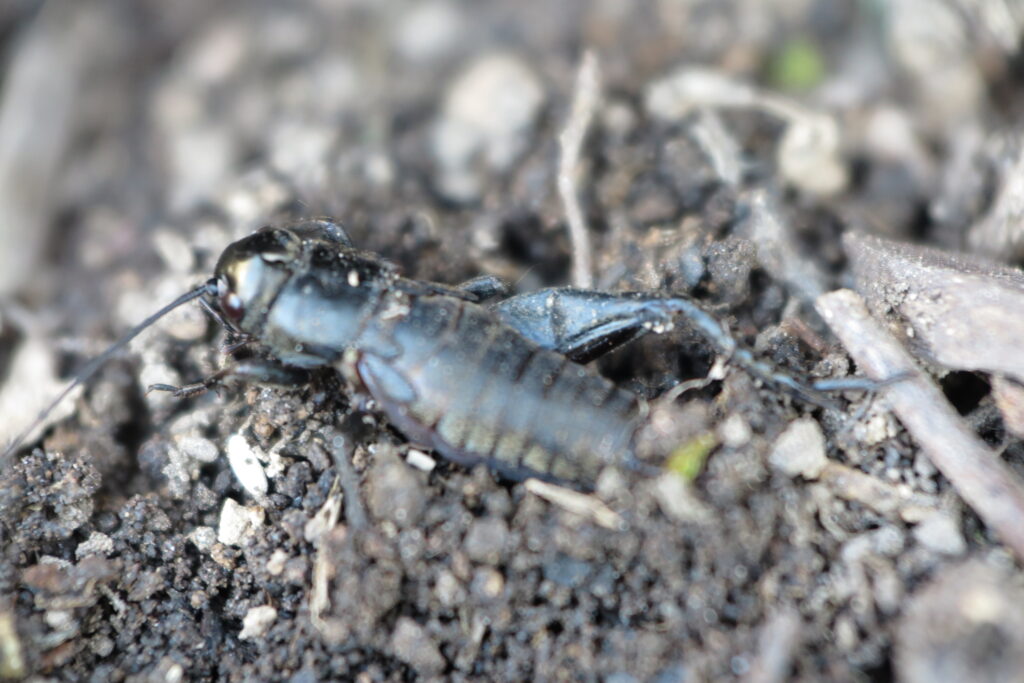
A useful comparison is assembling a complex structure piece by piece rather than completing it all at once. Each molt adds another layer of development, creating a gradual progression toward adulthood. By the final juvenile stages, the cricket closely resembles an adult despite not yet reaching full maturity.
Spring Field Cricket Adult Stage and Reproductive Cycle
The final molt marks the transition into adulthood. At this stage, wings become fully developed and reproductive structures are complete. The insect now possesses the physical characteristics associated with mature Spring Field Crickets.
Adults are responsible for reproduction and the continuation of the species. Males and females engage in activities that eventually lead to the production of a new generation. Successful reproduction ensures that the life cycle continues year after year throughout the species’ range.
Physical appearance remains relatively stable during adulthood. Growth largely stops once the final molt has occurred, and energy is directed toward survival and reproduction rather than further development. This stage represents the culmination of months of gradual growth and transformation.
The adult period is often the most visible stage of the life cycle because mature crickets are larger and easier to observe. Naturalists, photographers, and casual observers are most likely to encounter individuals during this portion of development. As a result, many people associate the species primarily with its adult appearance.
Eventually, the cycle comes full circle as a new generation of eggs is produced. Those eggs begin the developmental process once again, linking one generation to the next. Through this repeating sequence of egg, nymph, and adult stages, the Spring Field Cricket maintains its place as a successful and widespread insect across North America.
Popular Searches About Spring Field Crickets
Explore Spring Field Cricket Guide
Explore More Wildlife

Support Encounters World
Help support wildlife photography and get behind the scenes discoveries on Patreon.