
Spring Field Cricket Bite Guide: Do Spring Field Crickets Bite and Are They Dangerous?
Quick Facts
Can They Bite?: Yes, but rarely
Bite Severity: Very Mild
Venomous: No
Stinger Present: No
Risk to Humans: Extremely Low
Common Defense Response: Escape or Avoidance
Spring Field Cricket Bite Guide Introduction and Safety Overview
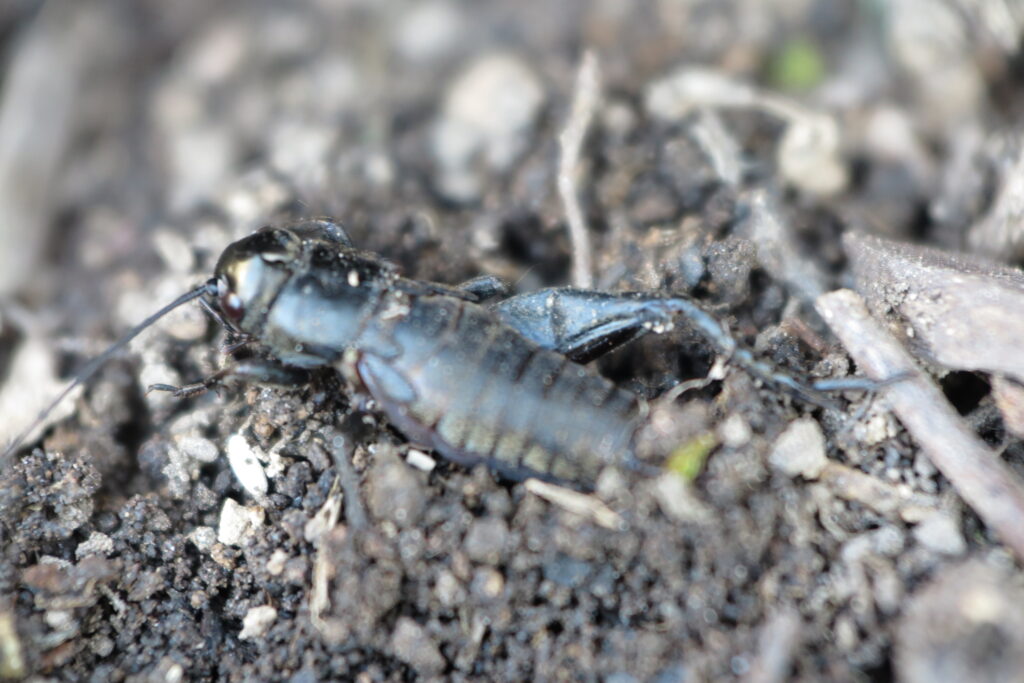
The Spring Field Cricket (Gryllus veletis) is a common insect found across much of eastern and central North America. Many people encounter these crickets while gardening, exploring nature, lifting rocks, or observing wildlife in grassy areas. Because of their relatively large jaws and robust appearance, a common question often follows: can a Spring Field Cricket bite?
For individuals unfamiliar with crickets, their appearance can sometimes seem intimidating. Their dark coloration, strong legs, and visible mouthparts may give the impression that they are capable of delivering painful bites. In reality, the relationship between humans and Spring Field Crickets is generally harmless, with negative interactions occurring very infrequently.
Questions about biting insects are common because many people want to know whether an insect poses a risk to children, pets, or outdoor enthusiasts. While certain insects defend themselves aggressively or possess venomous stings, the Spring Field Cricket belongs to a very different category. It is not considered a dangerous insect and rarely causes concern when encountered in the wild.
Understanding how and why these crickets might bite requires looking at their anatomy, natural instincts, and defensive responses. In most situations, a Spring Field Cricket will attempt to avoid contact entirely. When interactions do occur, they are usually brief and harmless, making this species one of the less threatening insects found in North American landscapes.
Do Spring Field Crickets Bite Humans?
Technically, Spring Field Crickets are capable of biting. Like most insects, they possess mandibles, which are strong mouthparts used for manipulating and processing food. These structures can pinch skin if the insect feels threatened or becomes trapped during handling.
Despite having functional mandibles, biting incidents involving Spring Field Crickets are uncommon. The species does not actively seek contact with humans and shows no natural tendency toward aggression. Most individuals prioritize escape when confronted rather than attempting to defend themselves through physical contact.
When a bite does occur, the sensation is usually minor. Many people describe it as a small pinch rather than a true bite. The experience is often comparable to being lightly squeezed by a clothespin or briefly pricked by a fingernail rather than suffering a painful injury.
Because the mandibles are relatively small, they rarely break the skin. Even when contact occurs, visible marks are uncommon and serious reactions are extremely unlikely. Most encounters end with the cricket attempting to jump away long before a bite becomes possible.
For the average observer, the likelihood of being bitten is very low. Simply watching a cricket, photographing it, or allowing it to move freely poses virtually no risk. Most bites occur only when an insect is intentionally handled, restrained, or accidentally trapped against the skin.
Spring Field Cricket Mouthparts and Defensive Capabilities
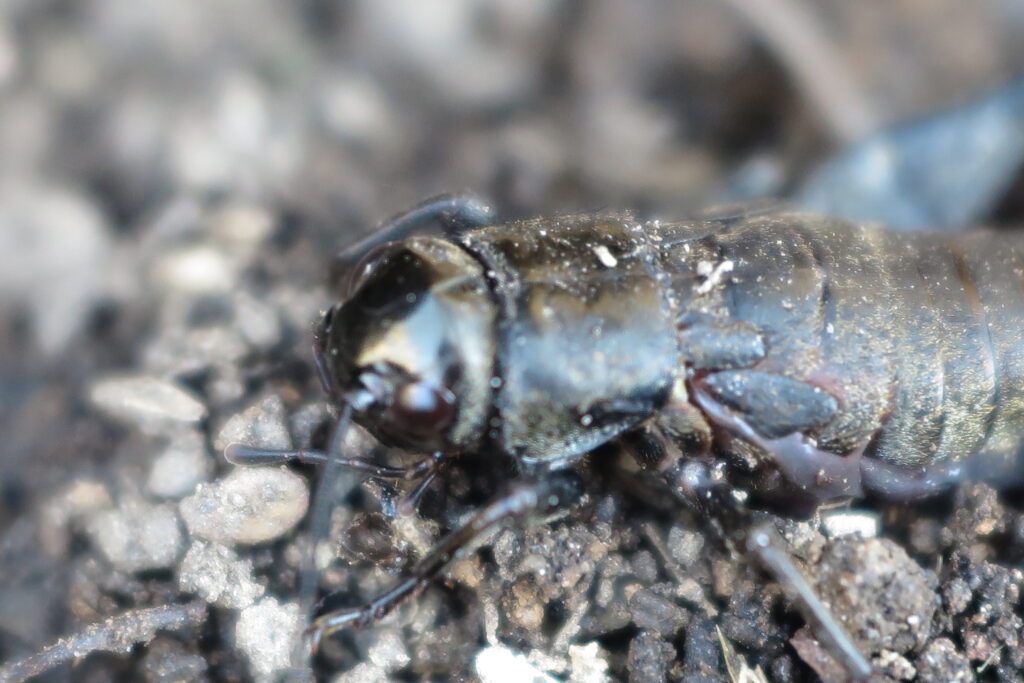
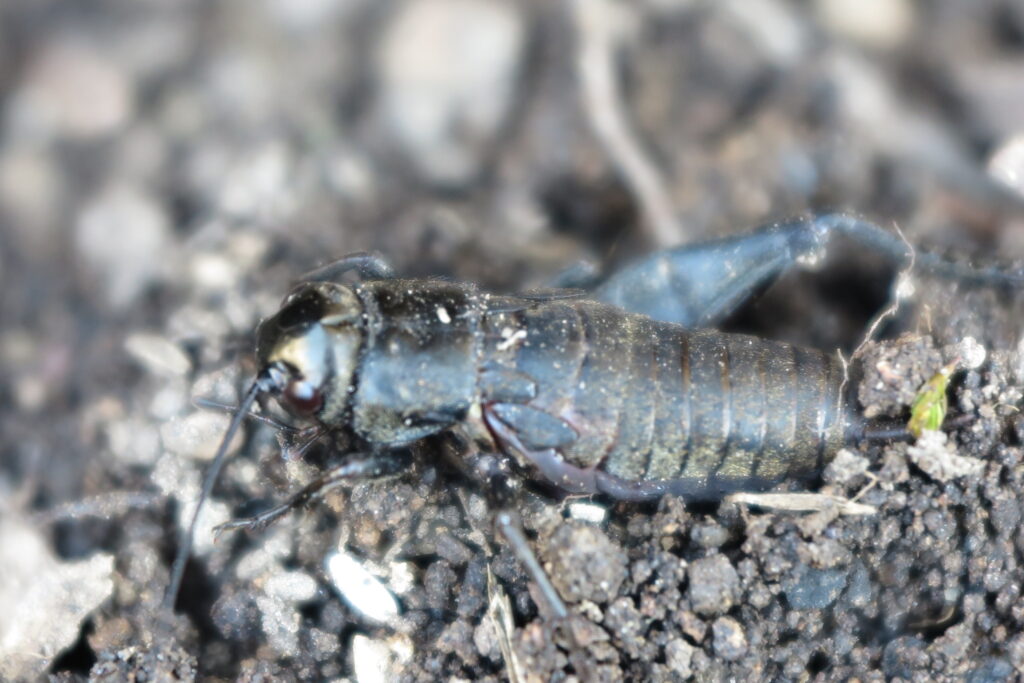
The mouthparts of a Spring Field Cricket are designed primarily for feeding rather than defense. Their mandibles function as cutting and chewing structures that allow the insect to process a variety of food sources. These mouthparts are effective for feeding but are not specialized weapons.
Compared to insects equipped with stingers, venom glands, or powerful defensive adaptations, Spring Field Crickets possess relatively modest protective tools. Their mandibles may appear large when viewed under magnification, but they remain limited in their ability to cause harm to larger animals.
The species lacks venom entirely. No toxins are delivered during a bite, and there are no venom glands associated with the mouthparts. This immediately separates Spring Field Crickets from insects such as bees, wasps, or certain venomous arthropods that use chemical defenses.
Another important distinction is the absence of a stinger. Many people confuse crickets with insects capable of stinging, especially when observing females that possess a long egg-laying structure called an ovipositor. This structure is used solely for reproduction and cannot sting, inject venom, or harm humans.
Viewed from a defensive standpoint, the cricket’s anatomy reflects a strategy based on avoidance rather than confrontation. Its physical structures are intended for feeding and survival, not combat. As a result, biting remains a last-resort response rather than a primary defense mechanism.
Spring Field Cricket Reactions to Threats and Human Encounters
When threatened, the Spring Field Cricket almost always relies on escape rather than aggression. The first response is usually stillness, allowing the insect to remain unnoticed by potential predators. This reaction often makes the cricket difficult to detect against soil, leaves, or other natural surfaces.
If a threat continues to approach, the next response is typically rapid movement. A sudden jump followed by a quick run can move the cricket out of danger in a fraction of a second. This instinctive reaction is far more common than any attempt to bite or physically defend itself.
Human encounters generally follow the same pattern. A person lifting a rock, walking through vegetation, or inspecting the ground will usually cause the cricket to retreat immediately. In many cases, observers only catch a brief glimpse before the insect disappears into nearby cover.
A bite becomes most likely when escape is impossible. For example, a cricket trapped in a closed hand may attempt to use its mandibles as a final defensive measure. Even in these situations, biting remains mild and is usually accompanied by repeated efforts to flee rather than continued aggression.
Overall, Spring Field Crickets should be considered harmless members of North America’s insect community. They are neither aggressive nor dangerous and present virtually no threat to people. Their natural instinct is to avoid conflict whenever possible, making bites rare, mild, and largely insignificant compared to the defensive capabilities of many other insects.
Popular Searches About Spring Field Crickets
Explore Spring Field Cricket Guide
Explore More Wildlife

Support Encounters World
Help support wildlife photography and get behind the scenes discoveries on Patreon.