
Spring Field Cricket Predators Guide: What Eats Spring Field Crickets in the Wild?
Quick Facts
Predator Type: Prey Species
Main Predators: Birds, Amphibians, Reptiles, Mammals, and Invertebrates
Most Vulnerable Life Stage: Nymphs and Juveniles
Primary Defense: Camouflage and Rapid Escape
Predation Risk: High Throughout Life Cycle
Food Web Role: Important Mid-Level Prey Species
Spring Field Cricket Predators Introduction and Ecological Importance
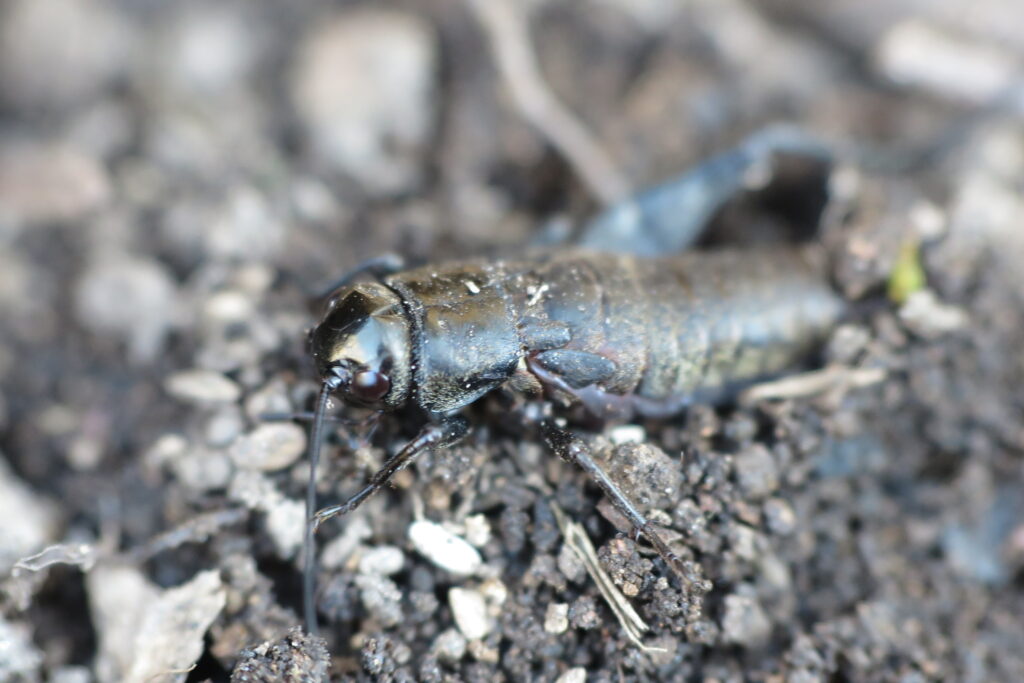
The Spring Field Cricket (Gryllus veletis) occupies an important position within North American food webs. While the species is known for its seasonal appearance and distinctive chirping calls, it is equally significant as a food source for numerous animals. Across its range, countless predators rely on crickets as a readily available source of nutrition.
In many ecosystems, insects form the foundation of complex feeding relationships. The Spring Field Cricket serves as a connection between lower levels of the food web and larger animals that depend on insect prey. Its abundance throughout many regions helps support a wide variety of wildlife species, from small reptiles to songbirds and mammals.
Predation pressure begins early in life and continues through adulthood. Eggs, young nymphs, and mature crickets all face threats from different predators. As a result, survival often depends on avoiding detection rather than overpowering an attacker.
Observing a Spring Field Cricket in the wild may reveal only a small part of its ecological story. Behind every cricket lies a network of predators constantly searching for opportunities. Understanding what eats Spring Field Crickets helps illustrate their importance within the broader ecosystems they inhabit.
Birds and Vertebrates That Hunt Spring Field Crickets
Birds are among the most significant predators of Spring Field Crickets. Many species regularly search through vegetation, leaf litter, and open ground looking for insects. Robins, sparrows, wrens, blackbirds, and numerous other songbirds readily consume crickets whenever they are encountered.
Ground-feeding birds are particularly effective hunters. Their sharp eyesight allows them to detect movement quickly, and many can capture insects with remarkable speed. A cricket moving across exposed soil may be spotted and eaten within seconds by a nearby bird.
Reptiles also rely heavily on insects as prey. Small snakes, lizards, and other insect-eating reptiles frequently consume field crickets when opportunities arise. For many reptile species, crickets provide a dependable source of protein and energy throughout the active season.
Amphibians represent another important group of predators. Frogs and toads often hunt near the ground where crickets are commonly found. A patient toad sitting motionless near vegetation can quickly capture a passing cricket using its rapid tongue strike.
Small mammals contribute additional predation pressure. Shrews, mice, and similar insect-eating mammals frequently include crickets in their diets. These predators often forage at night, creating periods when both predator and prey are active within the same environment.
Invertebrate Predators of Spring Field Crickets
Not all predators of Spring Field Crickets are large vertebrates. Many invertebrates actively hunt crickets and may pose a significant threat, particularly to younger individuals. Spiders are among the most common examples, using webs or ambush tactics to capture unsuspecting prey.
Wolf spiders represent particularly effective cricket predators. Rather than relying on webs, these active hunters patrol the ground searching for insects. Their speed and excellent vision allow them to pursue prey directly, making them formidable opponents for young and adult crickets alike.
Praying mantises also prey upon field crickets when given the opportunity. Their camouflage allows them to remain nearly invisible among vegetation until prey comes within striking distance. Once a cricket approaches, the mantis can capture it with remarkable speed using its specialized front legs.
Predatory beetles add another layer of danger. Ground beetles, in particular, frequently hunt insects moving along soil surfaces. These beetles possess powerful jaws and often target smaller or juvenile crickets that cannot escape quickly enough.
Certain predatory wasps may attack young crickets as well. While they are not the most common predators of Spring Field Crickets, they contribute to the overall predation pressure experienced by the species. Together, these invertebrate hunters create a constant threat from the ground, vegetation, and surrounding environment.
Survival Strategies Against Predators
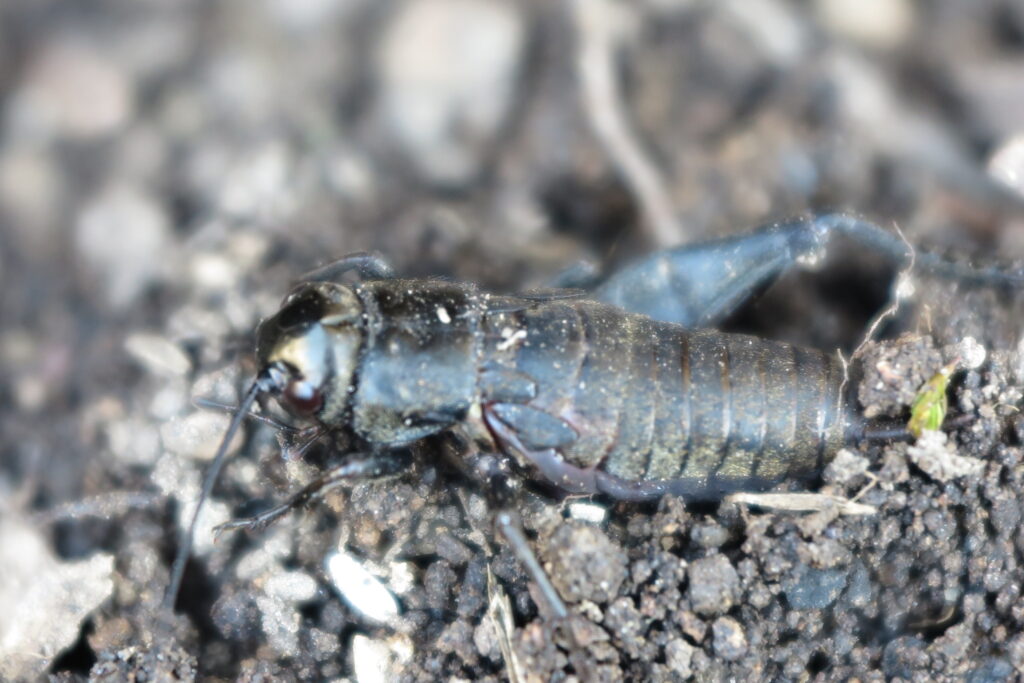
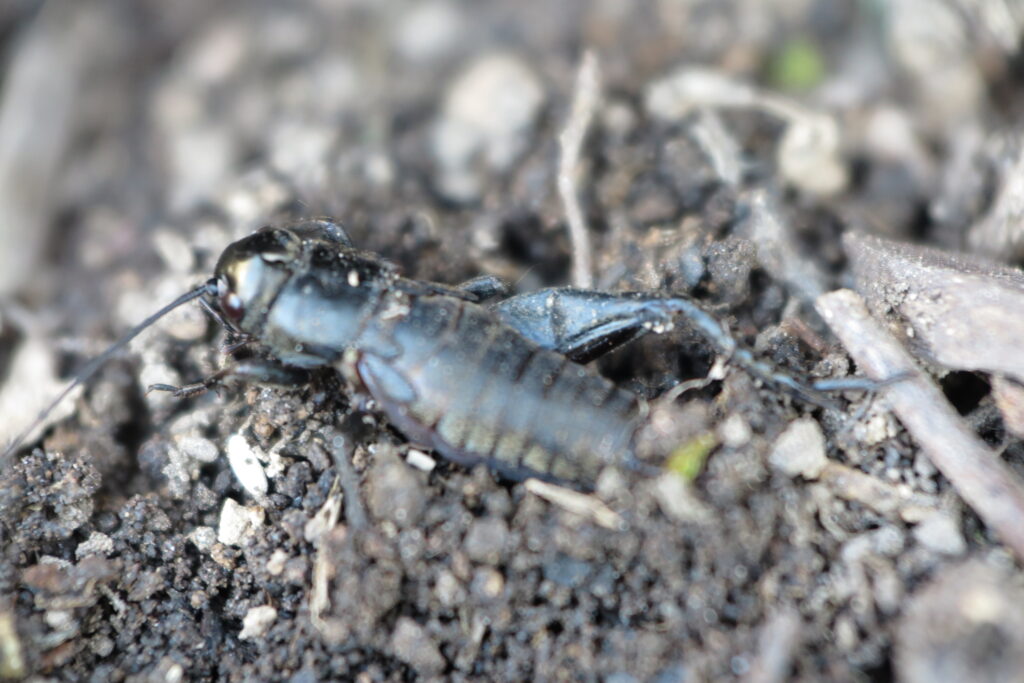
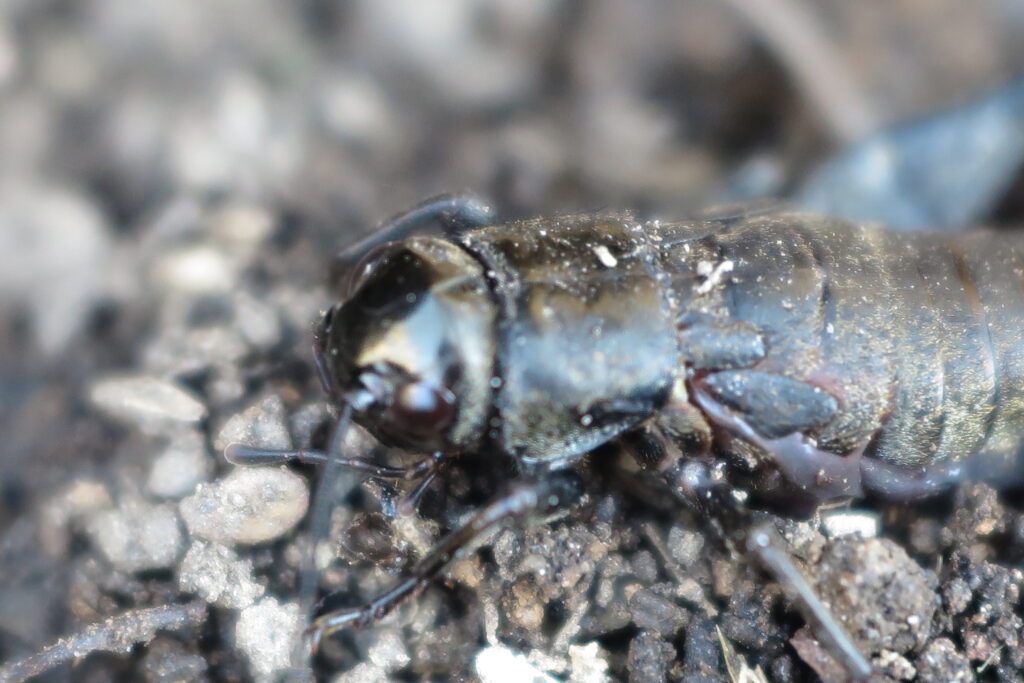
Despite facing numerous predators, Spring Field Crickets possess several adaptations that improve their chances of survival. One of the most effective is camouflage. Their dark coloration blends naturally with soil, leaf litter, and other ground-level materials, making detection more difficult.
Stillness serves as another important defense. A cricket that remains motionless often becomes surprisingly difficult to spot, even at close range. This strategy is particularly useful against predators that rely heavily on movement to locate prey.
If concealment fails, rapid escape becomes the next line of defense. The enlarged hind legs allow the cricket to launch itself away from danger in an instant. These jumps can be compared to a compressed spring suddenly released, creating a burst of movement that may confuse pursuing predators.
Many crickets also use irregular movement patterns when fleeing. Instead of traveling in a straight line, they may change direction suddenly or disappear beneath cover. This unpredictability makes pursuit more difficult and increases the likelihood of escape.
Although individual Spring Field Crickets face constant danger, their combination of camouflage, vigilance, and rapid movement allows enough individuals to survive and reproduce successfully. These defensive strategies help maintain healthy populations despite intense predation from birds, reptiles, amphibians, mammals, and countless invertebrate hunters throughout their range.
Popular Searches About Spring Field Crickets
Explore Spring Field Cricket Guide
Explore More Wildlife

Support Encounters World
Help support wildlife photography and get behind the scenes discoveries on Patreon.