
Spring Field Cricket Ecosystem Role: Why Spring Field Crickets Matter in Nature
Quick Facts
Ecosystem Role: Consumer and Prey Species
Food Web Position: Mid-Level Food Web Contributor
Primary Ecological Function: Nutrient Cycling and Energy Transfer
Supports Wildlife: Birds, Reptiles, Amphibians, Mammals, and Invertebrates
Environmental Impact: Helps Recycle Organic Material
Ecosystem Importance: Maintains Biodiversity and Food Web Stability
Spring Field Cricket Ecosystem Role Introduction and Ecological Significance
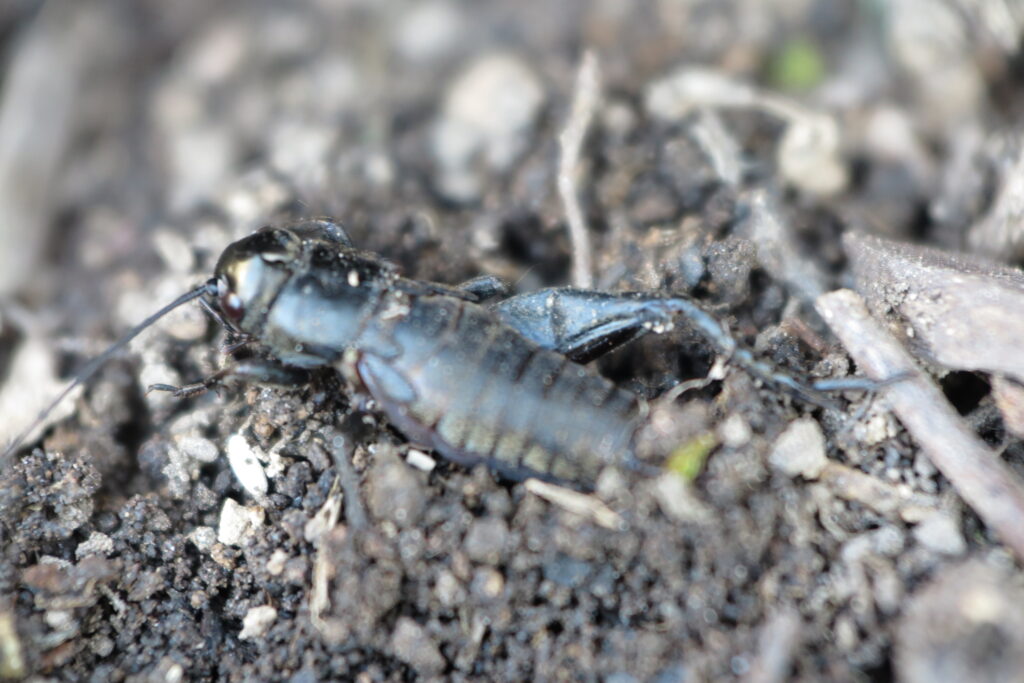
The Spring Field Cricket (Gryllus veletis) is a common insect found throughout much of eastern and central North America. Although it is often recognized for its chirping calls and seasonal appearance, its true importance extends far beyond what most people notice. Within natural ecosystems, this species serves as a critical link connecting plants, organic matter, predators, and countless other organisms.
Every ecosystem depends upon a network of interactions involving thousands of species. Some animals function as top predators, while others act as pollinators, decomposers, or prey. The Spring Field Cricket occupies a position that influences multiple parts of this network, making it an important contributor to ecological stability despite its relatively small size.
When people think about wildlife, attention often focuses on larger animals such as deer, hawks, foxes, or bears. In reality, many ecosystems rely heavily on insects because they form the foundation of food webs. A healthy population of Spring Field Crickets can support a surprising number of species that depend on insects either directly or indirectly.
Examining the ecological role of this cricket reveals how even common insects contribute to the functioning of natural systems. Its activities affect nutrient movement, food availability, biodiversity, and overall ecosystem health. These contributions demonstrate why insects remain among the most important organisms in terrestrial environments.
Spring Field Cricket Position Within the Food Web
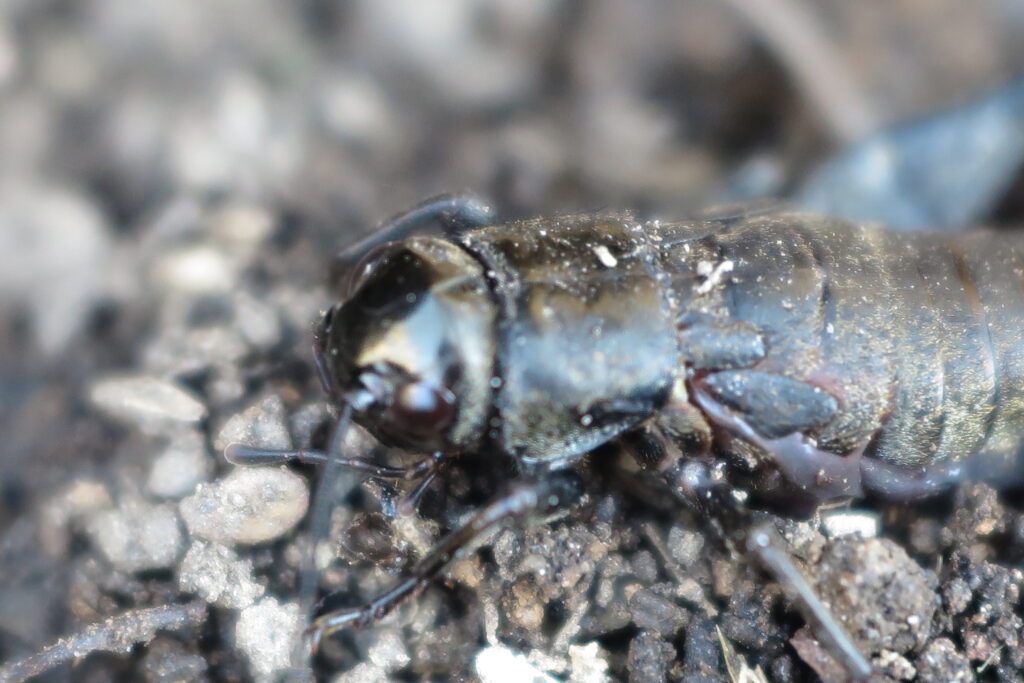
The Spring Field Cricket occupies a middle position within many terrestrial food webs. Rather than functioning as a top predator or primary producer, it serves as a connection between lower and higher trophic levels. This placement allows energy to move efficiently through the ecosystem.
Resources consumed by the cricket are converted into body mass that later becomes available to predators. In ecological terms, the species acts as a transfer point through which nutrients and energy pass from one level of the food web to another. This process occurs continuously throughout the cricket’s life cycle.
Many wildlife species depend on insects as a major source of nutrition. Birds searching through vegetation, frogs waiting near the ground, and small mammals foraging at night all benefit from the presence of crickets. Without these intermediate prey species, predators would have far fewer food resources available.
A useful comparison is a bridge connecting two sections of a transportation network. Without the bridge, movement becomes more difficult and less efficient. Similarly, Spring Field Crickets help connect different components of ecological systems by transferring energy between various organisms.
The species’ abundance increases its importance. Even though an individual cricket may seem insignificant, large populations collectively represent a substantial source of energy within many ecosystems. This cumulative contribution makes the species far more influential than its size might suggest.
Spring Field Cricket Contributions to Nutrient Cycling
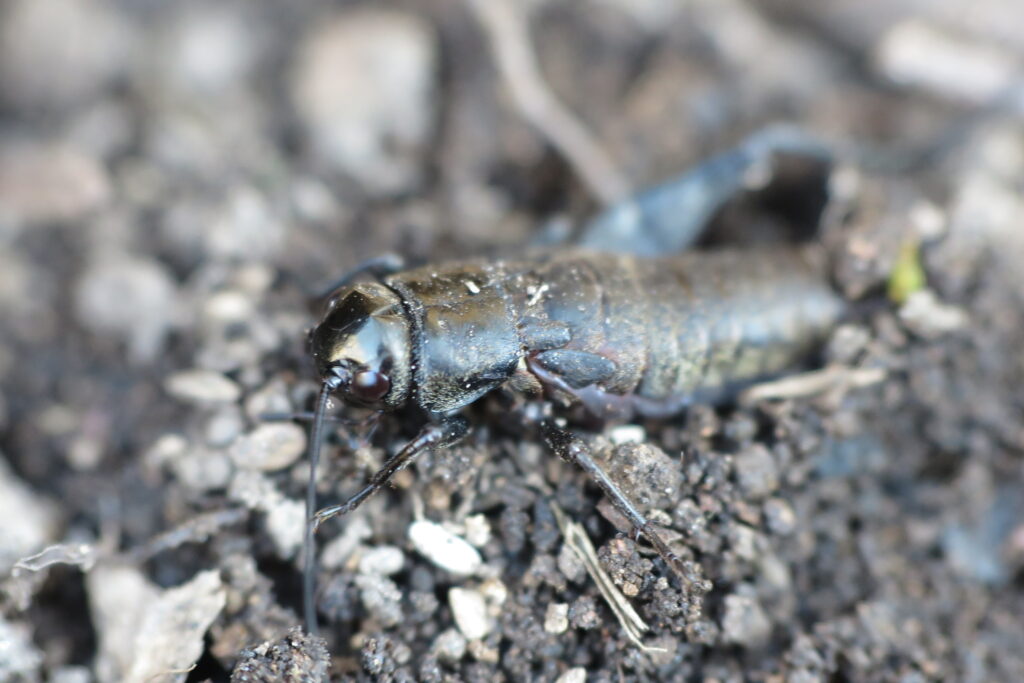
Nutrient cycling is one of the most important ecological processes occurring in natural environments. The Spring Field Cricket contributes to this process by helping break down and process organic material found within ecosystems. Through normal feeding activities, nutrients are moved and redistributed throughout the environment.
Organic matter constantly accumulates as plants shed leaves, stems, flowers, and other materials. Over time, these materials begin decomposing and become part of a complex recycling system. Spring Field Crickets contribute to this process by interacting with materials that eventually return nutrients to the soil.
The movement of nutrients through ecosystems resembles a natural recycling program. Instead of waste accumulating indefinitely, materials are continuously reused and transformed. Insects such as the Spring Field Cricket help accelerate this process by participating in the breakdown and redistribution of organic resources.
Their ecological influence extends beyond direct nutrient processing. By serving as prey, nutrients stored within cricket populations are transferred to higher levels of the food web. This movement helps distribute energy and essential elements throughout the ecosystem in a dynamic and ongoing cycle.
Healthy nutrient cycling supports plant growth, soil quality, and overall ecosystem productivity. While many organisms contribute to these processes, insects remain among the most important participants. The Spring Field Cricket plays a small but meaningful role in maintaining the natural flow of resources through terrestrial environments.
Spring Field Cricket Importance for Biodiversity and Ecosystem Stability
Biodiversity depends upon the presence of numerous species performing different ecological functions. The Spring Field Cricket contributes to this diversity by occupying a unique role that supports many other organisms. Its presence helps create a more complex and resilient ecological community.
A diverse ecosystem generally withstands environmental challenges more effectively than one with fewer species. When multiple organisms contribute to food webs and nutrient cycling, ecosystems become less vulnerable to disruption. Spring Field Crickets help strengthen these systems by serving as a dependable component of ecological networks.
Wildlife populations often fluctuate in response to food availability. Because many predators utilize insects, stable cricket populations can help support stable predator populations as well. This relationship illustrates how even small organisms influence the success of much larger animals.
Consider a building supported by numerous interconnected components rather than a single structure. If one component weakens, the entire system may become less stable. Ecosystems operate similarly, with species such as the Spring Field Cricket contributing to the overall strength and resilience of ecological communities.
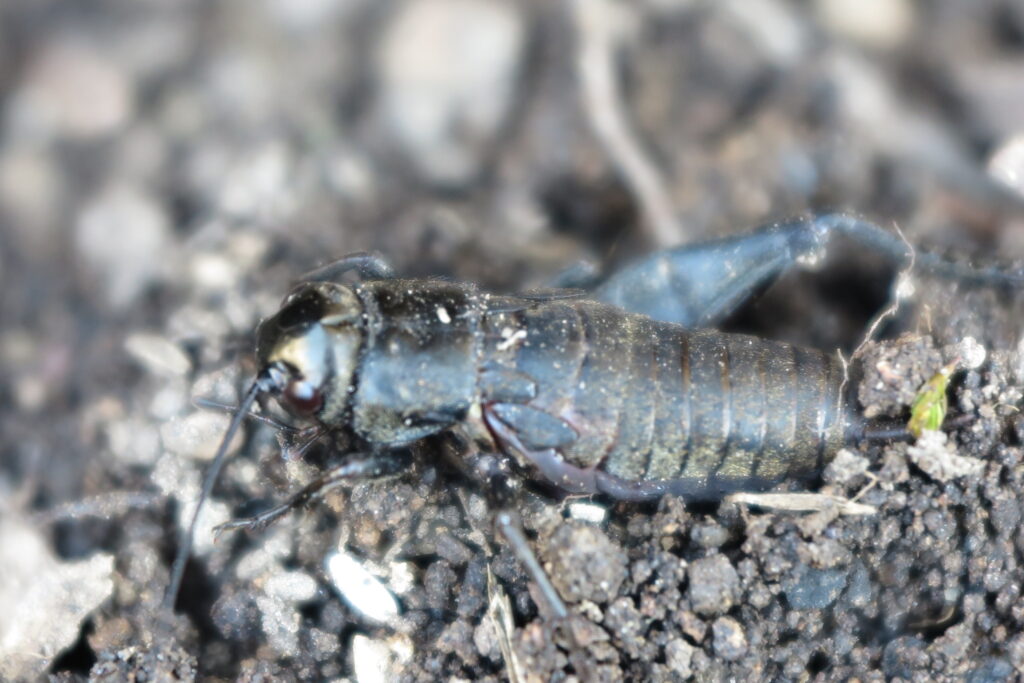
Although rarely considered a flagship species, the Spring Field Cricket plays an essential role in maintaining ecological balance. Through its position in food webs, contribution to nutrient cycling, and support of biodiversity, it helps sustain the natural systems found across much of North America. Its ecological importance demonstrates how common insects often perform some of the most valuable functions within the environment.
Popular Searches About Spring Field Crickets
Explore Spring Field Cricket Guide
Explore More Wildlife

Support Encounters World
Help support wildlife photography and get behind the scenes discoveries on Patreon.