Is Bugleweed Invasive? Growth Behavior, Spread Potential, and Management Guide
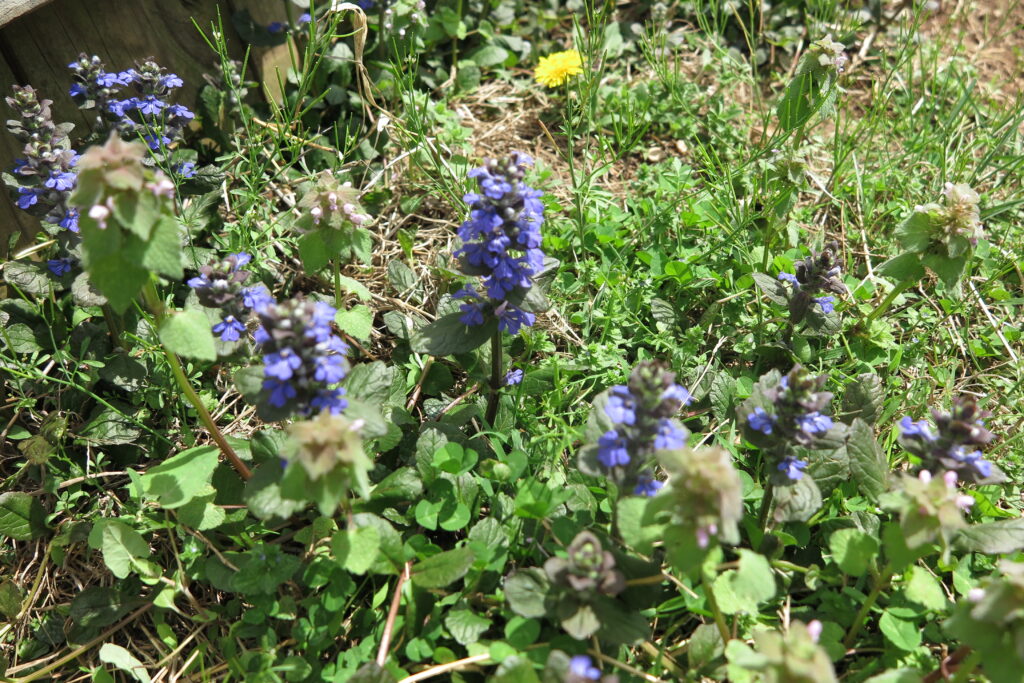
Quick Facts
Native Range: Europe, Western Asia, and North Africa
Invasive Status: Regionally Variable
Spread Method: Stolons and Seeds
Growth Aggressiveness: Moderate to Fast
Garden Escape Risk: Moderate
Common Concern: Spreading Beyond Intended Areas
Management Difficulty: Low to Moderate
Understanding the Invasive Potential of Bugleweed
A patch of Bugleweed can appear harmless at first glance. Its colorful flower spikes and attractive foliage make it a favorite choice for gardens, landscape borders, and groundcover plantings. As the plant expands and fills available space, however, many gardeners begin asking the same question: is Bugleweed invasive?
Bugleweed (Ajuga reptans) originated in Europe, western Asia, and parts of North Africa before becoming widely cultivated throughout temperate regions of the world. Its popularity stems largely from its ability to cover bare soil quickly while providing seasonal color. These same qualities that make it useful in gardens are also responsible for concerns about its spreading behavior.
The answer depends heavily on location and circumstances. In some regions, Bugleweed remains a well-behaved ornamental that stays largely confined to planted areas. In others, it spreads beyond garden boundaries and establishes populations in nearby natural spaces. This variation makes it difficult to classify the species with a simple yes-or-no answer.
Understanding whether Bugleweed is invasive requires examining how it spreads, where it grows, and how aggressively it competes with surrounding vegetation. Looking at these factors provides a more complete picture than relying solely on invasive species lists or anecdotal observations.
How Aggressively Does Bugleweed Spread?
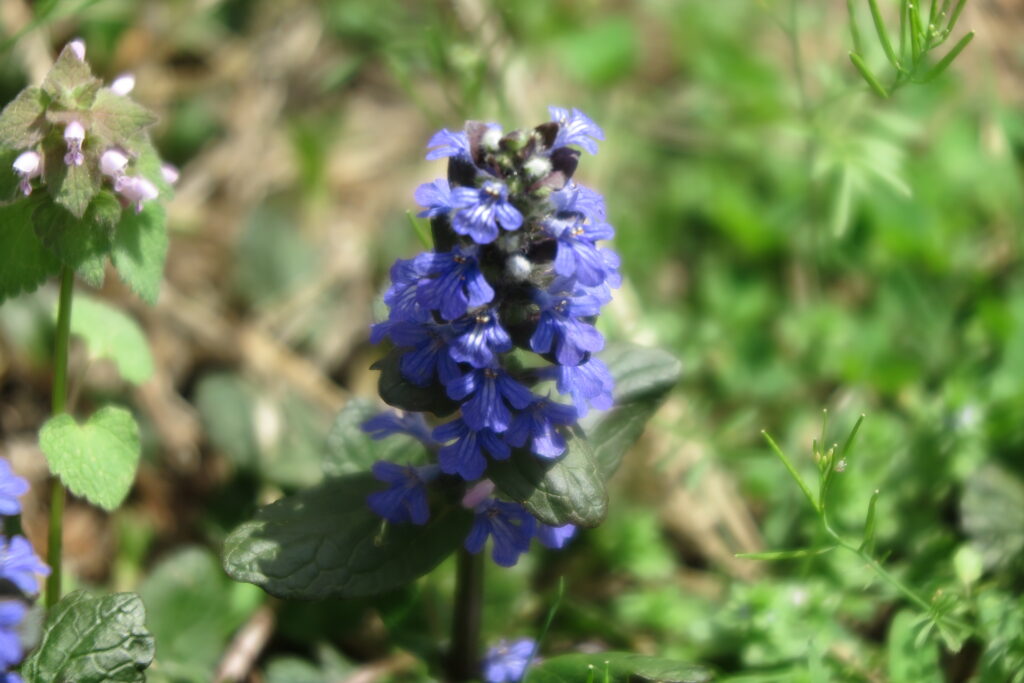
One reason Bugleweed attracts attention is its ability to expand steadily across available ground. The plant produces runners known as stolons that extend outward from the parent plant. These stolons establish new growth points, allowing colonies to increase in size year after year.
This method of spread makes Bugleweed highly effective as a groundcover. Gardeners often select it specifically because it can fill open spaces faster than many ornamental perennials. Areas that begin with a handful of plants may eventually become covered by dense mats of foliage.
A useful comparison is a slowly expanding patch of carpet. Each season adds another layer of coverage until previously open ground becomes occupied. While the process is generally not explosive, it is persistent and can be surprisingly effective over time.
Seed production also contributes to spread, though stolons usually play the larger role. Seeds occasionally establish new plants beyond the original colony, particularly where suitable conditions exist. These new plants can create additional patches that continue expanding independently.
Compared to highly aggressive invasive plants such as Japanese Knotweed or Lesser Celandine, Bugleweed is generally less problematic. Nevertheless, it spreads more rapidly than many traditional garden perennials. This intermediate level of aggressiveness is why opinions about its invasive potential often differ among gardeners and land managers.
Where Bugleweed Becomes a Concern
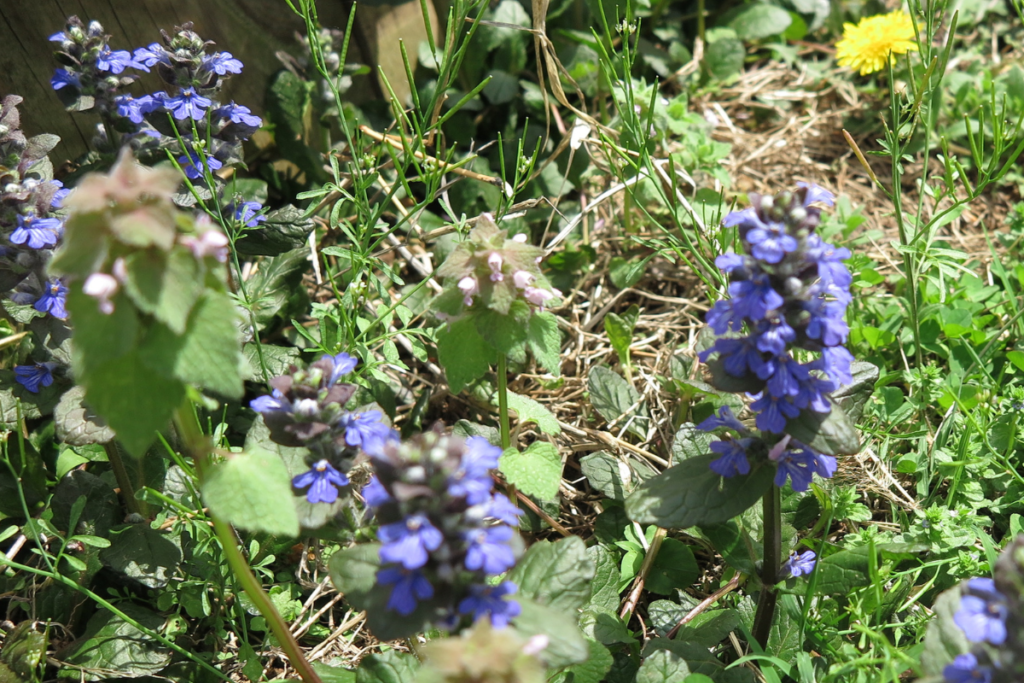
Most concerns arise when Bugleweed escapes cultivation and enters nearby natural or semi-natural environments. Woodland edges, parklands, disturbed areas, and unmanaged green spaces sometimes provide opportunities for the plant to establish outside intended planting zones. Once established, it may continue expanding through vegetative growth.
The likelihood of escape varies by region. In some locations, environmental conditions strongly favor expansion and long-term persistence. In other areas, climate limitations or competition from native vegetation help restrict spread. These differences explain why Bugleweed may be considered problematic in one region but relatively harmless in another.
Garden borders are among the most common places where spread becomes noticeable. A colony originally planted within a flower bed may gradually move into adjacent lawns, pathways, or neighboring planting areas. This expansion is often slow enough to remain manageable but fast enough to require periodic attention.
A useful comparison is a vine growing beyond a trellis. The plant is not necessarily harmful, but it may exceed the boundaries originally intended by the gardener. Bugleweed behaves similarly when left unmanaged for long periods.
Competition with smaller plants can also become an issue. Dense foliage may shade low-growing vegetation and reduce available space. Although it rarely overwhelms large shrubs or mature perennials, it can dominate areas occupied by weaker ground-level species.
Is Bugleweed Truly Invasive and How Can It Be Managed?
From a strict ecological perspective, Bugleweed is not universally considered invasive across all regions. Many invasive species lists focus on plants that cause widespread ecological damage, dramatically alter habitats, or displace large numbers of native species. Bugleweed generally falls into a less severe category than many of these high-impact invaders.
However, describing it as completely non-invasive would also be misleading. The plant possesses characteristics associated with invasive behavior, including rapid vegetative spread, adaptability, and the ability to establish outside cultivated settings. Whether these traits become problematic depends largely on local conditions.
Management is usually straightforward when colonies are monitored regularly. Gardeners can control spread by trimming runners, removing unwanted growth, and maintaining clear planting boundaries. Early intervention is significantly easier than addressing large established patches later.
Physical removal remains one of the most effective control methods. Small colonies can often be lifted by hand, while larger patches may require digging to remove roots and stolons. Regular monitoring helps prevent recolonization and keeps populations within desired limits.
For most gardeners, Bugleweed is best described as an aggressive groundcover rather than a severe invasive species. It offers attractive flowers, colorful foliage, and reliable coverage, but it also requires occasional management to prevent unwanted expansion. Understanding this balance allows gardeners to enjoy its benefits while minimizing potential problems associated with its spreading nature.
Popular Searches About Bugleweed
Explore Bugleweed Guide
Explore More Plants

Support Encounters World
Help support wildlife photography and get behind the scenes discoveries on Patreon.